
Cortisol Belly: How Chronic Stress Quietly Reroutes Fat to Your Waistline
Cortisol belly is the abdominal fat that shows up when you're not eating more — you're just stressed, under-slept, and running on adrenaline. Chronic cortisol specifically reroutes fat to your waistline and sabotages the sleep that would help you recover. Here's the loop, and how to break it.

The stress hormone that parks fat at your waist — and the cycle that keeps it there.
In this guide:
You eat reasonably well. You move. And yet the belly fat sits there, concentrated specifically at your midsection, immune to every diet tweak you've tried. If that's your pattern — and you're also stressed, under-slept, and running anxious — the culprit may not be your diet at all. It may be cortisol.
Cortisol belly is a genuine physiological phenomenon, not a wellness buzzword. The stress hormone has a specific, documented relationship with abdominal fat storage — and for a large group of people, it's the missing piece that explains why "doing everything right" hasn't worked.
What Cortisol Belly Actually Is
The honest version, in 40 seconds
Cortisol belly is abdominal fat driven by chronically elevated cortisol — the stress hormone. When cortisol stays high (chronic stress, poor sleep, HPA-axis dysregulation), it specifically signals fat storage in the visceral abdominal compartment, because visceral fat cells have more cortisol receptors than fat elsewhere. It persists despite good diet because the driver is hormonal, not caloric. Breaking it requires addressing the cortisol itself — sleep, stress, adaptogens — not just cutting calories.
Cortisol is your body's primary stress hormone, released by the adrenal glands as part of the "fight or flight" response. In short bursts, it's healthy and necessary. The problem is chronic elevation — when modern life keeps cortisol high all day, every day, with no real physical threat to burn it off.
Chronically high cortisol does several things that drive belly fat: it raises blood sugar (mobilizing energy for a threat that's psychological, not physical), it increases appetite for high-calorie comfort foods, it promotes fat storage specifically in the abdomen, and it breaks down muscle (which lowers metabolism). The combination is a perfect storm for visceral fat accumulation.
Why Cortisol Targets the Abdomen Specifically
This is the part that surprises people: cortisol doesn't distribute fat evenly. It targets the abdomen specifically, for a clear biological reason.
Visceral fat cells have more cortisol receptors than subcutaneous fat cells. When cortisol circulates at elevated levels, these receptors activate fat storage preferentially in the deep abdominal compartment — around your organs, behind your abdominal wall. This is the metabolically dangerous visceral fat, not the pinchable subcutaneous kind.
There's an evolutionary logic: visceral fat is rapidly accessible energy. In an ancestral environment, cortisol spiked during genuine survival threats (famine, predators), and storing rapidly-accessible belly fat made sense. Today, cortisol spikes during traffic jams, work deadlines, and 2 AM anxiety — but the body still responds by storing survival fat for a famine that never comes.
The Sleep–Cortisol–Belly Fat Loop
Cortisol belly is self-reinforcing, which is why it's so stubborn. The loop works like this:
- Chronic stress raises cortisol. Work, finances, relationships, or simply the always-on nature of modern life.
- Elevated cortisol disrupts sleep. High evening cortisol makes it hard to fall asleep and causes 2–4 AM waking.
- Poor sleep raises cortisol further. Sleep deprivation is itself a physical stressor that elevates next-day cortisol.
- Higher cortisol parks more belly fat. The visceral fat accumulates.
- Visceral fat produces inflammatory signals. Which further dysregulate the stress response and sleep.
Each step feeds the next. This is why simply "eating less" rarely works for cortisol belly — you're fighting a self-reinforcing hormonal loop with a tool (calorie restriction) that's itself a stressor that raises cortisol. Breaking the loop requires intervening at the cortisol/sleep level, not just the diet level.
Signs Your Belly Fat Is Cortisol-Driven
You're likely dealing with cortisol belly if several of these apply:
- Fat concentrated at the abdomen — not hips, thighs, or evenly distributed
- Chronic stress — work, life, or generalized anxiety that doesn't let up
- Disrupted sleep — trouble falling asleep, or waking at 2–4 AM and struggling to fall back
- Afternoon energy crashes — and sugar/carb cravings to match
- Belly fat that persists despite reasonable diet — the clearest signal that something other than calories is driving it
- Feeling "wired but tired" — exhausted but unable to relax or wind down
Is Your Belly Fat Cortisol-Driven?
Four signals that separate cortisol belly from ordinary weight gain:
Cortisol belly is hormonal, so what works targets the cortisol–sleep axis rather than the plate.
How to Break the Cortisol Loop
Because cortisol belly is hormonal, the interventions that work target the cortisol/sleep axis — not just the plate:
Sleep first. 7+ hours, consistent schedule, dark room, no screens before bed. Sleep is the single most powerful cortisol regulator. Fixing sleep alone often starts moving cortisol belly within weeks.
Adaptogens for the stress response. Adaptogens like Ashwagandha, Eleuthero, and Panax Ginseng don't suppress cortisol artificially — they help the HPA axis return to baseline faster after stress. Ashwagandha specifically has shown 14–28% cortisol reductions in trials. This is where adaptogenic supplements earn their place:

Nagano Tonic
Best for cortisol belly + stress weightA Japanese-inspired adaptogen + thermogenic powder built around Ashwagandha + Eleuthero + Green Tea — for the cortisol weight that diet alone never moves.
- 3,200+ verified buyers
- 180-day money-back guarantee
Current pricing and bundle options are shown on the official site.
Support the gut layer too. Chronic cortisol disrupts the gut microbiome, and a disrupted microbiome feeds back into the inflammation that worsens the loop. A multi-strain probiotic helps stabilize this layer:
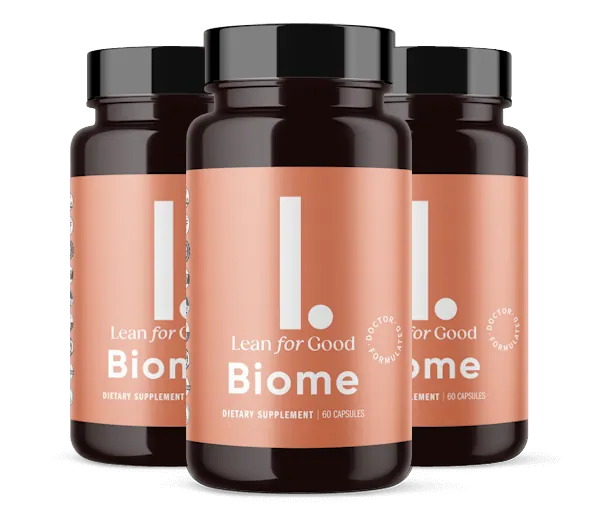
LeanBiome
Best multi-strain probiotic for belly fatA 9-strain probiotic capsule anchored by L. Gasseri + L. Rhamnosus — for people whose belly fat won't move and suspect the gut microbiome is part of the story.
Check the Latest Price →Avoid stimulant-heavy fat burners — caffeine raises cortisol and makes cortisol belly worse, even if it suppresses appetite short-term. For cortisol-driven weight specifically, gentle adaptogenic support beats aggressive thermogenics every time.
FAQs
What is cortisol belly?
Cortisol belly is abdominal fat accumulation driven primarily by chronically elevated cortisol — the stress hormone. When cortisol stays high (from chronic stress, poor sleep, or HPA-axis dysregulation), it specifically signals the body to store fat in the visceral abdominal compartment. It's distinct from diet-driven belly fat because it persists even with good eating habits if the underlying stress and cortisol elevation aren't addressed.
How do I know if my belly fat is from cortisol?
Signs that point to cortisol-driven belly fat: the fat is concentrated specifically at the abdomen (not hips/thighs), you're under chronic stress or have disrupted sleep, you experience afternoon energy crashes and sugar cravings, you wake up frequently at night (especially 2–4 AM), and the belly fat persists despite reasonable diet and exercise. If diet changes aren't moving the abdominal fat, cortisol is a likely contributor.
Does reducing stress actually reduce belly fat?
Yes — addressing the cortisol elevation can unlock weight loss that diet alone couldn't. Studies show that interventions reducing chronic cortisol (better sleep, stress management, adaptogenic support) reduce visceral fat over time. It's not instant, but it addresses a root cause that calorie restriction doesn't touch. The combination of cortisol reduction + reasonable diet outperforms diet alone for cortisol-driven belly fat.
What supplements lower cortisol for belly fat?
Adaptogens have the most relevant research: Ashwagandha (the most-studied, shown to reduce cortisol 14–28% in trials), Eleuthero (Siberian ginseng), Panax Ginseng, and Rhodiola. These don't suppress cortisol artificially — they help the HPA axis return to baseline faster after stress. Magnesium and L-theanine also support the stress response. Avoid stimulant-heavy fat burners — caffeine raises cortisol and makes the problem worse.
Why does cortisol cause belly fat specifically?
Visceral fat cells (the deep abdominal fat) have a higher density of cortisol receptors than subcutaneous fat. When cortisol is elevated, these receptors activate fat storage preferentially in the abdomen. Cortisol also raises blood sugar (mobilizing energy for 'fight or flight'), and the excess gets stored as visceral fat when the threat is psychological rather than physical. It's an evolutionary mismatch — your body stores survival fat for a famine that never comes.
Final Thoughts
Cortisol belly is the fat that diet alone can't touch — because it's driven by a hormonal loop, not by calories. Chronic stress raises cortisol, cortisol parks fat at your waist and wrecks your sleep, poor sleep raises cortisol further, and the cycle compounds. If your belly fat is concentrated, stubborn, and paired with stress and ragged sleep, this is likely your pattern.
Breaking it starts with sleep and stress management, supported by adaptogens that help your stress axis recover. The diet matters — but it's the second lever, not the first. Address the cortisol, and the belly fat that "wouldn't budge" often finally starts to move.
Ready to turn this into a shortlist? See ashwagandha for cortisol-driven weight gain and our HoneyBurn review.
Recommended Products
Reviewed by: The Supplement Post Editorial Team, Editorial Review — Last updated:
About Luciano Cesar
Luciano Cesar is a contributor at The Supplement Post, supporting the production of evidence-aware supplement reviews and buyer's guides across multiple health categories. His work spans ingredient analysis, formulation assessment and consumer-oriented summaries — what a label discloses, how the stated doses compare with the amounts used in published human research, and whether a formula's design matches what it claims to do. Every review is checked by The Supplement Post editorial team against the standards published in our editorial policy before it goes live.
Disclosure
All content on The Supplement Post is for informational purposes only and is not a substitute for professional medical advice, diagnosis, or treatment. Each product is a dietary supplement, not a prescription drug; statements about its benefits have not been evaluated by the U.S. Food and Drug Administration (FDA) and the product is not intended to diagnose, treat, cure, or prevent any disease.
Results may vary based on individual health status, consistency of use, and lifestyle. If you are pregnant or nursing, taking medication, or have a medical condition, consult a qualified healthcare professional before using any supplement.
This page may contain affiliate links—if you purchase through them, The Supplement Post may earn a small commission at no additional cost to you. References to third-party sites are provided for convenience; we do not control or guarantee their content.