
Why Food Alone Rarely Solves Prostate Inflammation -- Even When Your Diet Is Healthy
Tomatoes and garlic can support general wellness, but persistent urinary symptoms often come from localized prostate biology--where dosing, absorption, and targeted pathways matter more than "clean eating" alone.
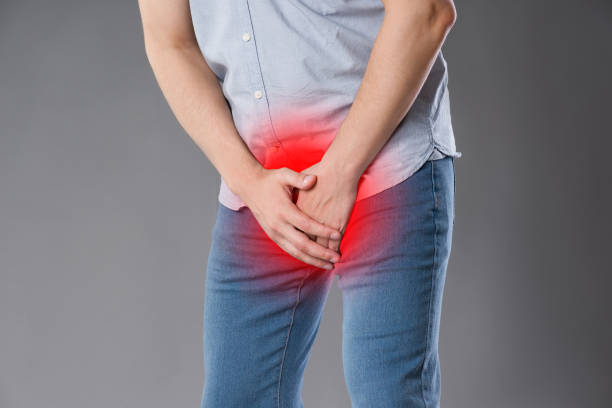
A practical explanation of why healthy eating can help overall inflammation balance yet still leave urgency, nighttime urination, and weak stream unchanged.
Key Insights
- Prostate inflammation symptoms often reflect localized pathways--tissue signaling, oxidative stress load, urinary mechanics, and hormone-related patterns--not just "diet quality."
- Whole foods provide beneficial compounds, but dose and absorption vary widely, making consistent prostate-relevant exposure hard to achieve.
- Prostate supplements are positioned as structured daily support using standardized extracts and formula synergy--still not quick fixes, and results vary.
In this guide:
- Quick Answer
- Why Men Start With Food (And Why It's Logical)
- Why Symptoms Persist Even After Diet Changes
- The Prostate Is a Local Environment, Not a "General Health" Issue
- The Real Limits of Food: Dose, Absorption, and Consistency
- Diet vs Supplements: What Each Approach Typically Targets
- What Modern Prostate Supplements Changed
- What to Look For in Evidence-Based Prostate Support
- When Medical Follow-Up Matters
- Final Verdict: Why Targeted Support Matters
- FAQs
Many men do the "right" things first--cleaner meals, fewer processed foods, better hydration--and still feel stuck with urgency, frequent nighttime urination, and a weaker stream. The reason isn't lack of discipline. It's that prostate symptoms often come from localized biology where consistency and pathway targeting matter. For more context, see our guide on what causes prostate inflammation.
Quick Answer
Why doesn't a healthy diet fix prostate symptoms?
Prostate symptoms often reflect localized tissue signaling, oxidative stress, and lower urinary tract mechanics -- not just general inflammation. Food provides beneficial compounds but with inconsistent dosing and indirect targeting. Targeted supplements use standardized extracts for more predictable, pathway-specific daily support.
Why Men Start With Food (And Why It's Logical)
When prostate discomfort or urinary changes show up, diet is usually the first lever men pull. It's practical, it's low-risk, and it aligns with a simple truth: nutrition shapes inflammation balance, oxidative stress load, and metabolic health.
Foods like tomatoes, garlic, onions, and leafy greens show up constantly in prostate discussions because they're associated with antioxidant compounds and inflammation-supportive signaling. For overall wellness, these choices are meaningful. Our guide on foods that worsen prostate symptoms covers the other side of the equation.
The frustration starts when you do all of that -- and the symptoms still have their own agenda.
Why Symptoms Persist Even After Diet Changes
If symptoms are driven by localized inflammation patterns inside prostate tissue, a "healthy diet" can help the background environment without fully resolving the bottleneck that's producing day-to-day urinary discomfort.
That bottleneck often expresses itself as:
- Frequent urination (especially at night)
- Urgency that feels disproportionate to bladder volume
- Weak stream, slow flow, or intermittent stopping/starting
- A lingering "not fully empty" sensation
Diet can reduce overall inflammatory load. But it doesn't guarantee consistent delivery of specific compounds at prostate-relevant levels--and it doesn't always address the specific pathways that keep symptoms active.
Quick takeaway
If you're eating well and symptoms persist, the issue is often not effort--it's specificity. Prostate discomfort frequently needs more targeted, consistent pathway support than food alone can reliably provide.
The Prostate Is a Local Environment, Not a "General Health" Issue
One reason food alone often underdelivers is that prostate symptoms aren't just "general inflammation." They're influenced by what's happening inside a localized organ environment and the lower urinary tract system around it.
Oxidative stress inside prostate tissue
Oxidative stress isn't just a buzzword--it's cellular pressure. In prostate tissue, ongoing oxidative load can contribute to irritation and less stable inflammatory signaling over time.
Hormone-related tissue signaling
Prostate tissue is sensitive to hormonal pathways that influence growth patterns and inflammatory tone. Diet supports the body broadly, but prostate-specific signaling can remain stubborn.
Mineral balance and enzymatic activity
Minerals influence enzymes and cellular signaling. Whole foods can help, but consistent intake and predictable utilization vary between individuals.
Blood flow and microcirculation
Circulation matters for tissue resilience and delivery of nutrients. When blood-flow-related factors are part of the picture, "healthy food" can be beneficial while still feeling insufficient for symptom-level comfort.
This is also why men comparing strategies often end up reading full breakdowns of structured prostate formulas like Prostadine, Prostavive, TC24, and Fluxactive Complete -- because those products are positioned around daily consistency and multi-pathway support, not just "eat better and hope."
The Real Limits of Food: Dose, Absorption, and Consistency
Whole foods are valuable. The limitation is that food isn't standardized--and prostate support often behaves like a consistency-driven category. Three issues appear repeatedly:
1) Dose varies dramatically
The amount of a specific compound in tomatoes, garlic, or onions can change based on farming, ripeness, storage, and preparation. Two men can follow similar diets and still get very different exposures.
2) Absorption isn't guaranteed
Even when a food contains helpful compounds, your body must absorb, convert, and deliver them. Digestion differences, medication timing, and metabolism can alter how much actually becomes bioavailable.
3) Prostate-level targeting is indirect
Diet supports the body broadly. Prostate discomfort is often narrow. When symptoms are already active, indirect support can feel too slow--or too inconsistent--to produce noticeable changes.
Diet vs Supplements: What Each Approach Typically Targets
Diet and supplements aren't competing strategies--they solve different parts of the problem. Diet supports the foundation; targeted formulas are positioned for repeatable dosing and pathway coverage.
| Approach | Main Strength | Typical Limitation | Best Use |
|---|---|---|---|
| Healthy diet (whole foods) | Systemic wellness support (metabolic health, inflammation load, micronutrients) | Inconsistent dose; indirect prostate targeting | Long-term foundation for overall health |
| Targeted supplements (standardized formulas) | Consistent dosing; synergy positioned for prostate pathways | Requires time + daily consistency; results vary; not a medical treatment | Structured daily support alongside diet |
| Hydration + habit strategy | Supports urinary mechanics and reduces trigger patterns | Benefits depend on adherence and individual triggers | Amplifies diet + supplement routines |
*Note: Supplements are best understood as supportive routines. If symptoms are worsening, painful, or unusual, medical follow-up matters.*
Quick takeaway
If your overall health improves but urinary symptoms stay stubborn, it often points to a need for consistent pathway support--where standardized extracts are positioned to help.
What Modern Prostate Supplements Changed
Modern prostate formulas didn't appear because food is "bad." They appeared because food rarely delivers consistent, prostate-relevant dosing for men already experiencing daily symptoms.
Most modern formulas are positioned around three principles:
Concentration
Standardized extracts aim to deliver more predictable amounts of specific plant compounds than food can reliably provide day to day.
Repeatable daily dosing
Prostate support is often a "slow-burn" category. When use is inconsistent, outcomes tend to be inconsistent. Daily design is part of the positioning.
Multi-pathway coverage
Prostate discomfort can involve inflammation signaling, oxidative stress, urinary mechanics, and circulation. Multi-ingredient formulas are positioned to support more than one pathway at once.
In that context, products like Prostadine and Prostavive are often explored as structured daily support--not as quick symptom suppression.
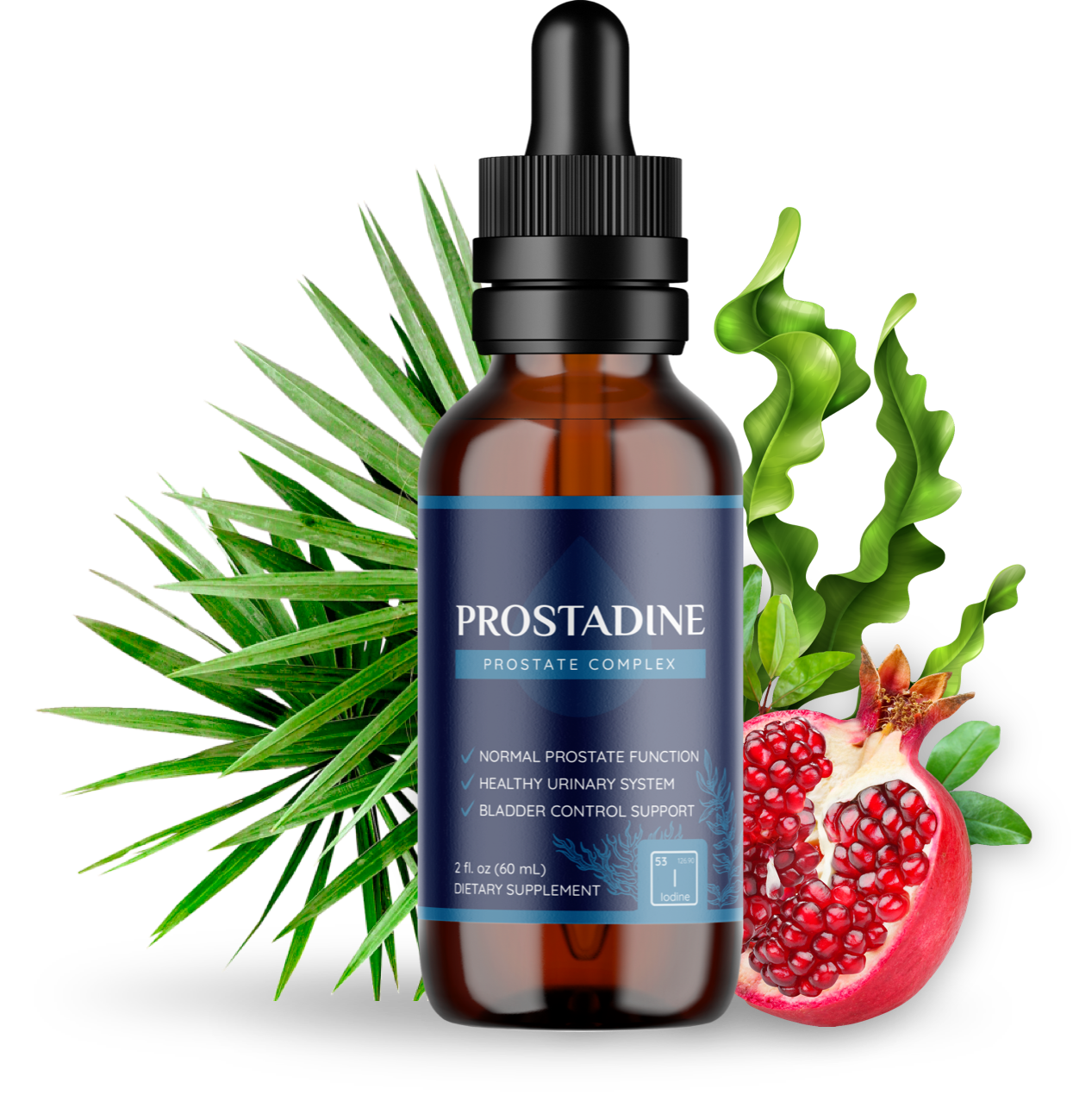
Prostadine
Positioning: A daily prostate support formula built around consistent dosing, often discussed for age-related prostate decline and long-term prostate comfort.
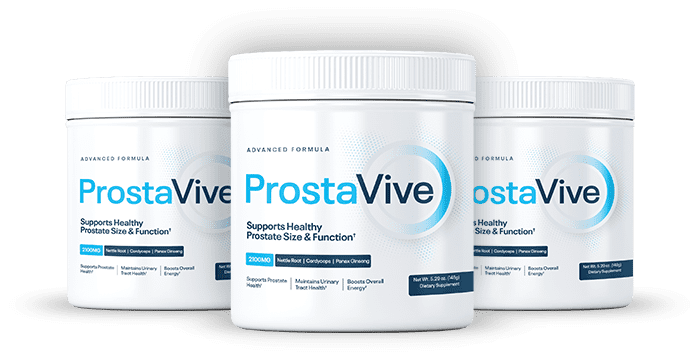
Prostavive
Positioning: Often discussed as a structured, multi-pathway approach for men who want daily prostate support framed around consistency and realistic timelines.
What to Look For in Evidence-Based Prostate Support
The most useful filter isn't "Is it natural?"--it's whether the product is designed like a structured prostate support tool. Men who feel more confident in their choice typically look for:
Standardized ingredients
Standardization suggests repeatability. If the goal is consistent daily support, the dose can't be a moving target.
Daily design (not "as needed")
Prostate inflammation patterns and urinary symptoms usually respond to time and consistency. "Daily" aligns better with how symptoms build and persist.
Clear pathway framing
Look for a formulation strategy that speaks to urinary comfort, inflammation balance, oxidative support, and long-term tissue environment--not just generic "immune support" claims.
To compare approaches quickly, you can review full breakdowns of Prostadine and Prostavive -- then use the official sites to see how each brand frames dosage and daily use expectations.
When Medical Follow-Up Matters
Diet and supplements can support comfort and long-term prostate environment, but they shouldn't delay evaluation when symptoms are strong, worsening, or unusual. Consider medical follow-up if you notice:
- Sudden changes in urination patterns (rapid worsening)
- Urinary pain, fever, or signs of infection
- Blood in urine
- Inability to urinate or severe retention
- Persistent symptoms that interfere with sleep and daily function
Quick reminder
Support strategies can be valuable, but they aren't substitutes for clinical evaluation. If symptoms are severe or changing quickly, it's worth getting clarity on the cause.
Final Verdict: Why Targeted Support Matters More Than Diet Alone
If food alone were enough, prostate discomfort wouldn't be one of the most common complaints among aging men. A healthy diet remains the foundation -- but when symptoms persist, targeted supplements exist for practical reasons: standardized ingredients, repeatable dosing, and multi-pathway design built for daily routines.
The most realistic strategy is combination: nutrition and hydration habits, plus a structured formula that matches the pathways you're trying to support. For related reading, see how natural prostate support compares with miracle cures, and explore the best prostate supplements for structured daily support.
FAQs
Can a healthy diet reduce prostate inflammation symptoms?
A healthy diet can support the body's overall inflammatory balance and oxidative stress load, which may help the broader prostate environment. But symptoms like urgency, nighttime urination, and weak stream are often localized and pathway-driven--so diet alone can be helpful yet still insufficient for consistent symptom relief.
Why do urinary symptoms persist even after diet improvements?
Urinary symptoms can reflect localized prostate tissue signaling, swelling patterns, and lower urinary tract mechanics. Food intake is also non-standardized--dose and absorption vary--so even clean eating may not create consistent, prostate-relevant exposure to the compounds that matter most.
Are supplements better than food for prostate support?
They're not a replacement for diet. Supplements are typically positioned as structured daily support because they use standardized extracts and repeatable dosing--making it easier to target prostate-related pathways consistently. Results vary, and supplements are not intended to diagnose, treat, cure, or prevent disease.
When should I see a doctor about prostate inflammation symptoms?
Seek medical guidance if symptoms worsen rapidly, become painful, come with fever, show blood in urine, or if you cannot urinate. Supportive routines can be helpful, but they shouldn't delay evaluation when warning signs appear.
Recommended Products
If you want to compare popular options men commonly consider for structured daily prostate support, these are frequently discussed. Use the full reviews for deeper positioning--and the official links for pricing and bundle details.
About
Luciano Cesar is a contributor at The Supplement Post, supporting the production of evidence-aware supplement reviews and buyer's guides across multiple health categories. His work spans ingredient analysis, formulation assessment and consumer-oriented summaries — what a label discloses, how the stated doses compare with the amounts used in published human research, and whether a formula's design matches what it claims to do. Every review is checked by The Supplement Post editorial team against the standards published in our editorial policy before it goes live.
Disclosure
All content on The Supplement Post is for informational purposes only and is not a substitute for professional medical advice, diagnosis, or treatment. Each product is a dietary supplement, not a prescription drug; statements about its benefits have not been evaluated by the U.S. Food and Drug Administration (FDA) and the product is not intended to diagnose, treat, cure, or prevent any disease.
Results may vary based on individual health status, consistency of use, and lifestyle. If you are pregnant or nursing, taking medication, or have a medical condition, consult a qualified healthcare professional before using any supplement.
This page may contain affiliate links—if you purchase through them, The Supplement Post may earn a small commission at no additional cost to you. References to third-party sites are provided for convenience; we do not control or guarantee their content.