
Myth Check
Does Testosterone Fix Erectile Dysfunction? Why Desire and Blood Flow Aren't the Same Problem
It's the most common wrong turn in men's health: erections get softer, so you reach for a testosterone booster. Sometimes it helps — but often men feel more desire and still can't get firm, and wonder what went wrong. The reason is that desire and erections run on two different systems. Here's how to tell which one is actually your problem.

First — the two systems men keep confusing
Think of it as the "want" and the "how." Testosterone runs the want: your drive, your desire, your interest in sex. Blood flow — powered by nitric oxide — runs the how: the physical mechanics of getting and keeping an erection. They're related, but they're not the same system, and either one can be the weak link. The whole confusion around testosterone and erections comes from treating them as one thing.
The key point If you want sex but can't get firm, that's not a testosterone problem — that's a plumbing problem. And more testosterone doesn't open a blood vessel. Luciano Cesar, Content Contributor
By the numbers
Desire
what testosterone actually governs — the "want"
Blood flow
what an erection actually is — the "how," run by nitric oxide
Most men
with erection issues have near-normal testosterone
from wks
how long nitric oxide support takes to build
Why testosterone boosters disappoint for firmness
A testosterone booster can genuinely lift your desire and energy — that part is real. But desire isn't the thing failing when you can't stay firm. The erection itself depends on nitric oxide relaxing and widening your blood vessels so blood can flow in and stay. Testosterone doesn't do that job. So a man with a real circulation problem can raise his testosterone, feel more interested than he has in years, and still be frustrated in the moment — because he treated the "want" and left the "how" untouched.
The overlap that trips people up
Here's the situation from the verdict. The two systems do connect at the extremes: genuinely low testosterone can drag down both desire and some of the signaling behind erections, so in men who are truly low, addressing testosterone can help on both fronts. That's the exception that keeps the myth alive. The trap is assuming you're that man. Most men with erection complaints have roughly normal testosterone and a blood-flow problem — so if your desire is intact, testosterone is probably not your lever. If your desire has genuinely faded, that's worth a test, and a testosterone approach may fit. Two different problems, two different tools.
Which fix you actually need
Run the simple check: do you still want sex? If yes but the firmness isn't there, your problem is circulation — and the answer is nitric oxide support, not testosterone. Dietary nitrate from beetroot and L-citrulline both raise nitric oxide and improve the blood flow erections depend on. If instead your desire has clearly dropped, get your testosterone checked and treat that system instead.
The pick for the circulation side
If the check points you to blood flow rather than desire, this is where we'd start — a dual-pathway nitric oxide formula built for exactly that.
Nitric Boost Ultra
Best for the blood-flow side of erections
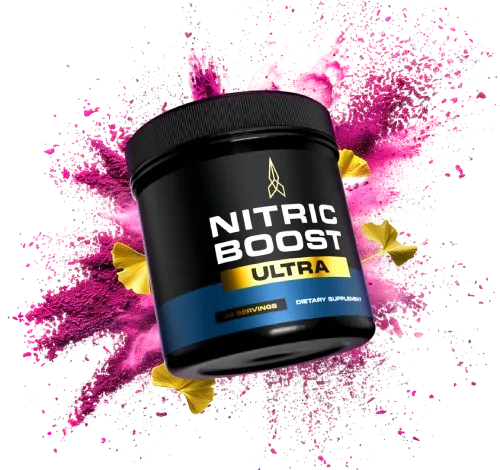
Nitric Boost Ultra targets the circulation side directly — pairing beetroot's dietary nitrate with L-citrulline to raise nitric oxide through both pathways your body uses. That's the lever for firmness when desire is already intact. Gradual support over a few weeks, not an on-demand pill.
Go deeper: how nitric oxide affects erections and what supplements work like Viagra.
This is a supplement, not a medication — not intended to diagnose, treat, cure, or prevent any disease. See a doctor for sudden or severe symptoms, or to test your testosterone if desire has genuinely dropped.
Frequently asked questions
Does testosterone fix erectile dysfunction?
Not usually, on its own. Testosterone drives libido — your desire for sex — while an erection is a blood-flow event powered by nitric oxide. If your desire is intact but you can't get or stay firm, the problem is almost always circulation, and more testosterone won't fix it. Testosterone helps when the real issue is low desire, not when it's a mechanical, blood-flow problem.
Does low testosterone cause erectile dysfunction?
It can contribute, mainly by lowering desire, and very low testosterone can indirectly affect the signaling behind erections. But most men with erection problems have roughly normal testosterone and a circulation issue instead. That's why testing your testosterone is worthwhile if desire is genuinely low — but assuming low T is the cause of every soft erection sends a lot of men down the wrong path.
Does testosterone increase blood flow?
Not directly the way nitric oxide does. Nitric oxide is the molecule that relaxes and widens blood vessels so blood flows into an erection. Testosterone influences desire and some downstream signaling, but it isn't the lever that opens your blood vessels. For the blood-flow side, you want nitric oxide support — from dietary nitrate (beetroot) and L-citrulline.
Can you have high libido but weak erections?
Yes — and it's the classic sign that your problem is circulation, not testosterone. When you clearly want sex but the firmness isn't there, the desire system (testosterone) is working and the mechanical system (blood flow / nitric oxide) is not. That combination points you toward nitric oxide support rather than a testosterone booster.
What actually helps erections if it's a circulation problem?
Nitric oxide support. Dietary nitrate from beetroot and the amino acid L-citrulline both raise nitric oxide, which improves the blood flow erections depend on — gradually, over a few weeks. Formulas that combine both pathways, like our top-rated Nitric Boost Ultra, target the circulation side directly. If desire is the real issue, that's when a testosterone approach makes sense instead.
When should I see a doctor?
See a doctor if erectile problems are sudden, severe, or persistent, or come with chest pain — erectile dysfunction can be an early warning sign of cardiovascular disease. It's also worth getting your testosterone tested if your desire has genuinely dropped, so you treat the right system instead of guessing.