
Erectile Dysfunction and Nitric Oxide: How Circulation Drives It, Not Just Age
A nitric-oxide-first explanation of ED: why blood flow matters, what reduces NO over time, and how natural support is positioned around vascular function and endurance.

Many ED patterns trace back to circulation and nitric oxide -- two factors that often change how men evaluate long-term support options.
Key Insights
- Erectile function is highly sensitive to blood flow and vessel signaling -- nitric oxide (NO) is a core part of that process.
- Stress, inflammation, poor sleep, and sedentary habits can reduce NO availability over time, which may affect performance and confidence.
- Natural support is often positioned around restoring the pathway (circulation, endothelial function, endurance) rather than "forcing" an immediate outcome.
Erectile dysfunction and circulation are more closely linked than most men realize. ED often follows a practical storyline: blood flow, vessel signaling, stress load, sleep quality, and nitric oxide availability. This guide explains the biology in plain terms -- and how nitric oxide support supplements are positioned in the supplement world.
Quick Answer
How does nitric oxide affect erectile function?
Nitric oxide signals blood vessels to relax and widen, enabling the increased blood flow required for erections. When NO availability drops due to stress, inflammation, poor sleep, or inactivity, vascular responsiveness declines -- and erectile function often follows.
In this guide:
- Quick Answer
- Why ED Is Often About Circulation (Not Just Age)
- What Nitric Oxide Does in the Body
- Why Nitric Oxide Tends to Drop Over Time
- Root Cause Support vs. Symptom-First Thinking
- Lifestyle Levers That Support the NO Pathway
- Supplements Commonly Considered for NO and Circulation
- How These Supplements Are Positioned
- Safety, Red Flags, and When to Talk to a Clinician
- Final Verdict
- FAQs
Why ED Is Often About Circulation (Not Just Age)
Erectile function depends on a coordinated blood flow response. That response requires blood vessels to relax at the right time, deliver sufficient circulation to penile tissues, and maintain pressure long enough for firmness and stability.
Age can be part of the picture, but age itself is not a mechanism. The more useful question is what tends to change with age: vascular flexibility, inflammation levels, recovery and sleep, metabolic stress, and overall endothelial function (how well the inner lining of blood vessels responds to signals).
When men reframe ED as a circulation-and-signaling issue, the conversation often becomes less about "instant fixes" and more about improving the underlying system that supports performance. For a broader overview of men's vascular health, see our guide on hormonal balance and sexual performance.
What Nitric Oxide Does in the Body
Nitric oxide (NO) is a signaling molecule that helps blood vessels relax and widen. When NO is available and the vessel lining responds properly, circulation improves. This is one of the central biological steps needed for healthy erectile function.
In simple terms: NO helps the "open the pipes" message travel through the vascular system. That is why men researching ED and blood flow frequently see references to nitric oxide, endothelial health, and vascular support.
Why "NO levels" can be misunderstood
Men often think of NO as a single number you either have or do not. In reality, NO effectiveness depends on multiple layers: how well the body produces it, how quickly it gets used up by oxidative stress, and how responsive blood vessels are to the signal.
Why Nitric Oxide Tends to Drop Over Time
NO is not only influenced by age. It is influenced by "daily biology" -- how the body handles stress, inflammation, sleep debt, inactivity, and metabolic strain. Over time, these factors can reduce NO availability and weaken vascular responsiveness.
Common contributors include:
- Chronic stress load (sympathetic dominance can work against relaxation and recovery)
- Inflammation and oxidative stress (can reduce NO bioavailability)
- Poor sleep (recovery, hormonal signaling, and vascular function are sleep-sensitive)
- Sedentary routine (regular movement supports healthy endothelial function)
- Diet patterns (vascular support tends to track with overall metabolic health)
What this means for ED support
When NO availability is lower, the body may still "want" to respond, but the vascular pathway is less cooperative. That is why many natural strategies focus on circulation support, not stimulation.
Root Cause Support vs. Symptom-First Thinking
A common mistake in ED research is to assume the goal is to force an outcome. A more sustainable framework is to support the underlying physiology that makes the outcome easier: blood flow signaling, vascular flexibility, endurance, and recovery.
This is where nitric oxide becomes a "root cause" concept. It is not a guarantee, and it is not a medical treatment. But it is a rational biological target for men who want to support circulation and performance foundations over time. Learn more about supplements for erectile dysfunction.
What "natural support" typically tries to do
- Support nitric oxide signaling and vascular relaxation pathways
- Encourage endurance and performance confidence through circulation support
- Reduce barriers (stress load, inflammation balance, recovery issues) that can interfere with vascular response
Lifestyle Levers That Support the NO Pathway
Supplements are typically positioned as "support," not replacement. If a man wants to improve the NO pathway, basic lifestyle levers are often the difference between a short experiment and a meaningful system change.
Four pillars that tend to matter most
- Movement: consistent activity supports endothelial responsiveness and circulation efficiency
- Sleep: recovery quality influences vascular health, stress resilience, and performance consistency
- Stress management: chronic stress can keep the body in a "tight" state, working against relaxation
- Inflammation balance: dietary patterns and recovery routines can influence NO availability indirectly
This is not about perfection. It is about reducing the "NO blockers" that quietly build up over months or years -- and then show up as performance inconsistency. Our article on ashwagandha for erectile function covers complementary adaptogenic approaches.
Supplements Commonly Considered for Nitric Oxide and Circulation Support
Men exploring nitric oxide support usually are not looking for a single ingredient. They tend to look for formulas positioned around vascular support, endurance, and performance confidence -- especially when stress, sleep, or sedentary habits are part of the picture.
In that context, the products most frequently discussed include:
These products are generally positioned as daily support tools -- aimed at improving the vascular environment and nitric-oxide-related signaling, rather than "forcing" an immediate response.
How These Supplements Are Positioned
Nitric-oxide-focused supplements usually share a common theme: support circulation, encourage endothelial function, and improve "readiness" over time. The table below summarizes how the three products are typically positioned from a user-intent perspective.
| Supplement | Primary Positioning | Typical Use Context | Best Fit For |
|---|---|---|---|
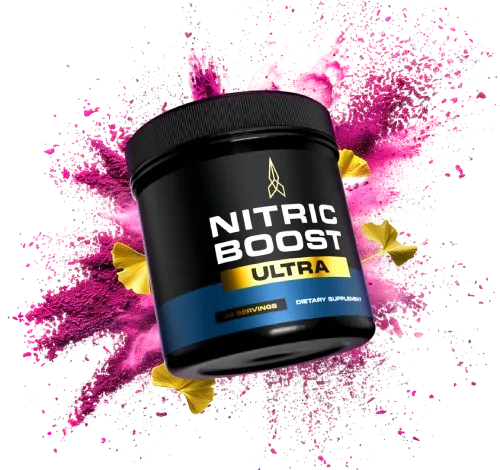
| Nitric Boost Ultra | Nitric oxide support for circulation and vascular responsiveness | Performance confidence + circulation-first ED research | Men who want a NO-centered approach and consistent daily support |
| EndoPump | Endurance and blood flow support (pump-style positioning) | Active men or men pairing support with training and recovery habits | Men who connect circulation support with stamina and overall performance |
| TitanFlow | Vascular function + male performance support (broad positioning) | Long-term "root cause" support framing, especially with lifestyle changes | Men who want a circulation-focused formula as part of a bigger plan |
*Note: These products are generally positioned as supportive tools for circulation and nitric oxide pathways. Individual responses vary, and supplements are not a substitute for medical care.*
Safety, Red Flags, and When to Talk to a Clinician
ED can be multifactorial. In many men, it overlaps with stress, sleep, and lifestyle -- but it can also be an early signal that cardiovascular risk factors should be taken seriously.
When medical follow-up is especially important
- ED appears suddenly or worsens rapidly without a clear lifestyle explanation
- There is chest discomfort, shortness of breath, or unusual fatigue with exertion
- There are known cardiovascular concerns (blood pressure, cholesterol issues, diabetes, or smoking history)
- There are medication questions or interactions to consider
Supplements can be a supportive layer, but the safest approach is to treat persistent ED as "health information," not just a performance issue.
Final Verdict: ED Is a Circulation Conversation, Not Just an Age Problem
Many men feel stuck because ED is framed as a problem to "solve" quickly. A more realistic frame is to strengthen the system that supports erectile function: circulation, nitric oxide signaling, recovery, and stress balance.
When men understand nitric oxide biologically, the research process becomes clearer. They start looking for support that aligns with vascular function and endurance -- not just short-term symptom thinking.
If you want to explore this pathway further, comparing nitric-oxide-focused formulas side-by-side can help you find a fit that matches your goals and routine. Start with our best nitric oxide supplement for ED comparison.
FAQs
Can nitric oxide supplements help with erectile dysfunction?
Nitric oxide supplements may support vascular function and blood flow, which are key factors in erectile function. They are not medical treatments and individual results vary. Men with ED should consult a healthcare provider.
What reduces nitric oxide in the body?
Chronic stress, poor sleep, sedentary habits, inflammation, oxidative stress, and poor diet can all reduce nitric oxide availability and vascular responsiveness over time.
How long do nitric oxide supplements take to show results?
Most NO-support formulas are positioned for weeks to months of consistent daily use. Early improvements in energy or circulation awareness may appear sooner, but meaningful vascular support is a long-term process.
Can lifestyle changes improve nitric oxide levels naturally?
Yes. Regular movement, quality sleep, stress management, and an anti-inflammatory diet all support the body's ability to produce and use nitric oxide more efficiently.
When should I see a doctor about erectile dysfunction?
Seek medical advice if ED appears suddenly, worsens rapidly, is accompanied by chest discomfort or unusual fatigue, or if you have known cardiovascular risk factors such as high blood pressure, diabetes, or a smoking history.
Reviewed by: The Supplement Post Editorial Team, Editorial Team -- Last updated:
Recommended Products


About Luciano Andreoti
Luciano Andreoti is a contributor at The Supplement Post, supporting the production of evidence-aware supplement reviews and buyer's guides across multiple health categories. His work spans ingredient analysis, formulation assessment and consumer-oriented summaries — what a label discloses, how the stated doses compare with the amounts used in published human research, and whether a formula's design matches what it claims to do. Every review is checked by The Supplement Post editorial team against the standards published in our editorial policy before it goes live.
Disclosure
All content on The Supplement Post is for informational purposes only and is not a substitute for professional medical advice, diagnosis, or treatment. Each product is a dietary supplement, not a prescription drug; statements about its benefits have not been evaluated by the U.S. Food and Drug Administration (FDA) and the product is not intended to diagnose, treat, cure, or prevent any disease.
Results may vary based on individual health status, consistency of use, and lifestyle. If you are pregnant or nursing, taking medication, or have a medical condition, consult a qualified healthcare professional before using any supplement.
This page may contain affiliate links—if you purchase through them, The Supplement Post may earn a small commission at no additional cost to you. References to third-party sites are provided for convenience; we do not control or guarantee their content.