
Buyer's Guide
Best Testosterone Booster for Men Over 40 (2026): What Works After 40 and 50, and Who Each One Fits
Testosterone support after 40 comes down to stress, signaling and the basics working together. Here is how to pick a formula that covers them, and which of our three picks fits which man.

Why look for testosterone support after 40?
Most men who search for this are not in a crisis. They want more of what they remember: energy that lasts past three in the afternoon, a workout that doesn't need two days to recover from, and drive that shows up on its own. That is a reasonable thing to want, and a reasonable thing to work on.
Testosterone is one part of that picture. Stress, sleep and training load shape how much your body makes and uses. That is good news, because each of them has a lever you can support, from ashwagandha for stress to zinc and magnesium for the basics.
The key point A testosterone booster works through several levers at once: stress, signaling and the basics. That is why a formula that covers them gives you more ways to respond. Luciano Cesar, Content Contributor
By the numbers
600 mg
of KSM-66 ashwagandha a day in Testosil
from wk 3
when all three formulas report their first signals
Lifetime
money-back guarantee on Testosil, long enough for a fair trial
20 mg
of zinc printed on PotentVital's label
What should you look for in a testosterone booster?
Labels rarely say which formula fits which man, so five checks help you judge one:
- Ingredients with human trials. Ashwagandha, fenugreek and tongkat ali all have randomized research in men.
- A dose you can read. When every amount is printed, you can compare it with what the studies used.
- More than one lever. Stress, signaling and absorption each play a part, so a formula covering several gives you more ways to respond.
- A guarantee longer than the trial. First signals show from week 3 and build from there, so the refund window should let you judge fairly.
- A clean base. No stimulants means what you feel is the formula, not a caffeine lift.
Do testosterone boosters work? What the research shows
The best-supported ingredients are botanicals with randomized trials in men, and ashwagandha, fenugreek and tongkat ali lead the list.
The Evidence
- Ashwagandha lowers cortisol and lifts testosterone in men. A 2026 systematic review and meta-analysis by Fornalik and colleagues pooled 23 randomized trials and 1,706 people. Cortisol fell, and testosterone rose in men.
- Ashwagandha and fenugreek lead the field. Skrzypiec-Spring and colleagues, in a 2025 review of testosterone-boosting supplements, picked these two extracts as the best documented for raising testosterone in men.
- Tongkat ali adds a second route. Leisegang and colleagues, in a 2022 meta-analysis of randomized trials, found higher total testosterone in men taking it.
Each ingredient works a different part of the process. That is why a formula built around several of them has more ways to help.
Which testosterone booster fits which man over 40?
The right pick depends on the complaint that sent you searching. Our Testosil review and PotentVital review go through each label line by line, and the Vigor Jelly review does the same for the gummy. Each pick below names the man it fits and the one it doesn't.
Testosil
Low energy and weaker gym performance, with KSM-66 ashwagandha at 600 mg a day
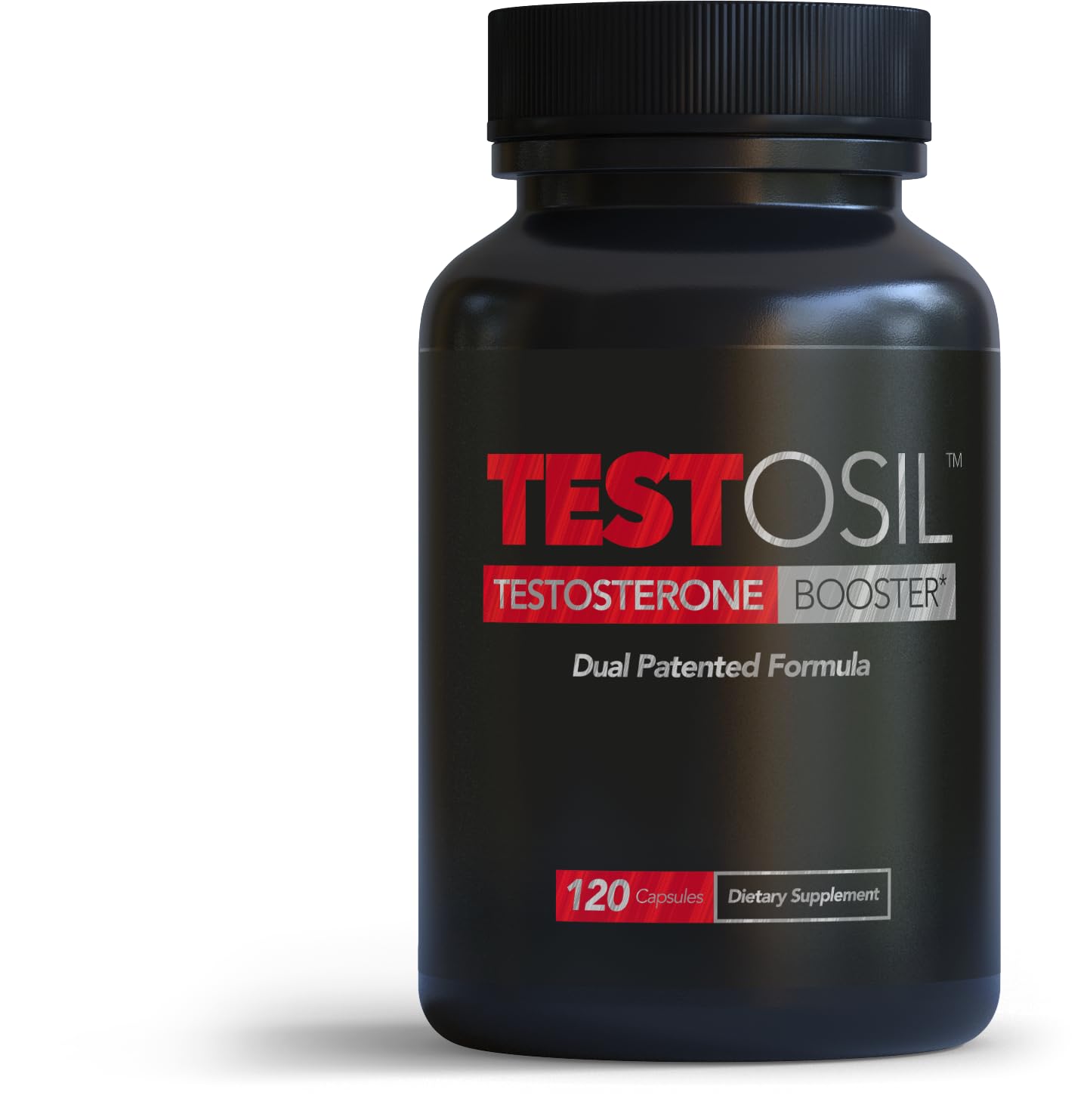
For the man whose energy and gym numbers have flattened, Testosil is built to support both. The lead is KSM-66 ashwagandha at the full 600 mg a day, with fenugreek, D-aspartic acid and AstraGin beside it. Zinc, magnesium and vitamin D3 cover the base. There are no stimulants, and the lifetime guarantee lets you run a full trial without a deadline.
Look elsewhere if: You want a label that prints zinc and Tribulus by the milligram, with tongkat ali alongside. PotentVital is built that way.
PotentVital
Low drive and flat energy, with zinc, magnesium and Tribulus printed by the milligram
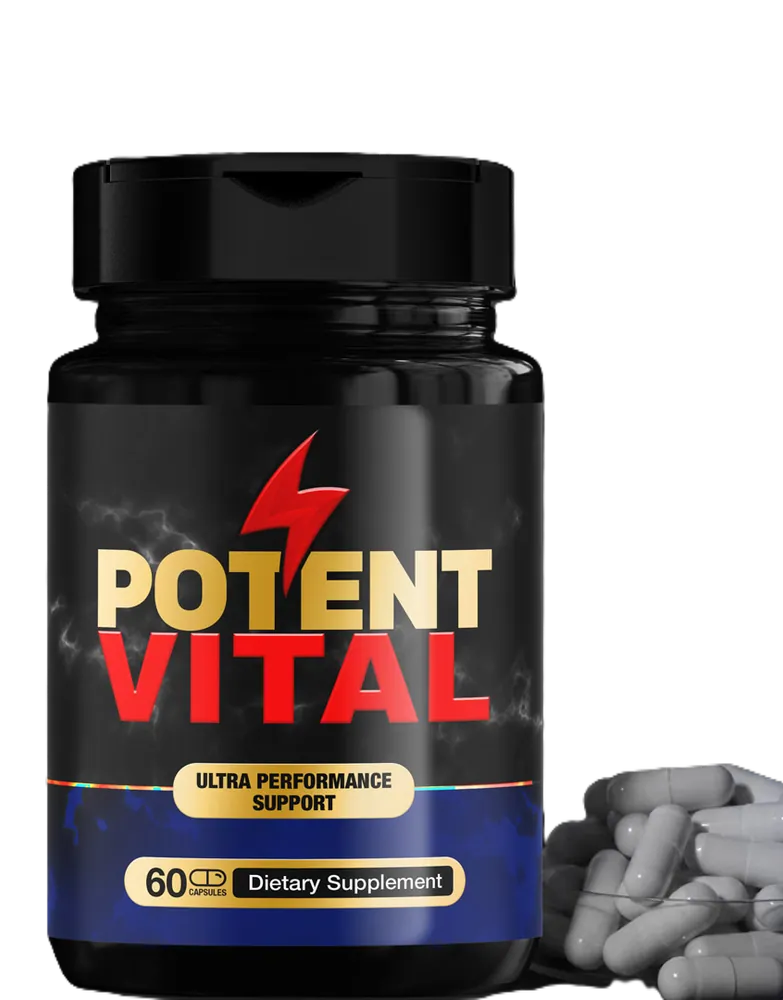
For the man who wants to see every dose before he swallows anything, PotentVital prints them: zinc at 20 mg and Tribulus at 500 mg by the milligram, with magnesium, tongkat ali, horny goat weed and saw palmetto in the formula. It is aimed at low drive and flat energy, and it adds a prostate-support angle that many men over 40 want in the same capsule.
Look elsewhere if: Stress and slipping gym performance are your main complaints. Testosil's 600 mg of KSM-66 ashwagandha is aimed right there.
Vigor Jelly
The afternoon that runs out of energy, in one orange gummy with Tongkat Ali 200 mg
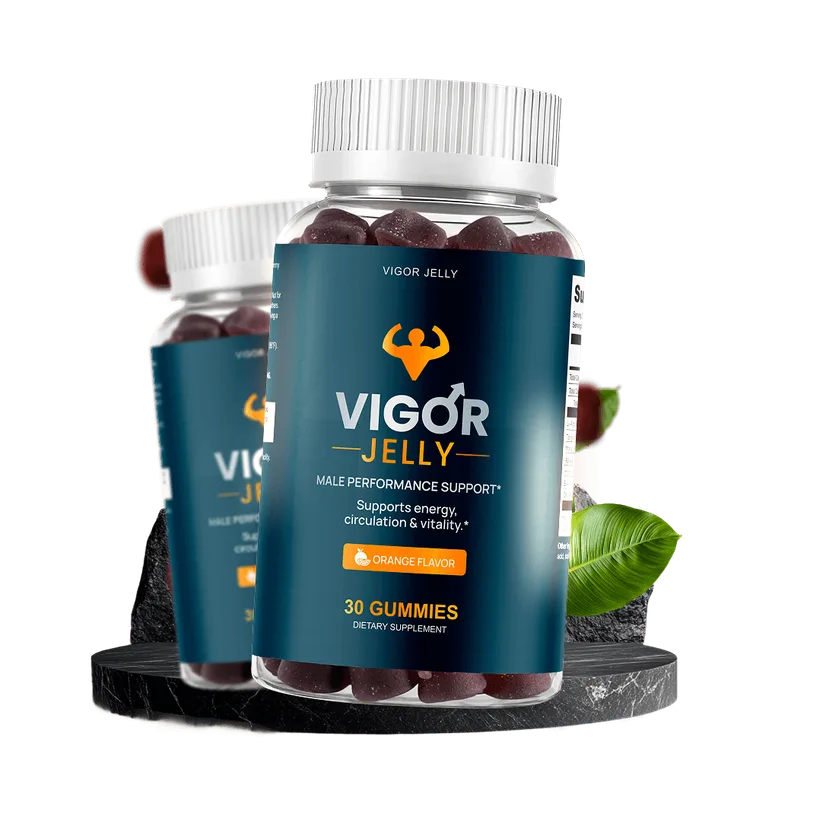
Vigor Jelly suits the man whose energy is fine at nine and gone by three. Tongkat Ali at 200 mg leads, with ashwagandha at 100 mg for the everyday stress load and maca at 100 mg beside it, plus beet root and L-arginine for circulation. It is one orange gummy chewed each morning, with no water and no stimulant, and the three o'clock dip tends to need less coffee from around week 3.
Look elsewhere if: you would rather take capsules than a gummy, or you want a jolt on day one, since this one builds with the routine.
Testosil vs PotentVital vs Vigor Jelly: how do the three compare?
Same goal, three different routes. All three are stimulant-free: two capsules and one gummy.
| What you care about | Testosil | PotentVital | Vigor Jelly |
|---|---|---|---|
| Lead compounds | KSM-66 ashwagandha 600 mg/day | Tribulus 500 mg, zinc 20 mg | Tongkat Ali 200 mg, ashwagandha 100 mg |
| Best for | Low energy, weaker gym performance | Low drive, flat energy | The afternoon that runs out |
| Format | Capsules, daily | Capsules, 2 a day | Gummy, 1 each morning |
| When you'd notice | from wk 3 | from wk 3 | from wk 3 |
| Money-back window | Lifetime | 60 days | 60 days |
| Where to buy | Site → | Site → | Site → |
What is the best testosterone booster for men over 40?
What is the best testosterone booster for men over 40? For most men, Testosil is the pick we'd start with. It leads with ashwagandha at the full 600 mg, adds fenugreek and D-aspartic acid, and backs the trial with a lifetime guarantee.
PotentVital is the sensible choice if your main complaint is low drive and you like a label that prints zinc and Tribulus doses. If the slump arrives mid-afternoon and you would rather chew one gummy than swallow capsules, Vigor Jelly puts Tongkat Ali at 200 mg in a morning routine. All three fit a man in his forties or fifties who wants to support his own production before thinking about anything stronger.
Is a testosterone booster worth trying after 40?
Is a testosterone booster worth trying after 40? Yes, for a man who wants more drive, energy and recovery from a formula built on ingredients with human trials behind them.
Picture the second set that moves like the first. Picture a Monday meeting that doesn't need a third coffee, or a weekend plan that still sounds good at four in the afternoon. Those are the small wins men describe when support is working, and they are worth wanting.
Here is the honest frame. A booster is a potentiator, not a switch. It adds to how you sleep, how you handle stress and how you train. It supports the systems that make and use testosterone, and it works best when those basics are in place.
The attempt is worth making because the ground isn't empty. Fornalik and colleagues' 2026 meta-analysis found lower cortisol and higher testosterone in men taking ashwagandha. Skrzypiec-Spring's 2025 review named ashwagandha and fenugreek as the best documented extracts, and Leisegang's 2022 meta-analysis points the same way for tongkat ali. Together they make the mechanism real and the attempt informed.
Your result is yours, not an average. A man of forty-five who sleeps well and trains steadily will read a different change than a man of fifty-eight who does neither, on the same formula and over the same weeks. That is the reason to give it a full trial before you decide, and why the guarantee window matters as much as the label.
Frequently asked questions
What is the best testosterone booster for men over 40?
For most men, Testosil: KSM-66 ashwagandha at 600 mg a day, with fenugreek, D-aspartic acid and zinc, no stimulants and a lifetime money-back guarantee. PotentVital is the alternative for the man who wants zinc and Tribulus printed by the milligram and a prostate-support angle in the same capsule, and Vigor Jelly is the gummy for the man whose energy runs out by mid-afternoon.
Which ingredients have the most research for testosterone support?
Ashwagandha has the largest body of randomized trials in men. A 2026 meta-analysis of 23 trials found lower cortisol and higher testosterone in men taking it. A 2025 review also singled out fenugreek, and a 2022 meta-analysis supports tongkat ali for total testosterone.
Testosil or PotentVital: which should I choose?
Choose Testosil if low energy and weaker gym performance are the main complaints and stress is part of the picture. Choose PotentVital if low drive is the main complaint and you like a label that prints zinc and Tribulus doses. Choose Vigor Jelly if the afternoon is where your energy runs out and you prefer a gummy. All three are stimulant-free, with first signals from about week 3.
Does a testosterone booster work differently after 50?
The approach is the same: support stress, sleep, zinc and magnesium, and give the formula time. What changes is the baseline each man starts from, which is why the response varies. A man in his fifties who sleeps well and trains consistently can respond better than a younger man who does neither.
Who should not take a testosterone booster?
Men with diagnosed hypogonadism need medical treatment, not supplements. Men with prostate cancer or a history of hormone-sensitive cancer, thyroid disorders, or men taking lithium, sedatives or thyroid medication should speak with a doctor first. Avoid stacking Testosil with another ashwagandha product, and men under 25 should skip these products.
When should I see a doctor about low testosterone?
If low energy, low libido, mood changes or strength loss last more than 3 months, get blood work before relying on any supplement, especially under age 50. A doctor can confirm whether testosterone is clinically low, commonly below about 300 ng/dL, and rule out sleep apnea, thyroid or pituitary problems. Zitzmann and colleagues' 2026 review in Maturitas lays out that work-up for aging men. Supplements support healthy production; they do not replace an evaluation.