
The Best Prostate Supplement for Men Over 60 in 2026.
We analyzed what actually matters in a prostate supplement designed for the multi-symptom presentation common after 60 — the comprehensive coverage, the antioxidant layer, the long guarantee. Here's what we found.
See Top Pick — ProstaPeak → Or read the 5-criteria review first ↓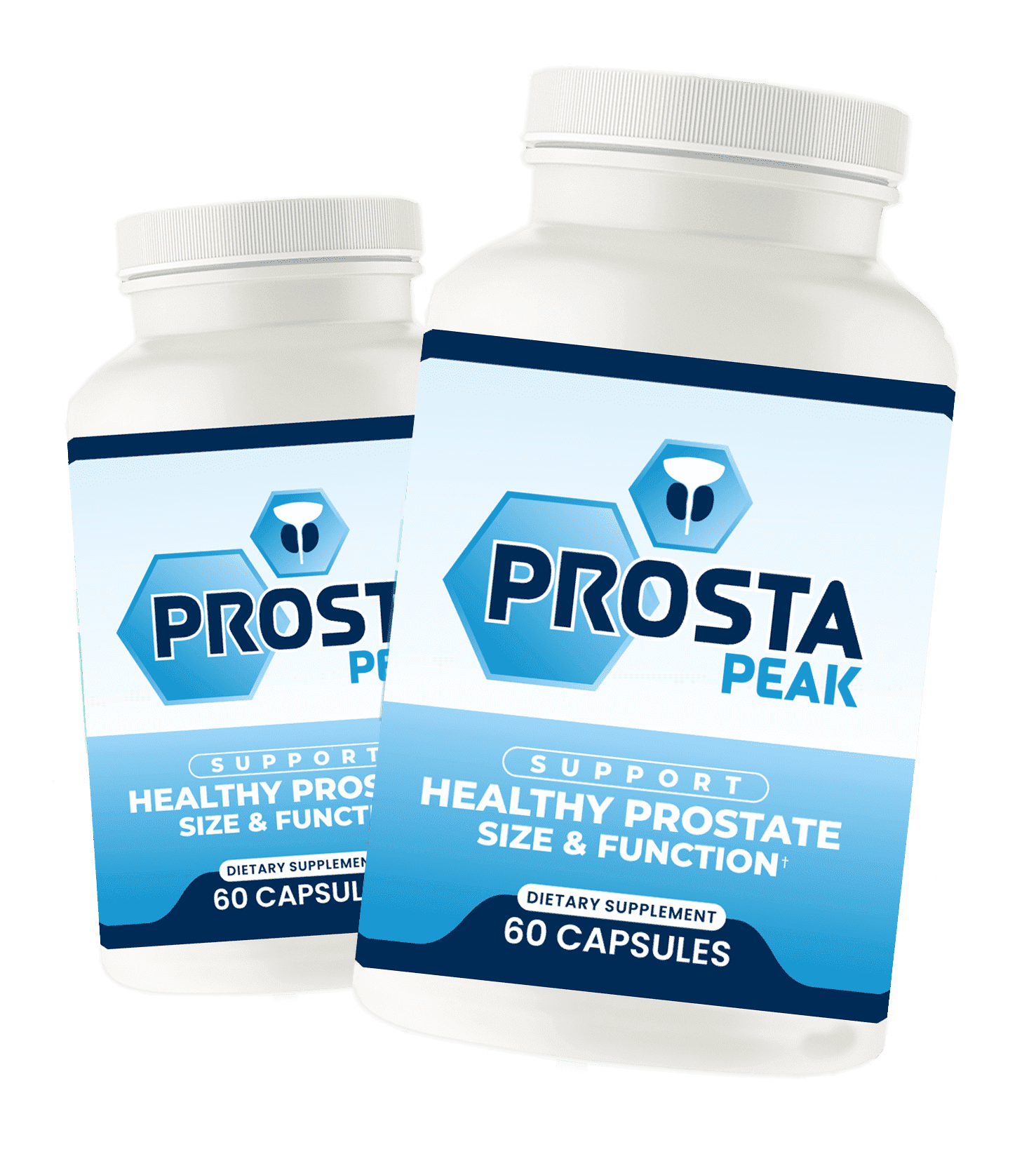
✓ Quick Answer
The best prostate supplement for men over 60 in 2026 is ProstaPeak, a 20-botanical comprehensive stack built around Saw Palmetto and Pygeum as the BPH core, paired with Green Tea Extract, Cat's Claw, Soursop, and supporting antioxidants for the aging biology layer. It's the only formula in this round that pairs comprehensive multi-symptom coverage with a 180-day money-back guarantee long enough for the slow-shifting timeline older men typically experience.
Why This Review (and Not Another One)
This isn't a manufacturer's landing page. We review prostate supplements for older men based on what the formula actually does, what research supports the doses, and what the guarantee protects against. We earn a commission if you buy through our links — that keeps the site free to read, not who we recommend.
What to Look for in a Prostate Supplement After 60
Men 60+ typically experience multi-symptom BPH (frequency + nocturia + weak stream + urgency) plus accumulating oxidative damage to prostate tissue. Single-mechanism formulas miss most of these drivers. Long-term tolerability matters more than at age 45, since the supplement becomes part of a multi-year routine.
The strongest formulas for older men combine the clinical pair (saw palmetto + pygeum) with antioxidant load and a long guarantee window. For more on saw palmetto's evidence base, see our complete saw palmetto research breakdown; for why more ingredients isn't always better, see our ingredient-count analysis.
Why Men Over 60 Need a Different Prostate Approach
By 60, more than half of men have BPH — and unlike the 45-year-old who notices one symptom, the typical 65-year-old has the whole bundle: frequency during the day, nocturia at night, weak stream, urgency, sometimes incomplete emptying. The biology is also more complex: prostate aging involves accumulating oxidative damage, baseline inflammation that doesn't fully resolve, hormonal shifts that compound year over year, and bladder muscle changes from decades of working against resistance.
Single-mechanism formulas (saw palmetto alone) don't fit this picture well. They address one driver and miss the other three. Comprehensive multi-botanical stacks — when designed properly, not as kitchen-sink products — fit the multi-symptom presentation of older men more cleanly. They also need to be well-tolerated for years, not just weeks, because the supplement becomes part of a long-term routine alongside whatever medications the man already takes.
✓ Where comprehensive prostate support fits best
If you're 60+ with multiple BPH symptoms (frequency + nocturia + weak stream + urgency), if you're managing the routine alongside other prescriptions, or if a single-mechanism prostate supplement hasn't moved the needle on the bundle of issues — a comprehensive 20-botanical stack with antioxidant defense is the rational starting point.
That said, not all prostate supplements are appropriate for older men. The next section covers exactly what to look for before you buy.
What Actually Matters in a Prostate Supplement for Men Over 60
Not all prostate formulas fit the multi-symptom presentation of older men. After looking at the category, these are the 5 criteria that separate a clinically rational formula from a marketing exercise.
Comprehensive Multi-Symptom Coverage
Men over 60 typically experience multiple BPH symptoms at once — frequency, weak stream, nocturia, urgency. The formula needs to address them all, not just one.
Saw Palmetto + Pygeum Clinical Pair
The strongest evidence pair for BPH symptom relief. Saw palmetto's mechanism plus pygeum's anti-inflammatory effects — together more consistent than either alone.
Antioxidant Load for Aging Biology
Prostate aging involves accumulating oxidative damage. Green tea extract, soursop, and supporting antioxidants address the cellular environment that BPH develops in.
Gentle Formula for Long-Term Use
Men over 60 often manage multiple medications. The formula needs to be well-tolerated for daily use over years, not just weeks.
Long Guarantee Window
Prostate symptoms shift slowly in older men. The guarantee period must let you fairly evaluate the product over a real 12 to 16 week timeline.
With these 5 criteria in mind, here's what we recommend.
Our 2026 Recommendation: ProstaPeak
Based on those 5 criteria, ProstaPeak is the prostate supplement we recommend for men 60+ dealing with multi-symptom BPH presentations in 2026. Here's how it maps:
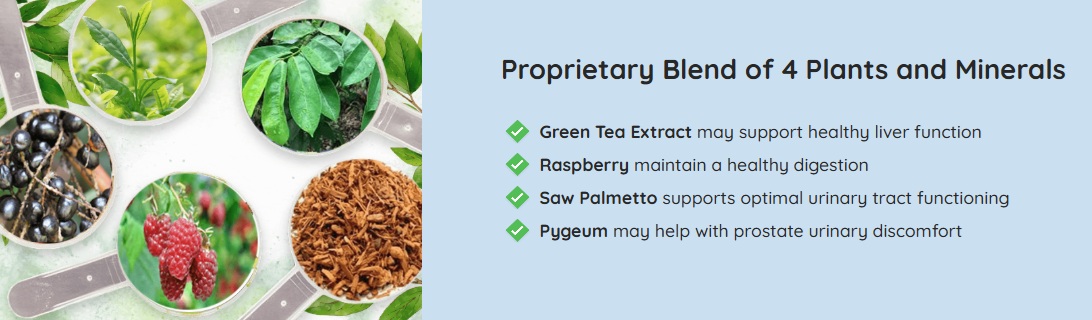
Full supplement facts label — every active ingredient with its exact dose. No proprietary blends.
How ProstaPeak Maps to the 5 Criteria
- Comprehensive Multi-Symptom Coverage — 20+ botanicals address frequency, nocturia, stream, urgency
- Saw Palmetto + Pygeum Clinical Pair — the strongest BPH symptom-relief evidence pair
- Antioxidant Load for Aging — Green Tea Extract, Soursop, Cat's Claw for the cellular environment
- Gentle Formula for Long-Term Use — designed for daily use without aggressive single-mechanism effects
- Long Guarantee Window — 180-day money-back, well above the category standard
A Closer Look at Why ProstaPeak Stands Out
The checklist above tells you ProstaPeak meets the bar. These three details explain why that matters in practice — for the specific multi-symptom presentation common in men over 60.
Why a 20-Botanical Stack Fits Multi-Symptom BPH Better Than Single-Ingredient Formulas
By 60, BPH typically manifests as a constellation rather than a single symptom. Different drivers respond to different mechanisms: 5-alpha reductase inhibition (saw palmetto), anti-inflammatory effects on prostate tissue (pygeum, cat's claw), bladder muscle support (pygeum, supporting botanicals), and oxidative damage control (green tea, soursop antioxidants). A 20-ingredient design — when each ingredient is dosed at functional levels — gives you multiple shots at the multiple drivers. Single-mechanism formulas leave most of them unaddressed.
The Antioxidant Layer for Aging Prostate Biology
Prostate aging involves accumulating oxidative damage to tissue, mitochondria, and cellular signaling. Most BPH supplements treat this as someone else's problem and focus only on hormonal mechanisms. ProstaPeak includes Green Tea Extract (with EGCG, which has notable prostate research), Soursop (with documented antioxidant activity), and Cat's Claw (with anti-inflammatory effects). Together they address the cellular environment that BPH symptoms develop in — which matters more at 65 than at 45.
Why the 180-Day Guarantee Matters Especially for Older Men
Prostate symptoms in older men shift slowly. Clinical trials measure outcomes at 8 to 12 weeks, but men over 60 sometimes need the full 12 to 16 weeks for the difference to be unmistakable. A 30-day or 60-day guarantee doesn't fit this timeline. ProstaPeak's 180-day window removes the timing pressure entirely — run a full 12-week protocol, give yourself another month or two to confirm, and still have time to return if it doesn't deliver. For older men managing multiple medications and chronic routines, this margin matters.
What to Expect — Week by Week
Prostate symptom shifts are slower in older men. Clinical trials measure outcomes at 8 to 16 weeks for this demographic. Here's the realistic timeline.
| Timeframe | What's Happening | What You Might Notice | What to Track |
|---|---|---|---|
| Week 1-2 | Multi-botanical stack reaches steady state; multiple mechanisms begin | Subtle: slightly fewer nighttime trips | Nocturia count per night |
| Week 3-4 | Antioxidant + anti-inflammatory + DHT effects compound | Modest improvements in stream, slight urgency reduction | Stream consistency, urgency 1-10 |
| Week 5-8 | Cumulative multi-symptom improvements (frequency, nocturia, stream, urgency) | Daily comfort noticeably better, sleep quality improves | Bathroom trips per day, sleep continuity |
| Week 8-12 | Full evaluation window — effects compound across all symptoms | Sustained improvements; margin to confirm via 180-day guarantee | Compare baseline (week 0) vs current |
Individual response varies — older men sometimes need the longer end of this range (12-16 weeks). Personal pace depends on baseline severity, medication interactions, and consistency of use.
The Honest Verdict — Who ProstaPeak Is For
ProstaPeak is right for you if
- You're 60+ with multi-symptom BPH (frequency + nocturia + weak stream + urgency)
- You want comprehensive coverage instead of single-mechanism formulas
- You manage chronic routines with multiple medications and need long-term tolerability
- You've tried saw palmetto-only formulas without much improvement on the bundle
- You want a 180-day guarantee that fits the slow timeline of older-man symptom shifts
Look elsewhere if
- You have severe BPH with retention, blood, or kidney involvement (medical eval needed)
- You're on warfarin or other blood thinners (some botanicals affect coagulation)
- You're on tamsulosin or finasteride (talk to your urologist before stacking)
- You have a history of hormone-sensitive cancers (medical clearance required)
- Your symptoms include rising PSA without medical workup (see your urologist first)
For men who fit the first list, ProstaPeak is the most defensible prostate formula for the multi-symptom presentation common after 60. The 180-day guarantee covers a full evaluation cycle with months of margin.
Built for Men Managing Multi-Symptom BPH After 60
Ready to See the Current Offer?
20 targeted botanicals with the saw palmetto + pygeum core, antioxidant defense for aging biology, and a 180-day money-back guarantee. If it doesn't fit your routine, you get your money back — with months of margin to evaluate.
Go to Official Site — See Current Offer →
USA-made · GMP-certified · 20+ botanicals · 180-day guarantee
Frequently Asked Questions
What's different about prostate supplements for men over 60?
By 60, most men have some level of BPH symptoms — and many have multiple symptoms simultaneously (frequency + weak stream + nocturia + urgency). Comprehensive multi-botanical stacks tend to fit this presentation better than single-mechanism formulas. Older men also typically take multiple medications, so the formula needs to be well-tolerated and have minimal interactions. Long-term tolerability matters more than fast effects — prostate symptoms shift slowly, and the supplement is part of a multi-year routine.
Do prostate supplements actually help men over 60?
Yes — for mild-to-moderate BPH symptoms common at this age. Multi-pathway formulas with clinically dosed saw palmetto, pygeum, and antioxidant botanicals have evidence for reducing nocturia, weak stream, and urinary frequency. Severe BPH (retention, kidney involvement, blood) needs medical evaluation, not supplements. Supplements are most useful as part of a routine that includes lifestyle (hydration timing, fiber, exercise) and regular urologist check-ins for PSA monitoring.
How long does ProstaPeak take to show results?
Prostate-supportive ingredients in clinical trials measure outcomes at 4 to 12 weeks of consistent daily use. Older men sometimes need the longer end of that range — 8 to 12 weeks — for symptom shifts to be unmistakable. The 180-day guarantee covers a full evaluation cycle with months of margin to confirm.
Can I take ProstaPeak with finasteride or tamsulosin?
Talk to your doctor before combining any prostate supplement with finasteride or tamsulosin. Saw palmetto and pygeum may have additive effects with finasteride; herbs that influence vasodilation could compound tamsulosin's blood pressure effects. Men over 60 often take multiple medications, so this is especially important — let your urologist or primary care doctor review the supplement label before you start.
Is a 20-botanical formula too broad to be effective?
It depends on the design. Kitchen-sink formulas with sub-clinical doses of everything tend to underdeliver. ProstaPeak's design groups ingredients functionally — the saw palmetto + pygeum core for direct BPH support, antioxidants (green tea, soursop) for the aging-biology layer, and supporting botanicals (cat's claw, raspberry) for inflammation. The breadth fits the multi-symptom presentation common in men over 60.
When should I see a doctor about prostate symptoms after 60?
Men over 60 should have regular urologist check-ins regardless — annual PSA testing is standard for this demographic. See a doctor immediately for: urinary retention, blood in urine, painful urination, fever, recurring infections, kidney pain, severe nocturia (5+ wake-ups), or sudden symptom changes. PSA elevations need medical evaluation, not supplement adjustment. Supplements support mild-to-moderate symptoms; they don't replace ongoing medical care for prostate health.
About James Mitchell
James Mitchell is a contributor at The Supplement Post focusing on men's health, circulation, and performance-support supplementation. He covers prostate and urinary flow support, nitric oxide for both vascular and athletic output, mitochondrial energy, and recovery formulas. He specializes in analyzing how ingredients align with cellular bioenergetics and practical buyer considerations — including how to judge a supplement fairly over a realistic timeline. James Mitchell is not a medical doctor. He analyzes publicly available research and regulatory guidance to provide evidence-aware, consumer-friendly summaries for adults exploring vitality, circulation, and performance support options.
Disclosure
All content on The Supplement Post is for informational purposes only and is not a substitute for professional medical advice, diagnosis, or treatment. Each product is a dietary supplement, not a prescription drug; statements about its benefits have not been evaluated by the U.S. Food and Drug Administration (FDA) and the product is not intended to diagnose, treat, cure, or prevent any disease. Results may vary based on individual health status, consistency of use, and lifestyle. If you are pregnant or nursing, taking medication, or have a medical condition, consult a qualified healthcare professional before using any supplement. This page may contain affiliate links—if you purchase through them, The Supplement Post may earn a small commission at no additional cost to you. References to third-party sites are provided for convenience; we do not control or guarantee their content.