

Why More Prostate Ingredients Aren't Always Better — A Research-Backed Analysis
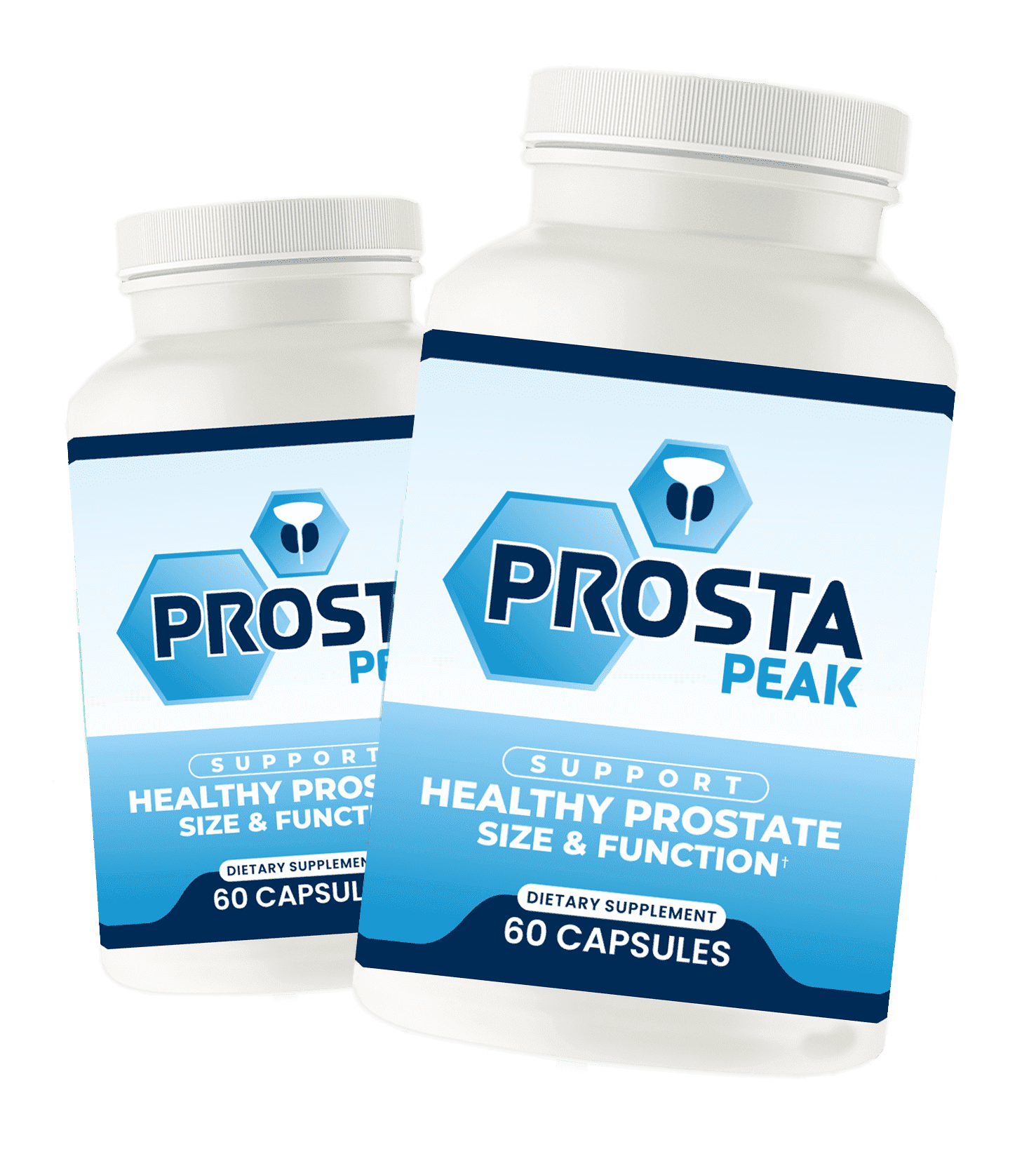
More prostate ingredients aren't always better — what the dose math really tells you about multi-ingredient formulas.
In this guide:
Walk through any prostate supplement aisle and you'll see the same marketing pattern: bigger ingredient counts plastered on the label. "20+ botanicals." "32-ingredient blend." "All-in-one prostate support." The implicit message is simple — more ingredients means more support.
That's not how supplement biology actually works. Multi-ingredient formulas can be powerful when designed thoughtfully, but they can also dilute themselves into ineffectiveness when ingredient count becomes the marketing hook. Understanding the difference is one of the most useful skills a buyer can develop.
For a real-world example of a 20+ ingredient formula and an honest analysis of what that approach delivers, see our full ProstaPeak review. This article focuses on the principles you can apply to any multi-ingredient prostate product.
Quick Answer
Are multi-ingredient prostate formulas better?
Sometimes — but only when each ingredient has a meaningful dose and targets a distinct biological mechanism. A formula with 8 well-dosed ingredients hitting 4 different prostate pathways will usually outperform a formula with 25 ingredients where each is at trace levels.
What's the main risk?
The dilution effect. Capsules have hard physical limits on total ingredient mass. The more ingredients you cram in, the less of each you get. Many high-count formulas spread their total payload so thin that no single ingredient reaches the doses tested in research.
The Multi-Ingredient Trap
The marketing logic behind high ingredient counts is intuitive but flawed. Buyers see a list of 20 botanicals and assume each one is adding meaningful support. The reality is usually different.
The capsule physics problem
A standard size 0 capsule can hold approximately 500 mg of total powdered material. A larger size 00 capsule can hold around 750 mg. Most prostate supplements use 1–2 capsules per serving, giving you a total active payload of 500–1,500 mg per day.
That number is the budget. Every ingredient on the label has to share that fixed total. If a formula lists 20 ingredients in two capsules, the average ingredient gets just 50–75 mg. For most botanical extracts, that's well below the doses used in clinical research.
Saw palmetto as the benchmark
Saw palmetto is the most-studied prostate ingredient. Clinical studies for benign prostatic symptoms typically use 320 mg per day of standardized extract. If a multi-ingredient formula contains "saw palmetto" but the total formula payload is 800 mg split across 15 ingredients, the saw palmetto dose is mathematically forced to be far below the research threshold.
Many high-count formulas list saw palmetto first or prominently to anchor the product to the most-recognized ingredient — even when the actual dose included is too low to replicate the studied effect.
Why this happens
Two reasons. First, ingredient counts are easy marketing — they look impressive on a label without requiring proof. Second, listing many ingredients lets a brand claim coverage of multiple pathways simultaneously, which is appealing to buyers who don't know what to look for.
The brands that resist this approach typically focus on 6–12 ingredients at clinically researched doses, accepting smaller-looking labels in exchange for stronger formulation logic.
When More Ingredients Genuinely Helps
The case against high ingredient counts isn't absolute. There are legitimate formulation reasons to include 12–20 ingredients in a prostate supplement.
Multi-pathway support
Prostate health involves multiple distinct biological pathways: 5-alpha-reductase activity (the enzyme that converts testosterone to DHT), inflammatory signaling, oxidative stress, smooth muscle tone in the urethra, and antioxidant defense. A formula that targets only one pathway misses the others.
Well-designed multi-ingredient formulas pick one or two anchors per pathway. For example: saw palmetto for 5-alpha-reductase, pygeum for inflammation, lycopene for antioxidant defense, and beta-sitosterol for cholesterol-related prostate support. Each ingredient earns its place by covering a different mechanism.
Synergy between compounds
Some ingredients work better in combination than alone. Beta-sitosterol and saw palmetto, for example, appear to have complementary effects on urinary symptoms. Quercetin and bromelain are often paired because bromelain enhances quercetin absorption. Smart formulators use these relationships to build formulas where the whole is greater than the sum of parts.
Antioxidant blending
Prostate tissue is particularly susceptible to oxidative damage. Using a blend of plant antioxidants (green tea polyphenols, grape seed extract, soursop, cat's claw) gives you broader-spectrum coverage than any single antioxidant alone. In this category, ingredient diversity is genuinely valuable — even at modest individual doses.
When More Ingredients Hurts (Dilution Effect)
The dilution effect is the strongest argument against ingredient maximalism. Here's what to watch for.
The 20+ ingredient formula problem
When formulas push past 18–20 ingredients in a standard capsule serving, the math becomes brutal. Even with a 1,500 mg total payload, 20 ingredients means an average dose of 75 mg per ingredient. For compounds that need 250–500 mg to be active, this is decoration, not formulation.
The proprietary blend hideout
Many high-count formulas hide individual doses inside proprietary blends — listing only a total weight (e.g., "Prostate Support Blend: 800 mg") without breaking down each ingredient. This is a transparency problem and a formulation red flag.
Proprietary blends sometimes serve a real purpose (protecting trade secrets in genuinely novel combinations), but most often they're used to obscure underdosing. If a brand can't show you how much of each ingredient you're getting, assume the cheapest ingredients are taking the largest share of the blend.
The cumulative dose argument
Some defenders of high-count formulas argue that even small doses of each ingredient add up to meaningful biological activity. This is partially true for antioxidants, where multiple low-dose compounds can provide additive defense. It's largely false for hormone-pathway ingredients (like 5-alpha-reductase inhibitors), where each compound needs to reach a threshold to influence the enzyme.
The cumulative argument works for some pathways and fails for others. Don't accept it as a blanket defense.
How to Evaluate Multi-Ingredient Formulas
A simple framework for cutting through the marketing.
Step 1: Look for individual ingredient amounts
The first thing to check is whether each ingredient has its own disclosed mg amount. If everything is buried inside a "Proprietary Blend," the formula is asking you to take effectiveness on faith.
Step 2: Compare anchor ingredients to research doses
Pick the 2–3 most prominent ingredients on the label and compare their doses to standard clinical research:
- Saw palmetto extract: 320 mg/day standard
- Beta-sitosterol: 60–130 mg/day
- Pygeum bark extract: 100–200 mg/day
- Pumpkin seed extract: 500–1,000 mg/day
- Stinging nettle root: 240–360 mg/day
If the anchor ingredients on your label hit research doses, the formula has serious foundations. If they fall short, the rest of the ingredients won't compensate.
Step 3: Check for pathway diversity
Look at how the ingredients group by mechanism. A good formula touches 2–4 distinct pathways: 5-alpha-reductase, inflammatory, antioxidant, smooth muscle. A weak formula stacks 5 ingredients that all do the same thing.
Step 4: Evaluate the manufacturer
Brands manufactured in GMP-certified, FDA-registered facilities have accountability that matters. So does a money-back guarantee long enough to actually test the product (60+ days for prostate supplements, since results often need 4–8 weeks of consistent use).
For a comparison of well-formulated prostate options, see our guide to the best prostate supplements — which evaluates ingredient quality and dose transparency rather than just ingredient count.
Final Verdict
Ingredient count is a marketing metric, not a quality metric. The relevant questions are: are the doses meaningful, are the mechanisms diverse, and is the brand transparent about exactly what's in each capsule?
Some of the best-formulated prostate supplements on the market use 6–10 ingredients at research-aligned doses. Some of the weakest list 25+ ingredients with most below threshold. Don't let label complexity become a substitute for formulation analysis.
For a real example of a 20+ ingredient formula evaluated against this framework — including which anchor doses hit research thresholds and which fall short — see our full ProstaPeak review.
Secure Checkout + Bundle Pricing
Tip: Check ingredient amounts before being impressed by ingredient count.
FAQs
How many ingredients should a prostate supplement have?
There's no universal right number — but most well-formulated prostate supplements use 6–12 active ingredients. Below 6, you may be missing important pathways. Above 15–20, you're often diluting clinical doses to fit everything into a single capsule. The best formulas pick ingredients that target distinct mechanisms rather than stacking similar compounds.
What is the dilution effect in supplements?
Dilution effect refers to what happens when a formula contains so many ingredients that no single one is present at a clinically meaningful dose. A capsule can hold roughly 500–800 mg of total active material. If you split that across 20 ingredients, each gets only 25–40 mg — often well below the doses studied in research.
Are proprietary blends a red flag in prostate supplements?
Not always, but they require more scrutiny. Proprietary blends list a total weight without revealing how much of each ingredient is included. This can hide whether key compounds are at meaningful doses or used as 'fairy dust' in trace amounts. Look for products that disclose individual ingredient amounts whenever possible.
Which prostate ingredients have the strongest evidence?
Saw palmetto, beta-sitosterol, pygeum, and pumpkin seed extract have the most consistent human research for prostate comfort and urinary flow. Stinging nettle root has supportive data. Many other ingredients in multi-ingredient formulas have less direct prostate research and are included primarily for antioxidant or general men's health support.
Should I consult a doctor before starting a prostate supplement?
Yes — particularly if you take any prescription medication, have a known prostate condition (BPH, prostatitis, prostate cancer), or experience symptoms like blood in urine or severe urinary retention. A doctor can rule out conditions that need medical treatment beyond supplementation.
Reviewed by: Michael Anderson, Editor-in-Chief — Last updated:
Recommended Products
About James Mitchell
I am James Mitchell, a contributor at The Supplement Post focused on men's health, supplement formulation analysis, and the practical economics of multi-ingredient formulas. My work centers on helping readers understand why ingredient count alone is a poor proxy for formula quality, and how to evaluate prostate supplements based on dose math, mechanism diversity, and label transparency. I am not a medical doctor.
Disclosure
All content on The Supplement Post is for informational purposes only and is not a substitute for professional medical advice, diagnosis, or treatment. The products discussed are dietary supplements, not prescription drugs, and statements regarding their benefits have not been evaluated by the U.S. Food and Drug Administration (FDA). They are not intended to diagnose, treat, cure, or prevent any disease. This page may contain affiliate links — if you purchase through them, The Supplement Post may earn a small commission at no additional cost to you.