
Buyer's Guide
The Best Brain Supplements for Seniors — and the Medication Question Nobody Asks First
Most articles about brain supplements for seniors are written as if the reader takes nothing else. That's rarely true after 65 — and the interaction list matters more than the ingredient list. Here's the order to do this in.

Why the usual advice doesn't fit this reader
Almost every "best brain supplement" article is written for someone who takes nothing else. After 65 that describes very few people. The average adult over 65 takes several prescription medications at once, and that single fact reorders the whole decision — because the most common ingredients in brain formulas are also among the most interaction-prone things on a supplement shelf.
There's a second thing these articles get wrong, and it's about who's actually reading. Often it isn't the person who'll take the capsule. It's an adult child who noticed their mother repeating a story, or a husband who's watching his wife hesitate over words she's used all her life. That reader wants two things at once: something that might genuinely help, and reassurance they're not about to cause a problem with the medication already in the cabinet.
So this guide runs in that order. Interactions first, evidence second, formulas third.
The key point The best brain supplement for an older adult is rarely the strongest one on paper. It's the one a pharmacist can approve in ten minutes and the person will still be taking in week twelve. Luciano Cesar, Content Contributor
By the numbers
3
compounds studied in older adults specifically, not in healthy students
125 mg
phosphatidylserine — the ingredient with an FDA qualified health claim for elderly cognition
10 min
a free pharmacist review of the full medication list
from 12 wks
when the memory layer starts showing — buy enough to get there
The interaction check, before anything else
This takes one conversation and it changes which formula is right. Bring the actual bottles or a printed list — not a memory of what's in the cabinet.
Raise these specifically
- St. John's Wort — the most interaction-prone ingredient common in brain formulas. It engages with antidepressants, blood thinners, blood-pressure medication, and more. Well-evidenced for mood; genuinely needs clearing first.
- Ginkgo biloba — may affect bleeding time, which matters on warfarin, clopidogrel or daily aspirin, and before any scheduled surgery.
- Medicinal mushrooms — mild anti-platelet and immune-modulating activity, so worth raising alongside blood thinners or immunosuppressants.
- The medications already causing fog. Anticholinergics, some sleep aids, antihistamines and certain blood-pressure drugs have documented cognitive side effects. If the fog started after a prescription changed, that's the lead — and it's reversible in a way no supplement is.
- B12, vitamin D, iron and thyroid. All four cause genuine cognitive fog when off, all four are common after 65, and correcting a real deficiency does far more than any nootropic. Ask for the panel at the same visit.
If the pharmacist flags something, that's the guide working. A formula you can't safely take isn't a better formula — it's a worse one for you.
What actually has evidence in this age group
A lot of nootropic research was run on healthy adults in their twenties and thirties. Useful, but a different question. Three compounds were studied in people who already had a cognitive complaint — which is the population this page is about.
- Phosphatidylserine. Studied in age-associated memory impairment, and one of very few supplement ingredients holding an FDA qualified health claim relating to cognitive decline in the elderly. It works on the physical integrity of neuronal membranes — slow, structural, unglamorous.
- Lion's Mane. Improved cognitive scores in a Japanese double-blind, placebo-controlled trial in adults with mild cognitive impairment. It's studied for stimulating nerve growth factor, the protein that maintains and repairs neurons.
- Bacopa monnieri. A meta-analysis of randomised controlled trials found improved cognition, particularly speed of attention. Its trials ran twelve weeks, which sets the honest timeline for the whole category.
Worth saying plainly, because a lot of marketing implies otherwise: none of this prevents dementia. The claim these compounds support is modest help with memory and clarity in age-related decline. If there's a diagnosis or a strong family history in the picture, that belongs with a neurologist, not a supplement aisle.
The terms that matter
- Mild cognitive impairment (MCI)
- Memory changes noticeable to the person and often to family, but not severe enough to interfere with daily independence. It's the population several of these trials recruited — which is why their results are more relevant here than studies on healthy young adults.
- Phosphatidylserine
- A fat forming part of the outer wall of every neuron. Cell walls need maintaining like anything else, and when they degrade, signals pass less cleanly.
- Nerve growth factor (NGF)
- The maintenance crew for the brain's wiring — it keeps existing neurons healthy and helps them repair. It slows with age, which is a large part of what "just getting older" actually is.
- FDA qualified health claim
- A carefully worded statement the FDA permits when evidence exists but isn't conclusive. It is not approval, and it isn't a cure claim — but very few supplement ingredients have one at all, so it's a meaningful signal.
- Anticholinergic burden
- The combined cognitive load of medications that block acetylcholine — the memory neurotransmitter. Several common drugs do this, and the effect adds up across a list. It's the single most overlooked cause of fog in older adults.
Three formulas, ranked for this reader
Ranked by how easily they fit an existing medication list first, and by evidence in older adults second. That's a different order from our general brain fog and memory guide, and deliberately so.
Advanced Memory Formula
The cleanest interaction profile — eleven nutrients on an open label
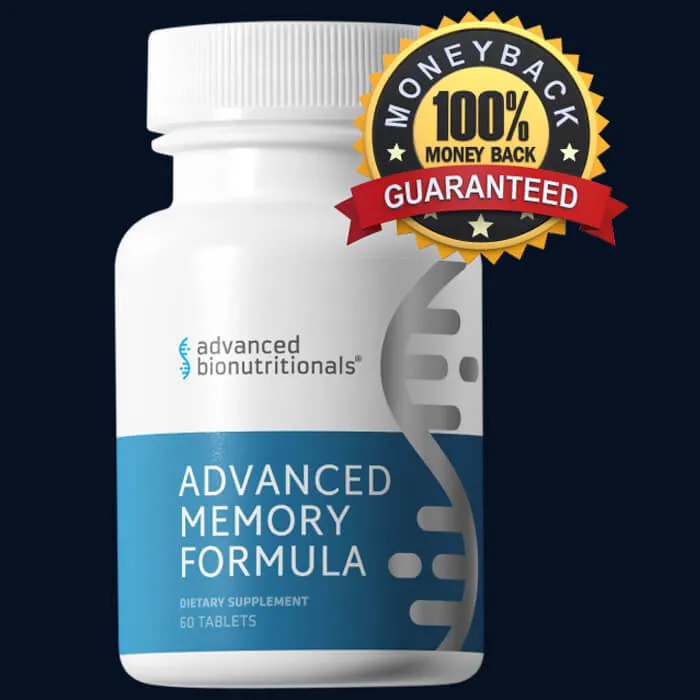
For an older adult already taking three or four prescriptions, the deciding factor usually isn't which formula is strongest — it's which one gives the pharmacist the least to worry about. This is the pick on that basis. Eleven nutrients on a fully open label, built around NeuroFactor coffee-fruit extract for BDNF, with no St. John's Wort and no high-dose ginkgo in the mix. The open label matters twice over here: it lets a pharmacist scan the whole list in thirty seconds rather than guessing at a blend, which is the practical difference between a quick yes and a shrug.
Look elsewhere if: You specifically want phosphatidylserine, the ingredient with the FDA qualified health claim for cognitive decline in the elderly — that's ProMind Complex below, with the interaction caveat that comes attached.
Vitrafoxin
The slow-and-steady route — Lion's Mane, and a full year to decide
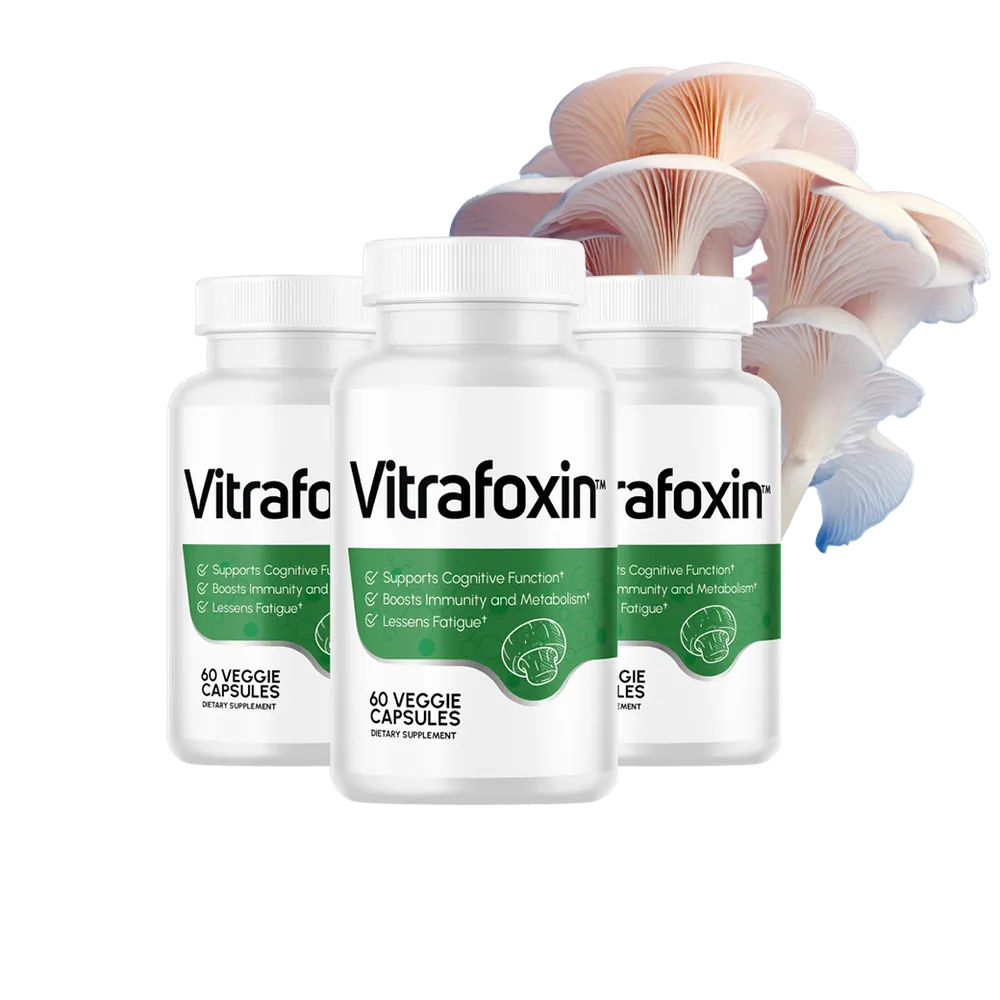
Lion's Mane earns its place here specifically because of who it was tested on: a Japanese double-blind, placebo-controlled trial in adults with mild cognitive impairment — the population this article is actually about, not healthy thirty-year-olds. It works on nerve growth factor, the protein that maintains and repairs neurons, which is the layer that matters when the concern is decline rather than performance. And the 365-day guarantee removes the usual problem with slow formulas: you can give it the full sixteen weeks the research used and still change your mind afterwards.
Look elsewhere if: There's a mushroom allergy in the picture, or blood thinners and immunosuppressants that haven't been cleared with a doctor — several medicinal mushrooms have mild anti-platelet and immune-modulating activity.
ProMind Complex
Phosphatidylserine at a printed dose — with a real caveat attached
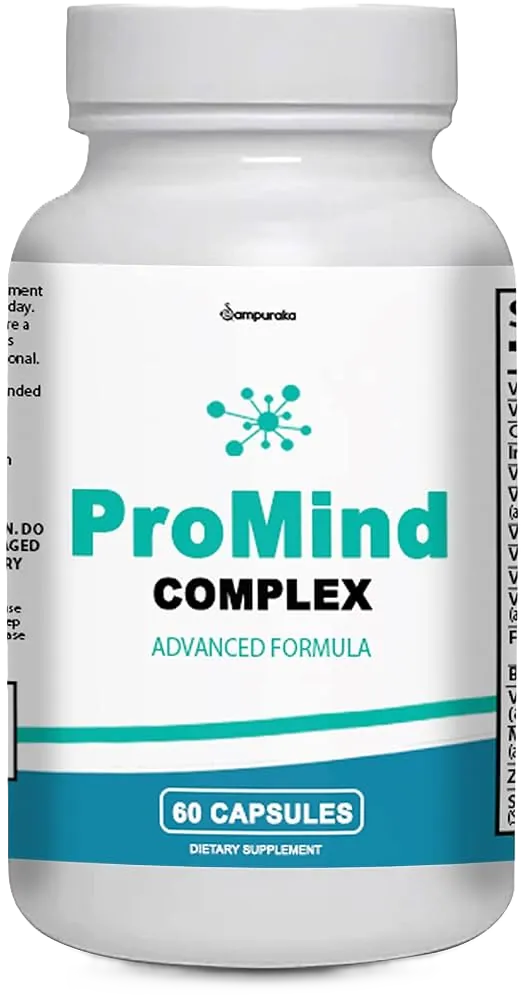
This carries phosphatidylserine at 125 mg — one of the very few supplement ingredients holding an FDA qualified health claim relating to cognitive decline in the elderly — plus Bacopa at 120 mg, both printed rather than buried in a blend. On formula alone it would rank first for this reader. It ranks third for one reason: it also contains St. John's Wort, which is genuinely interaction-heavy. For someone on no medication that's a non-issue. For the typical 70-year-old on a statin, a blood-pressure drug and something for sleep, it's the pick that requires a conversation before the order.
Look elsewhere if: You take any regular prescription and won't run this past a pharmacist first — antidepressants, blood thinners, blood-pressure medication and more all interact with St. John's Wort. Not a formality.
Side-by-side: the medication question first
Same three formulas, compared on what actually decides this for an older adult.
| What you care about | Advanced Memory Formula | Vitrafoxin | ProMind Complex |
|---|---|---|---|
| Interaction profile | Cleanest of the three | Mushroom + blood thinner check | St. John's Wort — needs clearing |
| Evidence in older adults | BDNF route, open label | MCI trial (Lion's Mane) | Phosphatidylserine + Bacopa |
| Label transparency | All 11 nutrients open | 4 hero doses printed | All 8 doses printed |
| When you'd notice | 8–12 weeks | 8–16 weeks | 8–12 weeks |
| Money-back window | Guarantee included | 365 days | 60 days |
| Where to buy | Site → | Site → | Site → |
None of these is a runner-up — the ranking changes entirely depending on what else is in the medicine cabinet. That's the honest answer, and it's why the pharmacist conversation comes first.
If you're the one buying it for a parent
A few things worth knowing, from the practical side rather than the pharmacological one.
- One capsule a day beats a better formula taken twice. Adherence is the variable that decides outcomes in this age group, and a complicated regimen quietly fails by week three.
- Buy the supply that reaches week twelve. A single bottle ends before the ingredients with real evidence have finished arriving — and that's when families conclude it did nothing.
- Write down where you started. "Is it working?" is impossible to answer from memory. Note two or three specific things in week one — repeating a story, losing a word, the afternoon slump — and check them at week twelve.
- Don't stop a medication to make room for a supplement. Ever. That decision belongs to the prescriber.
When to see a doctor instead
Book the appointment rather than ordering anything if:
- The change came on suddenly, or is clearly worse month to month
- There's getting lost in familiar places, losing words mid-sentence, or a change in personality or judgement
- The fog started after a medication was added or changed
- There's a family history of early dementia and you want a proper baseline
- It comes with falls, tremor, vision changes, or difficulty with balance
Supplements support gradual, low-grade decline with no clear medical cause. They are not a substitute for a diagnosis, and no honest guide in this category should imply otherwise.
Which brain supplement should a senior take?
For an older adult, the best brain supplement is the one that clears the medication list and still gets taken in week twelve. That's a lower bar than the marketing sets and a higher one than most buyers apply.
Start with the pharmacist and the blood panel — B12, vitamin D, iron, thyroid. If one of those is the answer, you've solved it properly. If everything is clear and the decline is gradual, Advanced Memory Formula is where we'd start: eleven nutrients on an open label, nothing on it that typically alarms a pharmacist, and a list short enough to check in half a minute.
If the memory change came on suddenly or is worsening, see a doctor first. This page is for gradual decline with no clear medical cause.
Frequently asked questions
What is the best brain supplement for seniors?
There isn't a single answer, because the deciding variable after 65 is usually medication rather than formula strength. If several prescriptions are already in play, an open-label formula with a clean interaction profile — like Advanced Memory Formula — is the pragmatic first choice. If medication isn't a factor, phosphatidylserine and Bacopa at printed doses (ProMind Complex) or Lion's Mane for nerve growth factor (Vitrafoxin) both have better-targeted evidence for age-related decline.
Which brain supplement ingredients have evidence in older adults specifically?
Three stand out because they were studied in the right population. Phosphatidylserine has been examined in age-associated memory impairment and holds an FDA qualified health claim relating to cognitive decline in the elderly. Lion's Mane improved cognitive scores in a double-blind placebo-controlled trial in adults with mild cognitive impairment. Bacopa monnieri has a meta-analysis of randomised controlled trials on cognition and speed of attention. Much of the rest of the category was tested on healthy young adults, which is a different question.
Are brain supplements safe with blood thinners and blood pressure medication?
Some are, some genuinely aren't, and this is the question to settle before choosing a formula. Ginkgo biloba and St. John's Wort both interact with common prescriptions — St. John's Wort particularly widely, including antidepressants, blood thinners and blood-pressure drugs. Medicinal mushrooms have mild anti-platelet activity. A pharmacist will review the full list free of charge in about ten minutes, and that review should come before the purchase, not after.
Can supplements prevent dementia or Alzheimer's?
No, and any product suggesting otherwise should be treated with suspicion. What the evidence supports is modest support for memory and mental clarity in people with age-related decline or mild cognitive impairment — not prevention of disease. If there's a family history or a diagnosis in the picture, that's a conversation with a neurologist about a baseline assessment, not a supplement decision.
How long should an older adult give a brain supplement before judging it?
Twelve weeks, and buy enough to reach that. Bacopa's trials ran twelve weeks; the Lion's Mane research ran eight to sixteen. Circulation and acetylcholine ingredients can show earlier. The most common reason a family concludes 'it didn't do anything' is stopping at week three — before the ingredients with the real evidence have finished arriving.
When should we see a doctor rather than try a supplement?
If the change came on suddenly, is worsening month to month, or involves getting lost in familiar places, losing words mid-sentence, or personality changes — that needs a medical evaluation first. The same applies if the fog started after a medication change, which is common and reversible. Supplements are for gradual, low-grade decline with no clear medical cause.