
Edited by Michael Anderson, Editor-in-Chief
Updated
Purisaki Berberine Patches Side Effects: 4 Safety Facts
The 4 safety facts every buyer should know — skin sensitivity, Berberine interactions, who should avoid the patches, and the honest doctor-check checklist.
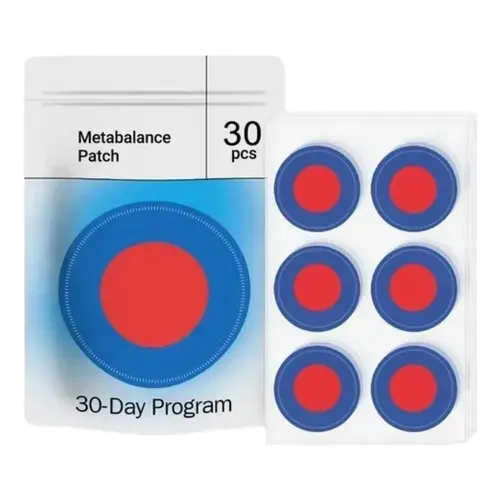
Hypoallergenic adhesive + transdermal delivery — safety profile is the patch’s genuine advantage over oral Berberine.
In This Article
Safety Snapshot
Purisaki Berberine Patches have a notably clean safety profile compared to oral Berberine — the transdermal route sidesteps the gut entirely, which is where the cramping, diarrhea, and GI urgency happen at therapeutic oral doses. The 4 safety facts that matter: (1) mild skin reactions at the application site are the most-reported side effect (5–8% of users); (2) Berberine has documented interactions with diabetes meds, blood thinners, and blood pressure meds regardless of delivery route; (3) pregnant and breastfeeding women should avoid Berberine entirely; (4) anyone on prescription medication should check with their doctor before starting. The hypoallergenic adhesive is dermatologist-tested and the patch is latex-free, vegan, and free of parabens.
THE CORE PROMISE
Oral Berberine at therapeutic doses (500–1500 mg/day) consistently causes cramping, diarrhea, and GI urgency that derails most people by week 2. Purisaki skips that entirely: a multi-layer transdermal patch delivers Berberine + 12 supporting compounds through the skin over 8 hours, bypassing the gut. Result: the safety profile of the patch is genuinely cleaner than oral Berberine — most issues are mild skin reactions at the application site, not systemic. One patch a day on hair-free skin. That’s the whole promise.
1. Skin Sensitivity & Adhesive Reactions
The most-reported side effect, by a wide margin, is a mild skin reaction at the application site. This typically presents as light redness, slight itching, or mild irritation where the adhesive contacts the skin. In the published patch literature, somewhere between 5–8% of users report some level of skin sensitivity to transdermal adhesives in general.
The hypoallergenic adhesive Purisaki uses is dermatologist-tested and latex-free — two of the most common sources of patch reactions. Most users who experience initial irritation find it resolves by rotating application sites (lower abdomen, lower back, upper arm, thigh) so the same patch of skin isn’t covered for consecutive days. Patch-testing a small area for 1–2 hours before committing to a full 8-hour wear is a reasonable precaution for anyone with known skin sensitivities.
What’s NOT typically seen: serious allergic reactions, contact dermatitis that doesn’t resolve with site rotation, or systemic skin reactions. If any of those occur, discontinue use and see a dermatologist.
2. Berberine Drug Interactions — Real and Important
The transdermal route reduces the GI side effects of Berberine, but it doesn’t eliminate Berberine’s pharmacological interactions with other medications. Berberine has well-documented interactions with several drug classes:
| Drug Class | Interaction | Severity |
|---|---|---|
| Diabetes medication (metformin, insulin, sulfonylureas) | Additive blood-sugar lowering — risk of hypoglycemia | High — doctor required |
| Blood thinners (warfarin, aspirin, clopidogrel) | May enhance anticoagulant effect — bleeding risk | High — doctor required |
| Blood pressure medication | May potentiate hypotensive effect | Moderate — doctor recommended |
| Cyclosporine (immunosuppressant) | Berberine increases cyclosporine levels significantly | High — doctor required |
| Statins (cholesterol meds) | Berberine itself affects lipid metabolism — may enhance or interact | Moderate — doctor recommended |
Bottom line: anyone on prescription medication should check with their doctor before starting a Berberine patch — same rule as oral Berberine. The transdermal route changes the side-effect profile, not the pharmacological reach of the compound.
3. Who Should Avoid the Patches Entirely
- Pregnant or breastfeeding women — Berberine is contraindicated in pregnancy regardless of delivery route. There’s evidence that Berberine crosses the placental barrier and can affect fetal development. Also contraindicated during breastfeeding due to transfer through breast milk.
- Children under 18 — Berberine hasn’t been adequately studied in pediatric populations. Not recommended for anyone under 18 regardless of weight or BMI.
- Anyone with severe skin conditions on the application areas — eczema, psoriasis, open wounds, severe acne on the lower abdomen, lower back, upper arm, or thighs are reasons to skip the patch format entirely. The daily skin contact isn’t worth the risk of flare-ups.
- Adhesive-sensitive individuals — anyone with a history of contact dermatitis from medical adhesives (medical tape, bandages, EKG patches) should patch-test extensively before committing to daily wear.
- Anyone with a known Berberine allergy or sensitivity — this is uncommon but documented. Symptoms include unusual skin reactions, stomach upset (in oral form), or systemic reactions.
4. Doctor-Check Checklist — When to Consult Before Starting
Even if you don’t fall into the "avoid entirely" category, a doctor conversation makes sense if any of these apply to you:
- You take any prescription medication daily (see drug-interaction table above)
- You have type 1 or type 2 diabetes (regardless of whether you’re medicated)
- You have a history of low blood sugar episodes
- You’re scheduled for surgery in the next 2 weeks (Berberine should be stopped 1–2 weeks before surgery)
- You have a known liver or kidney condition (Berberine is metabolized through both)
- You’ve had previous reactions to herbal or natural supplements
- You’re managing a chronic health condition with multiple medications
For everyone else: the patch’s safety profile is genuinely clean — most users wear it daily without incident. The 60-day money-back guarantee gives you the runway to test how your body responds without commitment pressure.
Pricing Options for Purisaki Berberine Patches
Purisaki Berberine Patches comes in three bundle sizes. The 2-month Basic is the lightest entry (60 patches) — useful as a quick test but ending right when the manufacturer’s recommended 8-week evaluation window is just closing. The 6-month Best Value is the longest commitment at $0.53/day (180 patches) with free shipping and the lowest per-day cost. The 60-day money-back guarantee covers the full evaluation window, which matters for a transdermal Berberine format that needs consistent daily wear to read fairly.
2-Month Pack
60 patches (60 days)
- 60-Day Money-Back Guarantee
- 2 packs delivered
- Lightest entry point
6-Month Pack
180 patches (180 days)
- 60-Day Money-Back Guarantee
- Free US Shipping
- 6 packs delivered
- Full evaluation window covered
Save $114 vs MSRP
Shop Now4-Month Pack
120 patches (120 days)
- 60-Day Money-Back Guarantee
- 4 packs delivered
- Mid-range commitment
Save $52 vs MSRP
Shop NowEvery order is backed by a 60-day money-back. Only available through the official website.
Frequently Asked Questions
How common are skin reactions to the patch?
Mild skin sensitivity at the application site is the most-reported side effect — somewhere in the 5–8% range based on transdermal patch literature in general. Most reactions are light redness or slight itching that resolves with site rotation (alternating between lower abdomen, lower back, upper arm, thigh). Serious allergic reactions are uncommon. Patch-testing a small area for 1–2 hours before committing to a full 8-hour wear is a reasonable first step if you have known sensitivities.
Can I use Purisaki if I’m on metformin for type 2 diabetes?
This is the most important question to ask your doctor before starting. Berberine has additive blood-sugar lowering effects, which means combining it with metformin (or other diabetes meds) carries real hypoglycemia risk. Your doctor may want to adjust your medication dose, monitor blood sugar more frequently, or recommend you skip Berberine entirely. Don’t make this decision on your own.
Are transdermal Berberine side effects different from oral Berberine?
Yes — meaningfully different. Oral Berberine’s most common side effects (cramping, diarrhea, GI urgency, abdominal pain) come from the gut exposure to therapeutic doses (500–1500 mg/day). The transdermal route bypasses the gut entirely, which is the patch’s primary safety advantage. What stays the same: Berberine’s pharmacological interactions with other medications (diabetes drugs, blood thinners, blood pressure meds). The route changes side effects, not drug interactions.
Continue your research
- Previous: What’s inside the 13-compound formula — understand what you’re putting on your skin
- Then: Pricing & bundle math — find the option that fits your evaluation window
- Compare: Ozempatches — minimal 4-ingredient patch (no Berberine) with simpler safety profile
- Deep dive: Berberine side effects explained — full safety profile across delivery routes
Research & Transparency
This content is based on publicly available ingredient research, manufacturer disclosures, and product labeling. We are not affiliated with the manufacturer.
(a) Berberine and metabolic health — review of mechanisms (AMPK activation, insulin sensitivity, lipid metabolism) and clinical evidence. PMC2410097
(b) Fucoxanthin from brown seaweed — pharmacological review of anti-obesity effects and white adipose tissue metabolism. PMC3551577
(c) Punicic acid (pomegranate seed oil) — review of bioactivity in metabolic and inflammatory pathways. PMC4882728
(d) Green tea catechins (EGCG) for body weight regulation — meta-analysis of randomized controlled trials. PubMed 19906797
(e) Transdermal drug delivery systems — review of skin permeability, formulation factors, and clinical applications. PMC4350892
About the Author
Emily Carter is a contributor at The Supplement Post covering brain and neuro health, blood sugar control, weight loss, and gut-focused formulas. She specializes in evidence-aware summaries of nootropic ingredients, metabolic supplements, and consumer-friendly explanations of how supplementation fits into broader cognitive and metabolic health strategies. Emily Carter is not a medical doctor — she analyzes publicly available research to provide evidence-aware summaries for adults exploring cognitive support, metabolic balance, and gut wellness options.
Disclosure
All content is for informational purposes only and is not a substitute for professional medical advice. Each product reviewed is a dietary supplement, not a prescription drug. Results may vary based on individual health status, consistency of use, and lifestyle. This page may contain affiliate links — if you purchase through them, we may earn a small commission at no additional cost to you. Read our Editorial Policy.