
Edited by Michael Anderson, Editor-in-Chief
Updated
Purisaki Berberine Patches Ingredients: 13-Compound Formula Decoded
Every ingredient inside the multi-layer Purisaki patch — what each compound does, the research behind it, and the honest read on a proprietary blend anchored by Berberine 20%.
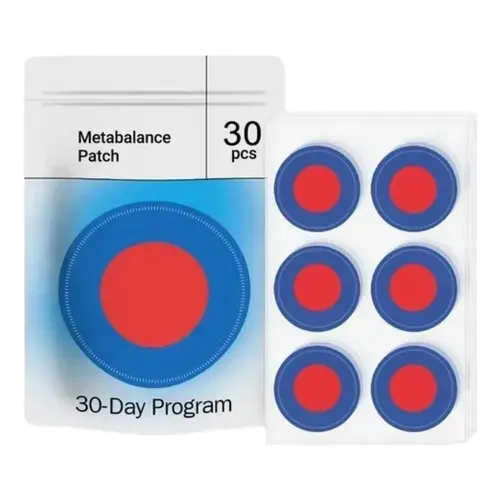
13 compounds, one patch — Berberine 20% extract anchors the formula across 5 metabolic pathways.
In This Article
What's Inside
Purisaki Berberine Patches contain 13 named compounds led by Berberine 20% standardized extract (the active anchor). The thermogenic trio — Fucoxanthin, Pomegranate Punicic Acid, Green Tea EGCG — layers in on top. African Mango, Chromium, mild caffeine, and B-vitamins (B1, B3, B12) fill in the supporting roles. The formula is a proprietary blend (per-ingredient mg isn’t disclosed beyond Berberine’s 20% standardization), but the compound list itself is fully named on the label and built around modern multi-pathway metabolic research.
THE CORE PROMISE
Every compound in this patch exists for one job: deliver Berberine’s metabolic benefits without the GI side-effect tax. Most Berberine formulas dump 500mg into the gut and hope AMPK activation does the rest. Purisaki layers 13 compounds across 5 metabolic pathways and routes them through the skin over 8 hours. Result: AMPK activation, thermogenesis, appetite signaling, insulin sensitivity, and cofactor support — all running in parallel. One patch a day. That’s the whole promise.
1. Full Ingredient List
Every named compound in the Purisaki patch, in order of formulation prominence:
| Ingredient | Primary Role |
|---|---|
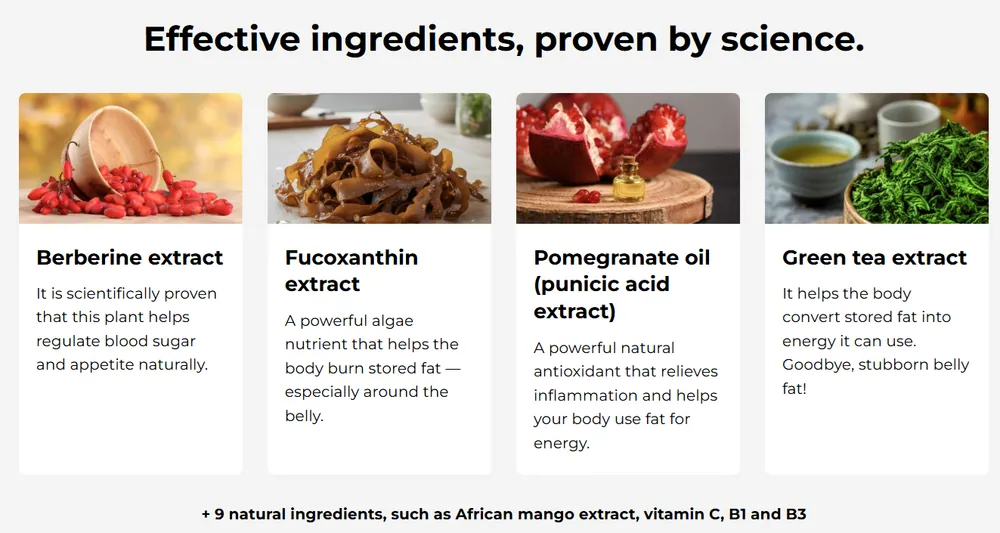
| Berberine 20% Extract | Active anchor — AMPK activation, blood sugar regulation, appetite signaling |
| Fucoxanthin Extract | Marine carotenoid — thermogenesis in white adipose tissue (belly fat) |
| Pomegranate Oil (Punicic Acid) | Conjugated linolenic acid — anti-inflammatory, fat-cell signaling |
| Green Tea Extract (EGCG) | Catechin polyphenols — thermogenesis, fat oxidation |
| African Mango Extract | Irvingia gabonensis seed — leptin sensitivity, appetite control |
| Vitamin C | Antioxidant cofactor — cellular energy production, adrenal support |
| Vitamin B1 (Thiamine) | Carbohydrate metabolism cofactor |
| Vitamin B3 (Niacin) | Energy metabolism, healthy circulation, skin absorption support |
| Vitamin B12 | Energy metabolism, red blood cell formation |
| Chromium | Glucose-insulin signaling, craving reduction |
| Caffeine (mild) | Alertness, thermogenic synergy with EGCG |
| Bioperine (Black Pepper Extract) | Absorption enhancer for fat-soluble compounds through skin barrier |
| Carrier Adhesive Base | Hypoallergenic adhesive with 8-hour controlled-release matrix |
2. Berberine 20% Extract — The Active Anchor
Berberine is the most-researched plant alkaloid in the natural-supplement space for metabolic and blood-sugar support. The clinical evidence base — multiple RCTs, meta-analyses, decades of traditional use — backs effects on AMPK activation, insulin sensitivity, modest weight reduction, and lipid profile improvement. Oral doses in trials range from 500 to 1500 mg/day, typically split across meals.
The "20% extract" notation means the raw plant material has been concentrated and standardized so that 20% of the extract by weight is the active berberine alkaloid — a higher purity than generic "berberine root powder" labels. Standardization matters because Berberine quality varies wildly across raw-material suppliers.
Honest framing on the transdermal route: oral Berberine's pharmacokinetics are well-characterized (low bioavailability is part of why doses are high), while transdermal delivery for plant alkaloids is less studied. The patch delivers continuous low-dose exposure through the skin over 8 hours rather than a single oral spike followed by a crash. Different absorption profile, different side-effect profile — and the user-reported experience has to be evaluated on its own merits over 8 weeks rather than assumed to match oral dosing milligram-for-milligram.
3. The Thermogenic Trio — Fucoxanthin, Pomegranate Punicic Acid, Green Tea EGCG
These three compounds target different angles of the thermogenesis-and-fat-oxidation pathway that Berberine doesn’t directly touch.
Fucoxanthin is a marine carotenoid extracted from brown seaweed (kelp). The small but consistent research base specifically points at its action on UCP1 (uncoupling protein 1) in white adipose tissue — the thermogenic protein that "burns" stored fat for heat. Notably, this is one of the few compounds with research specifically on stubborn abdominal fat rather than just total body weight.
Pomegranate Punicic Acid is a conjugated linolenic acid extracted from pomegranate seeds. The bioactivity is dual: antioxidant effects on inflammation pathways, plus early research suggesting modulation of fat-cell signaling and metabolic flexibility. Smaller evidence base than the other two — it’s a complement rather than a hero.
Green Tea EGCG has the largest clinical evidence base of the three. Meta-analyses on green tea catechins consistently show modest thermogenic and fat-oxidation effects, particularly when combined with mild caffeine (which Purisaki also includes). The patch’s caffeine dose is intentionally low — enough for synergy, not enough for jitter or crash.
4. African Mango, Chromium, B-Vitamins — The Supporting Cast
African Mango (Irvingia gabonensis) seed extract has small but interesting RCT data on leptin sensitivity and waist-circumference reduction. It pairs naturally with Berberine because both target appetite-and-satiety signaling from different angles.
Chromium is a trace mineral involved in glucose-insulin signaling. Small studies show modest effects on cravings, particularly carb cravings, which is the practical complement to Berberine’s insulin-sensitivity effects.
B-Vitamins (B1, B3, B12) + Vitamin C are the cofactor backbone. B1 (thiamine) is the cofactor for carbohydrate metabolism. B3 (niacin) supports energy production and healthy circulation. B12 covers red blood cell formation and energy. Vitamin C is the antioxidant cofactor that supports cellular energy and adrenal function during caloric adjustment. These aren’t headline ingredients — they’re the supporting machinery that keeps the metabolic cascade running smoothly.
Bioperine (Black Pepper Extract) serves a specific role in a transdermal formula: enhancing absorption of fat-soluble compounds through the skin barrier. The standard oral use of Bioperine is for gut absorption, but the same piperine bioactives also support transdermal permeation.
5. The Proprietary Blend Question
Honest read: Purisaki uses a proprietary blend. Per-ingredient milligram amounts aren’t disclosed beyond the Berberine 20% standardization callout. This is a real limitation for buyers who want compound-by-compound comparison against published oral clinical trials.
The trade-off is worth naming directly: transdermal pharmacokinetics differ enough from oral that direct mg-for-mg comparison wouldn’t be meaningful even if the disclosure existed. Plant alkaloids absorb differently through skin than through gut. A 500mg oral Berberine dose isn’t equivalent to "500mg of Berberine in a patch" — the absorption curve, the bioavailability, the systemic exposure are all different.
So the practical guidance is: evaluate the patch on what you actually experience over 8 weeks of consistent daily wear (appetite, energy, cravings, scale, waistband) rather than on dose-comparison math. That’s also why the 60-day money-back guarantee matters — it covers the full evaluation window so you can read your own results before committing further.
Pricing Options for Purisaki Berberine Patches
Purisaki Berberine Patches comes in three bundle sizes. The 2-month Basic is the lightest entry (60 patches) — useful as a quick test but ending right when the manufacturer’s recommended 8-week evaluation window is just closing. The 6-month Best Value is the longest commitment at $0.53/day (180 patches) with free shipping and the lowest per-day cost. The 60-day money-back guarantee covers the full evaluation window, which matters for a transdermal Berberine format that needs consistent daily wear to read fairly.
2-Month Pack
60 patches (60 days)
- 60-Day Money-Back Guarantee
- 2 packs delivered
- Lightest entry point
6-Month Pack
180 patches (180 days)
- 60-Day Money-Back Guarantee
- Free US Shipping
- 6 packs delivered
- Full evaluation window covered
Save $114 vs MSRP
Shop Now4-Month Pack
120 patches (120 days)
- 60-Day Money-Back Guarantee
- 4 packs delivered
- Mid-range commitment
Save $52 vs MSRP
Shop NowEvery order is backed by a 60-day money-back. Only available through the official website.
Frequently Asked Questions
Why is Berberine listed as "20% extract" instead of a milligram amount?
The 20% notation refers to standardization — meaning the raw Berberine extract has been concentrated so that 20% by weight is the active berberine alkaloid. This is a higher purity standard than generic "berberine root powder." The actual mg per patch isn’t disclosed because Purisaki uses a proprietary blend, but the 20% standardization callout signals that the raw material itself is consistent quality.
Is the proprietary blend a dealbreaker?
Honest answer: it depends on what you want from the disclosure. For oral capsules, per-ingredient mg is meaningful because it lets you compare against published trial doses. For transdermal patches, pharmacokinetics differ enough from oral that direct dose comparison isn’t fully meaningful even with disclosure. The practical evaluation is whether the patch delivers user-reported results over 8 weeks — which is why the 60-day money-back guarantee covers the full evaluation window.
Are any of the 13 ingredients controversial or potentially risky?
The compound list is conservative for the weight-loss category — no Yohimbine, no DMAA, no high-dose stimulants, no banned substances. The mild caffeine load is the only stimulant. Berberine has documented drug interactions (diabetes meds, blood thinners, blood pressure meds) so anyone on prescription medication should check with their doctor before starting. Pregnant and breastfeeding women should avoid Berberine entirely regardless of delivery route.
Continue your research
- Next: Purisaki side effects & safety facts — skin sensitivity, Berberine interactions, doctor-check checklist
- Then: Does Purisaki really work? — transdermal Berberine science + week-by-week timeline
- Compare: Ozempatches — the minimal 4-ingredient patch (no Berberine) for context
- Deep dive: Berberine vs Ozempic — nature’s GLP-1 alternative?
Research & Transparency
This content is based on publicly available ingredient research, manufacturer disclosures, and product labeling. We are not affiliated with the manufacturer.
(a) Berberine and metabolic health — review of mechanisms (AMPK activation, insulin sensitivity, lipid metabolism) and clinical evidence. PMC2410097
(b) Fucoxanthin from brown seaweed — pharmacological review of anti-obesity effects and white adipose tissue metabolism. PMC3551577
(c) Punicic acid (pomegranate seed oil) — review of bioactivity in metabolic and inflammatory pathways. PMC4882728
(d) Green tea catechins (EGCG) for body weight regulation — meta-analysis of randomized controlled trials. PubMed 19906797
(e) Transdermal drug delivery systems — review of skin permeability, formulation factors, and clinical applications. PMC4350892
About the Author
Emily Carter is a contributor at The Supplement Post covering brain and neuro health, blood sugar control, weight loss, and gut-focused formulas. She specializes in evidence-aware summaries of nootropic ingredients, metabolic supplements, and consumer-friendly explanations of how supplementation fits into broader cognitive and metabolic health strategies. Emily Carter is not a medical doctor — she analyzes publicly available research to provide evidence-aware summaries for adults exploring cognitive support, metabolic balance, and gut wellness options.
Disclosure
All content is for informational purposes only and is not a substitute for professional medical advice. Each product reviewed is a dietary supplement, not a prescription drug. Results may vary based on individual health status, consistency of use, and lifestyle. This page may contain affiliate links — if you purchase through them, we may earn a small commission at no additional cost to you. Read our Editorial Policy.