
Nu Nerve Ingredients — Full Neuropathy Formula Breakdown
What is actually inside Nu Nerve, what each ingredient does, and how the combination is designed to support peripheral nerve repair, myelin health, and neuropathic discomfort relief.
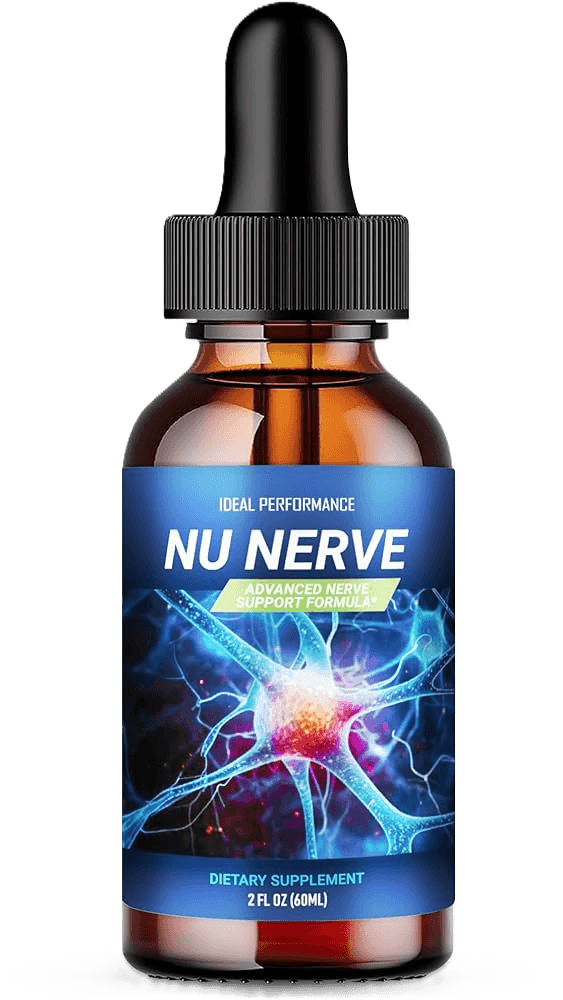
Full ingredient breakdown — what's inside and how the formula supports peripheral nerve health.
In This Article
Edited by Michael Anderson, Editor-in-Chief
Updated
Quick Answer
Nu Nerve is built around a neuropathy-specific ingredient stack — not a generic brain formula. The core of the product is R-Alpha Lipoic Acid (the most clinically studied compound for diabetic peripheral neuropathy), Palmitoylethanolamide (PEA), and Benfotiamine, supported by Methyl-B12, Vitamin B6, Lion's Mane, Whole Coffee Fruit Extract, and Curcumin. Together, they target three distinct nerve mechanisms: mitochondrial protection, myelin repair, and neuro-inflammation.
1. Formula Overview
Nu Nerve is designed around a specific physiological target most brain supplements ignore: peripheral nerves — the long, delicate fibers running from the spinal cord to the hands, feet, and extremities. That distinction matters. Cognitive supplements focus on neurotransmitter modulation inside the brain. Nu Nerve instead targets the mitochondria, myelin sheath, and inflammatory signaling of peripheral nerves — the tissues most often affected by diabetic neuropathy, chemotherapy-induced nerve damage, and age-related nerve decline.
The formula is organized into three functional layers. The first is the mitochondrial and antioxidant layer — R-Alpha Lipoic Acid and Curcumin — which addresses oxidative stress inside nerve cells. The second is the myelin and nerve-signaling layer — Methyl-B12, Vitamin B6, and Benfotiamine — which supplies the raw materials nerves need to rebuild their insulating sheath and conduct signals properly. The third is the nerve-growth and pain-modulation layer — Lion's Mane, PEA, and Whole Coffee Fruit Extract — which supports nerve regeneration and calms the inflammatory signaling that drives neuropathic discomfort. For a side-by-side look at how this translates into real-world results, see our Does Nu Nerve Really Work? breakdown.
2. Full Ingredient Table
| Ingredient | Role | Why It Matters for Neuropathy |
|---|---|---|
| R-Alpha Lipoic Acid | Mitochondrial antioxidant | The single most clinically studied compound for diabetic peripheral neuropathy. Randomized trials (including ALADIN and SYDNEY) show measurable improvements in burning pain, numbness, and paresthesia. Protects nerve mitochondria from oxidative damage. |
| Palmitoylethanolamide (PEA) | Anti-inflammatory lipid | A naturally occurring fatty acid amide with strong clinical data for neuropathic pain, sciatica, and chronic nerve discomfort. Works through the PPAR-alpha pathway to calm overactive nerve signaling without sedation. |
| Benfotiamine (Vitamin B1) | Myelin and glucose metabolism | A lipid-soluble form of thiamine with roughly 5x the bioavailability of standard B1. Specifically studied for diabetic neuropathy — it blocks the formation of advanced glycation end-products (AGEs) that damage nerve tissue in diabetics. |
| Methylcobalamin (Vitamin B12) | Myelin sheath synthesis | The active, bioavailable form of B12 — essential for myelin repair and nerve regeneration. B12 deficiency is a well-documented cause of peripheral neuropathy, and supplementation can reverse nerve symptoms when deficiency is the root cause. |
| Vitamin B6 (P5P) | Nerve signaling cofactor | Essential cofactor for neurotransmitter synthesis and nerve impulse transmission. The P5P form is the active coenzyme used directly by nerve tissue, avoiding the conversion step required by cheap pyridoxine HCl. |
| Lion's Mane (Hericium erinaceus) | Nerve growth factor support | Contains hericenones and erinacines — compounds shown to stimulate nerve growth factor (NGF) production. Supports peripheral nerve regeneration and myelination, particularly relevant for nerves with ongoing damage. |
| Whole Coffee Fruit Extract | BDNF support | The fruit surrounding the coffee bean, rich in polyphenols shown to elevate brain-derived neurotrophic factor (BDNF) — a key protein that supports the survival and growth of both central and peripheral neurons. |
| Curcuma Longa (Curcumin) | Anti-inflammatory polyphenol | Targets the inflammatory signaling cascades (NF-kB, TNF-alpha) that contribute to chronic neuropathic pain. Emerging research shows curcumin can protect nerve cells from inflammatory damage and support nerve conduction. |
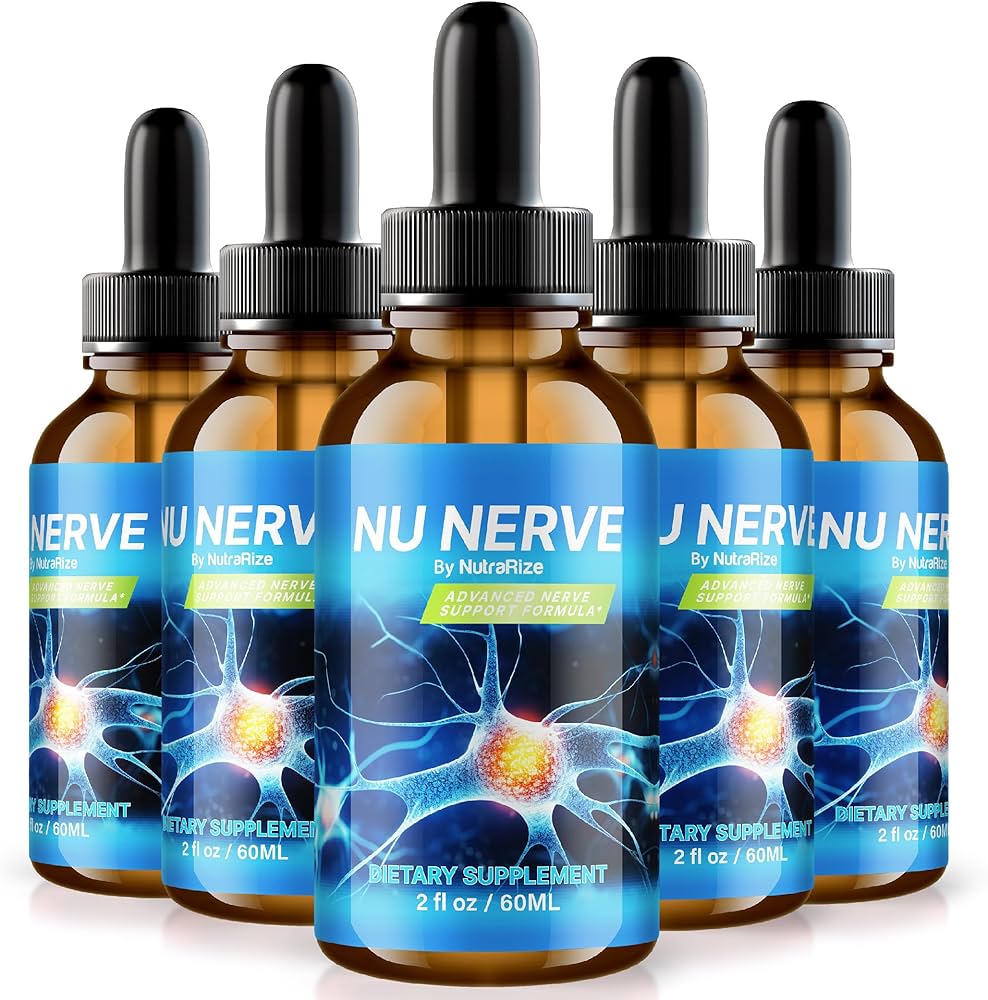
3. How They Work Together
The Nu Nerve formula is built around the three main drivers of peripheral nerve dysfunction: oxidative stress, myelin damage, and neuro-inflammation. Each ingredient layer targets one of these drivers, and together they address the full cycle of nerve deterioration rather than a single symptom.
Layer 1 — Mitochondrial Protection. Peripheral nerves are metabolically demanding, and they rely heavily on healthy mitochondria. When mitochondria become damaged by oxidative stress — a major issue in diabetes, aging, and chemotherapy exposure — nerves start firing incorrectly, producing the burning, tingling, and numbness typical of neuropathy. R-Alpha Lipoic Acid is unique here because it is both water- and fat-soluble, meaning it reaches both the cytoplasm and the lipid membranes of mitochondria. Curcumin reinforces this layer by quenching the inflammatory radicals that accumulate around damaged nerves.
Layer 2 — Myelin Repair and Signal Conduction. Nerves are insulated by myelin, and when that insulation breaks down, signals become slow, chaotic, or painful. Methyl-B12 is a direct precursor to myelin synthesis, and B6 (P5P) acts as a cofactor in the enzymatic reactions that build it. Benfotiamine enters this layer from a different angle — it protects against the glucose-driven nerve damage caused by AGEs, which is why it has the strongest data in diabetic neuropathy specifically. Together, they work as a coordinated nerve-maintenance team.
Layer 3 — Regeneration and Pain Modulation. Once damage is limited and myelin is repaired, the final layer supports nerve regrowth and calms pain signaling. Lion's Mane stimulates NGF, the growth factor peripheral nerves need to regenerate their axons. Whole Coffee Fruit Extract supports BDNF, another critical nerve-survival protein. And PEA calms the over-activation of nerve pain receptors through a non-opioid, endocannabinoid-adjacent mechanism studied for sciatica, diabetic neuropathy, and chronic nerve pain.
The result is a formula with unusual depth for peripheral nerve health — not a generic brain booster relabeled for neuropathy. For a deeper look at what users can realistically expect, see Nu Nerve Benefits vs Marketing Claims.
4. What Makes This Formula Different
Most "nerve support" supplements on the market are disguised B-complex vitamins — a generic blend of B1, B6, and B12 with little else. Nu Nerve is different in three specific ways.
First, the inclusion of R-Alpha Lipoic Acid at a meaningful dose. ALA is the gold-standard nerve antioxidant in clinical research. The R-isomer (the naturally occurring form) is more bioavailable than the racemic mixture used in cheaper products, and it is rarely included in competitor formulas because it costs more.
Second, the inclusion of PEA. Palmitoylethanolamide has strong European clinical data for neuropathic pain but is almost never seen in U.S. neuropathy supplements. Its presence signals a formulator who understands the peripheral pain literature — not just the "supportive vitamins" category.
Third, the use of Benfotiamine instead of regular thiamine. Benfotiamine is the lipid-soluble, high-bioavailability form of B1 specifically studied for diabetic neuropathy. Using it instead of generic thiamine HCl is a meaningful upgrade that adds cost but also adds real effect.
Together, ALA, PEA, and Benfotiamine form the backbone of a serious neuropathy formula. Everything else (Lion's Mane, B12, B6, Curcumin, Coffee Fruit) builds on that foundation. This is why Nu Nerve reads more like a clinician's neuropathy stack than a mass-market nerve vitamin.
Pricing Options for Nu Nerve
Nu Nerve is available in multiple package options designed to support different usage timelines. Many users choose multi-bottle packages because consistent daily use typically delivers the best results. Longer supply options also reduce the cost per unit.
1 Bottle
30-Day Supply
- 60-day Money-Back Guarantee
- Secure Checkout
6 Bottles
180-Day Supply
- 60-day Money-Back Guarantee
- Free USA Shipping
- Secure Checkout
Save $120
Shop Now3 Bottles
90-Day Supply
- 60-day Money-Back Guarantee
- Free USA Shipping
- Secure Checkout
Save $30
Shop NowEvery order is backed by a 60-day money-back guarantee. Only available through the official website.
Frequently Asked Questions
Which Nu Nerve ingredient has the strongest evidence for neuropathy?
R-Alpha Lipoic Acid has the most robust clinical evidence of any ingredient in the formula, especially for diabetic peripheral neuropathy. Randomized controlled trials like ALADIN I-III and SYDNEY have shown reductions in burning pain, numbness, and paresthesia. PEA and Benfotiamine also have meaningful human data specifically in neuropathic pain and diabetic nerve damage.
Is the Nu Nerve formula just another B-complex?
No. While Nu Nerve does contain Methyl-B12, P5P (B6), and Benfotiamine (B1), those are supporting ingredients — not the core. The formula's differentiators are R-Alpha Lipoic Acid, PEA, Lion's Mane, Curcumin, and Whole Coffee Fruit Extract, which together target oxidative stress, neuro-inflammation, and nerve regeneration. A generic B-complex cannot match that mechanism coverage.
Why does Nu Nerve use Benfotiamine instead of regular vitamin B1?
Benfotiamine is a fat-soluble form of thiamine with roughly five times the bioavailability of standard water-soluble B1. More importantly, it blocks the formation of advanced glycation end-products (AGEs) — a major mechanism of nerve damage in diabetes. This is why benfotiamine is the form used in nearly every clinical trial of thiamine for diabetic neuropathy.
Does Nu Nerve contain any stimulants or caffeine?
No. Despite including Whole Coffee Fruit Extract, that ingredient is the fruit surrounding the bean — not the bean itself — and it is standardized for polyphenols, not caffeine. The formula is stimulant-free and can be taken morning or evening without disrupting sleep.
Research & Transparency
This content is based on publicly available ingredient research, manufacturer disclosures, and product labeling. We are not affiliated with the manufacturer.
(a) Alpha-lipoic acid in the treatment of diabetic peripheral neuropathy: a meta-analysis. PMC4439613
(b) Palmitoylethanolamide in the treatment of chronic pain: a systematic review. PMC5641835
(c) Benfotiamine in diabetic polyneuropathy (BENDIP): a randomised, double blind, placebo-controlled study. PubMed 18473286
(d) Hericium erinaceus (Lion's Mane) and its role in nerve growth factor synthesis. PMC3924982
About the Author
Emily Carter is a contributor at The Supplement Post focused on brain and neurological health. Her work covers cognitive support, peripheral neuropathy, and evidence-aware supplement analysis for consumers navigating nerve-related symptoms. She is not a medical doctor — she analyzes publicly available research to provide accessible summaries for readers exploring natural nerve support options.
Disclosure
All content is for informational purposes only and is not a substitute for professional medical advice. Each product reviewed is a dietary supplement, not a prescription drug. Results may vary based on individual health status, consistency of use, and lifestyle. This page may contain affiliate links — if you purchase through them, we may earn a small commission at no additional cost to you. Read our Editorial Policy.