
Does Nu Nerve Really Work? Evidence & Results Timeline
The honest answer on whether this formula works — mechanism, evidence, and realistic results timeline.
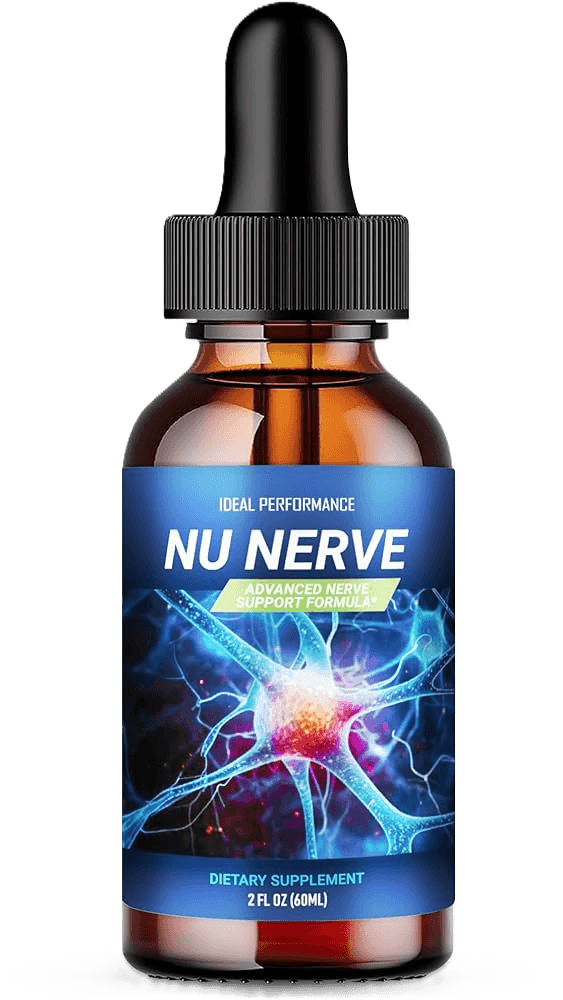
The science and the timeline — what actually happens inside damaged nerves over 12 weeks.
In This Article
Edited by Michael Anderson, Editor-in-Chief
Updated
Quick Answer
Yes, Nu Nerve can work for neuropathy — but it works on a biological timeline, not a pharmaceutical one. The formula targets four nerve pathways at once: inflammation (PEA + Curcumin), mitochondrial energy (R-Alpha Lipoic Acid), myelin repair (B12, B6, Benfotiamine) and neurotrophic regeneration (Lion's Mane NGF + Coffee Fruit BDNF). Most users notice meaningful changes around weeks 4-6, with the full evaluation window at weeks 8-12. Nu Nerve does not replace medical treatment for neuropathy — it complements it.
1. The Science — How Nu Nerve Targets 4 Nerve Pathways
Most neuropathy supplements pick one mechanism and hope for the best. The reason many disappoint is that neuropathy is not a single-pathway problem — it involves inflammation, mitochondrial dysfunction, myelin damage, and stalled nerve regeneration, all at the same time. Nu Nerve’s design goes after all four simultaneously.
Pathway 1 — Inflammation Modulation (PEA + Curcumin)
PEA (Palmitoylethanolamide) is the most interesting ingredient in the formula from a neuropathic-pain standpoint. It is an endogenous fatty-acid amide that your body already makes, and it works by activating PPAR-alpha receptors, engaging the endocannabinoid system indirectly, and — crucially — down-regulating mast cells around irritated nerves(a). Clinical studies and meta-analyses have looked at PEA for chronic neuropathic pain, and results consistently show modest but meaningful symptom reduction with no sedating side effects.
Curcumin reinforces this pathway with broad anti-inflammatory activity, inhibiting NF-κB and multiple inflammatory cytokines. It is not a “replace the prescription” ingredient, but it compounds with PEA to quiet the local inflammation that drives burning and tingling.
Pathway 2 — Mitochondrial Support (R-Alpha Lipoic Acid)
This is the single best-studied ingredient in the formula. R-Alpha Lipoic Acid (R-ALA) has been evaluated in multiple randomised trials for diabetic peripheral neuropathy, typically at around 600 mg/day, and meta-analyses have shown meaningful symptom improvement versus placebo(b). R-ALA is the natural R-enantiomer — the form your body actually uses — rather than the cheaper racemic mixture.
R-ALA matters because it does three things at once: it crosses the blood-brain barrier, it recycles other antioxidants (vitamin C, vitamin E, glutathione), and it acts as a universal antioxidant in both water and fat compartments inside the cell. The net effect is improved mitochondrial ATP production inside nerve cells that were running on fumes. Better energy in the nerve means better function and less symptom output.
Pathway 3 — Myelin Synthesis (B12 + B6 + Benfotiamine)
Nerves conduct electricity through a fatty insulating sheath called myelin. When myelin frays or gets damaged, signals misfire as tingling, numbness, or shooting pain. Three B-vitamins are essential cofactors for myelin repair: B12 (cobalamin), B6 (pyridoxine), and B1 in its benfotiamine form.
Benfotiamine is the fat-soluble version of thiamine — it is absorbed dramatically better than regular B1 and is the form specifically studied for diabetic polyneuropathy in the BENDIP trial(c). B12 deficiency alone is a textbook cause of peripheral neuropathy, and restoring it is frequently the single biggest lever for restoring clean nerve signaling. The three together cover the main B-vitamin bases that matter for myelin.
Pathway 4 — Neurotrophic Regeneration (Lion’s Mane + Coffee Fruit)
This is the pathway that separates Nu Nerve from a standard B-complex. Lion’s Mane mushroom contains hericenones and erinacines — compounds that in preclinical research stimulate Nerve Growth Factor (NGF) production(d). NGF is one of the body’s key signals for actually growing new nerve fibers and repairing damaged ones.
Coffee Fruit Extract (whole coffee cherry, not caffeine) has been studied for raising Brain-Derived Neurotrophic Factor (BDNF), another critical neurotrophin involved in nerve maintenance and repair.
The honest caveat: nerve regeneration is slow. We are talking weeks to months of daily support, not days. But this is the pathway that turns symptom relief into structural recovery over time — and it is what most neuropathy formulas leave out entirely.
2. Honest Comparison — Nu Nerve vs Gabapentin/Pregabalin
This is where a lot of neuropathy content gets dishonest, so here is the straight version:
Gabapentin and pregabalin mask symptoms. They do not repair nerves. These prescription drugs work by calming overactive nerve-signal transmission — they turn down the volume on the pain, but they do nothing for the underlying inflammation, mitochondrial dysfunction, or myelin damage that is causing the nerves to misfire in the first place. They are symptom-management drugs, and side effects (drowsiness, dizziness, weight gain, cognitive dulling) are common enough that many patients look for alternatives.
Nu Nerve does the opposite. It does not block pain signals — it targets the underlying machinery of nerve health: inflammation, energy production, myelin, and regeneration. That is why it is slower to work (weeks, not hours) and why the effect compounds over time rather than fading when you stop taking it.
This is not an either/or. If you are on prescription neuropathy medication, Nu Nerve is meant to complement it, not replace it. Do not stop a prescribed medication without talking to your doctor. Many patients use the supplement alongside their current regimen and, over months, work with their physician to re-evaluate dosing if symptoms improve. That is a medical conversation, not a supplement decision.
For a full look at safety considerations, see our Nu Nerve side effects guide.
3. Results Timeline — What to Expect and When
This timeline reflects the pharmacology of the ingredients combined with common reporting patterns. Nerve tissue is slow to heal — slower than almost any other tissue in the body — which is why the window is longer than you might expect for a supplement.
| Timeline | What to Expect |
|---|---|
| Week 1-3 | B-vitamins, R-ALA and PEA begin accumulating. Most users notice very little here. Some report slightly calmer evenings or subtly reduced burning intensity, but meaningful change is rare in this window. This is a loading phase — the formula is doing work you cannot feel yet. |
| Week 4-6 | Anti-inflammatory and mitochondrial benefits become noticeable. PEA + Curcumin quiet the local nerve inflammation; R-ALA improves nerve-cell energy. Users typically report softer burning, less tingling intensity, and better sleep because symptoms intrude less at night. This is where most buyers form their first real opinion. |
| Week 8-12 | Full evaluation window. Lion's Mane and Coffee Fruit have had time to support actual nerve regeneration. B-vitamin myelin repair compounds with the anti-inflammatory base. Strong responders see meaningful improvement in symptom frequency and intensity. This is the window to judge the formula — not earlier. |
| Month 4+ | Maintenance phase. Continued daily use sustains the four-pathway support and allows the slow regeneration process to keep working in the background. Most responders continue using the formula to consolidate gains and reduce flare-up frequency. |
The key takeaway: weeks 8-12 are where you judge this product. Anything before that is too early. If you are still seeing nothing by week 12 with consistent daily use, the formula is likely not the right fit for your specific neuropathy — and it is worth revisiting the underlying cause with your doctor. For the full ingredient breakdown that drives this timeline, see our Nu Nerve ingredient scorecard.
4. What Helps Your Results
Nerve repair does not happen in a vacuum. These factors directly influence how well the formula performs:
- Blood sugar control. If diabetic neuropathy is the driver, high blood glucose actively damages nerves faster than any supplement can repair them. Tight glucose control is non-negotiable for real results.
- B12 baseline. Get your B12 tested. If you are deficient (or borderline), the myelin-repair pathway is working uphill. Many users see dramatic improvement simply from correcting an unrecognised B12 deficiency.
- Consistency. This is the single biggest factor. Skipping days breaks the accumulation cycle — and with slow-healing tissue like nerves, that sets progress back meaningfully. Daily use at roughly the same time is the baseline requirement.
- Reducing neurotoxic exposures. Heavy alcohol use and poorly-managed blood sugar actively work against nerve repair. If either applies, address them in parallel.
- Patience. Twelve weeks is the honest evaluation window. Most users who quit early quit at week 3-4, right before the anti-inflammatory and mitochondrial pathways would have started showing results.
Pricing Options for Nu Nerve
Nu Nerve is available in multiple package options designed to support different usage timelines. Many users choose multi-bottle packages because consistent daily use typically delivers the best results. Longer supply options also reduce the cost per unit.
1 Bottle
30-Day Supply
- 60-day Money-Back Guarantee
- Secure Checkout
6 Bottles
180-Day Supply
- 60-day Money-Back Guarantee
- Free USA Shipping
- Secure Checkout
Save $120
Shop Now3 Bottles
90-Day Supply
- 60-day Money-Back Guarantee
- Free USA Shipping
- Secure Checkout
Save $30
Shop NowEvery order is backed by a 60-day money-back guarantee. Only available through the official website.
Frequently Asked Questions
How long does Nu Nerve take to work?
Most users notice subtle changes in burning and tingling intensity around weeks 4-6 of consistent daily use, driven by the PEA + Curcumin + R-ALA pathways. Meaningful improvement in symptom frequency typically appears in the week 8-12 window, once the Lion's Mane and Coffee Fruit have had time to support actual nerve regeneration. Nerve tissue heals more slowly than other tissue in the body, which is why the evaluation window is longer.
How is Nu Nerve different from gabapentin or pregabalin?
Gabapentin and pregabalin mask neuropathic pain by calming overactive nerve-signal transmission, but they do nothing for the underlying inflammation, mitochondrial dysfunction, or myelin damage. Nu Nerve targets those root causes directly — inflammation (PEA + Curcumin), mitochondrial energy (R-ALA), myelin repair (B-vitamins), and regeneration (Lion's Mane + Coffee Fruit). It is slower to work but addresses structure rather than just symptoms. It is not a replacement for prescription medication — discuss any changes with your doctor.
What is the clinical evidence for Nu Nerve's key ingredients?
R-Alpha Lipoic Acid has the strongest evidence base — multiple randomised trials and meta-analyses support its use for diabetic peripheral neuropathy at around 600 mg/day. PEA has a growing literature for chronic neuropathic pain, benfotiamine has been studied specifically in the BENDIP diabetic polyneuropathy trial, and Lion's Mane has preclinical evidence for NGF stimulation. Coffee Fruit extract for BDNF is the least mature of the five from a clinical standpoint but has supportive preclinical data.
Should I talk to a doctor before starting Nu Nerve?
Yes. Neuropathy has many possible causes — diabetes, B12 deficiency, chemotherapy, autoimmune disease, compressed nerves — and several of them need medical workup before you treat symptoms. Talk to your doctor before starting Nu Nerve, particularly if you take blood thinners (curcumin can interact), diabetes medications, or chemotherapy drugs. Nu Nerve is meant to complement medical care, not replace it.
Research & Transparency
This content is based on publicly available ingredient research, manufacturer disclosures, and product labeling. We are not affiliated with the manufacturer.
(a) Palmitoylethanolamide in the Treatment of Chronic Pain: A Systematic Review and Meta-Analysis. PMC5767492
(b) Alpha-lipoic acid for symptomatic peripheral neuropathy in patients with diabetes. PubMed 22331380
(c) Benfotiamine in diabetic polyneuropathy (BENDIP): results of a randomised, double blind, placebo-controlled clinical study. PubMed 18473286
(d) Neurotrophic properties of the Lion's mane medicinal mushroom, Hericium erinaceus. PubMed 24266378
About the Author
Emily Carter is a contributor at The Supplement Post focused on brain and peripheral nerve health. Her work analyzes the clinical literature behind neuropathy, cognitive support, and neurotrophic supplementation, and translates it into consumer-friendly summaries. She is not a medical doctor — she reviews publicly available research to help readers make informed decisions about nerve and brain health products.
Disclosure
All content is for informational purposes only and is not a substitute for professional medical advice. Each product reviewed is a dietary supplement, not a prescription drug. Results may vary based on individual health status, consistency of use, and lifestyle. This page may contain affiliate links — if you purchase through them, we may earn a small commission at no additional cost to you. Read our Editorial Policy.