
Does NeuroZoom Really Work? Mechanism & Results Timeline
The honest answer on whether this formula works — mechanism, evidence, and realistic results timeline.
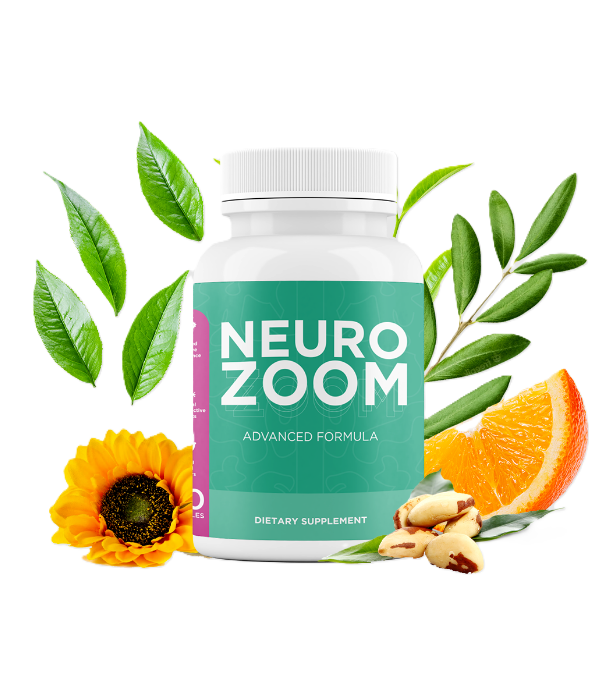
The science, the honest dose analysis, and the timeline — what happens when you commit to the routine.
In This Article
Edited by Michael Anderson, Editor-in-Chief
Updated
Quick Answer
Yes, NeuroZoom works — but the honest version is more nuanced than the marketing. The formula targets four brain pathways simultaneously through a multi-nutrient strategy, and the benefits are most pronounced in aging adults whose diet leaves them short on multiple cognitive cofactors. Expect meaningful changes around weeks 4-8 of consistent daily use, with the full evaluation window at weeks 8-12. Below is the mechanism and a dose-honest breakdown.
1. The 4 Pathways Behind NeuroZoom
Most nootropics target one mechanism — and do it well. NeuroZoom takes the opposite approach: it targets four brain pathways simultaneously with smaller doses across a wider ingredient spread. Here is how each pathway works.
Pathway 1 — Cholinergic Boost (Choline + DMAE + Huperzine A → Acetylcholine Availability). Acetylcholine is the neurotransmitter most directly tied to memory, learning, and recall. NeuroZoom approaches this pathway from three angles at once. Choline provides the raw dietary precursor your brain converts into acetylcholine. DMAE supports choline availability and neuronal turnover. Huperzine A inhibits acetylcholinesterase — the enzyme that breaks acetylcholine down after use. Boosting supply, turnover, and half-life simultaneously is more complete than single-ingredient nootropics targeting only one step(b).
Pathway 2 — Nutrient Base Correction (B-Complex + Minerals + DHA + Vitamin E). This is the pathway the marketing understates but that matters most for the target audience. Cognitive function depends on dozens of cofactors: B-vitamins (especially B6, B12, and folate) regulate homocysteine and support neurotransmitter synthesis(c). Minerals (zinc, selenium, copper, magnesium) act as enzyme cofactors throughout the brain. DHA integrates into neuronal membranes and supports signaling speed(d). Vitamin E protects those membranes from lipid peroxidation. If you have been running short on any of these for years, filling the gaps produces cognitive benefits that single-ingredient nootropics simply cannot match — because they are not addressing the deficiency.
Pathway 3 — Membrane and Structural Support (Phosphatidylserine + Inositol). Your neurons communicate through cell membranes, and the composition of those membranes directly affects signaling quality. Phosphatidylserine is the phospholipid most concentrated in brain cell membranes — and notably, the FDA has issued a qualified health claim stating that phosphatidylserine may reduce the risk of cognitive dysfunction in the elderly(a). That is a rare regulatory acknowledgment for a supplement ingredient. Inositol supports second-messenger signaling inside neurons. Together they support the structural and signaling integrity of the neuron itself.
Pathway 4 — Botanical Synergy (Bacopa + Green Tea EGCG + Bilberry). The botanical layer adds three well-studied compounds targeting different functions. Bacopa monnieri has repeated clinical trials supporting its effect on memory retention and learning speed with 8-12 weeks of consistent use. Green Tea EGCG provides a neuroprotective polyphenol with evidence for supporting neuronal resilience against oxidative stress. Bilberry supports cerebral microcirculation — the fine capillary blood flow that delivers oxygen and nutrients to brain tissue. These botanicals do not replace the core pathways; they complement them.
2. Honest Talk — The 35+ Ingredient Trade-Off
Here is the honest angle most review sites will not give you: cramming 35+ ingredients into a daily capsule means the dose of each individual ingredient is necessarily smaller than what you would find in a focused single-ingredient stack. This is a real trade-off and worth being clear about.
The trade-off in plain terms. A dedicated Bacopa supplement typically delivers 300-600 mg per day. A dedicated phosphatidylserine product delivers 300 mg. A dedicated Huperzine A nootropic delivers 200-400 mcg. NeuroZoom contains all of these — but spread across a 35+ ingredient matrix, the doses of individual compounds sit below what you would get from a single-ingredient stack targeting one mechanism.
Why it still works for the right person. The multi-nutrient angle is not trying to beat focused stacks at their own game. It works best for people whose cognitive issues are not from one missing compound, but from dozens of small gaps accumulated over years. For an aging adult whose diet has been inconsistent, whose homocysteine is creeping up from low B-vitamin intake, whose DHA status is low, whose mineral cofactors are marginal — filling twenty small gaps simultaneously often produces more benefit than maxing out a single pathway that was not the bottleneck.
Who it does not work for. If you already eat a nutrient-dense diet, take a high-quality multivitamin, and your cognitive concerns are narrowly defined (say, you want sharper focus for a specific task), a focused nootropic stack targeting that one mechanism will likely outperform NeuroZoom. The multi-nutrient approach is foundation work — not peak performance optimization. For the full dose-by-dose breakdown, see our NeuroZoom ingredient scorecard.
3. Results Timeline — What to Expect and When
This timeline reflects the general pharmacology of multi-nutrient brain formulas combined with clinical data on the core ingredients. Individual results depend on baseline nutrient status, age, diet, and consistency.
| Timeline | What to Expect |
|---|---|
| Week 1-3 | B-vitamin and mineral cofactors begin replenishing. Homocysteine regulation improves. Some users notice mild gains in daytime mental energy or clarity. Acetylcholine and membrane support are still building — dramatic changes are unlikely this early. |
| Week 4-6 | Cholinergic support reaches meaningful availability. DMAE and Huperzine A effects on acetylcholine turnover become noticeable. Users often report better recall, improved focus stability, and calmer mental energy. First real signs the formula is working for you. |
| Week 8-12 | Full accumulation window. Phosphatidylserine has integrated into membranes. Bacopa effects on memory retention reach their clinical plateau (Bacopa trials typically run 8-12 weeks for good reason). This is the real evaluation point — if the formula fits your biology, benefits should be clearly measurable now. |
| Month 4+ | Resilience phase. Continued daily use sustains cognitive support and neuroprotective benefits. Results plateau — the goal shifts from building to maintaining. Stopping abruptly leads to a gradual return toward baseline over several weeks, especially as acetylcholine support fades first. |
The key takeaway: weeks 8-12 are where you judge this product. Anything before week 6 is too early for a multi-nutrient formula. If you are still seeing nothing by week 12 with consistent daily use, the formula is likely not filling the specific gaps your cognition needs filled — and a focused single-ingredient approach may serve you better.
4. What Helps Your Results
Multi-nutrient brain support does not happen in a vacuum. These factors directly influence how well the formula works:
- Consistency. This is the single biggest factor. Skipping days disrupts the accumulation curve — especially for Bacopa and phosphatidylserine, which require steady daily intake for weeks to reach effective levels.
- Diet quality. NeuroZoom fills gaps; it does not replace food. A diet low in protein, choline-rich foods (eggs, fish), and leafy greens will limit how much benefit you get. Pair the formula with real food for best results.
- Sleep. Memory consolidation and synaptic pruning happen during deep sleep. Seven to eight hours is not optional. No nootropic overrides chronic sleep deprivation.
- Hydration. Even mild dehydration measurably impairs cognitive performance. The formula cannot work around a dehydrated brain.
- Exercise. Physical activity stimulates BDNF (brain-derived neurotrophic factor), the growth signal that supports neuronal health. Moderate cardio 3-4 times per week compounds with multi-nutrient support.
Conversely, high alcohol intake, chronic stress, and inconsistent dosing all work against the formula. If you are not seeing results by week 8, address those factors before concluding the supplement does not work. For a full look at safety considerations, see our NeuroZoom side effects guide.
Pricing Options for NeuroZoom
NeuroZoom is available in multiple package options designed to support different usage timelines. Many users choose multi-bottle packages because consistent daily use typically delivers the best results. Longer supply options also reduce the cost per unit.
1 Bottle
30-Day Supply
- 60-day Money-Back Guarantee
- Secure Checkout
6 Bottles
180-Day Supply
- 60-day Money-Back Guarantee
- Free USA Shipping
- Secure Checkout
3 Bottles
90-Day Supply
- 60-day Money-Back Guarantee
- Free USA Shipping
- Secure Checkout
Every order is backed by a 60-day money-back guarantee. Only available through the official website.
Frequently Asked Questions
How long does NeuroZoom take to work?
Most users notice subtle mental energy improvements within 2-3 weeks as B-vitamin cofactors replenish. Meaningful memory and focus changes from the cholinergic pathway typically appear around weeks 4-6, with the full evaluation window at weeks 8-12. Bacopa — one of the core botanicals — requires 8-12 weeks to reach its documented clinical effect, which is why this is not an overnight supplement.
How is NeuroZoom different from focused single-ingredient nootropics?
Single-ingredient nootropics (like a standalone Bacopa, Alpha-GPC, or Lion's Mane product) deliver higher doses of one compound targeting one mechanism. NeuroZoom takes the opposite approach — smaller doses across 35+ ingredients targeting four pathways simultaneously. The multi-nutrient approach works best for aging adults with accumulated dietary gaps; focused stacks work better for optimizing a single narrow outcome. Neither is universally superior — it depends on what your brain actually needs.
Does NeuroZoom really work for everyone?
No — and any product claiming it works for everyone is marketing, not medicine. NeuroZoom's multi-nutrient strategy works best for aging adults whose diets have been inconsistent and whose cognitive concerns stem from multiple small deficiencies. It works less well for people with already-optimal diets, younger adults without nutrient gaps, or individuals with diagnosed neurological conditions that require targeted medical treatment.
Should I talk to a doctor before starting NeuroZoom?
If you have a diagnosed neurological condition, take medications affecting acetylcholine (such as certain Alzheimer's treatments), use blood thinners, or have a history of bleeding disorders, consult your doctor before starting NeuroZoom. Huperzine A, phosphatidylserine, and DHA all have potential interactions that matter with specific medications.
Research & Transparency
This content is based on publicly available ingredient research, manufacturer disclosures, and product labeling. We are not affiliated with the manufacturer.
(a) Phosphatidylserine and the human brain — FDA qualified health claim background and clinical evidence. PubMed 25933483
(b) Huperzine A for treatment of Alzheimer's disease and vascular dementia. PMC8095333
(c) B-vitamins, homocysteine and brain function in older adults. PMC5307253
(d) DHA supplementation and cognitive function in aging adults. PMC4163942
About the Author
Emily Carter is a contributor at The Supplement Post and a research collaborator with the Smart Guide editorial group — an independent team dedicated to deeper evaluations of supplements across major health categories. Her work focuses on cognitive support, nootropic supplementation, and evidence-aware analysis of multi-nutrient brain formulas. She is not a medical doctor — she analyzes publicly available research to provide consumer-friendly summaries for adults exploring natural cognitive support options.
Disclosure
All content is for informational purposes only and is not a substitute for professional medical advice. Each product reviewed is a dietary supplement, not a prescription drug. Results may vary based on individual health status, consistency of use, and lifestyle. This page may contain affiliate links — if you purchase through them, we may earn a small commission at no additional cost to you. Read our Editorial Policy.