
Does NeuroPrime Really Work? Results Timeline & Science
The honest answer on whether this formula works — mechanism, evidence, and realistic results timeline.
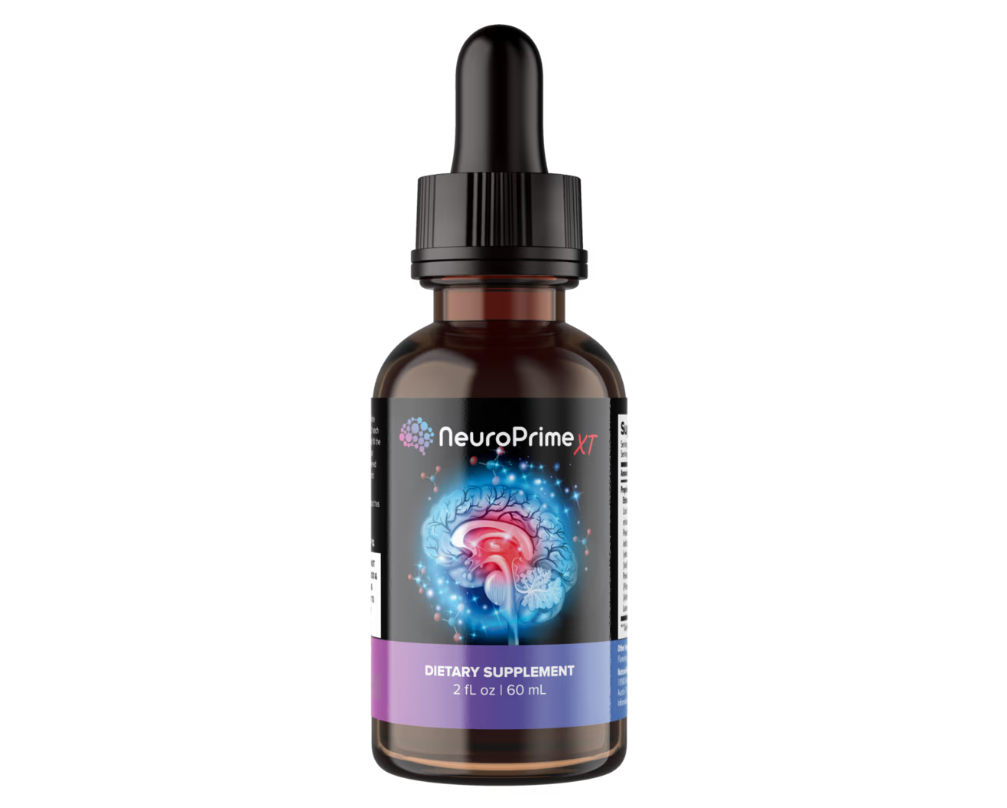
The science and the honest timeline — what happens when you commit to the routine.
In This Article
Edited by Michael Anderson, Editor-in-Chief
Updated
Quick Answer
Yes, NeuroPrime works — but it works on a biological timeline, not an overnight one. The formula targets four distinct brain pathways: NGF-driven neuroplasticity (Lion's Mane), cerebral circulation (Ginkgo + Pine Bark), antioxidant defense (Moringa + Spirulina + Pine Bark), and anti-inflammatory support (Tamarind + Neem). Most users notice subtle antioxidant and circulation effects around weeks 2-4, while the signature Lion's Mane NGF benefits take 8-16 weeks of consistent daily use to become measurable. The full evaluation window is month 4 and beyond.
1. The Four Brain Pathways NeuroPrime Targets
Most brain supplement marketing treats the brain like a single switch. The biology is more honest than that. Cognitive aging happens across at least four distinct pathways, and a credible multi-pathway formula needs to address each one with specific ingredients. NeuroPrime is built around this logic.
Pathway 1 — NGF and Neuroplasticity. Nerve Growth Factor (NGF) is the protein your brain uses to maintain, repair, and build connections between neurons. Low NGF activity is associated with reduced neuroplasticity — the biological capacity behind learning, memory consolidation, and recall. Lion’s Mane is the only well-studied food-based compound with preclinical evidence for NGF stimulation, via its hericenones (fruiting body) and erinacines (mycelium)(a). This is the signature pathway in NeuroPrime, and it is also the slowest — 8-16 weeks is the realistic window before cognitive effects become measurable(b).
Pathway 2 — Cerebral Circulation. Mental clarity depends on oxygen and nutrient delivery to brain tissue. Ginkgo Biloba is one of the most studied botanicals for microcirculation, particularly at the capillary level where the small vessels of the brain live(c). French Maritime Pine Bark extract adds a second layer — its proanthocyanidins support endothelial function and have been shown to cross the blood-brain barrier, combining circulation support with direct antioxidant action inside brain tissue(d).
Pathway 3 — Antioxidant Defense. Oxidative stress is one of the main biological drivers of age-related cognitive change. Neurons are particularly vulnerable because they consume large amounts of oxygen and are rich in polyunsaturated lipids. NeuroPrime stacks three antioxidant-dense ingredients that work on different free radical species: Moringa polyphenols (broad-spectrum), Spirulina phycocyanin (a unique blue-green antioxidant), and Pine Bark proanthocyanidins (BBB-crossing). Chlorella adds a detox-supportive angle associated with reducing the body’s overall oxidative burden.
Pathway 4 — Anti-Inflammatory Support. Chronic low-grade neuroinflammation is increasingly recognized as a key factor in cognitive aging and day-to-day brain fog. Tamarind provides polyphenols with documented anti-inflammatory activity, and Neem has a long history of use as a traditional immunomodulatory botanical. This is a slow-acting pathway — you will not feel it the way you feel a stimulant — but it is one of the mechanisms most relevant to long-term brain resilience.
These four pathways are not redundant. They stack. Running all four means the formula addresses cognitive decline at multiple biological levels simultaneously, which is the logic behind its multi-ingredient design.
2. How NeuroPrime Works — Ingredient by Mechanism
Here is the mechanism-level breakdown for the key ingredients. For the full dose-by-dose scorecard, see our NeuroPrime ingredient analysis.
- Lion’s Mane Mushroom — Hericenones and erinacines stimulate NGF production in preclinical models. Effective brain-level response requires 8-16 weeks of consistent daily intake. Fruiting body extract is generally considered superior to mycelium on grain substrate.
- Ginkgo Biloba — Supports microcirculation via platelet-activating factor modulation and vasodilatory effects on small cerebral vessels. Evidence is strongest in older adults with age-related circulation decline.
- French Maritime Pine Bark — Proanthocyanidins support endothelial function and provide blood-brain barrier-crossing antioxidant activity. Often standardized as Pycnogenol in research.
- Moringa — Polyphenols and quercetin provide broad-spectrum antioxidant support. Also contributes micronutrients relevant to general cellular health.
- Spirulina — Phycocyanin is the active antioxidant, unique among food-based compounds for its anti-inflammatory and free radical-scavenging profile.
- Chlorella — Associated with detox-supportive effects that may reduce the systemic oxidative burden the brain must manage.
- Tamarind — Polyphenols with documented anti-inflammatory activity, contributing to the formula’s inflammation-balance pathway.
- Neem — Traditional botanical with immunomodulatory effects. Part of the anti-inflammatory stack rather than a primary cognitive ingredient.
3. Honesty About the Liquid Format
This is where we break from most marketing copy. The liquid delivery format is a real practical advantage — but it is not magic, and it does not change the underlying biology of brain support.
What liquid format genuinely helps with:
- Faster absorption of some botanical actives compared to slow-dissolving capsules
- Easier dosing for people who struggle with swallowing capsules
- Better compliance — a liquid is harder to skip than a fistful of pills, and compliance is the single biggest factor in whether any multi-pathway formula delivers results
What liquid format does not do:
- It does not shorten Lion’s Mane’s 8-16 week NGF timeline. NGF-driven neuroplasticity is a slow biological process, not a delivery-speed problem.
- It does not bypass the fundamental pharmacology of botanical brain support. Ginkgo still takes weeks to compound. Antioxidant levels still need steady-state accumulation.
- It does not turn a botanical nootropic into a stimulant. NeuroPrime is not going to deliver an acute focus boost the way caffeine or Alpha-GPC does.
Anyone telling you that liquid format alone will deliver faster cognitive results is either confused or selling you something. The honest answer is that liquid delivery supports better compliance and slightly better absorption — and over 8-16 weeks of consistent use, those two small advantages compound into real outcomes.
4. Results Timeline — What to Expect and When
This timeline reflects the general pharmacology of the key ingredients combined with published research on Lion’s Mane, Ginkgo, and Pine Bark. Individual results depend on baseline cognitive health, age, diet, and consistency.
| Timeline | What to Expect |
|---|---|
| Week 1-4 | Antioxidant base phase. Polyphenols from Moringa, Pine Bark, Spirulina, and Tamarind begin reaching steady-state levels. Some users report subtle reductions in brain fog and slightly steadier focus. Lion's Mane has not yet reached meaningful NGF activity. Do not judge the product at this stage — this is the quiet phase. |
| Week 5-12 | Lion's Mane enters the window where NGF-driven cognitive effects have been observed in research. Cerebral circulation support from Ginkgo and Pine Bark compounds with daily dosing. Memory consolidation and recall may start to feel steadier. This is where most thoughtful buyers form their first real opinion. |
| Month 4+ | Full evaluation window. NGF-driven neuroplasticity, circulation benefits, and the cumulative antioxidant and anti-inflammatory base should all be measurably present if the formula works for you. This is the real judgment moment — not week 2, not week 6. |
| Month 6+ | Maintenance phase. Continued daily use sustains the infrastructure built during months 1-4. Stopping abruptly will cause a gradual return to baseline over several weeks as NGF stimulation and antioxidant levels taper. |
The key takeaway: weeks 8-16 are where you judge NeuroPrime. Anything before that is too early. If you are still seeing nothing by month 4 with consistent daily use, the formula is likely not the right fit for your body.
5. What Helps Your Results
Botanical brain support does not happen in a vacuum. These factors directly influence how well the formula works:
- Consistency. This is the single biggest factor. Skipping days disrupts the accumulation cycle — especially for Lion’s Mane, which needs continuous NGF stimulation to build effect. Daily use at roughly the same time is the baseline requirement.
- Sleep. Memory consolidation and synaptic pruning happen primarily during deep sleep. Seven to eight hours is not optional if you want real cognitive results.
- Diet. A polyphenol-rich diet (berries, leafy greens, olive oil, fatty fish) compounds with the formula’s antioxidant base. Highly processed diets work against it.
- Physical activity. Aerobic exercise is one of the most evidence-based cognitive interventions and directly supports NGF and BDNF signaling. Three to four sessions per week significantly amplify the formula’s effects.
- Stress management. Chronic stress elevates cortisol, which directly damages hippocampal neurons. No botanical formula can fully compensate for sustained high stress.
Conversely, chronic sleep deprivation, heavy alcohol use, and skipping doses all work against NGF and circulation support. If you are not seeing results by month 4, address those factors before concluding the supplement does not work. For a full look at safety and potential interactions, see our NeuroPrime side effects guide.
Pricing Options for NeuroPrime
NeuroPrime is available in multiple package options designed to support different usage timelines. Many users choose multi-bottle packages because consistent daily use typically delivers the best results. Longer supply options also reduce the cost per unit.
1 Bottle
30-Day Supply
- 365-day (best in class) Money-Back Guarantee
- Secure Checkout
6 Bottles
180-Day Supply
- 365-day (best in class) Money-Back Guarantee
- Free USA Shipping
- Secure Checkout
Save $120
Shop Now3 Bottles
90-Day Supply
- 365-day (best in class) Money-Back Guarantee
- Free USA Shipping
- Secure Checkout
Save $30
Shop NowEvery order is backed by a 365-day money-back (best in class) guarantee. Only available through the official website.
Frequently Asked Questions
How long does NeuroPrime take to work?
Most users report subtle antioxidant and circulation effects within weeks 2-4. The signature Lion's Mane NGF and neuroplasticity benefits take significantly longer — 8-16 weeks is the realistic window based on published research. The full evaluation window is month 4 and beyond. Anyone promising faster results is not being honest about the biology.
Does the liquid format make NeuroPrime work faster than capsules?
Liquid delivery can improve absorption of some botanical actives and supports better compliance, but it does not shorten the fundamental biological timeline of Lion's Mane, Ginkgo, or Pine Bark. NGF-driven neuroplasticity is a slow process regardless of how the ingredients are delivered. The real advantage of liquid is consistency, not speed.
How is NeuroPrime different from stimulant nootropics like caffeine or Alpha-GPC?
Stimulant nootropics deliver acute, same-day focus by acting on neurotransmitter systems. NeuroPrime is built for the opposite use case — gradual, compounding support for memory, circulation, and long-term cognitive resilience. You should not expect an immediate focus boost. You should expect slow infrastructure support that becomes noticeable at weeks 8-16 and accumulates from there.
Should I talk to a doctor before starting NeuroPrime?
Yes, especially if you take blood thinners (Ginkgo has a documented interaction), have a bleeding disorder, take medications for any neurological condition, or are pregnant or nursing. Older adults managing multiple prescriptions should always review new supplements with their physician before adding them to a daily routine.
Research & Transparency
This content is based on publicly available ingredient research, manufacturer disclosures, and product labeling. We are not affiliated with the manufacturer.
(a) Neurotrophic properties of the Lion's mane medicinal mushroom, Hericium erinaceus. PubMed 24266378
(b) Improving effects of the mushroom Yamabushitake (Hericium erinaceus) on mild cognitive impairment. PubMed 18844328
(c) Ginkgo biloba for cognitive impairment and dementia. PMC7390789
(d) Pycnogenol efficacy in the treatment of cognitive function. PubMed 25847065
About the Author
Emily Carter is a contributor at The Supplement Post and a research collaborator with the Smart Guide editorial group — an independent team dedicated to conducting deeper evaluations of supplements across major health categories. Her work covers brain health, neuro supplementation, blood sugar control, and evidence-aware supplement analysis. She is not a medical doctor — she analyzes publicly available research to provide consumer-friendly summaries for adults exploring cognitive support and neuroprotection options.
Disclosure
All content is for informational purposes only and is not a substitute for professional medical advice. Each product reviewed is a dietary supplement, not a prescription drug. Results may vary based on individual health status, consistency of use, and lifestyle. This page may contain affiliate links — if you purchase through them, we may earn a small commission at no additional cost to you. Read our Editorial Policy.