In This Review:
- 1. Product at a Glance
- 2. Burning, Tingling Feet and the Hours You Used to Count: Evidence, Concerns & Trends
- 3. What Nerve Relief Protocol Does and Benefits
- 4. Why We Rate It 4.4 / 5
- 5. Who It's Best For
- 6. How It Compares
- 7. Pricing Options
- 8. The Mechanism + Full Ingredient List
- 9. Side Effects & Safety
- 10. Final Verdict
- 11. FAQs
Reviewed by The Supplement Post Editorial Team, Editorial Review
Updated
1. Product at a Glance
| Product | Nerve Relief Protocol |
| Category | Pain & Joint / Nerve Comfort & Sensation / Once-Daily Gummy |
| Format | One gummy a day, taken at the same time each morning — no water, no capsule, nothing to line up on the counter. |
| Key Ingredients | Ashwagandha extract, zinc and vitamin D3 (as cholecalciferol) |
| Manufacturing | Made in the USA, according to the manufacturer, with a short, fully disclosed ingredient list and no proprietary blend. |
| Guarantee | 60-day money-back |
| Our Rating | 4.4 / 5 |
Quick Verdict
Is Nerve Relief Protocol real or hype? It is real, and the reason is unusually easy to check: three named nutrients, no proprietary blend, and two of the three have 2026 human papers pointed at peripheral nerves specifically.
The routine is one gummy with breakfast. No water, no capsule, nothing to line up on the counter — which is the comparison the manufacturer's own page draws, and a fair one for anyone currently timing two to four bottles a day.
Inside it: zinc, which a 2026 review in The International Journal of Lower Extremity Wounds examines against diabetic peripheral neuropathy; vitamin D3, which a 2026 study in Nutritional Neuroscience links to neuropathic pain where levels were deficient; and ashwagandha extract, whose strongest human evidence is in sleep and stress rather than nerve repair. That third one is worth stating plainly, because nerve discomfort is loudest in the evening and a night that goes better is a real part of the experience.
What this is: daily support for nerve comfort, built on nutrients you can look up one by one. What it is not: a treatment, and not a replacement for anything a doctor prescribed. The 60-Day Satisfaction Promise runs a full month past the point the manufacturer itself calls the deciding one, which is what makes trying it a contained decision.
2. Burning, Tingling Feet and the Hours You Used to Count: Evidence, Concerns & Trends
Before the formula itself, three things worth knowing about nerve discomfort in the feet — what the evidence actually supports, what a supplement can and cannot do here, and why a short label is the useful kind.
| What people wonder | What the evidence shows | What it means for you |
|---|---|---|
| “Does a nutrient really have anything to do with nerve sensation?” | For zinc, yes. A 2026 review in The International Journal of Lower Extremity Wounds is devoted to diabetic peripheral neuropathy and zinc, and a 2026 study in Endocrinology, Diabetes & Metabolism measured serum zinc against polyneuropathy in people with type 2 diabetes. | Zinc status and peripheral nerve behaviour are genuinely linked in recent human work. That is support, not a cure — but it is more than most nerve formulas can point to. |
| “I already take a multivitamin. Is vitamin D different here?” | A 2026 study in Nutritional Neuroscience reports that deficient vitamin D worsens diabetic peripheral neuropathy and that supplementation eases neuropathic pain. The finding is about correcting a shortfall. | If your level is already good, this nutrient is maintenance. If it is low — common for anyone indoors most of the day — it is the part most likely to be felt. |
| “Only three ingredients? That sounds thin.” | Three named nutrients with no proprietary blend means every dose is attributable. A fourteen-botanical label with a single blend total discloses less, not more. | You can look up each of these on its own and decide. That is a different kind of confidence from being impressed by a long list. |
So where does Nerve Relief Protocol sit? It is the modest, checkable end of a category that usually shouts. A short disclosed label, two nutrients with 2026 human papers aimed at peripheral nerves, an adaptogen described for what it actually does, and a guarantee that outlasts the decision. Here is what the formula does.
3. What Nerve Relief Protocol Does and Benefits
Nerve Relief Protocol is built for a specific stretch of the day: the hours in the evening that people learn to count. The burning that shows up once the shoes are off. The tingling that arrives when everything else goes quiet.
Here is the part worth understanding. Peripheral nerves depend on nutrient status to signal properly, and two of the nutrients most often implicated are the two at the centre of this formula. Zinc is bound up in nerve signalling and repair, and recent human work ties zinc status to how peripheral nerves behave. Vitamin D is the other, and the evidence there is specifically about shortfall: correct a deficiency and neuropathic pain eases; start from a good level and there is less to gain. Neither is dramatic. Both are the kind of thing a daily formula can genuinely cover.
The third ingredient is doing a different job, and the formula is better for admitting it. Ashwagandha is not rebuilding a nerve. Its strongest human evidence is sleep and stress, and that is precisely when nerve discomfort is hardest to sit with. A night that settles more easily is not a small thing to anyone who has watched the clock at two in the morning.
And then there is the format, which sounds trivial and is not. One gummy, ten seconds, nothing to swallow and nothing to time. The alternative that most people are living with is two to four separate bottles on the counter, each with its own schedule. For a formula whose gains come from consistency, the routine people actually keep is the whole game. See how the three nutrients divide the work.
- Zinc for nerve signalling — the nutrient with the most direct recent literature
- Vitamin D3 where levels are short — the deficiency that is easy to carry unnoticed
- Easier evenings — the stretch where the sensation is loudest, and what the ashwagandha evidence supports
- One gummy instead of a counter full of bottles — ten seconds, every morning
4. Why We Rate It 4.4 / 5
The score comes from the formula and its honesty. Three nutrients, each named with its own dose, and two carry 2026 human papers aimed at peripheral nerves. The adaptogen sits where its evidence is.
- Two of the three nutrients have 2026 human papers on peripheral nerves. Zinc in The International Journal of Lower Extremity Wounds, vitamin D in Nutritional Neuroscience. Most nerve formulas cannot point to that.
- Every dose is on the label. Three named nutrients, each attributable and each checkable on its own.
- The adaptogen is described honestly. Ashwagandha is here for sleep and stress, which is where its human evidence actually lives, and the formula does not pretend otherwise.
- One gummy replaces a counter of bottles. Ten seconds, no water, nothing to time — and for a formula that works through consistency, that is a mechanism, not a convenience.
- The guarantee outlasts the decision. Sixty days, against a manufacturer that puts week four as the point most people judge by.
- Free US shipping on every package. Including the two-bottle starter.
- The adaptogen is not working the nerve. Ashwagandha earns its place through sleep and stress; anyone buying it expecting direct nerve action is buying the wrong part of the formula.
- Vitamin D3 pays most where there is a shortfall. If your level is already good, that nutrient is maintenance rather than a gain.
- The published testimonials are few. Five on the manufacturer’s page, so there is not yet the volume of buyer feedback that an established product carries.
- The research base is drawn from diabetic neuropathy. That is where the recent human work on these nutrients sits, and it may not map evenly onto every cause of nerve discomfort.
5. Who Is Nerve Relief Protocol Best For?
Best match if you:
- You want daily support for nerve comfort — especially through the evening, when the sensation is loudest.
- You would rather check three nutrients than be impressed by fourteen — nothing here is hidden behind a blend name.
- You are tired of timing separate bottles — one gummy replaces the stack.
- You want it alongside medical care, not instead of it — which is how the manufacturer positions it too.
Look at alternatives if you:
- You want a formula built on the classic nerve stack. Arialief works that route and carries a longer ingredient list.
- Your problem is joint pain rather than nerve sensation. Joint Genesis is built for that instead.
- You want something you feel on the first day. This is daily support, and that is a different promise — the manufacturer says so on its own page.
- The sensation is sudden, spreading, or paired with weakness or a wound that is not healing. That is a doctor’s appointment, and it should come first.
6. How It Compares
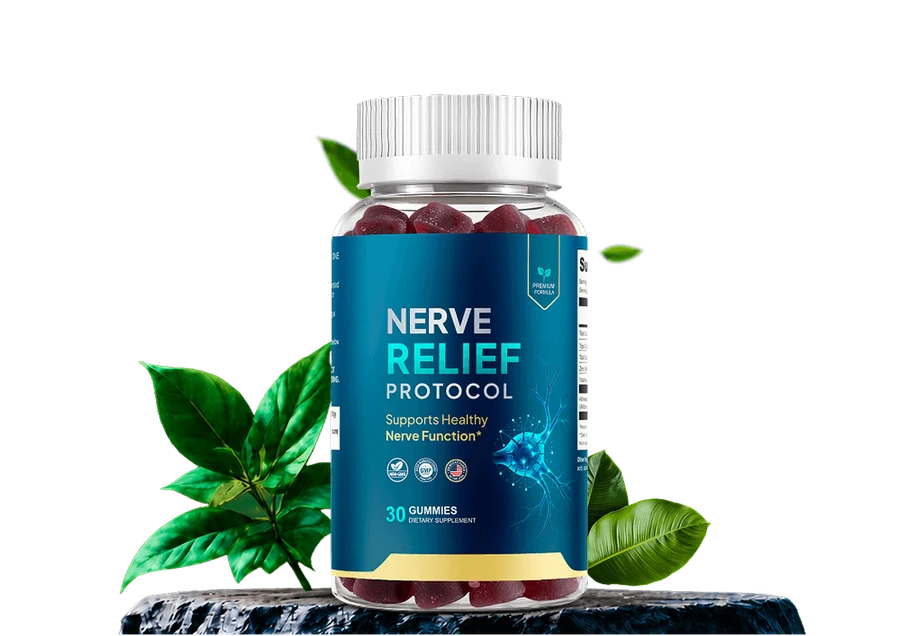
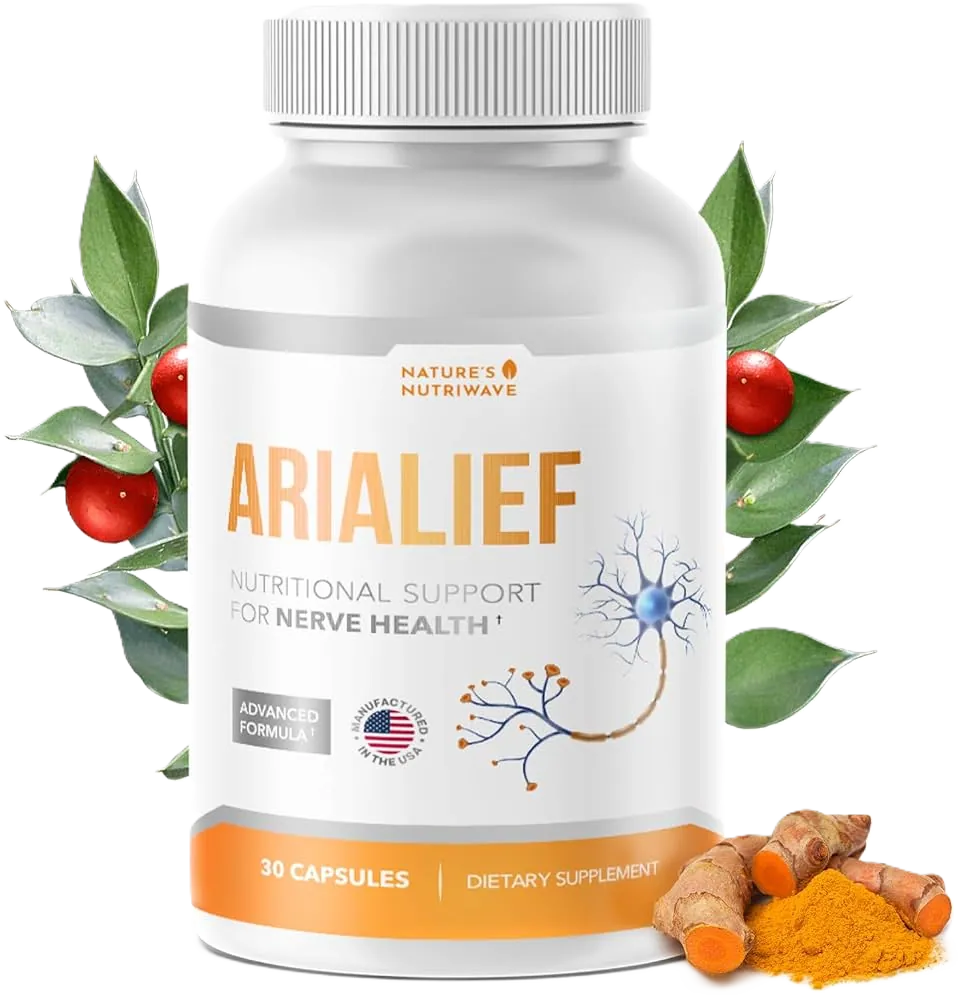
| Criteria | Nerve Relief ProtocolYou’re reading it | Arialief |
|---|---|---|
 |
 |
|
| Primary focus | Nerve comfort through the evening | Burning, tingling and pins-and-needles |
| Best for | Anyone who wants every dose on the label | Anyone who wants the classic nerve stack |
| Hero mechanism | Zinc and vitamin D3 on nutrient status | Alpha-lipoic acid and L-carnitine |
| Format | 1 gummy daily | 1 capsule daily, 30 per bottle |
| First change reported | Easier evenings, weeks 2–3 | See the review for its own timeline |
| Dose disclosure | Three nutrients, each dose printed | One 575 mg blend, amounts not itemized |
| Guarantee | 60-Day Satisfaction Promise | 60-day money-back |
| See the Manufacturer’s Site | See the Manufacturer’s Site |
Honest take: these are two different bets, not a winner and a runner-up. Nerve Relief Protocol keeps the label short so every dose can be checked, and adds an adaptogen for the evening. Arialief covers more pathways with the classic alpha-lipoic acid route. If you want to look each amount up before buying, the short label decides it; if you would rather cover more ground at once, our full review of Arialief walks through that side.
Full reviews: Arialief
7. Pricing Options for Nerve Relief Protocol
Three packages, all with free US shipping and the same 60-Day Satisfaction Promise.
2 Bottles
60-Day Supply
- Fast shipping
Manufacturer’s current offer*
See Today’s Discount →6 Bottles
180-Day Supply
- Fast shipping
- The lowest per-bottle price the producer runs
Manufacturer’s current offer*
See Today’s Discount →3 Bottles
90-Day Supply
- Fast shipping
Manufacturer’s current offer*
See Today’s Discount →Every order is backed by a 60-Day Satisfaction Promise, counted from the original purchase date. The official site is the only channel that guarantees an authentic bottle and honors that refund.
* The prices above are the package prices the manufacturer is running right now, each tied to a limited number of units. The official page is the only place today’s offer can be confirmed.
8. The Mechanism: Why Three Named Nutrients Beat a Longer Label
Three nutrients, three different jobs, and the formula is clear about which is which.
Zinc — nerve signalling. The nutrient with the most direct recent literature for this exact problem. A 2026 review in The International Journal of Lower Extremity Wounds is devoted to diabetic peripheral neuropathy and zinc, and a 2026 study in Endocrinology, Diabetes & Metabolism measured serum zinc against distal symmetric polyneuropathy in people with type 2 diabetes. Both are human work. Zinc status and peripheral nerve behaviour travel together.
Vitamin D3 — comfort where levels are short. A 2026 study in Nutritional Neuroscience reports that deficient vitamin D worsens diabetic peripheral neuropathy and that supplementation eases neuropathic pain. The honest reading is about correcting a shortfall rather than adding an effect on top of a good level — which is still worth covering, because low vitamin D is easy to carry without knowing.
Ashwagandha — the evening. Its strongest human evidence is sleep and stress: a 2026 randomized, double-blind, placebo-controlled trial in Menopause tested Withania somnifera root extract on sleep quality. Nerve discomfort is loudest once the day goes quiet, and how a night goes is part of how the sensation is experienced. The formula is better for putting it there instead of claiming it rebuilds nerves.
Three words in plain English
Peripheral nerves — the ones running out to your hands and feet, furthest from the spine. They are the first to complain, which is why the feet are usually where it starts.
Cholecalciferol — the form of vitamin D your own skin makes in sunlight. It is on the label because it is the form the body uses most readily.
Adaptogen — a plant used to blunt the body's stress response. Ashwagandha is the best-studied one, mostly for sleep and stress rather than for anything structural.
Full Ingredient List
Three named nutrients and no proprietary blend — every one can be looked up and judged on its own.
| Ingredient | Pathway | Role in the Formula |
|---|---|---|
| Zinc | Nerve signalling and repair | The nutrient with the most direct literature behind it for this exact problem. A 2026 review in The International Journal of Lower Extremity Wounds is devoted to diabetic peripheral neuropathy and zinc, and a 2026 study in Endocrinology, Diabetes & Metabolism measured serum zinc against the presence of distal symmetric polyneuropathy in people with type 2 diabetes. Both are human work, and both point the same way: zinc status is bound up with how peripheral nerves behave. A gummy is not a treatment for neuropathy, but of the three nutrients here, this is the one whose relevance is best documented. |
| Vitamin D3 (as Cholecalciferol) | Nerve comfort and sensation | The second nutrient with a direct, recent paper trail. A 2026 study in Nutritional Neuroscience reports that deficient vitamin D levels worsen diabetic peripheral neuropathy and that supplementation eases neuropathic pain. The honest reading is about deficiency: the gain shows up in people who were short, not as an extra effect in people who were already replete. Since low vitamin D is common, especially in people who spend little time outdoors, that is a reasonable thing for a daily formula to cover. |
| Ashwagandha Extract | Stress load and sleep | The adaptogen, and the place to be precise about what it is doing. Ashwagandha's strongest human evidence is not nerve repair — it is sleep and stress. A 2026 randomized, double-blind, placebo-controlled trial published in Menopause tested Withania somnifera root extract on sleep quality in postmenopausal women. That matters here because nerve discomfort is loudest in the evening, and poor sleep and high stress make any sensation harder to sit with. It belongs in the formula for how the day ends, not for rebuilding a nerve. |
Realistic Week-by-Week Timeline
The first thing most people mention is the evening, and it tends to arrive before anything else.
| Timeframe | What to Expect | Driven By |
|---|---|---|
| Week 1 | The habit, before anything else. One gummy with breakfast, at the same time each day — ten seconds, and the counter stays clear of bottles. | Consistency |
| Week 2–3 | The first thing people mention: evenings that are easier to settle into. Nerve discomfort is loudest at night, and this is where the ashwagandha's sleep and stress evidence is pointed. | Ashwagandha extract |
| Week 4 | Enough to judge by. The manufacturer's own position is that this is where most people decide — and it is why the guarantee runs well past it. | Zinc + vitamin D3 |
| Beyond | Where daily support pays. Zinc and vitamin D3 work on status rather than on a switch, so what they give is held by continuing rather than by finishing a course. | The full formula |
9. Side Effects & Safety
Nerve Relief Protocol is a drug-free gummy built on three common nutrients, and most people take it with no issue at all. What follows is the short list of things worth knowing rather than a list of warnings.
Possible Side Effects
| Possible effect | Likely cause | What to do |
|---|---|---|
| Mild stomach upset | Zinc taken without food | Take the gummy with breakfast rather than before it, which is how the label suggests it anyway. |
| Drowsiness in the evening | Ashwagandha, which is working on sleep and stress | For most people this is the point. If it is unwelcome, take the gummy earlier in the morning. |
| Nothing noticeable in week one | The formula works through nutrient status, which takes time | Keep it daily. The manufacturer puts week four as the point most people can judge by. |
If you take a prescription for nerve pain — gabapentin, pregabalin or anything similar — keep taking it and mention this to your doctor before adding it, because the manufacturer positions this alongside medical care rather than instead of it. Anyone already taking a zinc or vitamin D supplement should check the combined daily total with their doctor, since both have upper limits worth respecting. If you are pregnant or nursing, the manufacturer says to skip it. If none of that applies to you, there is no medical reason to hesitate.
10. Final Verdict
So is Nerve Relief Protocol worth buying for nerve comfort? If what you want is daily support you can actually verify, yes — and it earns 4.4 out of 5 on a short label that holds up to being looked up. Three named nutrients, no proprietary blend, and two of the three carrying 2026 human papers aimed at peripheral nerves.
The evidence is specific rather than sweeping. A 2026 review in The International Journal of Lower Extremity Wounds on zinc and diabetic peripheral neuropathy. A 2026 study in Nutritional Neuroscience on vitamin D and neuropathic pain. A 2026 randomized, double-blind trial in Menopause behind the ashwagandha, aimed at sleep rather than at nerves — and the formula is better for saying so. The published buyer testimonials are few, five on the manufacturer's page, and they describe the same two things: an easier evening and a routine that takes ten seconds.
The decision is contained, which is the practical argument. The 60-Day Satisfaction Promise runs from the purchase date and lasts a full month past week four, which the manufacturer itself calls the point most people decide by. The three-bottle package is the one that clears that window with room, and the six-bottle is where the per-bottle price drops furthest for anyone who has already made this part of the routine.
11. Frequently Asked Questions
Does Nerve Relief Protocol really work?
Two of its three nutrients have direct, recent human literature behind them for exactly this problem. A 2026 review in The International Journal of Lower Extremity Wounds covers zinc and diabetic peripheral neuropathy, and a 2026 study in Nutritional Neuroscience reports that vitamin D supplementation eases neuropathic pain where levels were deficient. That is support for nerve comfort, not a treatment for neuropathy. The 60-Day Satisfaction Promise is what makes trying it a contained decision.
What is in Nerve Relief Protocol?
Three named nutrients and no proprietary blend: ashwagandha extract, zinc, and vitamin D3 as cholecalciferol. A short label is not a weakness here — it means each nutrient can be looked up and judged on its own, which a fourteen-botanical blend never allows.
Why ashwagandha in a nerve formula?
Because of when nerve discomfort is worst. Ashwagandha's strongest human evidence is in sleep and stress — a 2026 randomized, double-blind, placebo-controlled trial in Menopause tested it on sleep quality. Nerve sensation is loudest in the evening, and a night that goes better is a real part of the experience, even though the adaptogen is not repairing anything.
Can it replace what my doctor prescribed?
No, and the manufacturer says the same. This belongs alongside medical care, never instead of it. If you are on gabapentin, pregabalin or any prescription for nerve pain, keep taking it and talk to your doctor before adding anything.
How long until I notice anything?
The manufacturer's own framing is honest about this: the first thing most people mention is easier evenings in weeks two and three, and week four is where most people feel they have enough to judge by. That is why the guarantee runs sixty days rather than thirty.
Who should not take it?
Anyone expecting a change on the first day, anyone pregnant or nursing, and anyone hoping it will replace a prescription. Sensation that is sudden, spreading quickly, or paired with weakness or a wound that is not healing belongs with a doctor first, not a gummy.
INGREDIENT TAGS
FORMAT
Research & Transparency
This content is based on publicly available ingredient research, the product’s published ingredient list, and manufacturer disclosures. We are not affiliated with the manufacturer. Marketing claims not supported by the product’s own label are not repeated here.
(a) Diabetic Peripheral Neuropathy and Zinc. The International Journal of Lower Extremity Wounds (2026)
(b) Deficient vitamin D levels exacerbate diabetic peripheral neuropathy, and supplementation alleviates neuropathic pain. Nutritional Neuroscience (2026)
(c) Associations between Serum Zinc Levels and the Presence of Distal Symmetric Polyneuropathy in Patients with Type 2 Diabetes Mellitus. Endocrinology, Diabetes & Metabolism (2026)
(d) Effects of Withania somnifera root extract on sleep quality, body composition, and menopausal symptoms in postmenopausal women: a randomized, double-blind, placebo-controlled trial. Menopause (2026)
(e) Peripheral Nerve Disorders. MedlinePlus, National Library of Medicine
About the Author
Luciano Cesar is a contributor at The Supplement Post, supporting the production of evidence-aware supplement reviews and buyer's guides across multiple health categories. His work spans ingredient analysis, formulation assessment and consumer-oriented summaries — what a label discloses, how the stated doses compare with the amounts used in published human research, and whether a formula's design matches what it claims to do. Every review is checked by The Supplement Post editorial team against the standards published in our editorial policy before it goes live.
Disclosure
All content is for informational purposes only and is not a substitute for professional medical advice. Each product reviewed is a dietary supplement, not a prescription drug. Results may vary. This page may contain affiliate links — if you purchase through them, we may earn a small commission at no additional cost to you. Read our Editorial Policy.