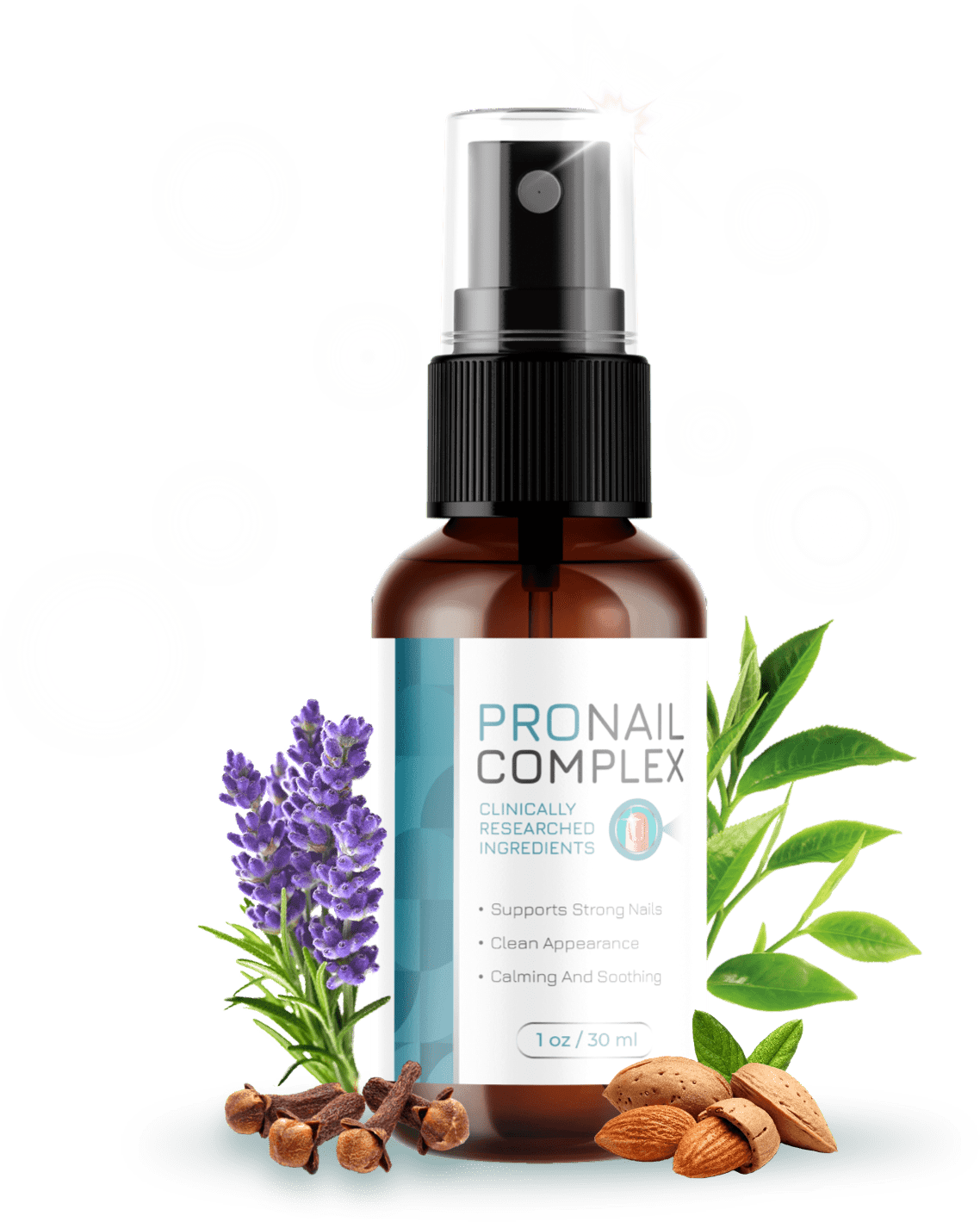
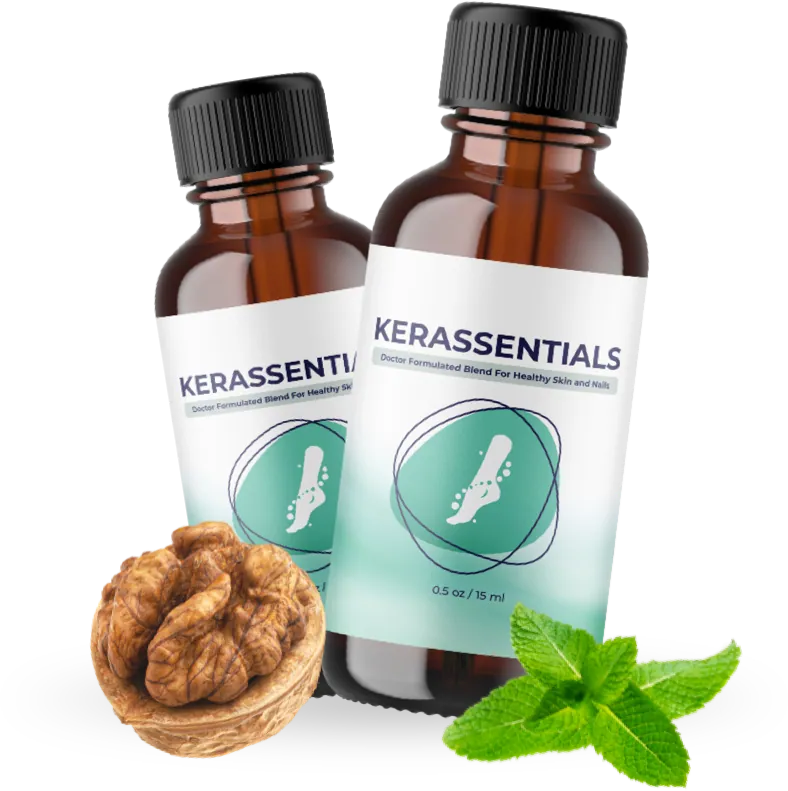
Does KeraFirm actually work for discolored, weak nails? Yes. Its declared active, undecylenic acid USP at 5%, is long used topically on nails, and tea tree oil, found active against the fungi behind discolored nails in a 2022 review and a 2024 study, works the same surface, with aloe vera and vitamin E for the skin around it.
In This Review:
Reviewed by The Supplement Post Editorial Team, Editorial Review
Updated
1. Product at a Glance
| Product | KeraFirm |
| Category | Skin, Hair & Aging / Nail Care & Repair / Topical Solution |
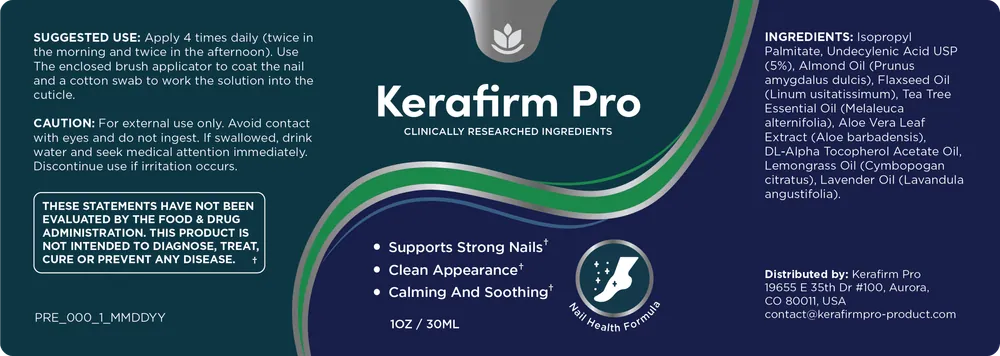
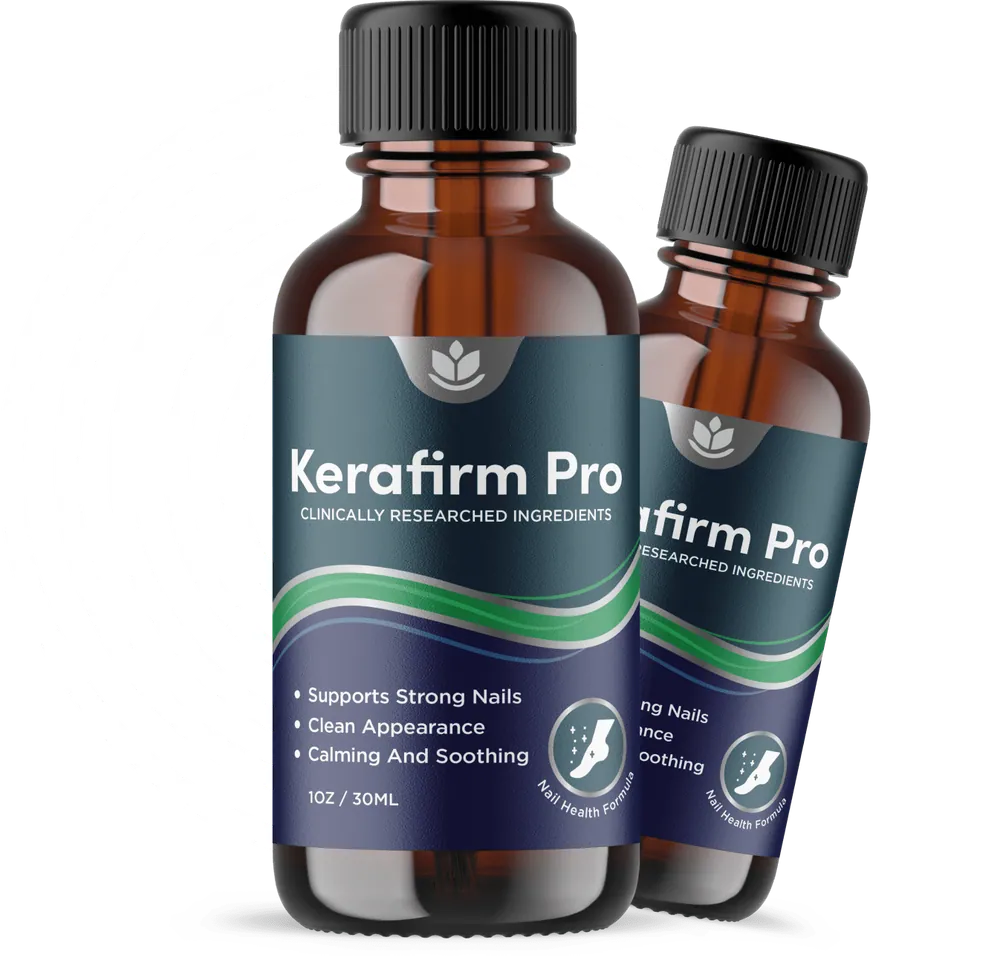
| Format | Four applications a day — twice each morning and afternoon — brushed onto the nail and worked into the cuticle with a cotton swab, from a 1 oz (30 mL) bottle. |
| Key Ingredients | One ingredient with a declared concentration — undecylenic acid USP at 5% — paired with tea tree essential oil, almond oil, flaxseed oil, aloe vera leaf extract, vitamin E, lemongrass oil and lavender oil in an isopropyl palmitate base |
| Manufacturing | Manufactured in the USA, according to the company, in a facility described as FDA-registered and GMP-certified. The label also carries Natural Ingredients and Non-GMO claims. Orders are processed through BuyGoods. |
| Guarantee | 60-day money-back |
| Our Rating | 4.5 / 5 |
Quick Verdict
Does KeraFirm actually work for discolored, weak nails? Yes, for the antifungal surface it leans on. Tea tree oil, which a 2022 systematic review and a 2024 study found active against the dermatophytes behind nail discoloration, works the same surface as undecylenic acid, the formula's declared active.
The routine is four applications a day: brush the solution onto the nail, then work it into the cuticle with the enclosed cotton swab. Undecylenic Acid USP is printed at 5%, the formula's one declared concentration, alongside almond oil, flaxseed oil, tea tree oil, aloe vera, vitamin E, lemongrass and lavender oil.
Made in the USA in a facility described as FDA-registered and GMP-certified, according to the company, and labeled Natural Ingredients and Non-GMO. Sixty days to change your mind, backed by the company's money-back guarantee.
2. Does KeraFirm Actually Work?
Can a topical solution really change discolored, weak nails? Yes, when what’s behind it is surface-level fungal buildup, not a diagnosed medical condition.
You start keeping your hands out of the conversation. Gloves at the gym. A longer pedicure appointment. Nails angled away from the camera.
The research backs the lead pathway directly. A 2022 systematic review in Skin Appendage Disorders found topical oils, including tea tree oil, show measurable antifungal activity against the dermatophytes behind discolored nails. A 2024 study in the Journal of Fungi confirmed tea tree oil's direct effect on the same fungi. A 2024 ex vivo comparison in Dermatology and Therapy measured antifungal activity for undecylenic acid on nail tissue. In plain terms: both antifungal actives have data behind them.
KeraFirm puts undecylenic acid and tea tree oil to work four times a day. Almond oil, aloe vera and vitamin E keep the surrounding skin from drying out. It is a booster, not a switch, and the response varies with how the nail is growing in. Many people notice the first change from week 3. That is why it is worth the try.
3. What KeraFirm Does for Nails You Don’t Have to Hide
KeraFirm is built for the moment you start angling your hands away before anyone even looks. Not a crisis — just nails that have quietly become the thing you work around, one covered-up moment at a time.
You know the routine. Darker polish to hide the discoloration. Gloves that stay on a little longer than they need to. The small relief when nobody asks about it.
What changes is the hands themselves, over time — less covering up, less bracing for someone to notice. See how each ingredient divides the work.
- The surface problem, addressed directly — so the nail has a chance to grow in clearer
- The skin around it, cared for too — so daily application doesn’t dry out the cuticle
- No oral pills to remember — just an applicator and a cotton swab
- Four quick applications a day — nothing to measure, nothing to mix
- Discreet by design — a bottle that looks like any other nail treatment
4. Why It Earns 4.5 / 5
One declared active — undecylenic acid USP at 5% — paired with tea tree oil's own antifungal research, inside a nine-ingredient topical that also covers moisture and skin-soothing for the area around the nail.
What stands out:
- A declared antifungal active, not just a long oil list. Undecylenic acid USP is printed at 5%, the one ingredient in the formula with a stated concentration.
- Tea tree oil, backed by a 2024 study. Research in the Journal of Fungi confirmed its direct effect on the dermatophytes behind nail discoloration.
- No oral pills. Everything here is applied directly to the nail and cuticle.
- A brush and cotton swab are included. Nothing extra to buy to follow the routine.
- Manufactured in the USA, in a facility described as FDA-registered and GMP-certified, according to the company.
- Sixty days to decide, backed by the company’s money-back guarantee.
Worth knowing:
- Four applications a day is more than most topical routines ask for. Morning and afternoon, twice each, is the schedule the label gives.
- Nails grow slowly, so judging the full routine takes months, not weeks — new growth has to reach out from the base first.
- Sold only through the official site. No listing to compare on Amazon or in stores, which also means no in-person return counter.
5. Who Is KeraFirm Best For?
Best match if you:
- You’ve started angling your hands away before anyone looks, more out of habit than an actual emergency.
- You’d rather handle this quietly, with a daily routine, than turn it into a bigger conversation than it needs to be.
- You want a declared active ingredient, not just a long list of oils — undecylenic acid is printed at 5%, with tea tree oil’s research on the same surface.
- Four applications a day fits your routine better than remembering a pill — brush, swab, done.
Discolored or weak nails rarely stay a private concern. They follow you into small choices — the polish you pick, the handshake you shorten, the sandals you skip. Left alone, that pattern changes how much you show, not just your hands. What you're really protecting is the ease of not thinking about it, instead of narrating every glance your nails might get. Steady daily care beats a quick fix, so judge any topical routine over several weeks, not a few days.
6. How It Compares
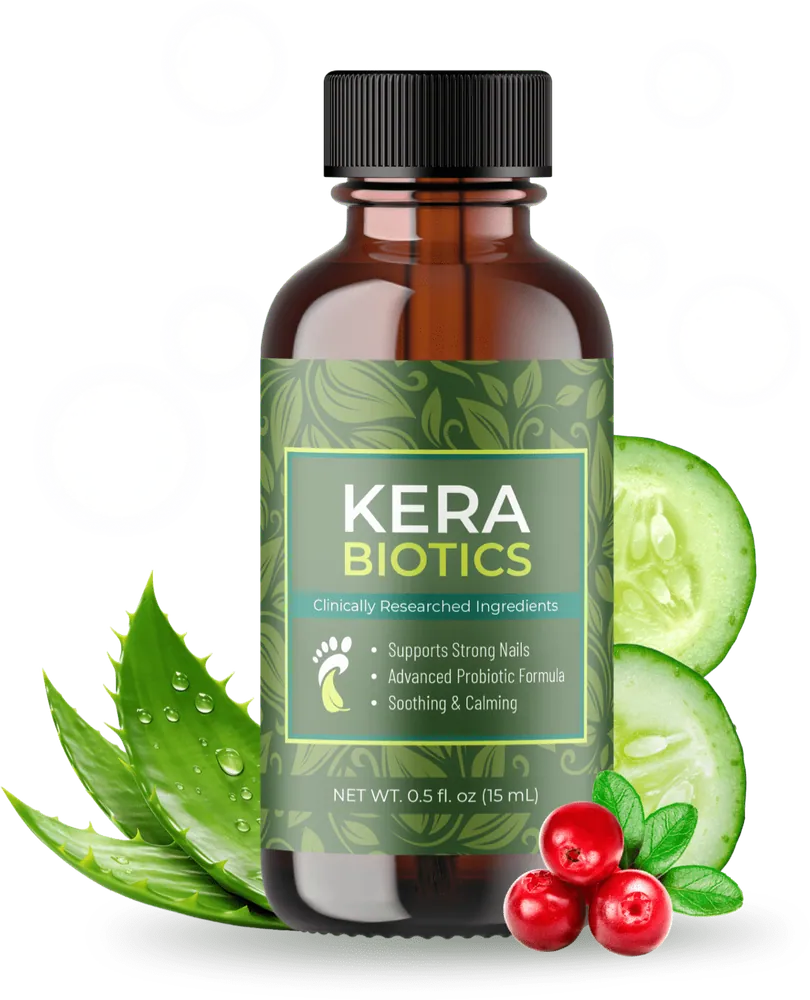
| Criteria | KeraFirmYou’re reading it | KeraBiotics |
|---|---|---|
 |
 |
|
| Lead pathway | Undecylenic acid and tea tree oil, an antifungal blend | Copper-paired peptides and a probiotic blend |
| Route | Brush-and-swab solution, 4 applications daily | Dropper serum, once daily |
| What is disclosed | Undecylenic Acid USP printed at 5%; 8 other ingredients named without individual amounts | See the review for its own panel |
| Best for | Discolored, weak nails and a daily applicator routine | Nail and surrounding-skin repair, dropper-led |
| Guarantee | 60 days, money-back | 60 days, money-back |
| Where to buy | Manufacturer's Site → | Manufacturer's Site → |
7. Pricing Options for KeraFirm
Let the weeks pick the package, not the price tag. The first change tends to show from week 3, and a fair read takes until day 60 to 90. Two bottles is sixty days and ends right at that window. Three is the floor that comfortably covers it, and six keeps the routine going at the lowest price per bottle of the three.
2 Bottles
60-Day Supply
6 Bottles
180-Day Supply
3 Bottles
90-Day Supply
Every order is backed by a 60-day money-back guarantee. If the results don't impress, the company accepts a refund request within that window. The official site is the only channel that guarantees an authentic bottle and honors that refund.
The prices above are the package prices the manufacturer is running right now, each tied to a limited number of units. The official page is the only place today’s offer can be confirmed.
8. The Mechanism: Antifungal Action, Moisture and Nail Strength — Three Jobs in One Solution
One job gets worked directly by a declared active, and eight supporting ingredients round out the rest.
Antifungal surface support — the label's one declared active, paired with an essential oil. Undecylenic acid USP, printed at 5%, is the formula's one declared concentration — a fatty acid long used topically on skin and nails. Tea tree essential oil works the same surface from a different angle, which is why the two are commonly paired in nail-care formulas.
Moisture and cuticle care — isopropyl palmitate, almond oil and flaxseed oil. These three oils carry the solution and keep the skin around the nail from drying out under four daily applications.
Soothing and antioxidant support — aloe vera and vitamin E. Aloe vera leaf extract is a traditional go-to for irritated skin, and DL-alpha tocopherol acetate (vitamin E) is a standard antioxidant addition in topical formulas.
Rounding out the formula — lemongrass oil and lavender oil. Both have a long history in topical blends, included here on traditional use rather than a trial on this specific formula.
Two things on the label, in plain English
USP — United States Pharmacopeia, a quality standard confirming an ingredient meets a recognized purity grade. Undecylenic Acid USP means it meets that standard.
Topical — applied directly to the skin or nail rather than swallowed. Everything in KeraFirm works this way, which is why the label says external use only.
Full Ingredient List
One declared concentration and eight named oils, each with its own job.
| Ingredient | Pathway | Role in the Formula |
|---|---|---|
| Undecylenic Acid USP — 5% | Antifungal nail-surface support | The only ingredient with a declared concentration on the label, undecylenic acid is a fatty acid long used topically for its antifungal action on skin and nails. |
| Tea Tree Essential Oil (Melaleuca alternifolia) — alongside undecylenic acid | Antimicrobial support, the same surface as undecylenic acid | Tea tree oil is a long-standing topical antimicrobial, commonly paired with undecylenic acid in nail-care formulas for exactly this reason. |
| Isopropyl Palmitate, Almond Oil (Prunus amygdalus dulcis) and Flaxseed Oil (Linum usitatissimum) — the oil base | Moisture and cuticle softening | These three oils carry the formula and keep the nail bed and surrounding skin from drying out between applications. |
| Aloe Vera Leaf Extract (Aloe barbadensis) and DL-Alpha Tocopherol Acetate Oil (Vitamin E) | Skin-soothing and antioxidant support | Aloe is a traditional go-to for irritated skin, and vitamin E is a standard antioxidant addition in topical formulas. |
| Lemongrass Oil (Cymbopogon citratus) and Lavender Oil (Lavandula angustifolia) — rounding out the formula | Traditional topical use | Both oils have a long history in topical blends, included here on traditional use rather than a trial on this specific formula. |
Realistic Week-by-Week Timeline
The routine comes first: four applications daily, and the antifungal side builds week over week.
| Timeframe | What to Expect | Driven By |
|---|---|---|
| Week 1–2 | The routine settles in: four applications a day, brush on the nail and cotton swab on the cuticle. Undecylenic acid and tea tree oil are already working the antimicrobial side; this is a settling-in window, not a verdict. | Consistency |
| Week 3–6 | The area near the cuticle is usually where a change shows first, as the antifungal pairing keeps working the nail surface and the oils keep the surrounding skin from drying out. | Undecylenic Acid + Tea Tree Oil |
| Week 8–12 | Nails grow slowly, so this is the window where steady use of the antifungal pairing shows as new growth reaching further from the base, while the oils care for the skin around it — the stretch most topical nail routines are judged across. | Undecylenic Acid + Tea Tree Oil |
| Day 60–90 | The assessment point for the full routine, and the window the company's own three-bottle package is built around. | Maintenance |
9. Side Effects & Safety
The individual ingredients here have been generally well tolerated in topical use, and most people apply a solution like this without incident. The considerations below are specific to this label rather than generic.
Possible Side Effects
| Possible effect | Likelihood | What to do |
|---|---|---|
| Mild irritation at the application site | Occasional | The label advises discontinuing use if irritation occurs; most people tolerate daily application without issue. |
| Dryness around the nail | Occasional | The included oils are meant to offset this; a short break between applications can help if it persists. |
| Sensitivity to an essential oil (tea tree, lemongrass or lavender) | Rare | A patch test on a small area first is a reasonable precaution if you know you react to essential oils. |
| Contact with eyes or broken skin | Uncommon | The label is for external use only and advises avoiding the eyes; rinse with water and seek care if contact happens. |
Already on a prescription? Bring the label to your next appointment. It takes a minute and keeps everything in one place.
See the full breakdown of who should check with a doctor first in the pros and cons.
10. Final Verdict
So is KeraFirm worth buying for discolored, weak nails? Yes, if you've started angling your hands away before anyone looks, and you'd rather handle it with a daily routine than a trip to the doctor. Here is how this applies to you. Picture the moment: reaching for a darker polish, or holding your hand a little differently so no one gets a close look.
Undecylenic acid and tea tree oil work the antifungal surface pathway together, and tea tree oil is the one a 2022 systematic review and a 2024 study tied directly to the dermatophytes behind nail discoloration. Around that pairing, almond oil, flaxseed oil, aloe vera and vitamin E keep the cuticle and surrounding skin from drying out under four daily applications, and lemongrass and lavender oil round out the blend on traditional use. Together, the nine ingredients split the work between the surface problem and the skin that carries it.
The antifungal pathway tends to show its first change from week 3, and nails grow slowly enough that the fuller picture builds by day 60 to 90. Two bottles cover sixty days, ending right at that assessment window. Three bottles cover ninety days, a fairer read across the full stretch. For someone who has already decided this belongs in the routine, six bottles at $49 a bottle is the lowest per-bottle price of the three packages shown. Four applications a day with the included brush and swab, the same routine either way. Given all of that, KeraFirm earns its 4.5 out of 5: a declared antifungal active paired with a studied essential oil, inside a nine-ingredient topical built around daily use.
11. Frequently Asked Questions
Does KeraFirm really work for discolored, weak nails?
Part of the formula has real human research behind it. A 2022 systematic review in Skin Appendage Disorders found topical oils, including tea tree oil, show measurable antifungal activity against the dermatophytes behind discolored nails, a 2024 study in the Journal of Fungi confirmed tea tree oil's direct effect on the same fungi, and a 2024 ex vivo comparison in Dermatology and Therapy measured antifungal activity for undecylenic acid on nail tissue. A 60-day guarantee covers every order if it doesn't work out for you.
What is actually in the bottle?
Undecylenic Acid USP is printed at 5%, the formula's one declared concentration. The rest of the 1 oz bottle is a blend of named oils — tea tree, almond, flaxseed, aloe vera, lemongrass and lavender — plus isopropyl palmitate and vitamin E (DL-alpha tocopherol acetate). Worth knowing: those eight ingredients are listed by name without individual amounts.
How do I apply it, and how long does a bottle last?
Four times a day — twice in the morning, twice in the afternoon. Brush the solution onto the nail with the included applicator, then work it into the cuticle with a cotton swab. The company sells it in packages of 2, 3 and 6 bottles.
How long until I notice anything?
The antifungal pairing at the core of the formula tends to be the first thing people notice, often from week 3. Because nails grow slowly, the fuller picture tends to build by day 60 to 90.
Is KeraFirm made in an FDA-registered facility?
Yes, according to the company — manufactured in the USA in a facility described as FDA-registered and GMP-certified. That is a claim about where it's made, not a government sign-off on the product: the label itself notes its statements have not been evaluated by the FDA.
Who should check with a doctor before using it, and how do I use it safely?
The label is for external use only, with instructions to avoid contact with eyes, never ingest it, and discontinue use if irritation occurs. If you take medication, have a health condition, or are pregnant, check with your doctor before starting any new topical or supplement.
INGREDIENT TAGS
FORMAT
Research & Transparency
This content is based on publicly available ingredient research, the product’s ingredient label, and manufacturer disclosures. Our editorial team works independently of the manufacturer. Marketing claims not supported by the product’s own label are not repeated here.
(a) Complementary and Alternative Therapies for Onychomycosis: A Systematic Review of the Clinical Evidence. Skin Appendage Disorders (2022)
(b) Antifungal Activity of Tea Tree (Melaleuca alternifolia Cheel) Essential Oils against the Main Onychomycosis-Causing Dermatophytes. Journal of Fungi (2024)
(c) Transungual Penetration and Antifungal Activity of Prescription and Over-the-Counter Topical Antifungals: Ex Vivo Comparison. Dermatology and Therapy (2024)
(d) Aloe vera cream as a topical treatment for dry, damaged skin — randomized comparative trial. Dermatology Reports (2026)
About the Author
Luciano Cesar is a contributor at The Supplement Post, supporting the production of evidence-aware supplement reviews and buyer's guides across multiple health categories. His work spans ingredient analysis, formulation assessment and consumer-oriented summaries — what a label discloses, how the stated doses compare with the amounts used in published human research, and whether a formula's design matches what it claims to do. Every review is checked by The Supplement Post editorial team against the standards published in our editorial policy before it goes live.
Disclosure
All content is for informational purposes only and is not a substitute for professional medical advice. Each product reviewed is a topical cosmetic, not a prescription drug. Results may vary. This page may contain affiliate links — if you purchase through them, we may earn a small commission at no additional cost to you. Read our Editorial Policy.