
FlowForce Max Side Effects & Safety Profile
The honest safety profile — what users experience, possible side effects, and who should consult a doctor first.
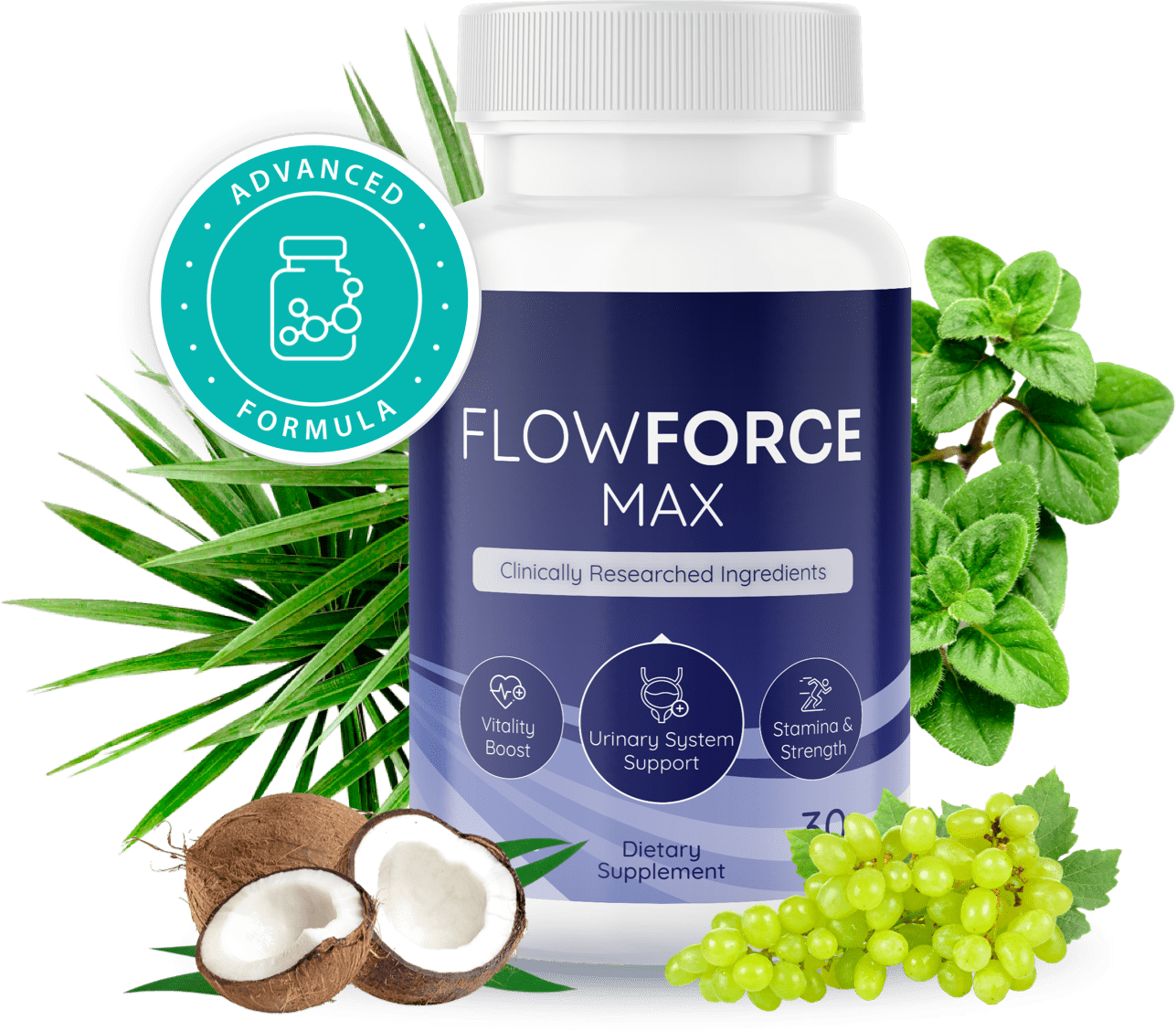
Safety profile — manufacturing standards, tolerability, and what to know before you start.
In This Article
Edited by Michael Anderson, Editor-in-Chief
Updated
Safety Snapshot
Generally well tolerated with a strong safety profile.
FlowForce Max is manufactured in a GMP-certified, FDA-registered facility in the USA using natural, non-GMO, stimulant-free ingredients. The chewable format is well tolerated by most healthy adult men with zero reported side effects. The only groups who should consult a doctor first are those on alpha-blockers for BPH, blood pressure medication, or blood thinners.
1. Manufacturing & Quality Standards
Before discussing side effects, it is worth highlighting what makes this formula's safety profile stand out. FlowForce Max is not produced in a generic overseas facility with unclear standards. The manufacturer meets a set of quality benchmarks that directly reduce your risk as a consumer.
| Standard | What It Means for You |
|---|---|
| GMP-Certified | Good Manufacturing Practice certification ensures consistent quality, proper ingredient handling, and contamination controls at every stage of production. |
| FDA-Registered Facility | The manufacturing facility is registered with the U.S. Food and Drug Administration, meaning it is subject to FDA oversight and inspection requirements. |
| Manufactured in the USA | Domestic production under U.S. regulatory standards, not outsourced to facilities with looser quality controls. |
| 100% Natural Ingredients | No synthetic fillers, artificial stimulants, or harsh chemical compounds. The formula relies on flower pollen extract, grape-derived polyphenols, and established botanicals. |
| GMO-Free | No genetically modified organisms in the formula or its source ingredients. |
| Stimulant-Free | Zero caffeine, zero stimulants. No jitters, no energy crashes, no sleep disruption — safe for evening use as well. |
This combination of manufacturing standards puts FlowForce Max ahead of many competitors in the prostate supplement category, where proprietary blends and undisclosed dosing remain common. For a dose-by-dose breakdown of the active ingredients, see our FlowForce Max ingredient breakdown.
2. What Most Users Experience
The honest answer: most users experience nothing negative at all. The formula is built around well-studied botanical compounds — Graminex Flower Pollen, Grape Seed Extract, and ViNitrox — ingredients with strong safety track records in both supplement and clinical contexts.
The chewable format is relevant from a tolerability standpoint. Because the supplement begins breaking down in the mouth rather than passing through stomach acid as a hard capsule, digestive discomfort is less common than with standard prostate supplement capsules. Most users report that the chewable is easy to take and does not cause the stomach heaviness some men associate with large capsule-based prostate formulas.
Because the formula contains no caffeine, no stimulants, and no synthetic compounds, there are no jitters, no energy crashes, and no disruption to sleep patterns. You can take it in the morning or evening without concern.
3. Possible Side Effects
While most men will not experience any of these, transparency matters. Here is the complete picture of what a small percentage of users have reported.
| Side Effect | Likelihood | What to Do |
|---|---|---|
| Mild digestive sensitivity | Occasional (first week) | Take with food. Usually resolves within the first few days as your body adjusts to the botanical compounds. |
| Mild headache | Rare | Stay well hydrated. If persistent, reduce to half a serving for 3-5 days to allow adjustment. |
| Allergic sensitivity to pollen extract | Rare (pollen-sensitive individuals) | Discontinue immediately if you experience any allergic reaction. Note: Graminex undergoes processing that removes most allergenic proteins, but men with severe pollen allergies should exercise caution. |
| Lightheadedness | Rare (low BP users) | Discontinue and consult your doctor before resuming. The circulation-supporting ingredients may lower blood pressure slightly. |
None of these are serious or lasting. The first two are adjustment responses that resolve on their own, and the last two are rare enough that they affect a very small minority of users — typically those with specific pollen sensitivities or already-low blood pressure.
4. Check With Your Doctor If...
While FlowForce Max is safe for the vast majority of men, three specific medication categories warrant a conversation with your doctor:
- Alpha-blockers for BPH (tamsulosin, alfuzosin, doxazosin) — the formula's smooth muscle relaxation effects may compound with alpha-blocker mechanisms, and your doctor should be aware.
- Blood pressure medication (ACE inhibitors, ARBs, beta-blockers) — the circulation-supporting ingredients may have mild effects on blood pressure, and your doctor should adjust if needed.
- Blood thinners (warfarin, heparin, daily aspirin therapy) — some botanical ingredients may have mild antiplatelet effects that your doctor should be aware of.
If none of the above applies to you, there is no medical reason to hesitate. The formula is designed for healthy adult men and carries a favorable safety profile for daily, long-term use. For a full pros-and-cons assessment, visit our FlowForce Max pros and cons breakdown.
5. The Bottom Line on Safety
FlowForce Max has one of the cleaner safety profiles in the prostate supplement category. It is GMP-certified, manufactured in an FDA-registered U.S. facility, stimulant-free, GMO-free, and uses natural ingredients with established safety data. The anchor ingredient — Graminex Flower Pollen — has been studied in clinical settings for prostate and urinary support with a consistent favorable safety record.
The chewable format improves tolerability compared to large capsule-based prostate formulas, and the absence of stimulants means no interference with sleep or energy patterns. For healthy men not on the three medication categories listed above, this is a low-risk supplement you can start with confidence.
Pricing Options for FlowForce Max
FlowForce Max is available in multiple package options designed to support different usage timelines. Many users choose multi-bottle packages because consistent daily use typically delivers the best results. Longer supply options also reduce the cost per unit.
1 Bottle
30-Day Supply
- 60-day Money-Back Guarantee
- Free USA Shipping
- Secure Checkout
6 Bottles
180-Day Supply
- 60-day Money-Back Guarantee
- Free USA Shipping
- Secure Checkout
$120
Shop Now3 Bottles
90-Day Supply
- 60-day Money-Back Guarantee
- Free USA Shipping
- Secure Checkout
$30
Shop NowEvery order is backed by a 60-day money-back guarantee. Only available through the official website.
Frequently Asked Questions
Is FlowForce Max safe to take every day?
Yes. The formula is stimulant-free, GMP-manufactured, and specifically designed for daily use. Most men experience no side effects at all. The only exception is if you take alpha-blockers for BPH, blood pressure medication, or blood thinners — in those cases, check with your doctor first.
Can I take FlowForce Max with other supplements?
In most cases, yes. It pairs well with standard men's health stacks (multivitamins, omega-3s, vitamin D). Avoid stacking with other prostate supplements containing similar botanical compounds, as the combined effect may be unnecessary. When in doubt, consult your doctor.
When should I talk to a doctor before using FlowForce Max?
If you take alpha-blockers for BPH, blood pressure medication, or blood thinners, consult your doctor before starting. For everyone else, no medical clearance is needed — but mentioning any new supplement at your next checkup is always a sensible practice.
Continue your research
- Previous: What's inside FlowForce Max — full ingredient list
- Next: FlowForce Max cost & best discount
- Compare: TC24 Review — alternative formula safety profile
- Deep dive: Foods that worsen prostate symptoms
Research & Transparency
This content is based on publicly available ingredient research, manufacturer disclosures, and product labeling. We are not affiliated with the manufacturer.
(a) Efficacy and safety of a combination herbal medicinal product containing flower pollen extract for BPH. PMC7456765
(b) Grape seed proanthocyanidin extract: a review of clinical studies on anti-inflammatory and antioxidant effects. PMC7998017
(c) The role of inflammation in lower urinary tract symptoms (LUTS) associated with BPH. PMC5729230
(d) Safety assessment of botanical dietary supplements: a case study of oregano. PubMed 28618365
About the Author
James Mitchell is a contributor at The Supplement Post and a research collaborator with the Smart Guide editorial group — an independent team dedicated to conducting deeper evaluations of supplements across major health categories. His work focuses on prostate health, urinary function, and evidence-aware supplement analysis. He is not a medical doctor — he analyzes publicly available research to provide consumer-friendly summaries for men exploring natural prostate and urinary support options.
Disclosure
All content is for informational purposes only and is not a substitute for professional medical advice. Each product reviewed is a dietary supplement, not a prescription drug. Results may vary based on individual health status, consistency of use, and lifestyle. This page may contain affiliate links — if you purchase through them, we may earn a small commission at no additional cost to you. Read our Editorial Policy.