In This Review:
- 1. Product at a Glance
- 2. The Afternoon Crash and the Craving That Follows It: Evidence, Concerns & Trends
- 3. What Cinna Shield Does and Benefits
- 4. Why We Rate It 4.6 / 5
- 5. Who It's Best For
- 6. How It Compares
- 7. Pricing Options
- 8. The Mechanism + Full Ingredient List
- 9. Side Effects & Safety
- 10. Final Verdict
- 11. FAQs
Reviewed by The Supplement Post Editorial Team, Editorial Review
Updated
1. Product at a Glance
| Product | Cinna Shield |
| Category | Blood Sugar & Glucose Health / Insulin Sensitivity / Once-Daily Capsule |
| Format | One capsule a day, taken with water — a bottle of thirty, so a month at a time. |
| Key Ingredients | True Ceylon cinnamon extract at a 12:1 concentration — the equivalent of 7,200 mg of raw Ceylon cinnamon per capsule — carried in MCT oil |
| Manufacturing | Made in the USA, according to the manufacturer, with DNA-verified Ceylon cinnamon sourced from Sri Lanka rather than the cheaper cassia variety. |
| Guarantee | 90-day money-back |
| Our Rating | 4.6 / 5 |
Quick Verdict
Does Cinna Shield actually help with sugar cravings? For the craving that shows up at three in the afternoon and wins, yes — and this is the rare formula where you can check the species, the concentration and the trial before you decide.
One capsule a day with water. Thirty in a bottle, so a month at a time, and nothing to measure or mix.
What is in it is one thing, stated precisely: true Ceylon cinnamon — Cinnamomum zeylanicum, from Sri Lanka — concentrated 12:1, so each capsule carries the equivalent of 7,200 mg of raw bark. It is suspended in MCT oil, because cinnamon's useful compounds are fat-soluble and a dry powder largely passes through.
The species is the part most people have never been told to look at. Nearly all cinnamon sold is cassia, which is cheaper and carries coumarin — the reason no one sensible recommends a heaped spoonful of it daily. Ceylon is the other one, and it is the one a 2025 randomized, double-blind, placebo-controlled trial in Diabetes & Metabolic Syndrome actually tested. Trials across the cinnamon literature do not all agree, and a 2025 umbrella review in Frontiers in Nutrition lays that out honestly.
What makes trying it a contained decision is the guarantee: ninety days, with the bottles going back even if they are empty. For a formula judged on readings taken over weeks, a refund that required unopened product would be a refund nobody could use.
2. The Afternoon Crash and the Craving That Follows It: Evidence, Concerns & Trends
Three things worth settling before the formula itself — what the afternoon crash is actually telling you, why the species on the label decides everything, and what the trials do and do not show.
| What people wonder | What the evidence shows | What it means for you |
|---|---|---|
| “Cinnamon for blood sugar — is that a real thing or a kitchen myth?” | Real enough to be trialled. A 2025 randomized, double-blind, placebo-controlled trial in Diabetes & Metabolic Syndrome tested Cinnamomum zeylanicum specifically, and a 2025 umbrella review in Frontiers in Nutrition pooled the meta-analyses of randomized trials on cinnamon in metabolic disease. | It has been studied properly, and the results across trials are not unanimous. That is a reason to try it with a refund window, not a reason to dismiss it. |
| “Why does it matter which cinnamon?” | Most cinnamon sold is cassia, which carries coumarin — the compound that makes large daily amounts inadvisable. Ceylon is the Sri Lankan species, and it is the one in the recent species-specific trial. | This is the single most useful thing to know before buying any cinnamon supplement, and almost no label makes it easy to find out. |
| “Could I not just use the jar in my cupboard?” | Cinnamon's active compounds are fat-soluble, so dry powder is poorly taken up. This is a 12:1 extract in MCT oil — the equivalent of 7,200 mg of raw bark per capsule, in a form built to be absorbed. | The jar is mostly cassia and mostly unabsorbed. Those are two different products wearing the same name. |
| “I take medication for this already.” | MedlinePlus, from the National Library of Medicine, is clear that blood glucose management belongs with a clinician, and anything supporting glucose handling can add to what a medication is already doing. | Keep taking what you were prescribed and raise this at your next appointment. The dose is your doctor's to adjust, not yours. |
So where does Cinna Shield land? On the checkable end of a category built on vagueness. One named species, a stated concentration, a carrier chosen for a known absorption problem, and a trial on the species itself. Here is what the capsule does.
3. What Cinna Shield Does and Benefits
Cinna Shield is built for a specific hour: the one where the afternoon empties out and the craving wins. Three o'clock. The drawer with the biscuits. The argument you have already lost twice this week.
Here is what sits underneath it. Glucose arriving in a spike is followed by a drop, and the drop is what the body reads as an emergency — which is why the craving feels like appetite but behaves like urgency. Repeat that cycle for years and the cells answer insulin less readily, which makes the spikes bigger and the drops harder. None of it is dramatic on any given afternoon. All of it compounds.
What this formula does is narrow and worth stating precisely. Ceylon cinnamon has been studied in relation to how the body handles glucose, and the recent trial that matters most used that exact species rather than the cassia that fills most supplements. It is not a drug, it does not replace one, and the literature is not unanimous. What it is is a well-identified ingredient at a stated strength, aimed at the part of the cycle you can actually feel.
The MCT oil is the other half of the decision, and it is the half nobody advertises. Cinnamon's useful compounds are fat-soluble, so a dry powder in a capsule can pass through largely untouched. Suspending a 12:1 extract in medium-chain triglycerides is the standard answer, and it costs more than filling a capsule with ground bark.
What you get for it is ten seconds a day. See how the species and the carrier divide the work.
- Cravings that stop arguing — the change buyers describe most, around week three
- An afternoon that does not collapse — the earliest thing people mention
- 7,200 mg of raw Ceylon per capsule — a 12:1 extract, not ground bark
- The species named and verified — Ceylon, not the cassia in the cupboard
- A carrier chosen for absorption — MCT oil, because the actives are fat-soluble
4. Why We Rate It 4.6 / 5
The score comes from how much of this label can be checked: one named species, a stated 12:1 concentration, a carrier chosen for a known absorption problem, and a 2025 randomized trial on that same species. Very little in this category is this specific.
- The species is named, and it is the right one. Ceylon rather than cassia, which is the single most useful distinction in this aisle and the one most labels blur.
- A stated concentration, not a vague “extract”. 12:1, giving the equivalent of 7,200 mg of raw bark per capsule — a number you can hold them to.
- There is a trial on this species. A 2025 randomized, double-blind, placebo-controlled trial in Diabetes & Metabolic Syndrome used Cinnamomum zeylanicum itself, not cinnamon in general.
- The carrier solves a real problem. Cinnamon’s actives are fat-soluble; MCT oil is the standard answer, and it is a cost the cheaper products skip.
- Ninety days, empty bottles included. For a formula judged on readings taken over weeks, that is the only refund window that would ever be usable.
- One capsule, no routine to build. Nothing to measure, mix or time around food.
- The cinnamon literature is not unanimous. The 2025 umbrella review is candid that trials disagree, and this product is honest enough that its own page does not pretend otherwise.
- Readings move slowly, if they move. The manufacturer’s own schedule does not put changes in numbers before week four, which is a long time to hold a habit on faith.
- It is one ingredient, and that cuts both ways. Everything rests on the cinnamon: there is no second active to carry the formula if the first one does little for you.
- Anyone on medication needs a conversation first. Not a formality — supporting glucose handling can add to what a prescription is already doing.
5. Who Is Cinna Shield Best For?
Best match if you:
- The craving is the thing you want gone — that is what buyers report most, and soonest.
- You would rather check a label than trust a promise — species, concentration and carrier are all stated here.
- You test, or you are willing to — this formula shows its work in readings taken over weeks.
- Your medication list is short, or your doctor is in the loop — which is what keeps this simple.
Look at alternatives if you:
- You are on diabetes medication and have not spoken to your doctor. That conversation comes first, every time.
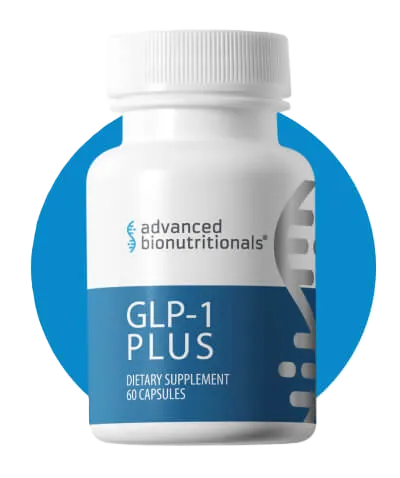
- You want appetite handled by a different route. GLP-1 Plus builds on dihydroberberine and a five-ingredient disclosed label.
- You want a reading to move inside two weeks. Nothing in this category does that, and a product promising it would be the one to avoid.
- You are pregnant or nursing. Not the moment to add a botanical at concentration.
6. How It Compares
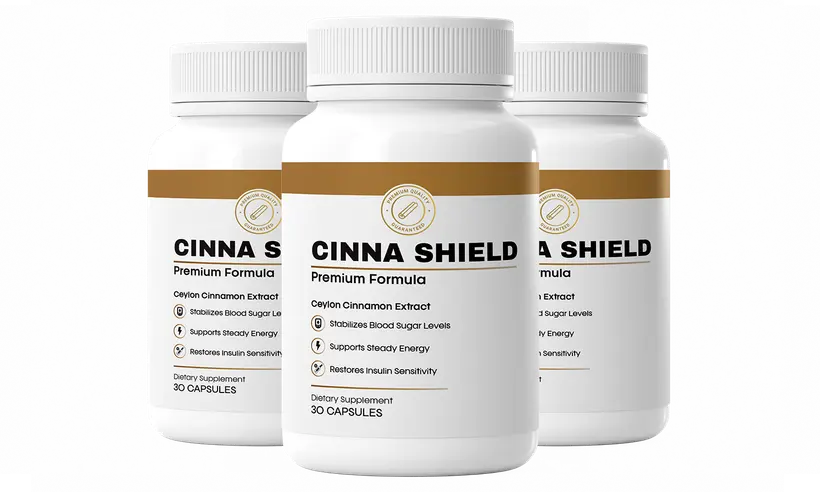
| Criteria | Cinna ShieldYou’re reading it | GLP-1 Plus |
|---|---|---|
 |
 |
|
| Botanical route | Ceylon cinnamon, 12:1 | Dihydroberberine, in a five-ingredient label |
| What it targets first | Cravings and the afternoon crash | Appetite and the GLP-1 pathway |
| Label | One active, species and concentration stated | Five ingredients, doses disclosed |
| Format | 1 capsule daily, extract in MCT oil | See the review for its own directions |
| First change reported | Steadier afternoons, around week 2 | See the review for its own timeline |
| Guarantee | 90 days, bottles returnable empty | 90-day money-back |
| Where to buy | Official Site → | Official Site → |
7. Pricing Options for Cinna Shield
Three packages, all with free shipping and the same ninety-day guarantee.
2 Bottles
60-Day Supply
- Bottles returnable empty
Manufacturer’s current offer*
Shop Now6 Bottles
180-Day Supply
- Bottles returnable empty
- The lowest per-bottle price the producer runs
Manufacturer’s current offer*
Shop Now4 Bottles
120-Day Supply
- Bottles returnable empty
Manufacturer’s current offer*
Shop NowEvery order is backed by a 90-day money-back guarantee, and the bottles go back even if they are empty — one email starts it. The official site is the only channel that guarantees an authentic bottle and honors that refund.
* The prices above are the package prices the manufacturer is running right now, each tied to a limited number of units. The official page is the only place today’s offer can be confirmed.
8. The Mechanism: Why Ceylon and Not Cassia, and Why It Comes in Oil
One ingredient, two decisions — which cinnamon, and how to get it in.
The species. Cinnamomum zeylanicum, Ceylon, from Sri Lanka. Nearly everything sold as cinnamon is cassia, a different species that is cheaper and carries coumarin — which is exactly why dietary advice warns against large daily amounts of the supermarket jar. The distinction is not marketing: the 2025 randomized, double-blind, placebo-controlled trial in Diabetes & Metabolic Syndrome that is most relevant here tested Ceylon specifically. Cinna Shield says its sourcing is DNA-verified, which is a claim with a method behind it rather than an adjective.
The concentration. A 12:1 extract, so one capsule carries the equivalent of 7,200 mg of raw bark. That is the difference between a supplement and a seasoning, and it is why the amount is reachable in something you swallow once rather than something you stir into food.
The carrier. Cinnamon's useful compounds are fat-soluble. In a dry capsule much of them passes through; suspended in medium-chain triglycerides they are taken up far more readily. This is an unglamorous formulation decision, it costs money, and it is the one that determines whether the first two decisions amount to anything.
And the honest frame around all three: a 2025 umbrella review in Frontiers in Nutrition pooled the meta-analyses of randomized trials on cinnamon in metabolic disease and found the picture mixed. This is a well-made version of an ingredient with real but contested evidence — which is precisely the situation a ninety-day refund window exists for.
Four words from the label, in plain English
Ceylon vs cassia — two different trees both sold as "cinnamon". Ceylon is the Sri Lankan one; cassia is the cheap one in most kitchen jars.
Coumarin — a compound in cassia that makes large daily amounts a bad idea. It is the practical reason the species matters.
12:1 extract — twelve parts of raw bark concentrated into one. It is how a capsule carries the equivalent of 7,200 mg.
Fat-soluble — dissolves in oil, not water. It is why the extract comes suspended in MCT oil instead of as a dry powder.
Full Ingredient List
One active, named by species and stated by concentration — and a carrier that exists for a reason worth knowing.
| Ingredient | Pathway | Role in the Formula |
|---|---|---|
| True Ceylon Cinnamon Extract (12:1), equivalent to 7,200 mg raw | Insulin sensitivity and glucose handling | The whole formula, and the species is the point. Most cinnamon sold is cassia, which is cheaper and carries coumarin — the reason nobody sensible recommends a heaped spoonful of it every day. This is Cinnamomum zeylanicum, the Sri Lankan species, concentrated 12:1 so that each capsule carries the equivalent of 7,200 mg of raw bark. The evidence here is unusually specific for a supplement: a 2025 randomized, double-blind, placebo-controlled trial published in Diabetes & Metabolic Syndrome tested Ceylon cinnamon itself, and a 2025 umbrella review in Frontiers in Nutrition pooled the meta-analyses of randomized trials on cinnamon in metabolic disease. Not every trial agrees, and the species being studied is the species in this bottle. |
| MCT Oil | Absorption — getting the extract where it can work | Not a second active but the reason the first one arrives. Cinnamon's useful compounds are fat-soluble, which means a dry powder in a capsule can pass through without much of it being taken up. Suspending the extract in medium-chain triglycerides is the standard answer to that problem, and it is the kind of formulation decision that costs money and shows up nowhere in the marketing of cheaper products. It explains why a 12:1 extract in oil is a different proposition from a jar of ground cinnamon in the cupboard. |
Realistic Week-by-Week Timeline
The afternoon is what people notice first, and it tends to arrive before anything shows up in a reading.
| Timeframe | What to Expect | Driven By |
|---|---|---|
| Week 1–2 | Energy through the afternoon is what people mention first — the three o'clock dip arriving smaller, or not arriving. The manufacturer puts this at around two weeks. | Ceylon cinnamon + MCT delivery |
| Week 3 | Cravings quieting down. This is the change buyers describe most concretely: not fighting the biscuit tin, because the urge is not showing up with the same force. | Steadier glucose handling |
| Week 4–8 | Numbers. For people who test, this is where the morning reading starts to look different — and the manufacturer's own figure for being back in normal range is set at eight weeks. | The full 12:1 extract, daily |
| Month 3 | The assessment point, and the guarantee is built to still be open when you get there. For most people who kept the habit, what changed holds rather than needing to be chased. | Maintenance |
9. Side Effects & Safety
Ceylon cinnamon at this concentration is well tolerated by most people, and the species choice is itself the main safety decision the formula makes. What follows is the short list worth knowing, and the first line is the one that matters most.
Possible Side Effects
| Possible effect | Likely cause | What to do |
|---|---|---|
| Readings lower than you expected | Support for glucose handling adding to what a medication is already doing | If you take diabetes medication, speak to your doctor before starting and keep testing as usual. |
| Mild stomach discomfort | The capsule taken on an empty stomach | Take it with water alongside a meal rather than before one. |
| Nothing in the first fortnight | The schedule puts cravings at week three and readings at week four onward | Keep it daily. The guarantee runs ninety days precisely because this is not a first-week product. |
The conversation to have first is with your doctor, and only if you take medication for blood sugar — supporting glucose handling can add to what a prescription is already doing, and adjusting that prescription is your doctor's call rather than yours. The same applies to blood-thinning medication, since cinnamon has a theoretical interaction there. If you are pregnant or nursing, skip it; a concentrated botanical extract is not the moment. If none of that applies to you, there is no medical reason to hesitate.
Check With Your Doctor First If…
Two prescriptions are worth naming to your doctor before the first capsule:
- Diabetes medication (insulin, metformin, sulfonylureas) — support for glucose handling can add to what the prescription is already doing. Keep testing as usual and let your doctor decide whether anything needs adjusting.
- Blood thinners (warfarin and similar) — cinnamon carries a theoretical interaction worth raising rather than assuming away.
That is the whole list. For everyone else it is one capsule with water, and the ninety days are there precisely so you can find out at no risk.
10. Final Verdict
So is Cinna Shield worth buying for cravings and steadier blood sugar? If the three o'clock craving is what you want gone and your doctor is in the loop, yes — and it earns 4.6 out of 5 because almost everything on this label can be verified before you spend anything.
The specifics are the argument. The species is named and said to be DNA-verified: Ceylon, not the cassia that fills the category. The concentration is stated at 12:1, the equivalent of 7,200 mg of raw bark per capsule. The carrier is MCT oil, chosen because the active compounds are fat-soluble and a dry powder largely does not arrive. And the trial that matters most — a 2025 randomized, double-blind, placebo-controlled study in Diabetes & Metabolic Syndrome — used that same species rather than cinnamon in general. Across 193 buyer reviews the recurring note is the one the formula is built for: the craving stopped winning.
The honest limit is that the cinnamon literature disagrees with itself, which a 2025 umbrella review sets out plainly, and that readings do not move in a fortnight. Both are reasons the ninety-day guarantee with bottles returnable empty is the right shape for this product rather than a marketing flourish. The four-bottle package clears that window with room; the six is where the per-bottle price falls furthest for anyone who has already decided.
11. Frequently Asked Questions
Does Cinna Shield really work?
The evidence behind the ingredient is better than most of this category can show. A 2025 randomized, double-blind, placebo-controlled trial in Diabetes & Metabolic Syndrome tested Cinnamomum zeylanicum — Ceylon cinnamon, the species in this bottle — and a 2025 umbrella review in Frontiers in Nutrition pooled the meta-analyses of randomized trials on cinnamon in metabolic disease. Results across trials are not unanimous. What makes trying it low-risk is the 90-day guarantee, honored on empty bottles.
What is the difference between Ceylon and cassia cinnamon?
Species, and it matters more than it sounds. Most cinnamon on a supermarket shelf is cassia, which is cheaper and carries coumarin — the compound that makes large daily amounts a bad idea. Ceylon (Cinnamomum zeylanicum) is the Sri Lankan species, and it is what the recent Ceylon-specific trial used. Cinna Shield says its sourcing is DNA-verified, which is a claim you can hold them to.
Why is it in oil instead of powder?
Because cinnamon's active compounds are fat-soluble. A dry powder can pass through without much being absorbed; suspending a 12:1 extract in MCT oil is the standard way around that. It is also why one small capsule carries the equivalent of 7,200 mg of raw bark rather than asking you to swallow a spoonful.
How long until I notice anything?
The manufacturer's own timeline: steadier afternoon energy around two weeks, cravings quieting by week three, and changes in readings over weeks four to eight for people who test. That shape is why the guarantee runs ninety days rather than thirty.
Can I take it with diabetes medication?
Ask your doctor first, and that is not a formality. Anything that supports glucose handling can add to what a medication is already doing, and the dose of the medication is your doctor's to adjust — not yours and not ours. Keep taking what you were prescribed and raise this at your next appointment.
Who should not take Cinna Shield?
Anyone pregnant or nursing, anyone on diabetes or blood-thinning medication who has not spoken to their doctor, and anyone expecting a reading to move in the first week. A supplement here supports a routine that also runs on what you eat, how you move and how you sleep — it does not replace any of them, and it does not replace a prescription.
INGREDIENT TAGS
FORMAT
Research & Transparency
This content is based on publicly available ingredient research, the product’s published ingredient list, and manufacturer disclosures. We are not affiliated with the manufacturer. Marketing claims not supported by the product’s own label are not repeated here.
(a) Efficacy and Safety of Cinnamomum zeylanicum (Ceylon cinnamon) for diabetes mellitus: a randomized, double blind, placebo-controlled clinical trial. Diabetes & Metabolic Syndrome (2025)
(b) The effects of cinnamon on patients with metabolic diseases: an umbrella review of meta-analyses of randomized controlled trials. Frontiers in Nutrition (2025)
(c) The effect of cinnamon supplementation on cardiovascular risk factors in adults: a GRADE assessed systematic review, dose-response and meta-analysis of randomized controlled trials. Journal of Health, Population and Nutrition (2025)
(d) Blood Glucose. MedlinePlus, National Library of Medicine
About the Author
Luciano Cesar is a contributor at The Supplement Post, supporting the production of evidence-aware supplement reviews and buyer's guides across multiple health categories. His work spans ingredient analysis, formulation assessment and consumer-oriented summaries — what a label discloses, how the stated doses compare with the amounts used in published human research, and whether a formula's design matches what it claims to do. Every review is checked by The Supplement Post editorial team against the standards published in our editorial policy before it goes live.
Disclosure
All content is for informational purposes only and is not a substitute for professional medical advice. Each product reviewed is a dietary supplement, not a prescription drug. Results may vary. This page may contain affiliate links — if you purchase through them, we may earn a small commission at no additional cost to you. Read our Editorial Policy.