
Constant Hunger Isn't Weak Willpower — It's an Appetite Hormone Problem
You ate a real meal two hours ago and you're hungry again. Not bored-eating hungry — genuinely, physically hungry. That's not a willpower failure. It's an appetite hormone signaling problem, and most diets completely ignore it. Here's what's actually driving the hunger — and what calms it.

The four hormones that control hunger and fullness — and what happens when the signals misfire.
In this guide:
Here's the thing nobody tells you when they hand you a diet plan: if you're constantly hungry, the diet isn't going to work — not because you're weak, but because you're being asked to override a biological signal with conscious willpower, and biology wins that fight every single time.
Constant hunger is a symptom, and the underlying cause is almost always hormonal signaling. Understanding which hormones are misfiring is the difference between white-knuckling through hunger (unsustainable) and actually fixing the signal (sustainable).
Why It's Not Willpower
The honest version, in 40 seconds
Constant hunger is a hormone signaling problem, not a discipline failure. Four hormones regulate appetite: GLP-1 and leptin signal fullness; ghrelin and insulin (when dysregulated) drive hunger. If your GLP-1 response is weak, your leptin is blunted (leptin resistance), or your blood sugar is spiking and crashing, you feel hungry even after eating enough. The fix is restoring the signal — not fighting it with willpower.
Appetite is not under conscious control. You don't decide to feel hungry any more than you decide to feel cold. Hunger is a hormonal signal generated by your gut, fat cells, and brain in concert — and when those signals are dysregulated, no amount of willpower makes them stop. You can resist eating, but you can't resist feeling hungry.
This is why "just eat less" fails so reliably for people with constant hunger. They're not lacking discipline — they're being asked to live in a permanent state of fighting their own biology. It's exhausting, and it's why most diets collapse within weeks. The sustainable approach fixes the signal so the hunger calms on its own.
The Four Hormones That Control Hunger
Appetite is governed by four main hormones working in balance:
- Ghrelin (the hunger hormone). Produced in the stomach, ghrelin rises before meals and signals "eat now." It should fall after eating. When it stays elevated (poor sleep, certain diets), you feel hungry constantly.
- GLP-1 (the fullness hormone). Released by gut L-cells after eating, GLP-1 signals satiety to the brain and slows gastric emptying. This is the hormone Ozempic mimics. Weak GLP-1 response = no off switch for hunger.
- Leptin (the long-term sufficiency signal). Released by fat cells, leptin tells your brain you have enough stored energy. In leptin resistance (common with excess weight), the brain stops "hearing" leptin, so it thinks you're starving even when you're not.
- Insulin (the storage and stability hormone). Insulin manages blood sugar. When it spikes and crashes (refined carb meals), the crash triggers intense hunger and cravings — even shortly after eating.
What Goes Wrong (and Why)
Constant hunger usually traces to one or more of these breakdowns:
Weak GLP-1 response. If your gut doesn't release enough GLP-1 after meals, the fullness signal is faint. You finish eating and your brain never gets the "that's enough" message strongly enough. Low Akkermansia populations in the gut (which stimulate GLP-1 release) contribute to this.
Leptin resistance. With excess body fat, leptin levels are actually high — but the brain becomes resistant to the signal. The result is paradoxical: lots of stored energy, but the brain perceives starvation and drives constant hunger.
Blood sugar rollercoaster. Refined-carb meals spike insulin, blood sugar crashes 1–2 hours later, and the crash triggers intense hunger and cravings. You ate plenty of calories, but the glycemic chaos makes you ravenous again quickly.
Sleep deprivation. One bad night raises ghrelin and lowers leptin — a double hit that makes the next day a constant battle with hunger. Chronic sleep loss keeps this dysregulation permanent.
The GLP-1 Angle (Why Ozempic Works)
Ozempic and the other GLP-1 drugs work precisely because they target the fullness hormone directly. They flood the GLP-1 receptors with a powerful synthetic signal, so the brain gets an overwhelming "you're full" message. That's why appetite vanishes on these drugs — they're not suppressing hunger through willpower, they're hijacking the satiety hormone system.
The natural version of this is supporting your body's own GLP-1 production. Akkermansia muciniphila — a gut bacteria — produces a protein (P9) that stimulates your L-cells to release more GLP-1 naturally. The effect is gentler than the drug, but it restores the natural fullness signal rather than overriding hunger artificially.
For people whose constant hunger traces to weak GLP-1 response, supporting this pathway is the most mechanism-aligned natural approach.
The Four Hunger Hormones, Side by Side
Constant hunger is a signalling problem. Here is which signal is failing:
Ozempic works by flooding the GLP-1 receptor with a synthetic signal. It overrides the fullness message rather than repairing the one you make.
How to Calm Constant Hunger Naturally
The sustainable approach fixes the signal, layer by layer:
- Protein at every meal. The most satiating macronutrient — it blunts ghrelin more than carbs or fat. 30–40g per meal.
- Fiber, generously. Slows digestion (steady GLP-1 release) and feeds the gut bacteria that produce satiety signals. Vegetables, legumes, whole foods.
- Stabilize blood sugar. Cut refined carbs that spike-and-crash. Pair any carbs with protein and fat to slow absorption.
- Sleep 7+ hours. Non-negotiable for ghrelin/leptin balance. One bad night sabotages the next day's hunger.
- Support natural GLP-1. Akkermansia-based supplements stimulate your own fullness hormone:
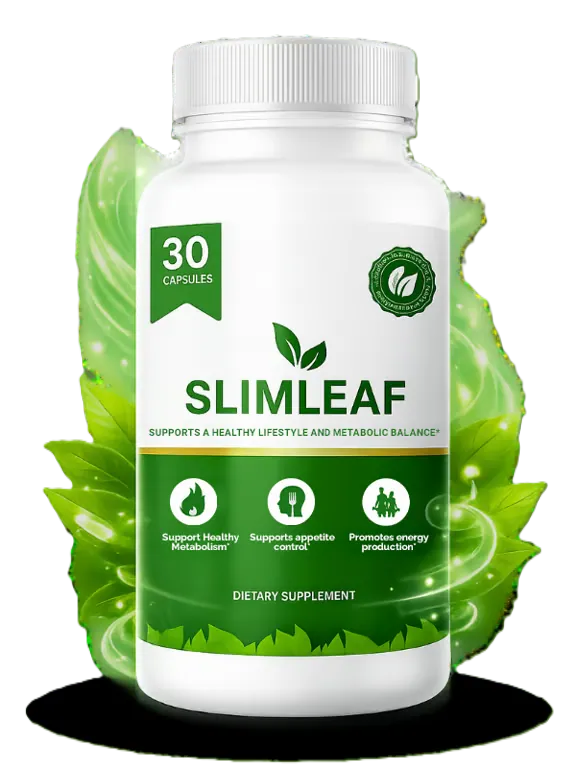
SlimLeaf
Best for actually getting Akkermansia to coloniseThe one live formula carrying Akkermansia muciniphila — paired with chicory inulin and resistant starch, which is what decides whether a fragile strain survives the trip.
- 3,500+ verified buyers
- 60-day money-back guarantee
Current pricing and bundle options are shown on the official site.
If you'd prefer the phytochemical route — Berberine, Quercetin, Resveratrol working on appetite and insulin signaling together — the focused stack works too:
For the full breakdown of natural GLP-1 supplements that target the fullness hormone, see our guide to the best GLP-1 supplement for weight loss.
FAQs
Why am I always hungry even after eating?
Constant hunger after eating usually points to a hormone signaling problem, not a willpower issue. Four hormones regulate appetite: GLP-1 and leptin signal fullness, while ghrelin and (when dysregulated) insulin drive hunger. If your GLP-1 response is weak, your leptin signaling is blunted (leptin resistance), or your insulin is spiking and crashing, you'll feel hungry even after adequate calories. The food was enough; the satiety signal didn't fire properly.
What hormone makes you feel full?
Two main ones: GLP-1 (glucagon-like peptide-1) and leptin. GLP-1 is released by gut L-cells after eating and signals fullness to the brain — it's the hormone Ozempic mimics. Leptin is released by fat cells and signals long-term energy sufficiency. When either signal is weak (low GLP-1 response or leptin resistance), you don't feel full even when you've eaten enough. Supporting GLP-1 naturally is one way to restore the fullness signal.
How do I fix constant hunger naturally?
Address the hormone signaling. Eat protein at every meal (most satiating macronutrient, blunts ghrelin). Prioritize fiber (slows digestion, feeds GLP-1-producing gut bacteria). Stabilize blood sugar (avoid refined carb spikes that crash and trigger hunger). Sleep 7+ hours (sleep loss raises ghrelin and lowers leptin). And consider natural GLP-1 support — Akkermansia-based supplements stimulate your body's own fullness hormone. These address the root signaling rather than fighting hunger through willpower.
Is constant hunger a sign of something serious?
Usually it's hormonal signaling (the common case), but persistent extreme hunger can occasionally signal underlying conditions — uncontrolled diabetes, hyperthyroidism, or certain medications. If your constant hunger is accompanied by unexplained weight loss, excessive thirst, rapid heartbeat, or other symptoms, see your doctor. For the common case (hungry despite eating enough, driven by diet and lifestyle), the hormonal approaches above usually help.
Do appetite suppressant supplements actually work?
It depends on the mechanism. Stimulant-based appetite suppressants (caffeine, etc.) work short-term but raise cortisol and aren't sustainable. Fiber-based ones (glucomannan, konjac) create physical fullness — modest but real. The most mechanism-aligned approach is supporting your body's own GLP-1 production through Akkermansia muciniphila — it restores the natural fullness signal rather than overriding hunger artificially. Realistic effect: softer hunger over 4–8 weeks, not instant appetite elimination.
Final Thoughts
Constant hunger isn't a character flaw — it's a hormone signaling problem. When GLP-1 is weak, leptin is blunted, blood sugar is crashing, or sleep is wrecked, your body generates a hunger signal that no amount of willpower can override. The diets that ask you to white-knuckle through it are fighting biology, and biology wins.
The sustainable fix restores the signal: protein and fiber at every meal, stable blood sugar, real sleep, and natural GLP-1 support for the fullness hormone. Calm the hormones, and the constant hunger calms on its own — which is the only version of appetite control that actually lasts.
If this is your pattern, read our GLP-1 Plus review and the natural GLP-1 support options next.
Recommended Products
Reviewed by: The Supplement Post Editorial Team, Editorial Review — Last updated:
About Luciano Cesar
Luciano Cesar is a contributor at The Supplement Post, supporting the production of evidence-aware supplement reviews and buyer's guides across multiple health categories. His work spans ingredient analysis, formulation assessment and consumer-oriented summaries — what a label discloses, how the stated doses compare with the amounts used in published human research, and whether a formula's design matches what it claims to do. Every review is checked by The Supplement Post editorial team against the standards published in our editorial policy before it goes live.
Disclosure
All content on The Supplement Post is for informational purposes only and is not a substitute for professional medical advice, diagnosis, or treatment. Each product is a dietary supplement, not a prescription drug; statements about its benefits have not been evaluated by the U.S. Food and Drug Administration (FDA) and the product is not intended to diagnose, treat, cure, or prevent any disease.
Results may vary based on individual health status, consistency of use, and lifestyle. If you are pregnant or nursing, taking medication, or have a medical condition, consult a qualified healthcare professional before using any supplement.
This page may contain affiliate links—if you purchase through them, The Supplement Post may earn a small commission at no additional cost to you. References to third-party sites are provided for convenience; we do not control or guarantee their content.