
Is Berberine “Nature’s Ozempic”? Separating the Science from the Hype
TikTok crowned Berberine "nature's Ozempic" in 2023, and the label stuck. The AMPK research behind it is genuinely solid — but the Ozempic comparison runs well ahead of what the science supports. Here's the honest breakdown: what the clinical evidence shows, and where the hype outpaces it.
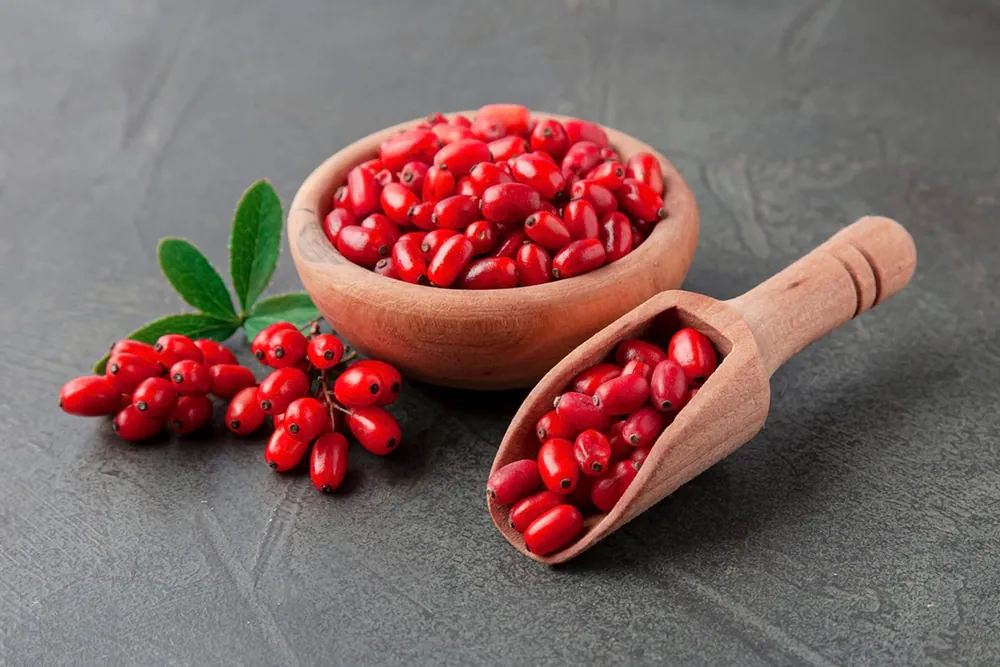
The AMPK mechanism, the clinical evidence, and where the "nature's Ozempic" comparison breaks down.
In this guide:
Few supplements have had a glow-up like Berberine. For decades it was a niche compound known mainly to integrative-medicine practitioners and diabetes researchers. Then a TikTok creator called it "nature's Ozempic," the phrase went viral, and Berberine became one of the most-searched supplements of the decade. The question worth answering isn't whether Berberine is trendy — it's whether the science holds up to the comparison.
The honest answer: the research is real and respectable, but the Ozempic analogy is marketing, not mechanism. Here's the full picture.
Where the "Nature's Ozempic" Claim Came From
The honest version, in 40 seconds
Berberine is a plant alkaloid that activates AMPK — a different mechanism from Ozempic, which activates GLP-1 receptors. The "nature's Ozempic" nickname is a marketing analogy based on overlapping outcomes (softer appetite, better blood sugar), not shared biology. The evidence: real and solid for insulin sensitivity and blood sugar, moderate for weight loss (~4–5 kg over 12 weeks). Gentler than Ozempic, not equivalent.
The nickname spread because the user experience overlaps with what people expect from Ozempic: appetite calms, cravings ease, blood sugar steadies, and modest weight loss follows. For a plant compound available without a prescription at a fraction of the cost, that overlap was enough to launch a viral comparison.
Marketers amplified it because "nature's Ozempic" sells. "AMPK activator with modest insulin-sensitizing effects" is accurate but doesn't trend. The catchy framing brought Berberine mainstream — and also inflated expectations well beyond what the molecule delivers.
How Berberine Actually Works (AMPK, Not GLP-1)
Here's where the science and the nickname diverge. Ozempic activates GLP-1 receptors — flooding the appetite-and-insulin hormone system with a powerful synthetic signal. Berberine activates AMPK (AMP-activated protein kinase), an entirely different lever — the same enzyme that metformin targets.
When AMPK fires, your cells shift from storing energy to burning it. The downstream effects: insulin sensitivity improves (smaller post-meal glucose spikes, less aggressive fat storage), the liver reduces glucose output between meals, and appetite signaling softens as a secondary consequence. The weight loss is a knock-on effect of these metabolic improvements — not direct appetite suppression the way Ozempic works.
This mechanistic difference matters because it sets realistic expectations. Berberine improves the metabolic environment; Ozempic overrides the appetite signal. Both can lead to weight loss, but through different routes and at very different magnitudes.
What the Clinical Evidence Shows
Berberine is, by supplement standards, well-researched. The evidence breaks down by outcome:
- Blood sugar / insulin sensitivity (strongest evidence). Multiple meta-analyses show Berberine reduces fasting glucose and HbA1c, with some head-to-head trials finding it comparable to metformin for glycemic control. This is its best-supported effect.
- Weight loss (moderate evidence). Meta-analyses show an average ~4–5 kg loss over 12 weeks — real but modest. Not the 15%+ body weight that semaglutide produces.
- Lipid profile (good evidence). Berberine improves LDL cholesterol and triglycerides in multiple trials.
- PCOS (good evidence). Studies in women with PCOS show improved insulin sensitivity and ovulation, sometimes compared favorably to metformin.
The throughline: Berberine's metabolic effects are genuine and replicable. It's one of the few supplement-aisle compounds that earns its research reputation. The weight loss specifically is the weakest of its well-documented effects — meaningful, but modest.
Where the Hype Outpaces the Science
Three places the "nature's Ozempic" framing overpromises:
Magnitude. Ozempic produces 15–20% body weight loss. Berberine produces ~4–5 kg (roughly 5–7% for many people) over a similar window. Calling them equivalent sets people up for disappointment.
Mechanism. Berberine doesn't touch the GLP-1 system at all. The marketing implies a shared pathway that doesn't exist. (For products that do target GLP-1 naturally, see our natural GLP-1 supplement guide.)
Speed. Ozempic produces visible results within weeks. Berberine compounds over 8–12 weeks. The "nature's Ozempic" framing implies a similar timeline that doesn't match the slower AMPK route.
Who Berberine Actually Helps
Stripped of the hype, Berberine is genuinely useful for a specific person: someone whose weight is driven by insulin resistance — the post-meal crashes, the sugar cravings, the belly-concentrated fat that tracks with carb intake, the pre-diabetic or PCOS metabolic profile. For that person, Berberine addresses a real root cause.
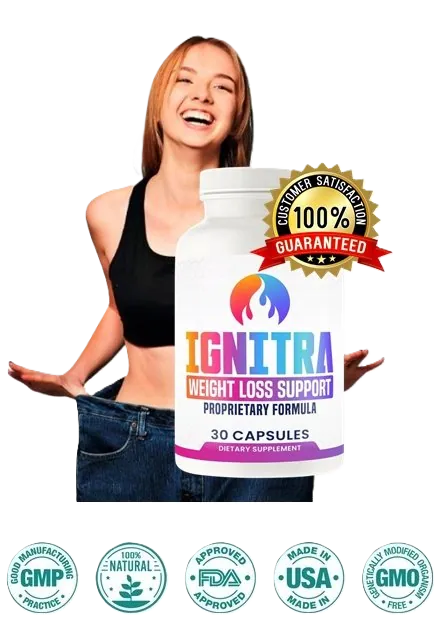
Ignitra
Best Berberine multi-pathway capsuleBerberine HCL anchor + 10 supporting metabolic ingredients — for adults past 35 dealing with slow metabolism and stubborn cravings.
- 2,300+ verified buyers
- 180-day money-back guarantee
Current pricing and bundle options are shown on the official site.
Ignitra pairs Berberine HCL with supporting compounds across the metabolic pathways. For exact dosing and timing, see our complete Berberine dose guide. If a capsule routine is what derails you, the same active comes as drops:
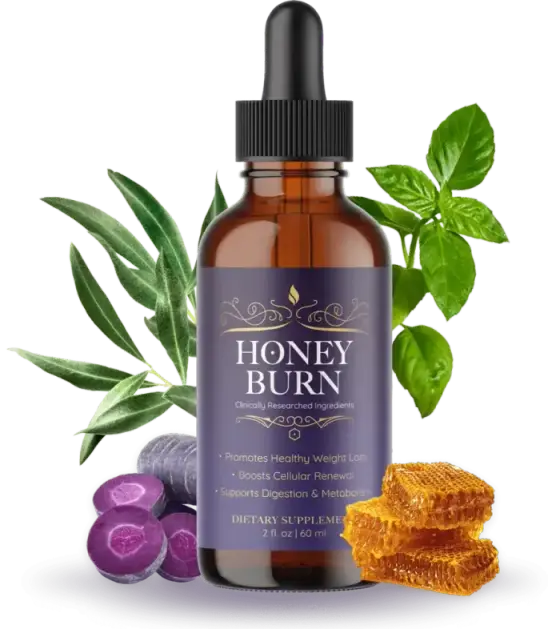
HoneyBurn
Best Berberine in liquid formBerberine HCl standardised from Phellodendron amurense bark, in a 550 mg blend with kudzu and royal jelly — two millilitres a morning instead of a capsule.
Check the Latest Price →FAQs
Is Berberine really like Ozempic?
No — they work through entirely different mechanisms. Ozempic (semaglutide) directly activates GLP-1 receptors. Berberine activates AMPK, the same enzyme metformin targets. The 'nature's Ozempic' nickname captures a similar outcome (improved appetite control and blood sugar) but not the same pathway. Berberine is gentler: trials show ~4–5 kg weight loss over 12 weeks vs Ozempic's 15% body weight. It's a real metabolic tool, not a pharmaceutical equivalent.
What does the clinical evidence on Berberine actually show?
Multiple meta-analyses support Berberine for metabolic health: improved insulin sensitivity, reduced HbA1c (comparable to some diabetes drugs in head-to-head trials), modest weight loss (~4–5 kg over 12 weeks), and improved lipid profiles. The evidence is strongest for blood sugar and insulin sensitivity, moderate for weight loss, and the AMPK mechanism is well-characterized. It's one of the better-researched supplements — but the magnitude is modest, not dramatic.
How does Berberine work for weight loss?
Berberine activates AMPK (AMP-activated protein kinase), often called the body's 'metabolic master switch.' When AMPK fires, cells shift toward burning stored energy rather than storing it. Downstream: improved insulin sensitivity (smaller post-meal spikes, less fat storage), reduced glucose production by the liver, and softer appetite signaling. The weight loss is a secondary effect of these metabolic improvements, not direct fat-burning.
Why is Berberine called 'nature's Ozempic' if it works differently?
The nickname spread on TikTok in 2023 because the user-reported experience overlaps: softer appetite, fewer cravings, steadier energy, modest weight loss. Marketers amplified it because 'nature's Ozempic' is far catchier than 'AMPK activator.' But it's a marketing analogy, not a scientific one. Berberine doesn't touch GLP-1 receptors and doesn't produce Ozempic-magnitude results. The honest framing: similar territory, different door, gentler effect.
Is Berberine safe to take long-term?
Berberine has a good safety profile in trials lasting up to a year. The main side effect is GI discomfort (bloating, cramping) in the first weeks, which usually resolves. Berberine interacts with several medications — especially diabetes drugs (additive blood-sugar lowering), blood thinners, and some others metabolized by the liver. Anyone on prescription medication should consult their physician before starting.
Final Thoughts
Is Berberine "nature's Ozempic"? Not really — and the comparison does the compound a disservice in both directions. It oversells the magnitude (Berberine won't match semaglutide) while underselling what Berberine genuinely is: a well-researched AMPK activator with real, replicable effects on insulin sensitivity, blood sugar, and modest weight loss.
Judge Berberine on its own terms, not against a drug it doesn't resemble mechanically. For someone with insulin-driven weight — sugar cravings, post-meal crashes, belly fat that tracks with carbs — it's one of the better-supported supplement options. Just expect the gentler, slower reality the science describes, not the viral version the nickname promises.
Ready to turn this into a shortlist? See the best berberine supplements and whether Ozempic costs you muscle.
Recommended Products
Reviewed by: The Supplement Post Editorial Team, Editorial Review — Last updated:
About Luciano Cesar
Luciano Cesar is a contributor at The Supplement Post, supporting the production of evidence-aware supplement reviews and buyer's guides across multiple health categories. His work spans ingredient analysis, formulation assessment and consumer-oriented summaries — what a label discloses, how the stated doses compare with the amounts used in published human research, and whether a formula's design matches what it claims to do. Every review is checked by The Supplement Post editorial team against the standards published in our editorial policy before it goes live.
Disclosure
All content on The Supplement Post is for informational purposes only and is not a substitute for professional medical advice, diagnosis, or treatment. Each product is a dietary supplement, not a prescription drug; statements about its benefits have not been evaluated by the U.S. Food and Drug Administration (FDA) and the product is not intended to diagnose, treat, cure, or prevent any disease.
Results may vary based on individual health status, consistency of use, and lifestyle. If you are pregnant or nursing, taking medication, or have a medical condition, consult a qualified healthcare professional before using any supplement.
This page may contain affiliate links—if you purchase through them, The Supplement Post may earn a small commission at no additional cost to you. References to third-party sites are provided for convenience; we do not control or guarantee their content.