
Hibiscus for Blood Pressure and Weight Loss: The Evidence, and the Modest Weight Effect
Hibiscus is the deep-red tea compound with a dual benefit profile: solid evidence for lowering blood pressure, plus a smaller but real weight-and-waist effect. Here's how its anthocyanins work, what the trials actually found, and why it's the rare ingredient that bridges cardiovascular health and weight.
The anthocyanin-rich flower with documented blood-pressure data and a modest weight signal.
In this guide:
Most weight-loss ingredients ignore the heart entirely. Most heart-health ingredients ignore weight. Hibiscus is unusual because it sits in both camps — with its strongest evidence on blood pressure and a secondary, modest effect on weight and waist circumference. For the large overlap of people carrying both extra weight and rising blood pressure, that dual profile is genuinely useful.
It's also one of the more pleasant ingredients to consume — a tart, cranberry-like tea that's caffeine-free and hydrating. Here's what the science supports.
What Hibiscus Is
The honest version, in 40 seconds
Hibiscus (Hibiscus sabdariffa) is a flower rich in anthocyanins — the deep-red polyphenol pigments. Its strongest evidence is for lowering blood pressure (multiple meta-analyses confirm meaningful reductions), with a smaller weight-and-waist effect in some trials. It works partly like a natural ACE inhibitor and inhibits carb-digesting enzymes. Best for people who carry both extra weight and elevated blood pressure. Studied at 2–3 cups of tea daily.
Hibiscus sabdariffa — the species used for tea and supplements — is a flowering plant whose calyces (the part that surrounds the flower) are dried to make the familiar deep-red, tart tea known around the world as agua de Jamaica, karkade, or sorrel.
Its deep color comes from anthocyanins — the same class of polyphenol antioxidants found in blueberries and red cabbage. These, along with other polyphenols and organic acids, are responsible for hibiscus's cardiovascular and metabolic effects.
The Blood-Pressure Mechanism (Its Strongest Effect)
Hibiscus's best-documented benefit is lowering blood pressure, and the evidence is genuinely strong — multiple randomized trials and meta-analyses confirm meaningful reductions in both systolic and diastolic pressure, particularly in people with elevated BP.
The mechanisms are multiple. Hibiscus appears to act somewhat like a natural ACE inhibitor — the same pathway as common blood-pressure medications — by inhibiting the angiotensin-converting enzyme that constricts blood vessels. It also promotes nitric oxide production (supporting vasodilation) and has a mild diuretic effect. Together these relax and widen blood vessels, lowering the pressure within them.
Some studies have found hibiscus tea comparable to low-dose blood pressure medication for mild hypertension — a striking result for a food-based intervention. (It shouldn't replace prescribed medication, but it's a meaningful complementary effect.)
The Weight-and-Waist Evidence
Hibiscus's weight effect is more modest than its blood-pressure effect, but it's real. A notable trial published in the Journal of Ethnopharmacology found that hibiscus extract reduced body weight, BMI, body fat, and waist-to-hip ratio over 12 weeks in overweight participants, compared to placebo.
The proposed mechanisms: hibiscus inhibits alpha-amylase (a carbohydrate-digesting enzyme), which slows carb absorption and blunts post-meal glucose — similar in principle to chlorogenic acid. It also has mild diuretic effects (reducing water retention) and its polyphenols may influence fat metabolism. The weight effect is a secondary benefit layered on the cardiovascular one.
Set expectations correctly: hibiscus won't drive dramatic weight loss on its own. But as part of a daily routine — especially one already aimed at cardiovascular health — the modest waist effect is a worthwhile bonus.
Why the Dual Benefit Matters
The cardiovascular-plus-weight combination is more valuable than it first appears, because the two problems travel together. Excess weight — particularly visceral belly fat — is a primary driver of elevated blood pressure. The same person fighting stubborn weight is very often also watching their blood pressure creep up.
Most weight-loss ingredients ignore this. Stimulant fat burners can actually raise blood pressure (caffeine, synephrine), which is counterproductive for this overlapping population. Hibiscus does the opposite — addressing both the weight and the blood pressure simultaneously, with a caffeine-free profile that won't spike the cardiovascular system.
This is why hibiscus shows up in cardiovascular-focused weight formulas — it's one of the few ingredients that genuinely serves both goals at once.
Dose, Form, and How to Use It
Dose: Blood-pressure studies use the equivalent of 2–3 cups of hibiscus tea daily, or standardized extracts delivering similar anthocyanin content. For tea, that's roughly 1.5–2 grams of dried hibiscus per cup.
Timing: Spread across the day. Blood-pressure effects show up within 2–6 weeks of consistent intake; weight effects build over ~12 weeks.
Form: Tea is the traditional, well-researched, and most pleasant form — caffeine-free, hydrating, and naturally tart. For the combined cardiovascular-and-weight benefit, hibiscus works best in a multi-herb blend that pairs it with complementary cardiovascular and metabolic herbs:
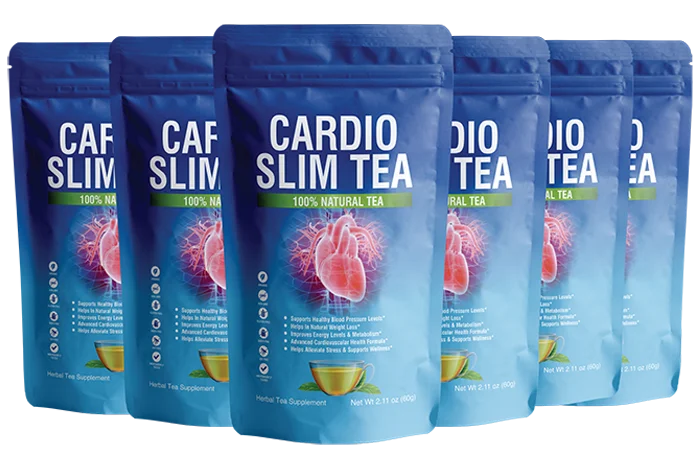
Cardio Slim Tea
Best tea for weight + heart supportA 15-herb daily tea routine — Beetroot + Hibiscus + Hawthorn for the heart, Green Tea + Oolong + Cinnamon for the metabolism — for adults who want both ends covered.
- 4,970+ verified buyers
- 60-day money-back guarantee
Current pricing and bundle options are shown on the official site.
Cardio Slim Tea pairs Hibiscus with Beetroot and Hawthorn (cardiovascular) plus decaffeinated Green Tea and Oolong (metabolic) — a 15-herb blend built explicitly around the heart-and-weight dual angle. For the powder format with hibiscus-style polyphenols in a broader matrix:
Ikaria Juice
Best polyphenol + 9-strain probiotic powderA morning polyphenol + 9-strain probiotic powder — for people tired of one-more-capsule-bottle who want a 30-second ritual that actually works.
Check the Latest Price →For the full comparison of weight-loss teas, see our guide to what tea is best for losing weight.
FAQs
Does hibiscus help with weight loss?
Modestly. The stronger evidence is for blood pressure (hibiscus reliably lowers it in trials), but several studies also show a small weight and waist-circumference effect. A notable trial found hibiscus extract reduced body weight, BMI, and waist-to-hip ratio over 12 weeks. The mechanism likely involves inhibiting carbohydrate-digesting enzymes and modest diuretic effects. It's a cardiovascular-plus-weight ingredient — best where both matter.
How does hibiscus lower blood pressure?
Hibiscus is rich in anthocyanins (the pigments that give it its deep red color) and other polyphenols that support blood vessel function. It appears to act somewhat like a natural ACE inhibitor (the mechanism of common BP medications), promotes nitric oxide production for vasodilation, and has mild diuretic effects. Multiple meta-analyses confirm meaningful systolic and diastolic blood pressure reductions, particularly in people with elevated BP.
How much hibiscus do I need for benefits?
Blood pressure studies typically use the equivalent of 2–3 cups of hibiscus tea daily, or standardized extracts delivering similar anthocyanin content. For the tea form, brewing 1.5–2 grams of dried hibiscus per cup, 2–3 times daily, matches the studied intake. Effects on blood pressure show up within 2–6 weeks of consistent daily use. The weight effects build over a longer 12-week window.
Is hibiscus safe to drink daily?
Hibiscus is generally safe and well-tolerated for daily consumption. The main cautions: it can lower blood pressure, so people already on BP medication should monitor for additive effects (consult your doctor). It may interact with some medications (including certain diuretics and diabetes drugs). Very high intake isn't recommended during pregnancy. For most people, 2–3 cups daily is safe and beneficial.
Is hibiscus better as a tea or supplement?
Both work if they deliver adequate anthocyanin content. Tea is the traditional form and matches most of the research — it's pleasant, hydrating, and caffeine-free. Concentrated extracts offer convenience and consistent dosing. For the combined cardiovascular-and-weight benefit, hibiscus is often included in multi-herb tea blends that pair it with complementary cardiovascular and metabolic herbs for a broader effect.
Final Thoughts
Hibiscus is a quietly impressive ingredient — not because it's a powerful fat-burner (it isn't), but because it does two genuinely useful things at once. Its blood-pressure evidence is strong enough that some trials compare it to medication; its weight-and-waist effect is modest but real. For the large group of people carrying both extra weight and rising blood pressure, that dual profile is exactly right.
Drink it as a tea (2–3 cups daily) or take it in a cardiovascular- focused blend, give the blood-pressure effect a few weeks and the weight effect a few months, and appreciate it for what it is: a pleasant, caffeine-free, evidence-backed ingredient that serves the heart and the waistline together — without the cardiovascular downside of stimulant fat burners.
This connects directly to our Cardio Slim Tea review and the best teas for losing weight.
Recommended Products
Reviewed by: The Supplement Post Editorial Team, Editorial Review — Last updated:
About Luciano Cesar
Luciano Cesar is a contributor at The Supplement Post, supporting the production of evidence-aware supplement reviews and buyer's guides across multiple health categories. His work spans ingredient analysis, formulation assessment and consumer-oriented summaries — what a label discloses, how the stated doses compare with the amounts used in published human research, and whether a formula's design matches what it claims to do. Every review is checked by The Supplement Post editorial team against the standards published in our editorial policy before it goes live.
Disclosure
All content on The Supplement Post is for informational purposes only and is not a substitute for professional medical advice, diagnosis, or treatment. Each product is a dietary supplement, not a prescription drug; statements about its benefits have not been evaluated by the U.S. Food and Drug Administration (FDA) and the product is not intended to diagnose, treat, cure, or prevent any disease.
Results may vary based on individual health status, consistency of use, and lifestyle. If you are pregnant or nursing, taking medication, or have a medical condition, consult a qualified healthcare professional before using any supplement.
This page may contain affiliate links—if you purchase through them, The Supplement Post may earn a small commission at no additional cost to you. References to third-party sites are provided for convenience; we do not control or guarantee their content.