
What Tea Is Best for Losing Weight in 2026? The Honest Answer (and What to Avoid)
Most weight-loss teas are senna laxatives in disguise. The "skinny tea" industry was built on a stimulant that empties your bowels and makes the scale dip overnight — not on anything that affects fat. A few teas aren't built that way. Here's the one that earns its place, plus what to avoid.
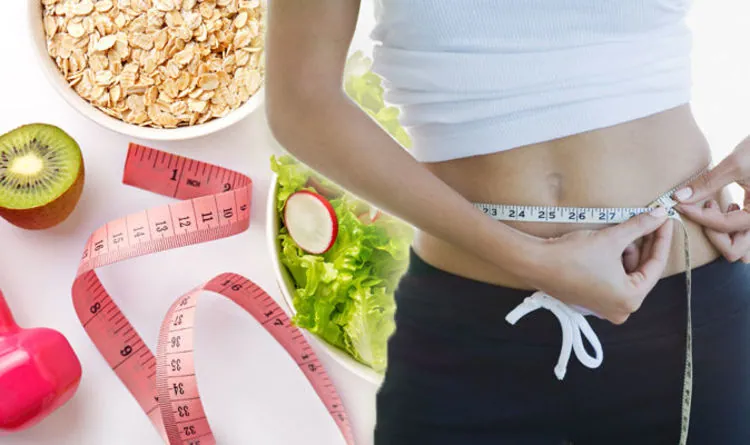
A real read on weight-loss tea — which compounds actually do something, and which routines are hype.
In this guide:
- The "Detox Tea" Problem You Need to Know About First
- What Compounds in Tea Actually Affect Weight
- What Separates a Real Weight-Loss Tea from a Senna Laxative
- The Tea That Earns Its Place
- Two Alternates If You Prefer Powder to Brewed Tea
- Tea vs Polyphenol Powder vs Adaptogen Powder
- What the First 12 Weeks Actually Look Like
- FAQs
- Final Thoughts
The honest opening: the weight-loss tea category is a minefield. Most products in the "skinny tea" and "14-day detox" aisle are built on senna — a stimulant laxative that causes water loss, bowel cramping, and dependency, not fat loss. The FTC has settled multiple cases against detox tea brands for exactly this reason. So before recommending a tea, this guide separates the real category from the harmful one.
A handful of teas actually do something for weight — built on green tea catechins, hibiscus, beetroot, hawthorn, and similar compounds with real cardiovascular and metabolic research. They're slower than the senna drama. They don't cause overnight scale drops. But they also don't damage your gut.
The "Detox Tea" Problem You Need to Know About First
The "skinny tea" boom of 2015–2022 was built on a quiet ingredient: senna. It's a stimulant laxative — effective for acute constipation under short-term medical use, harmful when used daily for weeks. The mechanism: it empties the colon aggressively, which makes the scale drop overnight (it's water and bowel content, not fat). The side effects: cramping, dependency, electrolyte imbalance, and over months, damage to bowel function.
The FTC settled cases against Teami, Flat Tummy Co., and others for misleading marketing. The teas are still on shelves. The pattern to watch: any "detox tea" or "skinny tea" with senna, cascara sagrada, or "natural laxative" in the ingredient list. Walk away.
What Compounds in Tea Actually Affect Weight
The honest version, in 40 seconds
Real weight-loss tea uses metabolic compounds, not laxatives. The most-researched: EGCG and catechins (green tea) for fat oxidation; hibiscus for blood pressure and mild metabolic effects; beetroot for nitric oxide and cardiovascular health; hawthorn for circulation; and cinnamon + ginger for blood sugar and thermogenesis. Expect 2–4 kg over 8–12 weeks with consistent daily use — not magic.
Green tea catechins — particularly EGCG (epigallocatechin gallate) — have multiple meta-analyses showing modest fat oxidation and thermogenic effects. The dose matters: weight-loss benefit shows up around 300–600 mg EGCG daily, which usually requires multi-cup tea consumption or a concentrated blend.
Hibiscus has been studied for blood pressure (modest reductions) and a small but consistent weight effect when consumed daily. Beetroot delivers nitrates that convert to nitric oxide, supporting circulation — useful particularly for cardiovascular weight context. Hawthorn adds the heart-protective layer. Cinnamon and ginger contribute blood sugar stabilization and thermogenesis.
What no single ingredient does: deliver dramatic weight loss alone. The compounds work better together — which is why multi-herb blends targeting both metabolism and cardiovascular health outperform single-herb teas for the daily weight-management use case.
What Separates a Real Weight-Loss Tea from a Senna Laxative
- 1. No senna or stimulant laxatives. Walk away from anything with senna, cascara sagrada, or "natural laxatives."
- 2. Decaffeinated or low-caffeine. High caffeine disrupts sleep and raises cortisol — both work against weight loss.
- 3. Multi-pathway formula. Diuretic teas drop water weight that comes back. Real teas use metabolic + cardiovascular + thermogenic compounds.
- 4. Transparent ingredient list. Every herb named, no "proprietary slimming blend" hiding what's inside.
- 5. Realistic timeline + 60-day guarantee minimum. Tea cycles fast but real change still takes 8–12 weeks.
The Tea That Earns Its Place
Of the weight-loss teas on the market that actually meet those filters, one stands out for combining the metabolic compounds with a serious cardiovascular layer. Cardio Slim Tea is a 15-herb blend built around three vectors: cardiovascular (Beetroot, Hibiscus, Hawthorn), thermogenic (decaffeinated Green Tea, Oolong, Cinnamon, Ginger), and adaptogenic/antioxidant support. The dual focus is unusual — most weight-loss teas ignore the heart; most heart teas ignore weight. This one covers both.
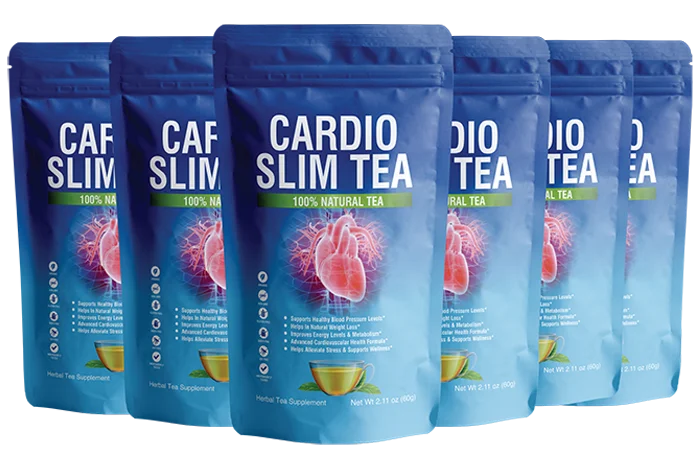
Cardio Slim Tea
Best tea for weight + heart supportA 15-herb daily tea routine — Beetroot + Hibiscus + Hawthorn for the heart, Green Tea + Oolong + Cinnamon for the metabolism — for adults who want both ends covered.
- 4,970+ verified buyers
- 60-day money-back guarantee
Current pricing and bundle options are shown on the official site.
Decaffeinated for daily use. Backed by 4,970+ verified buyers at 4.97/5 on the manufacturer's site. 60-day money-back guarantee — fair for tea (teas cycle through the body faster than capsules, so the evaluation window doesn't need to be as long). Drink 3–4 cups daily; cardiovascular signals shift in weeks 4–8, waistline change between weeks 8–12.
Two Alternates If You Prefer Powder to Brewed Tea
Brewing tea daily isn't for everyone. If you want the same compounds in a faster ritual — scoop in water, drink in 30 seconds — two powder formats deliver the same broad benefit:
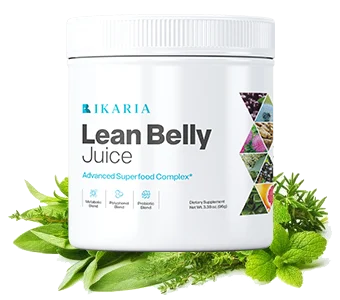
Ikaria Juice
Best polyphenol + 9-strain probiotic powderA morning polyphenol + 9-strain probiotic powder — for people tired of one-more-capsule-bottle who want a 30-second ritual that actually works.
Check the Latest Price →And if you want a Japanese-inspired adaptogenic angle — Ashwagandha, Eleuthero, Panax Ginseng layered with the green tea polyphenols — the adaptogen powder route is yours:
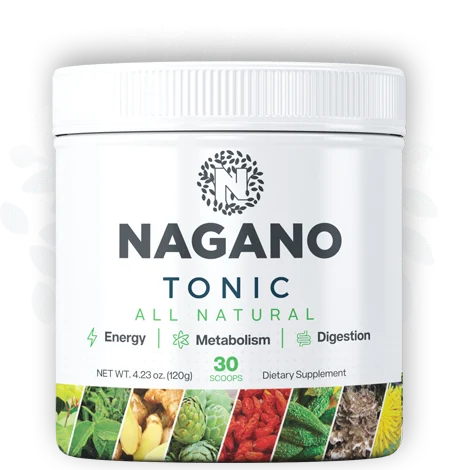
Nagano Tonic
Best for cortisol belly + stress weightA Japanese-inspired adaptogen + thermogenic powder built around Ashwagandha + Eleuthero + Green Tea — for the cortisol weight that diet alone never moves.
Check the Latest Price →Daily brewed tea (Cardio Slim), polyphenol powder (Ikaria Juice), or adaptogen powder (Nagano Tonic). Same compounds, different rituals. The right one is the one you'll actually do every day for 12 weeks.
Tea vs Polyphenol Powder vs Adaptogen Powder
| Format | Best For | Honest Trade-Off |
|---|---|---|
| Daily brewed tea (Cardio Slim) | People who enjoy the brewing ritual + cardiovascular support | Requires 3–4 cups daily; brewing routine takes commitment |
| Polyphenol powder (Ikaria Juice) | Fast morning ritual, broader formula (polyphenols + 9-strain probiotic) | Powder taste preference varies |
| Adaptogen powder (Nagano Tonic) | Cortisol-driven weight, ragged sleep | Adaptogen effects compound slower than thermogenic compounds |
Format is about adherence. Pick the one your routine will sustain.
What the First 12 Weeks Actually Look Like
| Window | What You Should Notice |
|---|---|
| Week 1–2 | Digestion shifts. Energy steadier through the afternoon. Hydration improves. |
| Week 3–4 | Blood pressure trends down (if Cardio Slim). Cravings ease. Energy compounds. |
| Week 5–8 | Visible body composition starts shifting. Waistline movement. |
| Week 9–12 | 2–4 kg cumulative weight loss is realistic. Cardiovascular markers stabilize. |
Slower than capsules, faster than powder shake stacks. Tea is the gentle daily nudge — not the dramatic intervention.
FAQs
Which tea actually helps you lose weight?
The teas with the most research are green tea (EGCG and catechins for fat oxidation), oolong tea (similar polyphenol profile with slower caffeine release), hibiscus (blood pressure + modest weight effects), and beetroot (nitric oxide, cardiovascular). Single-herb teas help modestly. Multi-herb blends that combine these compounds tend to deliver more measurable results.
Are 'detox teas' or 'skinny teas' actually safe?
Most aren't. The majority of 'skinny teas' and '14-day detox' programs use senna — a stimulant laxative banned in some countries for chronic use. The 'weight loss' is water loss and bowel evacuation, not fat loss. Long-term senna use can cause bowel dependency, electrolyte imbalance, and digestive damage. The FTC has settled multiple cases against detox tea brands for misleading claims.
How much weight can you lose drinking tea?
Realistic expectations: 2–4 kg over 8–12 weeks with a quality tea blend, drunk consistently (3–4 cups daily) alongside reasonable diet and movement. Anything promising dramatic weight loss from tea alone is misleading. The benefit is the consistent metabolic and cardiovascular nudge — not magic.
Should I drink weight-loss tea hot or cold?
Hot brewing extracts more polyphenols and catechins. Cold-brewing is gentler but extracts less of the active compounds. For weight-loss benefit, brew hot, let it cool to drinkable, then drink. Iced tea made from properly brewed hot tea retains most of the benefit.
Can I drink weight-loss tea every day?
A clean, multi-herb tea without senna can be drunk daily. Look for decaffeinated or low-caffeine blends if you're drinking 3–4 cups a day. Skip teas with stimulant laxatives — those should never be daily.
Final Thoughts
The honest answer to "what tea is best for losing weight" is a short list, not a long one. Cardio Slim Tea is the cleanest multi-herb option — cardiovascular + metabolic + decaffeinated, no senna, real research behind the anchor ingredients. If brewing isn't your ritual, Ikaria Juice delivers the polyphenol spectrum in powder form, and Nagano Tonic adds the adaptogenic layer for cortisol-driven weight. Pick one, give it daily for 12 weeks, and let the gentle compounds do their slow work.
And the warning that should come with every tea-aisle recommendation: if a product promises 14-day dramatic results, check the label for senna. The scale drop overnight is bowel content, not progress. Real weight-loss tea is boring. That's a feature.
Read this alongside our Cardio Slim Tea review and the EGCG dose that moves fat oxidation for the fuller picture.
Recommended Products
Reviewed by: The Supplement Post Editorial Team, Editorial Review — Last updated:
About Luciano Cesar
Luciano Cesar is a contributor at The Supplement Post, supporting the production of evidence-aware supplement reviews and buyer's guides across multiple health categories. His work spans ingredient analysis, formulation assessment and consumer-oriented summaries — what a label discloses, how the stated doses compare with the amounts used in published human research, and whether a formula's design matches what it claims to do. Every review is checked by The Supplement Post editorial team against the standards published in our editorial policy before it goes live.
Disclosure
All content on The Supplement Post is for informational purposes only and is not a substitute for professional medical advice, diagnosis, or treatment. Each product is a dietary supplement, not a prescription drug; statements about its benefits have not been evaluated by the U.S. Food and Drug Administration (FDA) and the product is not intended to diagnose, treat, cure, or prevent any disease.
Results may vary based on individual health status, consistency of use, and lifestyle. If you are pregnant or nursing, taking medication, or have a medical condition, consult a qualified healthcare professional before using any supplement.
This page may contain affiliate links—if you purchase through them, The Supplement Post may earn a small commission at no additional cost to you. References to third-party sites are provided for convenience; we do not control or guarantee their content.