
EGCG and Green Tea Catechins: The Dose That Actually Drives Fat Oxidation
Green tea genuinely supports fat loss — but only at the right EGCG dose, and only if the absorption problem is solved. Most people take far too little of the active compound to matter. Here's how catechins drive fat oxidation, the clinical dose, and the caffeine trade-off.
The green tea catechin that drives fat oxidation — and the dose most people miss.
In this guide:
Green tea is the most-studied beverage on earth, and its weight-loss reputation is earned — the catechins genuinely enhance fat oxidation. But there's a gap between "green tea helps fat loss" and what most people actually experience, and that gap comes down to two things: dose and absorption.
Most green tea products either contain too little active EGCG or deliver it in a poorly-absorbed form — so the effect never materializes. Here's what it takes to make green tea catechins actually work for fat oxidation.
What EGCG and Catechins Are
The honest version, in 40 seconds
EGCG (epigallocatechin gallate) is the most active catechin in green tea. It enhances fat oxidation — your body's fat-burning rate — by prolonging the norepinephrine signal that mobilizes fat. The studied dose is 250–500 mg daily, more than a few cups of tea provide. It works best with caffeine and exercise. The effect is real but modest — a supporting compound, not a standalone solution.
Catechins are a family of antioxidant compounds in green tea. The four main ones are EGC, ECG, EC, and the star: EGCG (epigallocatechin gallate), which makes up the largest share and carries most of green tea's metabolic activity.
When you see green tea extract on a supplement label, the meaningful number isn't "green tea extract 500 mg" — it's the standardized EGCG content. A quality extract specifies how much EGCG it delivers, because that's the compound the fat-oxidation research is built on.
How EGCG Drives Fat Oxidation
EGCG's main weight mechanism is enhancing fat oxidation — the rate at which your body burns fat for fuel rather than storing it. It does this through a clever biochemical route.
Norepinephrine is a hormone that signals fat cells to release stored fat for burning. An enzyme called COMT normally breaks norepinephrine down, ending the signal. EGCG inhibits COMT, which prolongs the norepinephrine signal — keeping the fat-mobilizing message active longer. The result is increased fat oxidation, particularly during activity.
EGCG also modestly increases thermogenesis (calorie burning as heat), contributing to a slightly higher daily energy expenditure. The combined effect is real but modest — meta-analyses show green tea catechins produce small but significant increases in fat oxidation and modest weight effects, strongest when combined with caffeine and exercise.
The Dose That Actually Works
This is where most green tea products fail. Studies showing fat-oxidation effects use 250–500 mg of EGCG daily — sometimes higher. But two problems undermine real-world results:
Problem 1: Too little EGCG. Many products list "green tea extract" without specifying EGCG content, and the actual EGCG dose is far below the studied range. A few cups of brewed tea deliver maybe 50–100 mg — well under the threshold.
Problem 2: Poor absorption. Even at adequate doses, standard EGCG is poorly absorbed — most passes through without entering your bloodstream. This is exactly the problem that absorption-enhanced forms like Greenselect Phytosome solve by binding the catechins to phospholipids.
The takeaway: to get the fat-oxidation effect, you need both an adequate EGCG dose (250–500 mg) AND a form that's actually absorbed. Miss either and the green tea does little.
The Caffeine Question
Most green tea fat-oxidation studies used catechins with caffeine, and the combination appears more effective than either alone. The synergy makes sense: caffeine mobilizes fat (boosts norepinephrine release) and EGCG prolongs the signal (inhibits its breakdown). Together they keep the fat-burning signal stronger and longer.
But caffeine has a downside for weight specifically: it raises cortisol, the stress hormone that promotes belly fat storage and disrupts sleep (which worsens weight regulation). For people managing cortisol-driven belly fat or sensitive to stimulants, the caffeine can be counterproductive.
The result is a genuine trade-off: caffeine + EGCG maximizes fat-oxidation, but caffeine-free EGCG (like Greenselect Phytosome) offers slightly less effect with much better tolerability and no cortisol penalty. The right choice depends on your stimulant tolerance and whether cortisol is part of your weight picture.
How to Get an Effective Dose
For the fat-oxidation effect, you want a formula that delivers a real, standardized EGCG dose — ideally as part of a thermogenic stack:
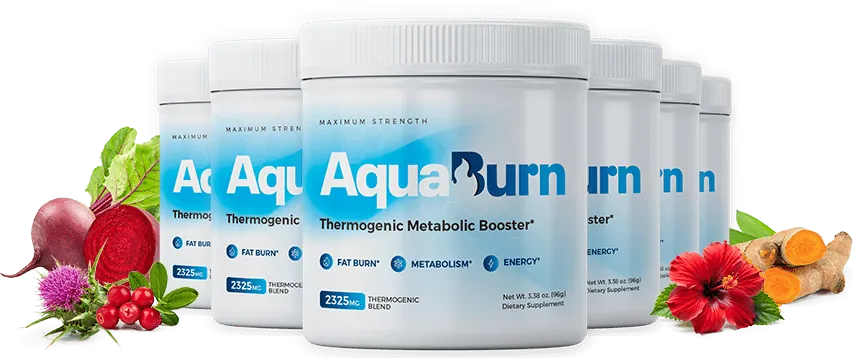
AquaBurn
Best for stubborn belly fat after 40A polyphenol + thermogenic powder targeting brown fat activation via the irisin pathway — for adults past 40 fighting visceral fat that won't budge.
- 6,800+ verified buyers
- 180-day money-back guarantee
Current pricing and bundle options are shown on the official site.
AquaBurn includes Green Tea standardized to 50% EGCG (plus 80% catechins) alongside Fucoxanthin and Resveratrol — a brown-fat + fat-oxidation combination. For the brewed-tea format that combines green tea catechins with cardiovascular herbs, the decaffeinated tea route works:
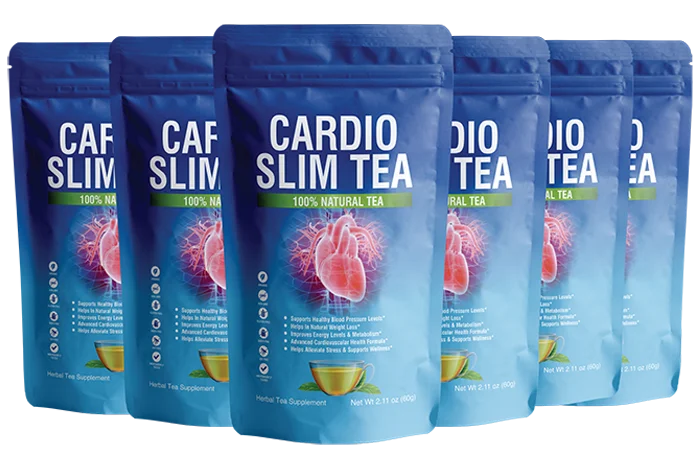
Cardio Slim Tea
Best tea for weight + heart supportA 15-herb daily tea routine — Beetroot + Hibiscus + Hawthorn for the heart, Green Tea + Oolong + Cinnamon for the metabolism — for adults who want both ends covered.
Check the Latest Price →For the absorption-engineered, caffeine-free version of green tea catechins, see our deep-dive on Greenselect Phytosome.
FAQs
What is EGCG and how does it help weight loss?
EGCG (epigallocatechin gallate) is the most active catechin in green tea. It supports weight loss mainly by enhancing fat oxidation — the rate at which your body burns fat for fuel — and modestly increasing thermogenesis (calorie burning as heat). It works partly by inhibiting an enzyme (COMT) that breaks down norepinephrine, prolonging the fat-mobilizing signal. The effect is real but modest, and best documented when combined with caffeine and exercise.
How much EGCG do I need for fat oxidation?
Studies showing fat-oxidation effects typically use 250–500 mg of EGCG daily, sometimes higher. The catch is absorption — standard green tea extract delivers EGCG poorly, so the effective dose reaching your tissues is much lower than the label suggests. This is why absorption-enhanced forms (like Greenselect Phytosome) or pairing with the right cofactors matters. A few cups of brewed tea provide far less than the studied dose.
Does EGCG work better with caffeine?
Yes — most fat-oxidation studies used green tea catechins WITH caffeine, and the combination appears more effective than either alone. Caffeine and EGCG work synergistically: caffeine mobilizes fat and EGCG prolongs the signal. However, caffeine has downsides (cortisol, sleep disruption), so caffeine-free EGCG forms exist for people who want the catechin benefit without the stimulant. The trade-off is slightly less fat-oxidation effect for better tolerability.
Is green tea extract safe for the liver?
At normal supplement doses, green tea extract is generally safe. However, very high doses of concentrated EGCG (typically above 800 mg daily, especially on an empty stomach) have been linked to rare cases of liver stress. The sensible approach: stay within the studied 250–500 mg range, take it with food, and avoid mega-dosing. People with liver conditions should consult their doctor. Brewed tea poses essentially no risk; concentrated extracts warrant moderation.
Can I just drink green tea instead of taking EGCG supplements?
Drinking green tea is healthy and provides some EGCG, but reaching the studied fat-oxidation dose (250–500 mg) would require many cups daily — more than most people drink. Brewed tea also has variable EGCG content and the absorption problem. For the specific fat-oxidation effect at a consistent dose, a standardized extract (ideally absorption-enhanced) is more reliable. Tea is great for general health; extract is better for targeted weight effects.
Final Thoughts
Green tea catechins — EGCG above all — genuinely enhance fat oxidation through a well-characterized mechanism. The reason so many people don't experience the effect isn't that green tea doesn't work; it's that they take too little EGCG, in a poorly-absorbed form, to reach the studied threshold.
Get it right — 250–500 mg of EGCG in an absorbable form, ideally with caffeine and exercise if cortisol isn't a concern — and green tea earns its fat-loss reputation as a real (if modest) supporting compound. Look for standardized EGCG content on the label, not just "green tea extract," and pair it with the complementary mechanisms that make a thermogenic stack greater than its parts.
Ready to turn this into a shortlist? See the best teas for losing weight and the Greenselect Phytosome form.
Recommended Products
Reviewed by: The Supplement Post Editorial Team, Editorial Review — Last updated:
About Luciano Cesar
Luciano Cesar is a contributor at The Supplement Post, supporting the production of evidence-aware supplement reviews and buyer's guides across multiple health categories. His work spans ingredient analysis, formulation assessment and consumer-oriented summaries — what a label discloses, how the stated doses compare with the amounts used in published human research, and whether a formula's design matches what it claims to do. Every review is checked by The Supplement Post editorial team against the standards published in our editorial policy before it goes live.
Disclosure
All content on The Supplement Post is for informational purposes only and is not a substitute for professional medical advice, diagnosis, or treatment. Each product is a dietary supplement, not a prescription drug; statements about its benefits have not been evaluated by the U.S. Food and Drug Administration (FDA) and the product is not intended to diagnose, treat, cure, or prevent any disease.
Results may vary based on individual health status, consistency of use, and lifestyle. If you are pregnant or nursing, taking medication, or have a medical condition, consult a qualified healthcare professional before using any supplement.
This page may contain affiliate links—if you purchase through them, The Supplement Post may earn a small commission at no additional cost to you. References to third-party sites are provided for convenience; we do not control or guarantee their content.