
Life After Ozempic: What Actually Happens When You Stop (and How to Hold the Loss)
The drug clears in 5–7 weeks. The appetite spike hits hardest in weeks 2–4. By month 3, your body settles into a new baseline — and whether you held the loss depends almost entirely on what you do in the first 30 days after stopping.
See the GLP-1 Bridge Supplement → Or read the 3 picks first ↓
✓ The short answer
Ozempic clears your system in 5–7 weeks. The appetite spike peaks in weeks 2–4 — that's the window almost no one prepares you for. Without intervention: 50–70% weight regain in 12 months. With protocol: hold 60–80% of your loss long-term. Below: what your body is actually doing week by week, the three biological layers that have to reset, and the three supplements that bridge each layer.
First — Why You're Probably Here
One day you decided you were done. Maybe the cost stopped making sense. Maybe the side effects became intolerable. Maybe you hit your goal and assumed the lifestyle would hold the loss. Whatever the reason — the doctor said you could stop, the prescription ran out, and now you're living the question almost nobody on Ozempic was warned about: what actually happens after?
This isn't a fear-mongering article. It's the honest biological explainer: the timeline, the cascade, the recovery layers, and the specific things that determine whether your post-Ozempic body settles into a sustainable new baseline — or rebounds toward your starting weight.
Why This Matters More Than Most Doctors Tell You
The rebound after stopping Ozempic is real, documented, and almost never discussed in the prescription conversation. Here's what published trials actually show:
What the clinical data shows
- Without intervention, 50–70% of weight loss returns within 12 months. The STEP-1 trial extension study published in JAMA showed roughly 2/3 of the weight regained within a year of stopping semaglutide. Other extension data shows similar patterns across GLP-1 drugs.
- The rebound peaks in weeks 2–4, not immediately after stopping. Semaglutide has a ~7-day half-life — it takes 5 half-lives (5–7 weeks) to fully clear. Week 1 you still have residual effect. Weeks 2–4 is when the appetite spike hits hardest.
- Your body's own GLP-1 production was suppressed during the drug course. The L-cells in your gut got out of practice. Recovery typically takes 8–12 weeks — meaning your natural "I'm full" signal is weaker than baseline for months after stopping.
- Most Ozempic users lost 20–30% of their weight as muscle, not fat. Lower lean mass = lower baseline metabolism, which means the same intake produces more weight gain than before. This is the "Ozempic face" headline pointing at a deeper sarcopenia issue.
- With a thoughtful protocol, retention shifts to 60–80% at 12 months. Studies of users who actively manage the transition (supplements, protein, strength training, sleep) consistently show roughly double the retention vs no-intervention. The intervention works. Most people just don't know it exists.
Citations from STEP-1 extension trial (JAMA) and published GLP-1 discontinuation cohort studies. The pattern is consistent across the literature: biology snaps back when the pharmaceutical signal stops, but it can be softened.
What Ozempic Actually Did (And Why That Matters Now)
Ozempic (semaglutide) is a GLP-1 receptor agonist. It works by mimicking a hormone your body already makes — GLP-1 — that signals fullness, slows stomach emptying, and improves insulin response after meals. During the drug course, that signal was artificially amplified 24/7. Your own GLP-1 production got quiet, your insulin curve smoothed out, and your appetite stayed suppressed.
When you stop, three things have to reset: your endogenous GLP-1 system, your insulin sensitivity, and your gut microbiome. The natural alternatives below work by supporting those exact recovery layers — not by replacing the pharmaceutical signal, but by helping your own systems re-establish baseline faster than they would on their own.
What these terms actually mean:
- GLP-1 (glucagon-like peptide-1)
- A hormone your gut produces after eating that tells your brain "you're full." Ozempic mimics it pharmaceutically. Natural alternatives boost your own production instead.
- Akkermansia muciniphila
- A gut bacteria that triggers your L-cells to release more GLP-1 naturally. People with metabolic problems usually have low Akkermansia levels. Replenishing it supports the body's own GLP-1 production.
- P9 protein
- A specific protein from Akkermansia that's the actual molecule triggering the L-cells to produce GLP-1. Newer formulas include the isolated P9 directly for stronger signaling.
- Berberine + AMPK
- Berberine activates an enzyme called AMPK that improves insulin sensitivity — similar mechanism to Metformin. Useful for the post-Ozempic insulin rollercoaster (post-meal crashes and sugar cravings).
- Sarcopenia
- Muscle loss. A real concern with GLP-1 drugs because rapid weight loss often comes from lean tissue, not just fat. Protein + strength training during and after the drug course are non-negotiable for preserving metabolism.
The Honest Timeline — Week by Week
The single most important window: weeks 2–4. That's when the drug clears, the appetite returns, and the decisions you make in that 14-day stretch determine most of the 12-month outcome.
★ Weeks 3–4 is the rebound peak. Almost nobody talks about this window because it happens after the doctor stops being involved.
Three Supplements for the Three Recovery Layers
The post-Ozempic rebound has three biological drivers: suppressed GLP-1, insulin drift, and gut disruption. Each of these picks targets one layer — pick the one that matches your dominant pattern, or combine for a fuller protocol.
SlimLeaf
Bridging the GLP-1 gap — closest natural mechanism match
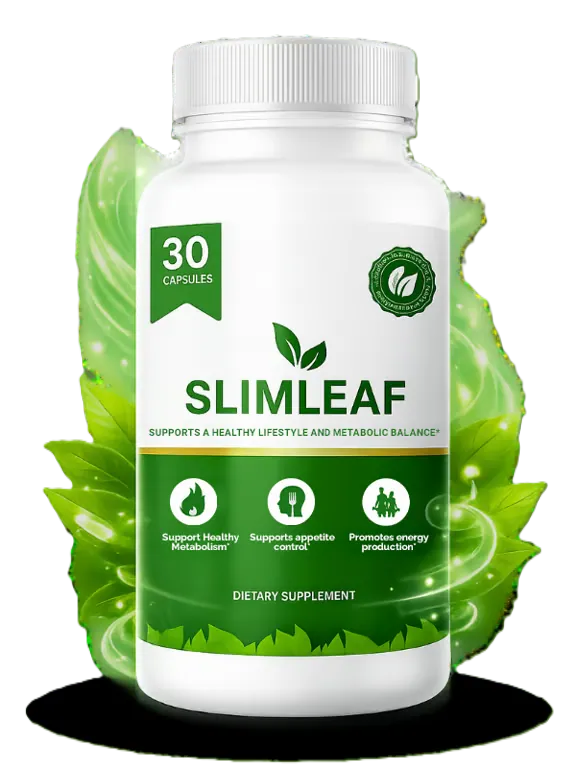
Ozempic worked by amplifying GLP-1 signaling. SlimLeaf works by supporting your body's OWN GLP-1 production — Akkermansia muciniphila and the P9 protein activate the L-cells in your gut to produce the satiety signal naturally. The mechanism overlap is closer than any other natural alternative. Start 2–3 weeks BEFORE your last Ozempic dose ideally — colonization takes time, and you want the natural pathway active when the drug-suppressed version stops.
500+ verified buyers · 30-day money-back
Look elsewhere if: Your dominant rebound symptom is post-meal crashes and sugar cravings rather than baseline hunger — Ignitra (Berberine) targets that insulin layer better.
Ignitra
Insulin rollercoaster + post-meal crashes — the cravings pick
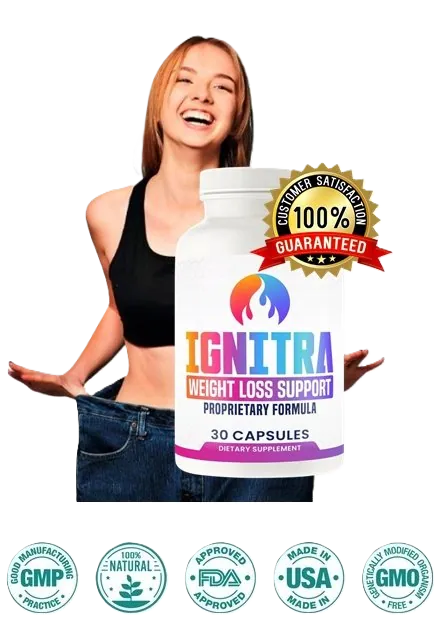
If what's really wrecking you post-Ozempic is the 2 p.m. crash, the sugar cravings, and the rollercoaster that didn't exist on the drug — that's insulin sensitivity drifting back. Ignitra is Berberine HCL through the AMPK pathway, the closest natural mechanism to what Metformin does — stabilizing post-meal glucose and reducing crash-driven cravings. Works in 4–8 weeks; pair with SlimLeaf for the broader GLP-1 layer.
2,300+ verified buyers · 180-day money-back
Look elsewhere if: Baseline hunger (not crash-driven cravings) is your main issue — SlimLeaf's GLP-1 mechanism matches that pattern better.
LeanBiome
Gut beat-up from Ozempic — microbiome recovery
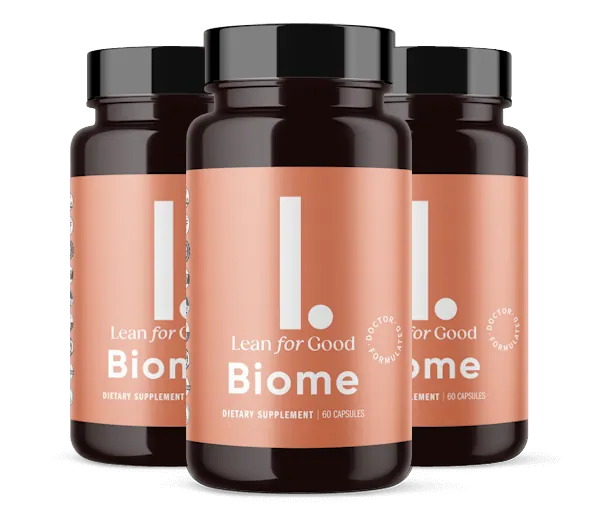
GLP-1 drugs disrupt gut motility and microbiome composition — many users come off Ozempic with constipation, bloating, or the lingering GI chaos. LeanBiome is a 9-strain probiotic anchored by L. Gasseri + L. Rhamnosus + Akkermansia, designed to repopulate the gut-brain axis that runs satiety signaling. The 180-day window is the longest in the category, which matters because microbiome shifts take 8–16 weeks.
8,500+ verified buyers · 180-day money-back
Look elsewhere if: Your gut feels fine and the rebound is straightforward hunger or insulin issues — SlimLeaf or Ignitra handles those directly.
What Actually Softens the Rebound — Beyond Supplements
The supplements bridge the biological gap. But they work best alongside three other things — and skipping any of these makes the supplements work harder than they need to:
- Protein, aggressively. 1 gram per pound of target body weight daily (not current weight). Protects what muscle you have, supports satiety naturally, helps preserve metabolism. This is the single biggest non-supplement lever.
- Strength training, non-negotiable. 2–3x per week, full-body, progressive overload. Muscle is what burns calories at rest. Lose muscle, lower metabolism, easier rebound.
- Sleep protection. 7+ hours nightly. Sleep loss raises cortisol, which parks more fat around the waist and increases cravings the next day. The cortisol-craving cycle can sabotage even a perfect supplement protocol.
- Start supplements BEFORE you stop the drug. Akkermansia-based supplements take 2–3 weeks to colonize and activate. Start them while still on Ozempic (last 2–3 weeks) so the natural pathway is active when the drug-suppressed version stops.
When Restarting Might Be the Right Call
We're recommending a transition protocol — not telling you stopping is always right for everyone. For some men and women, the honest answer is that Ozempic (or a lower maintenance dose, or a different GLP-1) is the sustainable choice for now. Here's when:
- The rebound is genuinely unmanageable — physically or emotionally — despite a serious protocol
- Your doctor has flagged metabolic concerns that pharmaceutical GLP-1 specifically addresses
- You'd benefit from a lower maintenance dose rather than full cessation
- Foundayo (the new oral GLP-1) makes sense as a transition rather than full discontinuation
If any of those describes your situation, talk to your doctor about whether continuing pharmaceutical GLP-1 at a different dose or format is the right call. Stopping isn't a moral choice — it's a practical one. The right answer is whichever protocol you can actually sustain.
What actually happens after you stop Ozempic?
Life after Ozempic is real biology, not willpower. The drug clears in 5–7 weeks. The rebound peaks in weeks 2–4. Your body settles into a new baseline by month 3 — and whether that baseline is close to your Ozempic-low or close to your pre-Ozempic-high is largely determined by what you did in the first 30 days after stopping.
Here's where we'd start. If you're still on Ozempic and planning to taper off, start SlimLeaf 2–3 weeks before your last dose — the colonization takes time, and you want the natural pathway active when the drug-suppressed version stops. If you've already stopped and the rebound is starting, layer SlimLeaf with Ignitra (if cravings dominate) or LeanBiome (if your gut feels wrecked).
Worst case: the supplements don't move the needle for you and you mail them back inside the money-back window. Best case: you find the bridge that holds 60–80% of your loss long-term and your post-Ozempic body settles into a sustainable new normal instead of climbing back to where you started.
If the rebound is genuinely unmanageable, talk to your doctor about whether restarting at a lower maintenance dose or transitioning to a different protocol makes sense. Stopping isn't always the right long-term answer.
Read this alongside our Ignitra review and whether Ozempic costs you muscle for the fuller picture.
Frequently Asked Questions
What happens when you stop taking Ozempic?
Three things happen in sequence. Week 1: the drug is still active (it has a 7-day half-life), so appetite stays mostly suppressed. Weeks 2–4: the drug clears fully and appetite spikes — this is when most weight regain begins. Weeks 5–12: your body's own GLP-1 system recalibrates, insulin sensitivity drifts back, and the new baseline is established. Without intervention, studies show 50–70% of the weight loss returns within 12 months. With the right support (supplements, protein, sleep, strength training), you can hold 60–80% of the loss long-term.
How long does Ozempic stay in your system?
Approximately 5–7 weeks. Semaglutide (Ozempic's active compound) has a half-life of about 7 days, which means it takes 5 half-lives to clear fully. Week 1 after your last injection: still mostly active. Weeks 2–4: clearance phase, when symptoms shift. Weeks 5–7: fully cleared. This is why the rebound peaks in weeks 2–4 rather than immediately after your last dose.
Why does the weight come back after Ozempic?
Three biological mechanisms converge. Your endogenous GLP-1 production was suppressed during the drug course and hasn't recovered yet — your natural 'I'm full' signal is weaker than it was before you started. Insulin sensitivity that the drug was supporting drifts back, returning post-meal crashes and cravings. And the muscle loss most users experience on Ozempic (20–30% of total weight) lowered your baseline metabolism, meaning the same intake produces more weight gain than it would have before.
Will I gain all the weight back if I stop Ozempic?
Without intervention, you'll likely regain 50–70% within 12 months — that's what published clinical trials show. With a thoughtful protocol (natural GLP-1 supplement support, continued protein-focused eating, strength training to preserve muscle, sleep hygiene to keep cortisol in check), you can typically hold 60–80% of your loss long-term. The early weeks matter most — the supplements you start in weeks 1–2 of stopping have the biggest impact on the 12-month outcome.
Is the Ozempic rebound permanent?
No — but the longer you wait to address it, the harder it gets. The first 12 weeks after stopping is the critical window. Body weight tends to stabilize around month 3–4 at whatever new baseline you've established. If you've held most of your loss by then, you're in the sustainable zone. If you've regained significantly, the new baseline starts feeling like the new normal. Acting in the first month makes the difference between sustainable maintenance and full rebound.
What can I do during the Ozempic clearance window to soften the rebound?
Four things matter most. First, support your endogenous GLP-1 system with an Akkermansia + P9 supplement (started ideally 2–3 weeks before stopping). Second, eat 1g of protein per pound of target body weight daily to preserve muscle. Third, strength train 2–3x/week to maintain lean tissue. Fourth, protect your sleep — sleep loss raises cortisol, which parks more fat around the waist. The supplements help, but they work best alongside the other three.
About Luciano Cesar
Luciano Cesar is a contributor at The Supplement Post, supporting the production of evidence-aware supplement reviews and buyer's guides across multiple health categories. His work spans ingredient analysis, formulation assessment and consumer-oriented summaries — what a label discloses, how the stated doses compare with the amounts used in published human research, and whether a formula's design matches what it claims to do. Every review is checked by The Supplement Post editorial team against the standards published in our editorial policy before it goes live.
Disclosure
All content on The Supplement Post is for informational purposes only and is not a substitute for professional medical advice, diagnosis, or treatment. Each product is a dietary supplement, not a prescription drug; statements about its benefits have not been evaluated by the U.S. Food and Drug Administration (FDA) and the product is not intended to diagnose, treat, cure, or prevent any disease.
Results may vary based on individual health status, consistency of use, and lifestyle. If you are pregnant or nursing, taking medication, or have a medical condition, consult a qualified healthcare professional before using any supplement.
This page may contain affiliate links—if you purchase through them, The Supplement Post may earn a small commission at no additional cost to you. References to third-party sites are provided for convenience; we do not control or guarantee their content.