
Do Weight Loss Patches Really Work? The Honest Answer (and the Two That Earn It)
The short answer is: most don't, but a few do. The longer answer depends on a small list of things — does the patch have a real active ingredient, does it have transdermal delivery technology, does it have adoption volume that suggests people actually repurchase. Here's the evidence-based read for 2026.
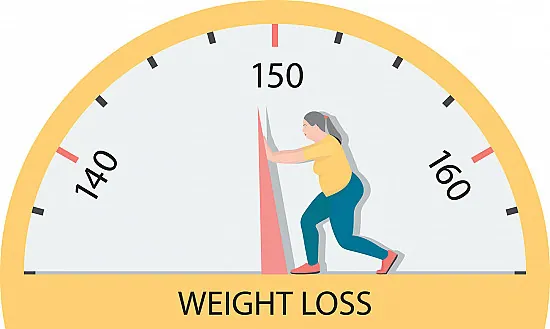
The evidence, the honest answer, and the one patch that earns the recommendation.
In this guide:
You searched "do weight loss patches really work" because you're rightly skeptical. Most of the category deserves that skepticism. Walk through the patches sold on Amazon and Etsy and you'll find products with no named active ingredient, no delivery science, no manufacturer transparency — just an adhesive square promising weight loss. Those don't work.
But the category isn't all noise. One patch in 2026 is built on research-backed ingredients (especially Berberine), real transdermal design, and adoption volume that suggests it isn't a one-purchase product. This guide is the evidence-based walk-through: what works, what doesn't, and how to tell the difference.
Do weight loss patches work?
The 40-second version
Yes — for a narrow subset of patches. The ones with named, standardized active ingredients (Berberine 20%), multi-layer transdermal delivery design, and adoption volume in the thousands deliver modest, real metabolic effects over 8–12 weeks. The vast majority of the category — generic herbal patches without named actives — are placebos at best. Quality varies dramatically.
Pharmaceutical companies have used transdermal patches for nicotine, hormone replacement, pain medication, and many other applications for decades. The technology works when the active ingredient is small enough to cross the skin barrier, delivered in a controlled matrix, with a skin-friendly adhesive. The same principles apply to weight-loss compounds — but only when the patch is engineered to deliver them.
Berberine is the compound with the most relevant research for transdermal weight applications. It's a small molecule with documented AMPK activation, insulin sensitivity effects, and modest weight outcomes in oral trials. The transdermal version delivers it without the GI side effects (bloating, cramps) that derail oral compliance.
What the Science Actually Says About Transdermal Weight Loss
Transdermal pharmacokinetics for plant-derived compounds are less thoroughly characterized than oral pharmacokinetics — that's just true. The patch category is newer than the capsule category, and the published research is thinner. But "less characterized" isn't "doesn't work." It means: judge each patch on the active ingredient's established research base, plus the real-world results of people actually using the patches consistently.
Berberine's oral research base is extensive: multiple meta-analyses for blood sugar control, modest weight loss, lipid profile, insulin sensitivity. When delivered transdermally, the dose-equivalent is lower but the compound is the same. Real-world adoption volume (8,500+ verified buyers for the Berberine patch covered here) tells you the format keeps delivering enough effect for people to repurchase.
What Separates a Real Patch from a Scam
- 1. Named active with spec. Berberine 20%, not "proprietary herbal blend."
- 2. Multi-layer transdermal design. Backing, active reservoir, controlled-release matrix, skin-friendly adhesive — not just an adhesive square.
- 3. Verified buyer volume. 8,000+ verified buyers in this category proves real adoption.
- 4. Realistic claims. 2–4 kg over 8–12 weeks, not "10 pounds in a week."
- 5. Guarantee covering format test. 30 days minimum for skin tolerance, 60 days better for evaluation.
Where That Leaves You in 2026
Run those five filters across the patch shelf today and the list comes back empty. The one product that cleared all five — a berberine patch with a named, standardised active behind it — has been discontinued, and nothing on the shelf has replaced it. That is the honest state of the category right now.
Which leaves the more useful question: the active itself. Every filter above pointed at the same compound, because berberine is the one weight-loss ingredient in this category with human trials behind it — multiple meta-analyses, a defined mechanism through AMPK, and a realistic effect size. The delivery route was never the part doing the work. It was the molecule.
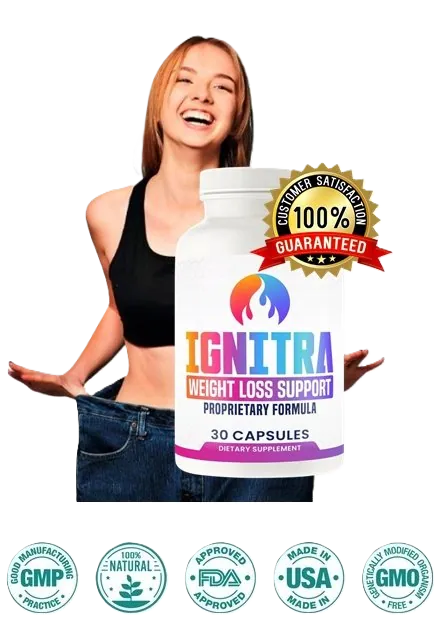
Ignitra
Best Berberine multi-pathway capsuleBerberine HCL anchor + 10 supporting metabolic ingredients — for adults past 35 dealing with slow metabolism and stubborn cravings.
- 2,300+ verified buyers
- 180-day money-back guarantee
Current pricing and bundle options are shown on the official site.
Ignitra is built on Berberine HCL — the most-studied form — layered with ten supporting compounds across four metabolic pathways, on a capsule you take once a day. The 180-day guarantee covers the full 12-week curve berberine needs, which is longer than any patch guarantee in the category ever ran.
Real Patch vs Scam Patch — Side by Side
| Signal | Real Patch | Scam Patch |
|---|---|---|
| Active ingredient | Named + standardized (e.g., Berberine 20%) | "Proprietary herbal blend" |
| Delivery technology | Multi-layer design, controlled release | Adhesive square, no delivery layer |
| Buyer volume | Thousands of verified reviews | Few or no verified reviews |
| Claims | 2–4 kg over 8–12 weeks | "Lose 10 lbs in a week" |
| Guarantee | 60+ days, money-back | No guarantee or 7-day window |
| Manufacturing | FDA-registered, GMP-compliant | No facility transparency |
Six signals, six filters. The patches that fail any of them aren't worth your money.
What the First 8 Weeks Actually Look Like
| Window | What You Should Notice |
|---|---|
| Week 1–2 | Skin tolerance reads true. Adhesive adherence sets. Subtle softer appetite. |
| Week 3–4 | Cravings ease. Steadier afternoon energy. The 3 p.m. slump softens. |
| Week 5–6 | Waistband loosens before the scale moves. Visible shift starts. |
| Week 7–8 | Cumulative 2–4 kg change for the Berberine patch (in line with oral Berberine timelines). |
Slower than capsules, faster than tea. The trade is adherence and zero GI side effects.
FAQs
Do weight loss patches actually work?
Most don't. A small minority do. The patches that work have named, research-backed active ingredients (especially Berberine), real transdermal delivery technology (multi-layer design), and adoption volume that suggests repeat purchase. The patches that don't work are usually 'generic herbal' formulas with vague ingredient lists and questionable adhesives. Quality varies more in this category than almost any other supplement format.
What's the science behind transdermal weight loss?
Active compounds delivered through the skin enter the bloodstream and bypass the digestive tract. The most-studied compounds in this format are Berberine (AMPK activation, insulin sensitivity) and Peony Root (paeoniflorin compounds for comfort and tension). Pharmacokinetics are slower than oral delivery — meaning lower blood levels but better adherence and zero GI side effects.
Why do some patches not work at all?
Three reasons. First, no real active ingredient — just 'proprietary herbal' filler. Second, no transdermal delivery technology — just an adhesive that sits on skin. Third, dose too low to register effect even if the active is real. The category is a marketing minefield. A small number of products built with serious pharmaceutical-style design actually deliver.
How long do you have to wear a patch to see results?
Daily wear for 8–12 weeks is the realistic evaluation window. Most patches recommend 4–12 hours per day. Early signals — softer appetite, steadier energy — show up around week 2–3. Visible body composition shifts land between weeks 5–8.
Are weight loss patches better than pills?
For people who get GI side effects from oral supplements (especially oral Berberine), patches solve a real problem. For people who tolerate oral delivery fine, capsules deliver higher doses and faster effects. The right answer depends on which problem you're solving — adherence or magnitude.
Final Thoughts
The honest answer to "do weight loss patches really work" in 2026 is: the format was never the problem, and it was never the solution either. A patch can carry a real active, and one did — but it has been discontinued, and what remains on the shelf is the part that never passed the filters: generic herbal patches, "ozempic alternative" patches with no named active, fifteen-dollar Amazon specials.
Keep the five filters — named active, real delivery technology, adoption volume, realistic claims, money-back guarantee — because they work on anything you find later. And if what drew you here was the promise of berberine without the pill routine, the molecule is the part that carries the evidence. It is available, well studied, and cheaper to run for twelve weeks than any patch ever was.
Want the layer underneath this one? See our Ignitra review and the berberine picks for women.
Recommended Products
Reviewed by: The Supplement Post Editorial Team, Editorial Review — Last updated:
About Luciano Cesar
Luciano Cesar is a contributor at The Supplement Post, supporting the production of evidence-aware supplement reviews and buyer's guides across multiple health categories. His work spans ingredient analysis, formulation assessment and consumer-oriented summaries — what a label discloses, how the stated doses compare with the amounts used in published human research, and whether a formula's design matches what it claims to do. Every review is checked by The Supplement Post editorial team against the standards published in our editorial policy before it goes live.
Disclosure
All content on The Supplement Post is for informational purposes only and is not a substitute for professional medical advice, diagnosis, or treatment. Each product is a dietary supplement, not a prescription drug; statements about its benefits have not been evaluated by the U.S. Food and Drug Administration (FDA) and the product is not intended to diagnose, treat, cure, or prevent any disease.
Results may vary based on individual health status, consistency of use, and lifestyle. If you are pregnant or nursing, taking medication, or have a medical condition, consult a qualified healthcare professional before using any supplement.
This page may contain affiliate links—if you purchase through them, The Supplement Post may earn a small commission at no additional cost to you. References to third-party sites are provided for convenience; we do not control or guarantee their content.