
The Best Berberine Supplement for Women in 2026: PCOS, Perimenopause, and the Metabolism Shift
The body of a 38-year-old woman doesn't process carbs the way it did at 28. PCOS, perimenopause, and the slow insulin shift after 35 all land on the same metabolic pattern — and Berberine is one of the few supplements with research targeting exactly that. Here's the one built for it, and the GI-friendly alternative for stomachs that can't handle oral Berberine.
A buyer's guide for the women whose metabolism stopped behaving like it used to.
In this guide:
- Why Berberine Works Particularly Well for Women's Metabolic Pattern
- How Berberine Targets Insulin Resistance
- What to Look For in a Berberine Supplement
- The Pick That Earns Its Place
- Two Alternates Depending on Your Body
- Capsule vs Drops vs Phytochemical Stack
- What the First 12 Weeks Actually Look Like
- FAQs
- Final Thoughts
Most women searching for "Berberine for weight loss" aren't looking for generic metabolism support. They're looking for an answer to a specific problem: the same foods they ate at 28 now park around the waistline. PCOS makes the insulin curve unpredictable. Perimenopause moves the goalposts. Berberine sits exactly on that mechanism — AMPK activation, improved insulin sensitivity, gentler post-meal crashes — which is why it earned the "nature's Ozempic" label and why women in particular keep coming back to it.
This guide is the buyer's filter: which formula actually targets the pattern, which alternative exists if oral Berberine doesn't agree with you, and the honest timeline before anything moves.
Why Berberine Works Particularly Well for Women's Metabolic Pattern
Three intersecting realities make Berberine particularly relevant for women's weight loss after 35. PCOS affects an estimated 8–13% of women of reproductive age — and insulin resistance is the metabolic core of the syndrome. Berberine has multiple trials specifically in PCOS populations, with some comparing favorably to metformin. Perimenopause brings progressive insulin resistance independent of weight or diet — estrogen decline shifts glucose handling and tilts fat storage toward the visceral compartment. And the late-30s slowdown isn't a myth: fasting insulin creeps up, muscle mass declines, and the same calories metabolize differently.
All three converge on the AMPK pathway. Which is exactly where Berberine fires.
How Berberine Targets Insulin Resistance
The honest version, in 40 seconds
Berberine activates AMPK — the cellular energy switch — which improves insulin sensitivity, calms post-meal glucose spikes, and softens the crash-and-crave cycle that drives snacking. For women with PCOS, perimenopause, or the post-35 insulin shift, that's the exact mechanism they need. It's not Ozempic. It's the gentler, slower, no-injection cousin.
When insulin sensitivity improves, the same meal triggers a smaller insulin spike — less aggressive fat storage, less of the 3 p.m. crash, less of the late-night reach for the cookies. Over 8–12 weeks of consistency, that compounds into modest but real weight loss (4–5 kg in trials, often concentrated around the waist where the visceral fat lives). The published trials in women with PCOS show roughly comparable results to metformin — without the prescription.
What it doesn't do: address estrogen decline, replace hormone therapy, or deliver Ozempic-magnitude weight loss. Berberine fixes the metabolic layer, not the hormonal one. For many women that's exactly enough.
What to Look For in a Berberine Supplement
Five filters for the women's-metabolism use case:
- 1. Designed for the insulin-resistance pattern. Generic "metabolism support" isn't the same as targeting the AMPK + glucose-handling axis.
- 2. Berberine HCL or clearly standardized extract. Generic "Berberine blend" with no spec is a red flag.
- 3. Multi-pathway support. Konjac for satiety, Chromium for glucose, Turmeric for inflammation — women's metabolic decline runs on multiple gears.
- 4. GI-tolerance path. Women report Berberine GI side effects more than men. Patches exist for exactly this.
- 5. Guarantee covering a hormonal cycle. 30 days isn't enough. 60 minimum, 180 ideal.
The Pick That Earns Its Place
Run every Berberine product through those filters and one keeps winning. Ignitra pairs Berberine HCL with a 10-ingredient multi-pathway stack — Konjac for fullness, Prickly Pear for calorie absorption, Turmeric and Mangosteen for inflammation, Riboflavin for energy. It's stimulant-free (which matters for women managing cortisol and sleep). Plant-based. Made in a US FDA-registered facility. And the 180-day money-back guarantee gives you a full hormonal-cycle evaluation window without the scale running the show.
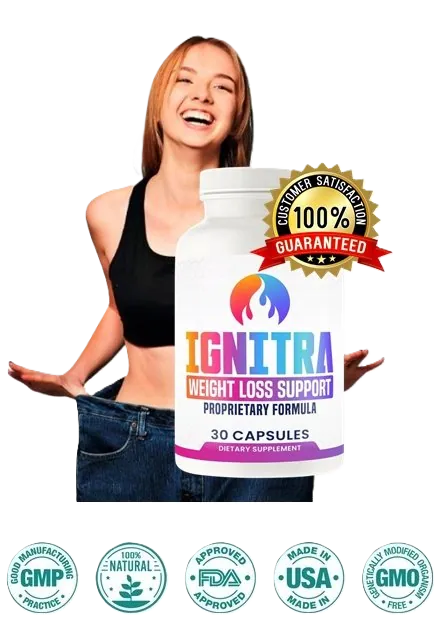
Ignitra
Best Berberine multi-pathway capsuleBerberine HCL anchor + 10 supporting metabolic ingredients — for adults past 35 dealing with slow metabolism and stubborn cravings.
- 2,300+ verified buyers
- 180-day money-back guarantee
Current pricing and bundle options are shown on the official site.
The honest trade-off: it's a proprietary blend, so per-ingredient milligrams aren't disclosed beyond the Berberine HCL anchor. That keeps the rating at 4.5 rather than 4.7+. But for women's metabolic pattern, this formula targets the right biology with the right hero compound and the right supporting stack.
Two Alternates Depending on Your Body
If a capsule routine is what derailed your last attempt, the same anchor compound comes as drops:
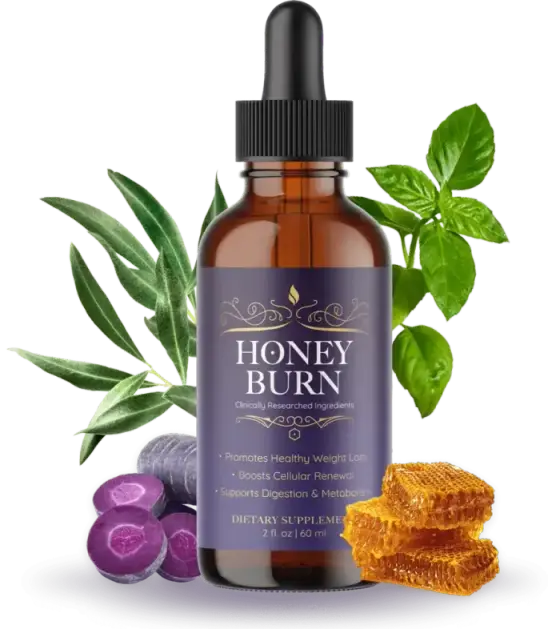
HoneyBurn
Best Berberine in liquid formBerberine HCl standardised from Phellodendron amurense bark, in a 550 mg blend with kudzu and royal jelly — two millilitres a morning instead of a capsule.
Check the Latest Price →And if you'd prefer a narrower phytochemical stack — Berberine paired with Quercetin, Resveratrol, and Zinc rather than a 10-compound multi-pathway design — the GLP-1-positioned option is yours:
Multi-pathway capsule (Ignitra) or liquid drops (HoneyBurn). The right one is the one your body and routine can sustain for 12 weeks straight.
Capsule vs Drops vs Phytochemical Stack
| Approach | Best For | Honest Trade-Off |
|---|---|---|
| Multi-pathway capsule (Ignitra) | Women who tolerate oral Berberine and want broad metabolic coverage | Proprietary blend — per-ingredient mg not disclosed |
| Liquid drops (HoneyBurn) | Women who keep abandoning a capsule routine | Blend total disclosed; per-component mg not broken out |
Compliance beats mechanism. The best Berberine is the one you'll take consistently for 12 weeks.
What the First 12 Weeks Actually Look Like
| Window | What You Should Notice |
|---|---|
| Week 1–2 | Possible GI adjustment on oral forms — usually resolves by week 3. Patches skip this. |
| Week 3–4 | The post-lunch crash softens. Cravings ease. Energy stays steadier through the afternoon. |
| Week 5–8 | Portion sizes drop naturally. The cycle of insulin spike → crash → snack starts losing its grip. |
| Week 9–12 | Visible body composition changes. The waistband loosens before the scale catches up. 3–5 kg shift in line with the published trials. |
Hormonal weight responds slower than non-hormonal weight. That's not the formula's failure — it's the biology. The 180-day guarantee on Ignitra exists so you can wait it out.
FAQs
Is Berberine safe for women?
Yes — Berberine has been safely used in women in multiple clinical trials, including studies specifically on PCOS and insulin resistance. The most common side effects are mild GI symptoms in the first 2 weeks. Berberine should not be used during pregnancy or breastfeeding, and women on prescription medications (especially diabetes drugs or blood thinners) should consult their physician first.
Does Berberine help with PCOS?
Yes — Berberine has been studied specifically in women with PCOS and shows improvements in insulin sensitivity, ovulation rate, and modest weight loss. Some trials compare it favorably to metformin for the PCOS metabolic profile. Talk to your physician if PCOS is your primary indication.
Can Berberine help with menopause weight gain?
Berberine targets the insulin resistance that worsens during perimenopause and menopause. It's not a hormone replacement — it doesn't address estrogen decline directly — but it addresses the downstream metabolic shift (slower glucose handling, higher fasting insulin) that drives the belly-fat redistribution. Many women find it helpful as part of a broader strategy.
How long does Berberine take to work for women?
Plan on 8–12 weeks of consistent daily use. Early signals — softer cravings, steadier afternoon energy, less of the post-meal crash — show up around week 3–4. Visible body composition shifts land between weeks 8–12. Hormonal weight responds slower than non-hormonal weight.
Should I take Berberine in the morning or at night?
Most trials use Berberine 2–3 times daily with meals. For single-capsule formulas like Ignitra, take it with your largest meal of the day — typically dinner — to coincide with the biggest insulin response. Consistency matters more than exact timing.
Final Thoughts
Berberine doesn't fix everything that goes sideways with women's metabolism after 35. But it fixes the part that's most likely to respond to a supplement — the insulin-resistance layer that PCOS, perimenopause, and the late-30s shift all share. Ignitra is the cleanest multi-pathway capsule for that job. HoneyBurn if you would rather take it as a liquid. Give whichever you choose 12 weeks of consistency. The body responds — just slower than Instagram would suggest.
And if PCOS, perimenopause symptoms, or unexplained weight gain are significantly disrupting your life — talk to your doctor. Berberine is a metabolic tool, not a hormone replacement. The honest path is usually the combined one: address the hormonal layer with your physician, support the metabolic layer with the right supplement.
Still weighing the decision? See our Ignitra review and why berberine gets called “nature’s Ozempic”.
Recommended Products
Reviewed by: The Supplement Post Editorial Team, Editorial Review — Last updated:
About Luciano Cesar
Luciano Cesar is a contributor at The Supplement Post, supporting the production of evidence-aware supplement reviews and buyer's guides across multiple health categories. His work spans ingredient analysis, formulation assessment and consumer-oriented summaries — what a label discloses, how the stated doses compare with the amounts used in published human research, and whether a formula's design matches what it claims to do. Every review is checked by The Supplement Post editorial team against the standards published in our editorial policy before it goes live.
Disclosure
All content on The Supplement Post is for informational purposes only and is not a substitute for professional medical advice, diagnosis, or treatment. Each product is a dietary supplement, not a prescription drug; statements about its benefits have not been evaluated by the U.S. Food and Drug Administration (FDA) and the product is not intended to diagnose, treat, cure, or prevent any disease.
Results may vary based on individual health status, consistency of use, and lifestyle. If you are pregnant or nursing, taking medication, or have a medical condition, consult a qualified healthcare professional before using any supplement.
This page may contain affiliate links—if you purchase through them, The Supplement Post may earn a small commission at no additional cost to you. References to third-party sites are provided for convenience; we do not control or guarantee their content.