
Evidence Check
Natural Alternatives to Gabapentin People Are Actually Trying — an Honest Evidence Check
Gabapentin works for some and flattens others. If you're looking for gentler, drug-free support, here's the honest map — what has evidence, what doesn't, and the one rule you can't skip.

First — why so many people want off gabapentin
If you've landed here, you probably already know the feeling: the drug takes the edge off the nerve pain, but it also takes the edge off you. The most common words in neuropathy forums aren't about pain — they're about the fog. "It knocked me out and didn't really work." "I couldn't keep my eyes open at my desk." Drowsiness, dizziness, weight gain, a mind that feels one step behind.
Here's the honest part, though, and it matters: gabapentin genuinely helps a lot of people, and for some it's the right tool. The goal of this piece isn't to be anti-drug — it's to map the drug-free options people reach for, sort the ones with real evidence from the ones with none, and do it without pretending a capsule is a substitute for medical care.
The one rule before you change anything
Everything below assumes one thing: you do not stop or lower gabapentin on your own. Coming off it abruptly can trigger withdrawal and a hard rebound in symptoms. If the drug isn't working for you, that's the reason to talk to your doctor about adjusting it — not a reason to quit cold and hope a supplement catches you. Every drug-free option here is something you add and coordinate, not a swap you self-prescribe.
The key point The question isn't "supplement or drug." It's "what can I add that's gentle, and what does my doctor think?" Anyone telling you to just quit your meds is doing you a disservice. Luciano Cesar, Content Contributor
By the numbers
600 mg
the studied daily dose of alpha-lipoic acid, the best-evidenced option
from 4 wks
when gradual drug-free support typically starts to show
1 rule
never stop gabapentin on your own — always coordinate with your doctor
add
the honest model — layer support onto care, don't swap and quit
The natural options people try — and what the evidence says
Here's the honest map, sorted roughly by how much human evidence stands behind each one.
| Option | What people hope for | What the evidence actually supports |
|---|---|---|
| Alpha-lipoic acid | Ease burning and tingling | Strongest evidence — eased diabetic nerve symptoms at 600 mg/day in randomized trials. See the full evidence. |
| Acetyl-L-carnitine | Repair and calm nerves | Real trial evidence for nerve pain and fiber regeneration in diabetic neuropathy. |
| Magnesium | Stop the zapping | Helps calm over-excitable nerve conduction; the glycinate form is gentle and well-absorbed. |
| Turmeric (curcumin) | Reduce inflammation | Genuine anti-inflammatory research + early nerve-pain evidence, in absorbable forms. |
| B12 (methylcobalamin) | Fix the root cause | Genuinely important when a deficiency is the cause — worth testing for with your doctor. |
| PEA (palmitoylethanolamide) | A gentler painkiller | Emerging evidence for nerve pain; promising but less established than ALA. |
| Capsaicin cream | Numb the burning | Topical option with some evidence; can sting at first, works locally. |
| Lifestyle (blood sugar, movement) | Slow it down | Foundational — controlling blood sugar and staying active do more for many people than any single supplement. |
The honest read
- Three options carry the most human evidence: alpha-lipoic acid, acetyl-L-carnitine, and magnesium. If you try nothing else, that's where the research points.
- Combined beats solo. Nerve discomfort runs on several systems at once — oxidative stress, circulation, inflammation, nerve-cell energy — so a formula covering a few of them tends to outperform a single ingredient.
- None of it is instant. That's the real trade-off versus the drug: gentler, but it builds over weeks. Give it a fair window before you judge it.
The bottom line: the drug-free options that actually help are evidence-backed nutrients taken at real doses, layered onto medical care — not a viral recipe and not an abrupt swap off your medication.
Supplement vs gabapentin — the honest trade-offs
It's tempting to frame this as a fight, but it isn't one. A prescription drug is fast and can be the right call for severe or rapidly worsening pain — at the cost of the fog and the other side effects. Drug-free support is gentle and better tolerated — at the cost of being gradual and more modest. For a lot of people the honest answer is "both, coordinated": keep the medical plan, add the evidence-backed support, and let your doctor guide any change to the drug. It's not either/or.
The terms that matter
- Gabapentin / pregabalin
- Prescription drugs (Neurontin, Lyrica) that calm overactive nerve signals. Effective for many, but commonly cause drowsiness, dizziness, fog, and weight gain — which is why so many people look for gentler add-ons.
- Alpha-lipoic acid (ALA)
- An antioxidant and the most-studied nutrient for nerve discomfort — shown to ease burning and tingling at 600 mg a day. The anchor of most serious nerve formulas.
- Methylcobalamin
- The active, well-absorbed form of vitamin B12. Matters most when a B12 deficiency is the hidden driver of nerve symptoms — which is worth a blood test.
- PEA (palmitoylethanolamide)
- A compound your body makes that's being studied for nerve pain. Promising and generally well tolerated, but the evidence is younger than ALA's.
If you want the evidence-backed ingredients in one place
The realistic version of "drug-free support" isn't a cabinet full of single bottles you have to remember — it's a formula that already combines the ingredients with the best evidence. Here are the two we'd point people to, and the man each one fits.
Arialief
The evidence-backed ingredients, combined — one capsule a day
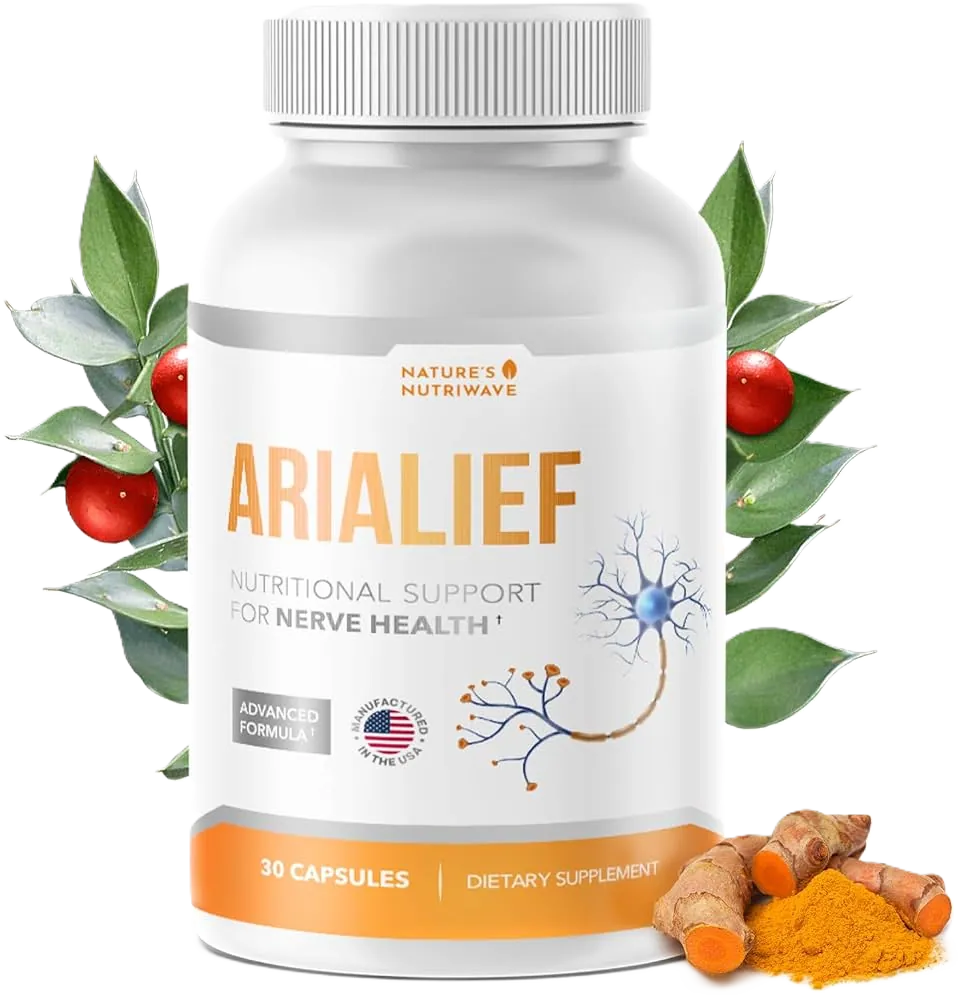
Arialief anchors on alpha-lipoic acid — the most-studied nerve nutrient — and adds the partners the research keeps pointing to: L-Carnitine for nerve-cell energy, turmeric curcumin for inflammation, magnesium glycinate to calm over-excitable nerves, Butcher's Broom for circulation, and CoQ10. One capsule a day, made in the USA, 60-day money-back guarantee. Read our full Arialief review for the breakdown.
Look elsewhere if: you want to verify each ingredient's exact milligram dose — Arialief uses a proprietary blend, so a standalone 600 mg alpha-lipoic acid would be more transparent (just less convenient).
Nu Nerve
If you'd rather take drops than a capsule
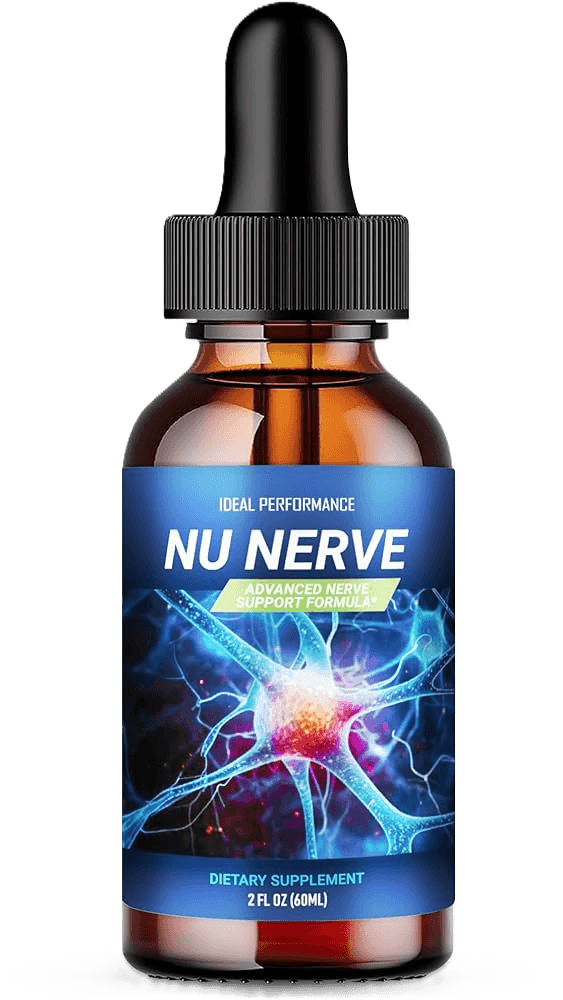
Nu Nerve takes the same nerve-support goal in a liquid, faster-absorbing format built around nerve regeneration and neuropathy comfort — a good fit if you struggle with capsules or simply prefer drops. It's the pick when delivery format is what matters most to you. See our Nu Nerve review for the full picture.
Look elsewhere if: you'd rather have alpha-lipoic acid front and center in a simple daily capsule — that's Arialief's lane.
Which natural alternative to gabapentin is worth trying?
Drug-free options for nerve discomfort are real — and the good ones are evidence-backed nutrients, taken at real doses, given a real window. Alpha-lipoic acid leads, magnesium and turmeric support, and a combined formula makes the whole thing something you'll actually stick with. What none of them are is an overnight painkiller or a reason to walk away from your prescription on your own.
If you want those ingredients in one honest capsule, Arialief is where we'd start — with a 60-day guarantee so you're testing your own response. Keep your doctor in the loop, especially about the medication itself, and let the support build alongside your care.
Never stop or reduce gabapentin (or any prescription) without your doctor's guidance. Some supplements interact with medications and with blood sugar. Burning, tingling, or numbness that's sudden, one-sided, or worsening should be evaluated by a healthcare professional.
Frequently asked questions
Can I replace gabapentin with a natural supplement?
Not on your own. Gabapentin is a prescription medication, and stopping or reducing it without medical guidance can cause withdrawal and a rebound in symptoms. The honest framing is 'add and coordinate,' not 'swap and quit' — several drug-free options can support nerve comfort alongside your care, but any change to your medication is a conversation with your doctor, not a DIY decision.
What's the best natural alternative to gabapentin for nerve pain?
By the evidence, alpha-lipoic acid is the standout — it eased burning and tingling in randomized human trials at 600 mg a day. Magnesium (which calms over-excitable nerves), turmeric/curcumin, and B12 (if you're deficient) round out the options with real support. Most people get the best of them in one combined formula rather than a drawer full of bottles — our top pick is Arialief.
Is it safe to take supplements with gabapentin?
Often, but not always — and it depends on the supplement and your health. Alpha-lipoic acid can lower blood sugar, curcumin and ALA can affect clotting, and magnesium can interact with some medications. Because you're combining things with a prescription drug, run your specific list past your doctor or pharmacist before starting.
How long do natural nerve options take to work?
They're gradual — think weeks, not hours. Alpha-lipoic acid was studied over about five weeks, and most people are advised to give a nerve formula a full 8 to 12 weeks of consistent daily use. That's the honest trade-off versus a drug: gentler, but slower to build.
Should I stop gabapentin if I start taking supplements?
No — never stop or reduce gabapentin on your own. If the drug isn't working well for you or the side effects are hard to live with, that's exactly the reason to talk to your doctor about adjusting treatment. Supplements and lifestyle changes can sit alongside medical care; they are not a reason to quit a medication cold.
When should I see a doctor about nerve symptoms?
Any time symptoms are sudden, one-sided, rapidly worsening, or spreading — and before you make any change to prescribed medication. Nerve discomfort can have causes that need real treatment, so a diagnosis comes first; drug-free support is something you layer on top of proper medical care.