
Ingredient Check
Does Alpha-Lipoic Acid Really Work for Nerve Pain? What the Trials Show — and What They Don't
It's the one nerve-support ingredient with real human-trial evidence. But the results hinge on a detail most bottles gloss over — the dose.
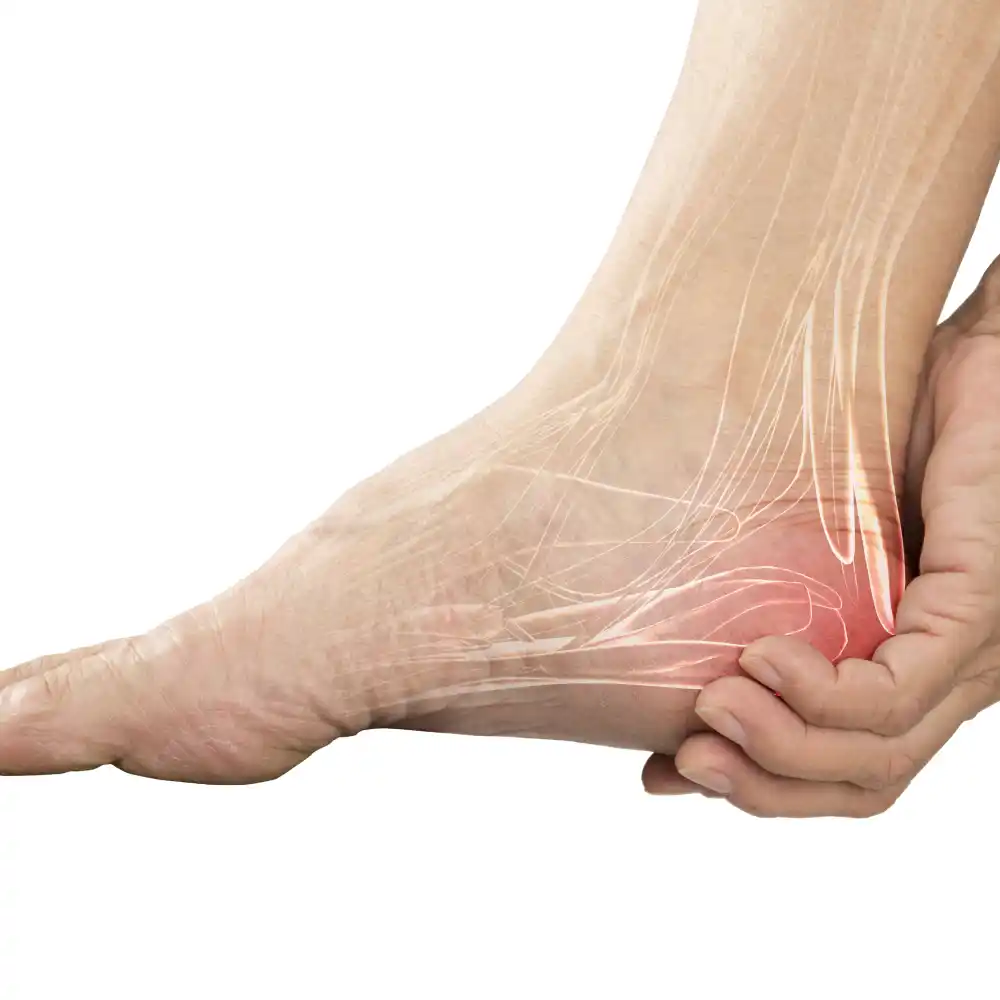
First — what alpha-lipoic acid actually is
If you've spent any time in a neuropathy forum, you've seen the letters "ALA" thrown around like everyone already knows them. Here's the plain version. Alpha-lipoic acid is an antioxidant your body makes in small amounts and uses inside every cell to help turn food into energy. What makes it unusual — and interesting for nerves — is that it's both water- and fat-soluble, so it can work in parts of the nerve most antioxidants can't reach.
Why does that matter for burning feet? Because a big part of what irritates small nerve fibers — especially when blood sugar runs high — is oxidative stress: a kind of cellular "rust" that builds up and makes nerves misfire. ALA mops up that oxidative stress and even helps regenerate other antioxidants your body already uses. That's the whole mechanistic case in one sentence: calm the oxidative damage, and the nerve has a better chance of firing normally.
It's a clean, believable idea. The reason ALA stands out from the hundred other things marketed for nerves isn't the story, though — it's that the story was actually tested in people.
The key point ALA is the rare nerve supplement that earned its reputation in the lab, not the marketing department — but only at the dose the studies actually used. Luciano Cesar, Content Contributor
By the numbers
600 mg
the daily oral dose that eased nerve symptoms in the trials
~5 wks
the trial window where burning and tingling measurably improved
#1
the most-studied single nutrient for nerve discomfort
both
water- AND fat-soluble — reaching nerve tissue most antioxidants can't
What the trials actually show
This is where ALA separates itself from the pack. The evidence isn't a single hopeful study — it's a stack of them, pointing the same direction.
The Evidence
- The landmark trial: SYDNEY 2. In a randomized, double-blind, placebo-controlled study of 181 diabetic patients (Ziegler et al., Diabetes Care, 2006), oral ALA at 600, 1,200, and 1,800 mg a day all improved neuropathic symptoms over five weeks — and 600 mg came out as the best balance of benefit and tolerability. Higher doses mostly added side effects, not relief.
- It's consistent across studies. Earlier intravenous and oral trials (the ALADIN series and others) pointed the same way, and later pooled analyses have supported ALA's benefit for the symptoms of diabetic nerve pain — burning, prickling, numbness.
- Longer studies are more modest. Multi-year trials looking at whether ALA slows nerve-damage progression (not just symptoms) show smaller, less certain effects. That's an honest limit worth knowing.
- The strongest evidence is diabetic. Most of the good trials studied diabetic neuropathy specifically. For non-diabetic nerve discomfort, the rationale carries over but the direct evidence is thinner.
The pattern is consistent and verifiable: oral ALA at 600 mg a day helps the symptoms of diabetic nerve discomfort. It is not proven to reverse nerve damage — and the further you get from diabetic neuropathy, the thinner the direct evidence becomes.
Why 600 mg is the number that actually matters
Here's the detail that decides whether an ALA product is worth your money — and it's the one most labels are quietest about. The benefit in the studies came from 600 mg of ALA on its own. When ALA is tucked inside a "proprietary blend" alongside four or five other ingredients, the blend's total might be 500 or 600 mg — meaning the ALA portion is almost certainly below the studied dose.
That doesn't make blends useless — a good blend adds circulation and nerve-energy support that ALA alone doesn't (more on that below). But if ALA is the reason you're buying, the single most useful thing you can do is check whether you can actually see 600 mg of it. If the number's hidden, you're trusting the formula's logic, not the trial's dose. Both can be reasonable — just know which one you're doing.
The honest limits — what ALA can't do
Optimism with the brakes on: ALA is genuinely useful and oversold in equal measure online, so here's the line.
- It's support, not a cure. ALA can ease symptoms; it doesn't cure neuropathy or regrow nerves. Anyone promising that is selling, not informing.
- It's gradual. The relief builds over weeks. Judging it after a few days is the most common reason people wrongly decide it "didn't work."
- It can lower blood sugar. Helpful in context, but if you take diabetes or insulin medication, that's an interaction to coordinate with your doctor — not a DIY experiment.
- New or one-sided symptoms need a doctor. Burning or numbness that's sudden, spreading, or only on one side is a reason to get evaluated, not to reach for a capsule.
The terms that matter
- Alpha-lipoic acid (ALA)
- An antioxidant your body makes in small amounts. Think of it as a cleanup crew for the oxidative "rust" that irritates nerves — and it's the most-studied nutrient for easing nerve discomfort.
- Oxidative stress
- An imbalance where damaging molecules (free radicals) outpace the antioxidants that neutralize them. In nerves — especially with high blood sugar — it's a major driver of the misfiring you feel as burning and tingling.
- Peripheral neuropathy
- Damage or irritation to the nerves outside the brain and spinal cord, usually first felt in the feet and hands. It's what produces the burning, tingling, numbness, and pins-and-needles.
- Proprietary blend
- A formula that lists its ingredients but only the combined total — not the amount of each one. It tells you what's inside, just not how much of the ALA you're really getting.
Where ALA fits best — inside a nerve-support formula
ALA does its best work as the anchor of a formula that also supports the other things irritated nerves need — circulation to feed them and cellular energy to repair them. If you'd rather have that whole picture in one capsule than assemble it yourself, here's the one we'd point ALA-seekers to.
Arialief
ALA-anchored, multi-pathway, one capsule a day
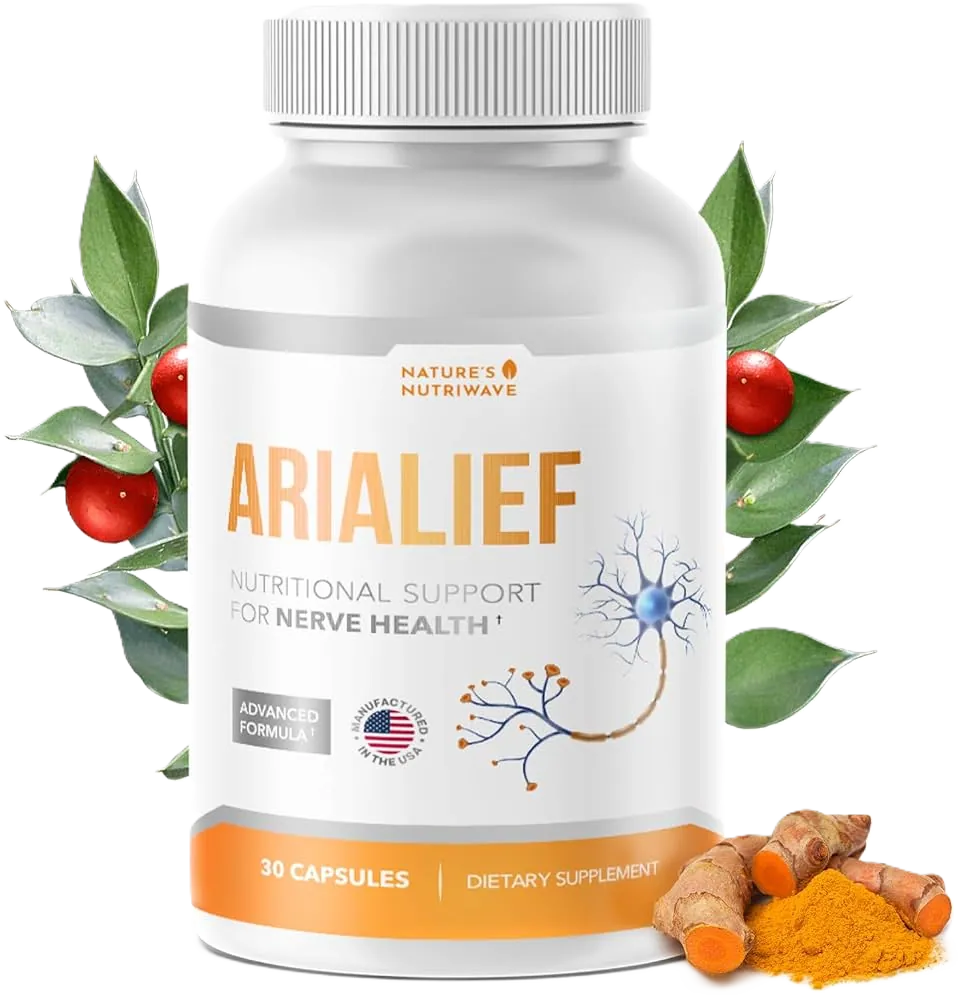
Arialief builds around alpha-lipoic acid and adds the partners it works best with — L-Carnitine for nerve-cell energy, turmeric curcumin for inflammation, magnesium glycinate to calm over-excitable nerves, Butcher's Broom for circulation, and CoQ10 for antioxidant support. It's one capsule a day, made in the USA, with a 60-day money-back window that covers a fair trial. Read our full Arialief review for the complete breakdown.
Look elsewhere if: your only goal is to verify an exact 600 mg dose of ALA. Arialief uses a proprietary blend, so the individual ALA amount isn't printed — if seeing that number is essential to you, a standalone 600 mg alpha-lipoic acid supplement is the more transparent route.
Does alpha-lipoic acid work for nerve pain?
Alpha-lipoic acid is the real thing within its lane: the best-evidenced nutrient for easing the symptoms of nerve discomfort, gradual, and dose-dependent. It won't reverse nerve damage, and it works best when you give it a genuine dose and a genuine window — a real 600 mg-equivalent, taken daily for 8 to 12 weeks, ideally alongside the circulation and blood-sugar basics your nerves depend on.
If you'd rather it come pre-paired with those supporting pathways, Arialief is the ALA-anchored formula we'd start with — one capsule a day, honest about being gradual support, with a 60-day guarantee so you're testing your own response, not taking the label on faith.
Alpha-lipoic acid can lower blood sugar and may affect thyroid medication. If you take prescriptions, are pregnant or nursing, or your symptoms are sudden, one-sided, or worsening, talk to your doctor before starting — this is nerve-comfort support, not a treatment.
Frequently asked questions
Does alpha-lipoic acid really work for nerve pain?
For nerve discomfort tied to diabetes, the evidence is genuinely good. In randomized human trials, oral alpha-lipoic acid at 600 mg a day eased burning, tingling, and prickling better than placebo — making it the best-evidenced nutrient in the nerve-support category. It's gradual support that builds over weeks, not an instant painkiller, and the evidence is strongest specifically for diabetic neuropathy.
What's the right dose of alpha-lipoic acid for neuropathy?
The trials that showed a benefit used 600 mg of oral ALA per day, and 600 mg came out as the best balance of effect and tolerability (higher doses added side effects without much more benefit). The catch with combination formulas is that ALA is often inside a proprietary blend, so you can't always confirm you're getting the full 600 mg — that's the number to look for on a label.
How long does alpha-lipoic acid take to work?
It's gradual. Trials ran over about five weeks and measured improvement across that window, and most real-world users are advised to give it a full 8 to 12 weeks of consistent daily use before judging it. If you expect overnight relief, you'll quit before it's had a fair chance.
Can alpha-lipoic acid reverse nerve damage?
No — and no honest source should claim it does. ALA is an antioxidant that supports nerve comfort and helps ease symptoms; it is not proven to reverse or repair nerve damage. Treat it as evidence-based support, and see a doctor for a proper diagnosis of what's driving your symptoms.
Is alpha-lipoic acid safe?
For most adults it's well tolerated. The important caution is that ALA can lower blood sugar, so if you take diabetes or insulin medication you should monitor your levels and coordinate with your doctor. It may also affect thyroid-hormone levels and interact with some medications — check first if you're on prescriptions, pregnant, or nursing.
Is alpha-lipoic acid better alone or in a formula?
It depends on your goal. A standalone 600 mg ALA supplement lets you verify the exact studied dose. A combination formula pairs ALA with other nerve-support ingredients — circulation, cellular energy, inflammation — which covers more of the picture, at the cost of not always seeing each individual dose. Neither is wrong; it's a transparency-vs-breadth trade-off.