
How Often Should You Use a Vacuum Pump for ED? Safe Frequency, Session Length & What to Expect
Once you've decided to try a vacuum pump for ED, the next question comes fast: how often is too often? The honest answer surprises most men — with vacuum therapy, more is not better. A moderate, repeatable routine beats an aggressive one almost every time.
See the Gauge-Guided Pump We'd Pick → Or jump to the routine ↓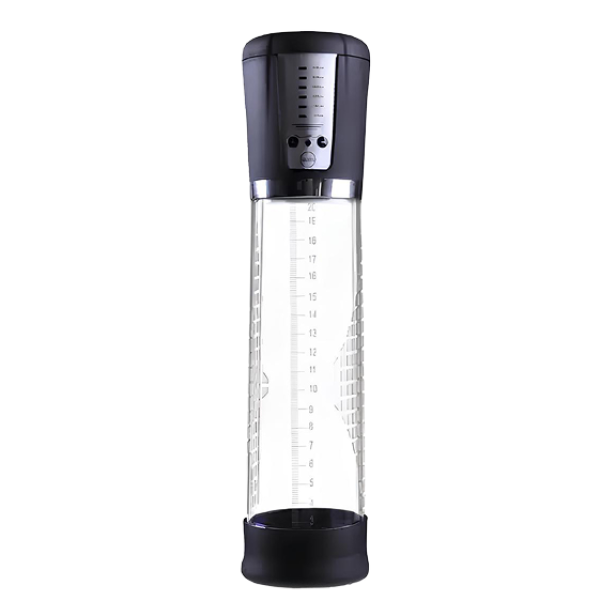
✓ The short answer
A practical starting point for most men is about 3 to 5 sessions per week, 10 to 15 minutes each. The goal is controlled suction, comfort, and consistency — not maximum pressure or daily overuse. If a session causes pain, bruising, or irritation, reduce intensity, add recovery time, or pause and seek medical advice. Below: how the device works, the routine in detail, what to expect, and the device we'd point men toward.
First — How a Vacuum Pump Actually Works
A vacuum erection device works on one simple physical principle: negative pressure. When the pump creates suction inside its chamber, blood is drawn into the erectile chambers of the penis, the corpora cavernosa. As those chambers fill, the tissue expands and firmness increases. A constriction ring placed at the base then holds that firmness for a limited time. A 2026 systematic review in The French Journal of Urology, led by Guillot-Tantay, calls it one of the most consistently studied non-drug options for ED.
The key thing to understand is that this is a mechanical effect, not a pharmacological one. Unlike a pill or supplement, the result depends on the moment of use — the seal, the pressure, the technique. That's why comfort and control matter more than force. You're working with sensitive, highly vascular tissue, and a routine that respects that is the one that lasts.
It's also why a pump is best understood as a temporary support tool, not a cure. It creates usable firmness on demand, but it doesn't fix the underlying vascular, hormonal, or neurological causes of ED. A 2020 review by Karakus and Burnett in the Canadian Journal of Urology places vacuum devices squarely in that role. They're useful for the moment, not a substitute for treating what's driving the dysfunction. That's why many men pair it with circulation-supporting habits: the device handles the moment, the rest of the routine addresses the cause.
What these terms actually mean:
- Vacuum erection device (VED)
- The clinical name for a penis pump — a chamber that uses suction to draw blood into the penis and create a temporary erection. It's a recognized, drug-free ED aid, including in some clinical settings.
- Negative pressure
- The suction the pump creates inside its chamber. Lower pressure than the surrounding air pulls blood into the tissue. Controlled negative pressure is the whole mechanism, and overdoing it is the main source of irritation.
- Corpora cavernosa
- The two chambers of spongy tissue along the penis that fill with blood to produce an erection. The pump's job is to fill them; the ring's job is to keep them filled for a while.
- Constriction ring
- A band placed at the base after pumping to hold firmness temporarily. It should be removed within the time the manufacturer specifies — leaving it on too long is unsafe.
The Routine — A Moderate Starting Point
For most men, the most practical routine is moderate and structured rather than intensive. A 2024 scoping review by Pirola and colleagues in the International Journal of Impotence Research looked specifically at scheduling. It found no advantage to pushing frequency past a moderate range. A commonly recommended starting pattern:
★ This is general educational guidance, not a prescription. Tolerance varies with tissue sensitivity, circulation, and technique. Beginners benefit most from starting slow and learning the seal before chasing pressure. Before you begin, it's worth reading what counts as a normal side effect versus a warning sign.
Why Overusing a Pump Backfires
It seems intuitive that pumping more often would mean faster progress. In practice it's the opposite. Penile tissue is highly vascular and sensitive. Excessive pressure or too-frequent sessions raise the odds of redness, mild bruising, irritation, and temporary sensitivity changes. When any of those show up, the right move is to reduce intensity, revisit technique, and space sessions further apart — not push harder.
The men who get a good, sustainable experience from vacuum therapy treat it like any other tissue you're conditioning: consistent, moderate, recovery-respecting. The ones who treat it like a contest tend to quit early, sore and discouraged. A comfortable routine you can keep beats an aggressive one you can't.
The Device We'd Point Men Toward
Routine matters, but so does the device. The whole "comfort over intensity" rule is far easier to follow when the pump gives you control instead of guesswork. The one we'd point most men to is the Sensselo Penis Pump, a gauge-guided device built around exactly that idea. It replaces guesswork with a readable pressure gauge, so you can dial in moderate suction by feel and by reading, rather than overshooting.
Sensselo Penis Pump
Gauge-guided, drug-free vacuum erection device — built for controlled sessions
A non-prescription vacuum erection device for men who want a drug-free way to support firmness on demand. Pressure is the single biggest factor in whether a session feels comfortable or irritating, and the gauge takes the guesswork out of it. That alone makes the moderate routine above much easier to follow. Private at-home use, with 1- and 2-unit bundle options and free worldwide shipping at the time of writing.
Verified buyer base · 60-day money-back
When to Pause and Talk to a Clinician
Vacuum pumps are non-prescription, but that doesn't mean every situation is casual. Persistent ED can reflect vascular health, blood sugar, hormonal balance, medication side effects, or stress. A device handles the moment, not the cause. Stop and seek qualified medical guidance if a session causes:
- Ongoing pain
- Repeated bruising
- Persistent numbness
- Marked discoloration
- Worsening erectile problems instead of improvement
For men with cardiovascular concerns, bleeding issues, or uncertainty about what's causing ED, a clinician can place vacuum therapy in the right context. That check is worth having anyway. A 2026 review in Nature Reviews Urology, by Durukan and colleagues, describes erectile dysfunction as an early signal of cardiovascular disease. It can appear years before other symptoms do.
How often should you use a vacuum pump for ED?
So how often should you use a vacuum pump for ED? For most men, the answer is moderate, controlled use: around 10 to 15 minutes, 3 to 5 times a week, not maximum frequency or intensity. The device works by drawing blood into erectile tissue, and that tissue rewards consistency and comfort, not force.
If you're exploring vacuum therapy, the habits that matter most are proper technique, moderate frequency, and respect for comfort signals. A gauge-guided device like the Sensselo Penis Pump makes all three easier to keep up. It's the drug-free, on-demand option for the moment; pair it with the lifestyle and circulation side for the cause.
If ED is persistent, sudden, or paired with cardiovascular symptoms, see a doctor. A vacuum device supports temporary firmness, but it doesn't replace evaluation when symptoms are ongoing.
Frequently Asked Questions
How often should you use a vacuum pump for ED?
A moderate starting routine is often around 3 to 5 sessions per week, with each session lasting about 10 to 15 minutes. Comfort, gradual pressure, and recovery between sessions usually matter more than maximum frequency.
Can you use a penis pump every day?
Some men may tolerate more frequent use, but daily sessions aren't always necessary. A balanced routine often starts with several sessions per week while paying close attention to comfort and tissue response. If irritation appears, that's the signal to space sessions out.
How long should a penis pump session last?
Many users keep sessions in the 10 to 15 minute range. Longer sessions don't automatically improve results, and they may increase the chance of irritation or temporary discomfort. The effect is mechanical and immediate, so extra time adds little.
Do vacuum pumps permanently cure erectile dysfunction?
No. Vacuum pumps provide temporary mechanical support by encouraging blood flow during use. They don't fix the underlying vascular, hormonal, neurological, or psychological causes of ED. The NIH's patient guidance on ED treatment makes the same distinction. That's why many men pair the device with circulation-supporting habits or supplements.
When should you stop using a vacuum pump and talk to a clinician?
If use causes pain, repeated bruising, persistent discoloration, numbness, or worsening erectile problems, stop and speak with a qualified healthcare professional before continuing. For men with cardiovascular or bleeding concerns, a clinician should help place vacuum therapy in the right context.
This content was developed based on these references:
- “Vacuum erection devices in the management erectile dysfunction: A systematic review” The French Journal of Urology. Aug 2026. pubmed.ncbi.nlm.nih.gov/42217797/
- “Vacuum erection device for erectile function rehabilitation after radical prostatectomy: which is the correct schedule? Results from a systematic, scoping review” International Journal of Impotence Research. May 2024. pubmed.ncbi.nlm.nih.gov/37085734/
- “The medical and surgical treatment of erectile dysfunction: a review and update” Canadian Journal of Urology. Aug 2020. pubmed.ncbi.nlm.nih.gov/32876000/
- “Erectile dysfunction and cardiovascular health” Nature Reviews Urology. Aug 2026. pubmed.ncbi.nlm.nih.gov/42649386/
- “Erectile Dysfunction (ED): Treatment” National Institutes of Health. Oct 2024. www.niddk.nih.gov/health-information/urologic-diseases/erectile-dysfunction/treatment
About Luciano Andreoti
Luciano Andreoti is a contributor at The Supplement Post, supporting the production of evidence-aware supplement reviews and buyer's guides across multiple health categories. His work spans ingredient analysis, formulation assessment and consumer-oriented summaries — what a label discloses, how the stated doses compare with the amounts used in published human research, and whether a formula's design matches what it claims to do. Every review is checked by The Supplement Post editorial team against the standards published in our editorial policy before it goes live.
Disclosure
All content on The Supplement Post is for informational purposes only and is not a substitute for professional medical advice, diagnosis, or treatment. Each product is a dietary supplement, not a prescription drug; statements about its benefits have not been evaluated by the U.S. Food and Drug Administration (FDA) and the product is not intended to diagnose, treat, cure, or prevent any disease.
Results may vary based on individual health status, consistency of use, and lifestyle. If you are pregnant or nursing, taking medication, or have a medical condition, consult a qualified healthcare professional before using any supplement.
This page may contain affiliate links—if you purchase through them, The Supplement Post may earn a small commission at no additional cost to you. References to third-party sites are provided for convenience; we do not control or guarantee their content.