
Myth Check
Garlic for Prostate Health: Natural Remedy or Overhyped Trend?
Garlic has real, well-documented benefits for heart health. Whether that transfers to the prostate is a different question — and BPH runs on more pathways than one clove can reach.
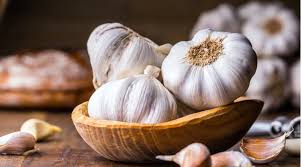
Why do men try garlic for prostate problems?
You're mincing garlic for dinner, and a video from that morning resurfaces — something about garlic and prostate health. For a second the two things connect in a way that feels almost too convenient. It's the kind of low-risk home remedy that should work: no appointment, no prescription, something you already have in the kitchen.
Garlic does carry a real reputation for broad wellness (antioxidant activity, inflammation balance, cardiovascular support). Prostate symptoms, though, aren't a generic wellness problem. Arnold and colleagues' 2023 evidence review places BPH at the intersection of five moving parts, not one: hormonal signaling (DHT), cellular growth, chronic inflammation, oxidative stress, and pelvic circulation.
The key point Garlic can be healthy and still not be a realistic strategy for structural prostate enlargement. General wellness support and targeted, multi-pathway formulation are two different things. Luciano Cesar, Content Contributor
What the research on garlic actually shows
Garlic contains allicin and other sulfur compounds tied to antioxidant and anti-inflammatory activity. Behrouz and colleagues' 2026 meta-analysis found real cardiovascular benefit: improved blood pressure and lipid markers across randomized trials. Tang and colleagues' 2025 meta-analysis backs the blood-pressure effect specifically for long-term use. Tsao and colleagues' 2023 trial found garlic reducing exercise-induced oxidative inflammation in healthy adults, though without improving performance itself.
None of those trials measured prostate size or urinary flow. The mechanisms plausibly overlap: antioxidant activity is one of the five pathways Arnold's review names. But overlap isn't the same as direct evidence. Garlic may support overall systemic health; that's different from structurally addressing an enlarged prostate.
The terms that matter
- BPH (benign prostatic hyperplasia)
- The medical name for an enlarged, non-cancerous prostate. It squeezes the urethra, which is why it causes weaker flow and more frequent bathroom trips.
- DHT (dihydrotestosterone)
- A hormone made from testosterone that drives prostate growth over time. Most prostate-specific formulas work partly by supporting a healthier DHT balance — something a general antioxidant food doesn't target.
Garlic vs. a structured formula — side by side
| Factor | Garlic | Structured prostate formula |
|---|---|---|
| Profile | Single-food compound | Multi-pathway formulation |
| Primary positioning | General antioxidant, cardiovascular | DHT, inflammation, circulation, urinary comfort |
| Prostate-specific evidence | Limited, indirect | Ingredients studied individually for BPH |
| Use case | Dietary habit | Daily routine, structured support |
Why do prostate symptoms keep coming back?
Why do prostate symptoms keep coming back? Usually because one pathway got help and the other two did not.
You probably did not arrive at garlic first. Most men get here after the water cut-off at eight, after a bottle of saw palmetto, after two months of pumpkin seed oil. Each one helped a little. Then the 3am trip came back anyway.
That is not a failure of discipline. Prostate symptoms run on three things at once: the hormone that drives the growth, the inflammation that keeps the tissue swollen, and the circulation that decides how completely the bladder empties. Garlic works on the third one.
So the useful question is not whether garlic does anything. It is what covers the other two, at a dose somebody actually measured.
Two formulas built for the pathways garlic doesn't reach
If you want something more physiology-based than a kitchen remedy, these two are built around the hormonal, inflammatory, and circulatory pathways behind BPH, not just antioxidant support.
Prostadine
Liquid formula — inflammation balance and urinary comfort
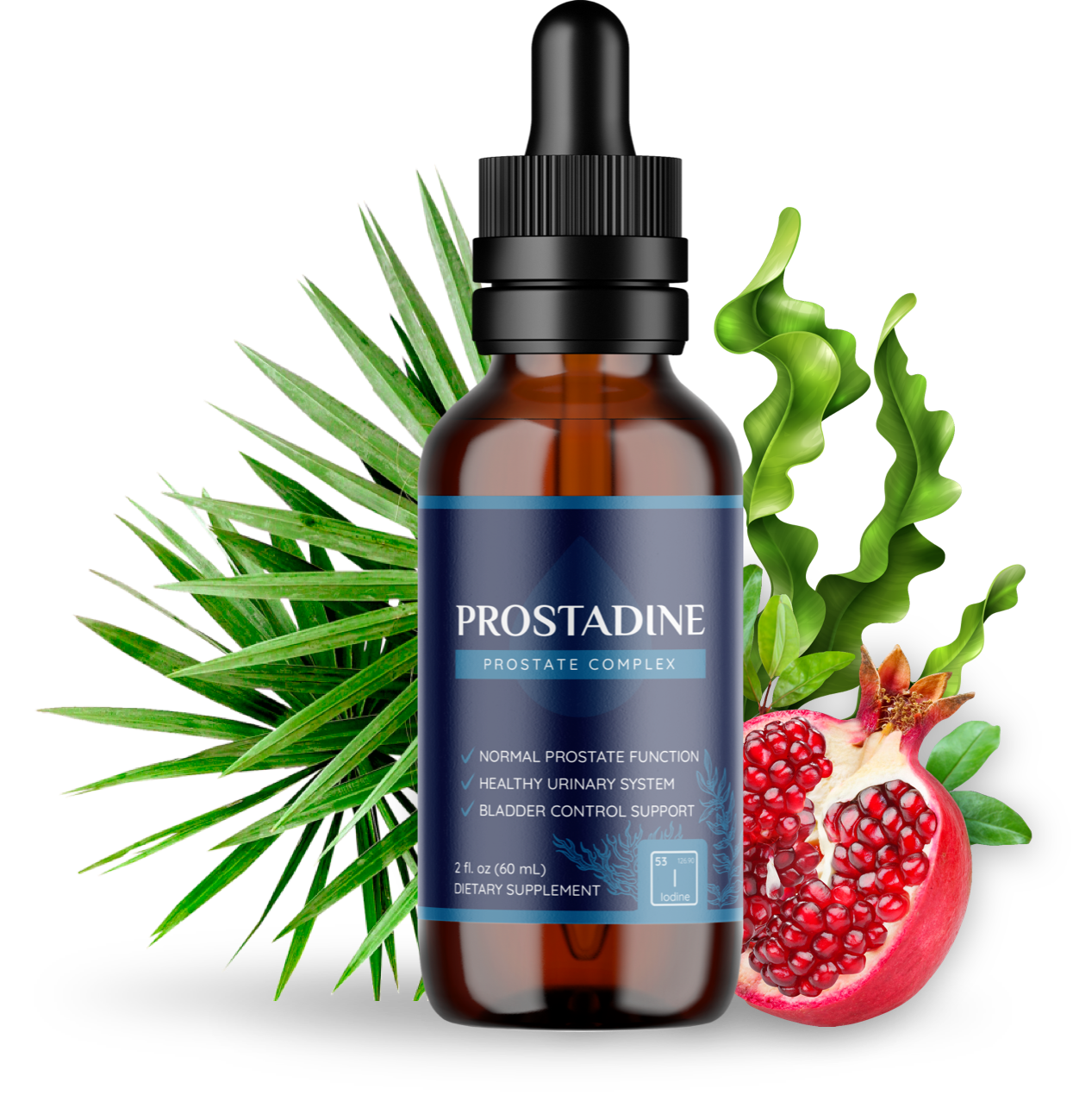
A liquid formula built around inflammation balance and urinary comfort — the pathway garlic touches only indirectly. It's the pick for men who prefer drops over capsules and want broader urinary-comfort positioning.
Look elsewhere if: You'd rather have a capsule routine and a formula built specifically around hormonal and antioxidant pathways — that's Prostavive's lane.
Prostavive
Multi-mechanism — inflammation, hormones, oxidative stress
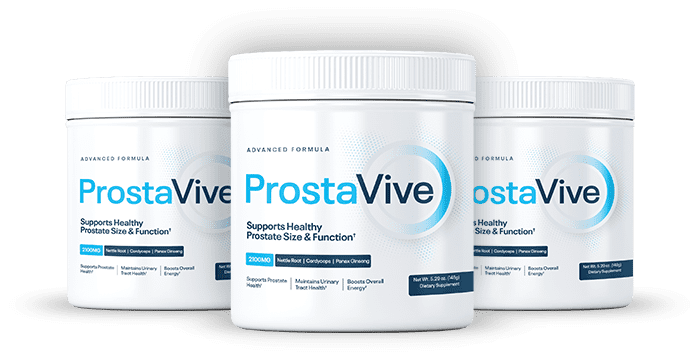
A capsule formula targeting inflammatory balance, hormonal support, and antioxidant protection together — three of the pathways behind BPH in one daily routine, rather than the single antioxidant angle garlic offers.
Look elsewhere if: You prefer a liquid format over capsules — Prostadine above covers similar ground in drop form.
Garlic or a structured formula: which one should you choose?
On the dietary habit itself: keep it. The cardiovascular and antioxidant benefits are real, and there's no reason to cut it from your meals. It just isn't the tool for prostate support specifically. That job runs through hormonal, inflammatory, and circulatory pathways that a single food doesn't reach on its own.
If urinary comfort is what actually brought you here, a structured formula is the more direct route, because it's built around those pathways rather than one antioxidant angle. For the deeper breakdown of either pick, our full Prostadine review and full Prostavive review cover the label, mechanism, and pricing in depth. And for the wider field of non-prescription options, our comparison of leading BPH supplements is the next stop.
Is it worth trying a formula built for the prostate specifically?
Picture enjoying a big pasta dinner loaded with garlic because you actually love the flavor, not because you're hoping it's quietly doing something for your prostate on the side. That's the shift worth aiming for: garlic back to being food, and a separate, structured formula handling the job it was never built for.
A prostate-specific formula is a potentiator, not a replacement for medical care. It gives the hormonal, inflammatory, and circulatory pathways behind BPH more direct support than a single food, however healthy, is built to reach on its own.
The attempt is worth making because the pathways it targets are real ones. Arnold and colleagues' 2023 evidence review is what maps hormonal signaling, inflammation, oxidative stress, and circulation as the drivers of BPH. Those are exactly the four a multi-pathway formula is designed around. That doesn't guarantee a result from one specific bottle — it's enough to say the logic holds up better than hoping antioxidants alone do the job.
How much changes still depends on where you're starting from. A man with mild, occasional symptoms will read a different result than one managing several symptoms together — same formula, same weeks. Severity, overall diet, and how consistently the routine gets kept up all move that outcome. That's the reason to judge it over the full window, not the first week.
Frequently asked questions
Does garlic shrink an enlarged prostate?
There is currently no strong clinical evidence that garlic alone reduces prostate size. It may offer general antioxidant support, but it doesn't directly address the hormonal drivers commonly discussed in BPH.
Is garlic good for urinary flow?
Garlic may support cardiovascular health, which can indirectly relate to circulation. It isn't proven to meaningfully improve urinary flow in men with prostate enlargement.
Can natural supplements help with prostate symptoms?
Multi-ingredient prostate formulas are designed to support urinary comfort, inflammation balance, and hormonal pathways together. Results vary, but structured supplementation tends to be more targeted than a single-food remedy.
Is garlic safe to take daily?
Garlic is generally safe in dietary amounts. High-dose supplementation can interact with blood-thinning medications, so medical guidance is worth getting, especially if you're managing a health condition or taking prescriptions.
When should I see a doctor about prostate symptoms?
See a healthcare professional if you notice persistent urinary changes, blood in urine, pelvic pain, or rapidly worsening symptoms. Supplements support mild concerns; they don't replace medical evaluation for anything more serious.