
Ashwagandha for Erectile Function: Why It's Not Enough on Its Own
Ashwagandha can support stress and libido — but erection firmness is largely a blood-flow problem. Here's the physiology behind that difference, and why nitric-oxide-focused strategies tend to align better with "rigidity" complaints.
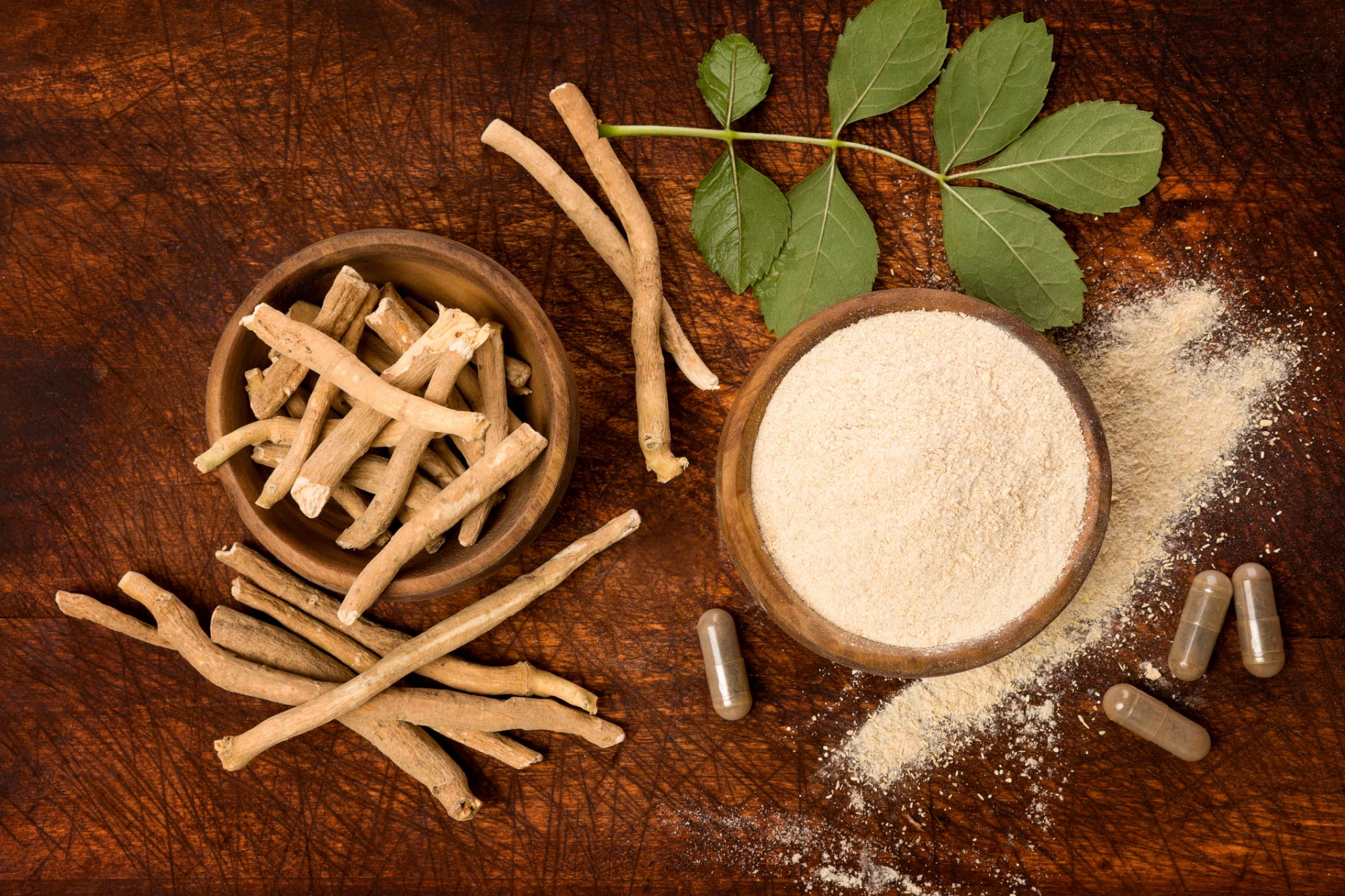
Libido support and firmness support are not the same thing. This guide separates "how you feel" from the vascular mechanism that drives rigidity.
In this guide:
- The Assumption Sounds Logical — The Biology Isn't
- Erections Are Mechanical Before They Are Hormonal
- What Ashwagandha Really Does
- Why It Doesn't Translate to Firmness (Most of the Time)
- Why Nitric Oxide Supplements Align Better With Firmness
- How Ashwagandha Appears in Broader Male Health Formulas
- Comparison: Ashwagandha vs Nitric Oxide Support
- When Ashwagandha May Still Be Useful
- FAQs
- Final Thoughts
- Recommended Products
If ashwagandha truly improved erection firmness in a consistent, mechanism-driven way, it would be part of standard erectile dysfunction protocols. It isn't. That doesn't mean it's "bad" — it means it's often being asked to do a job it wasn't built for.
The Assumption Sounds Logical — The Biology Isn't
The internet often simplifies male performance to testosterone. And because ashwagandha may support testosterone in stressed individuals, it gets labeled an "ED herb." The logic sounds clean: better testosterone → better erections.
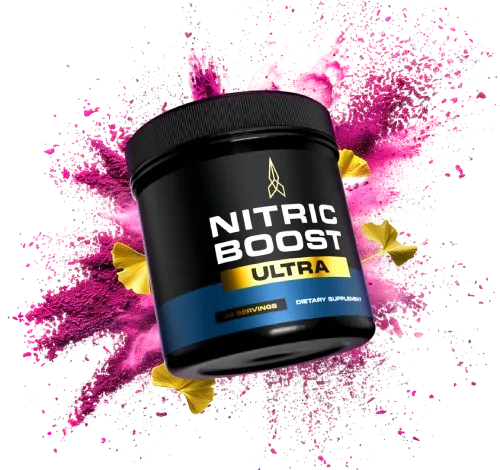
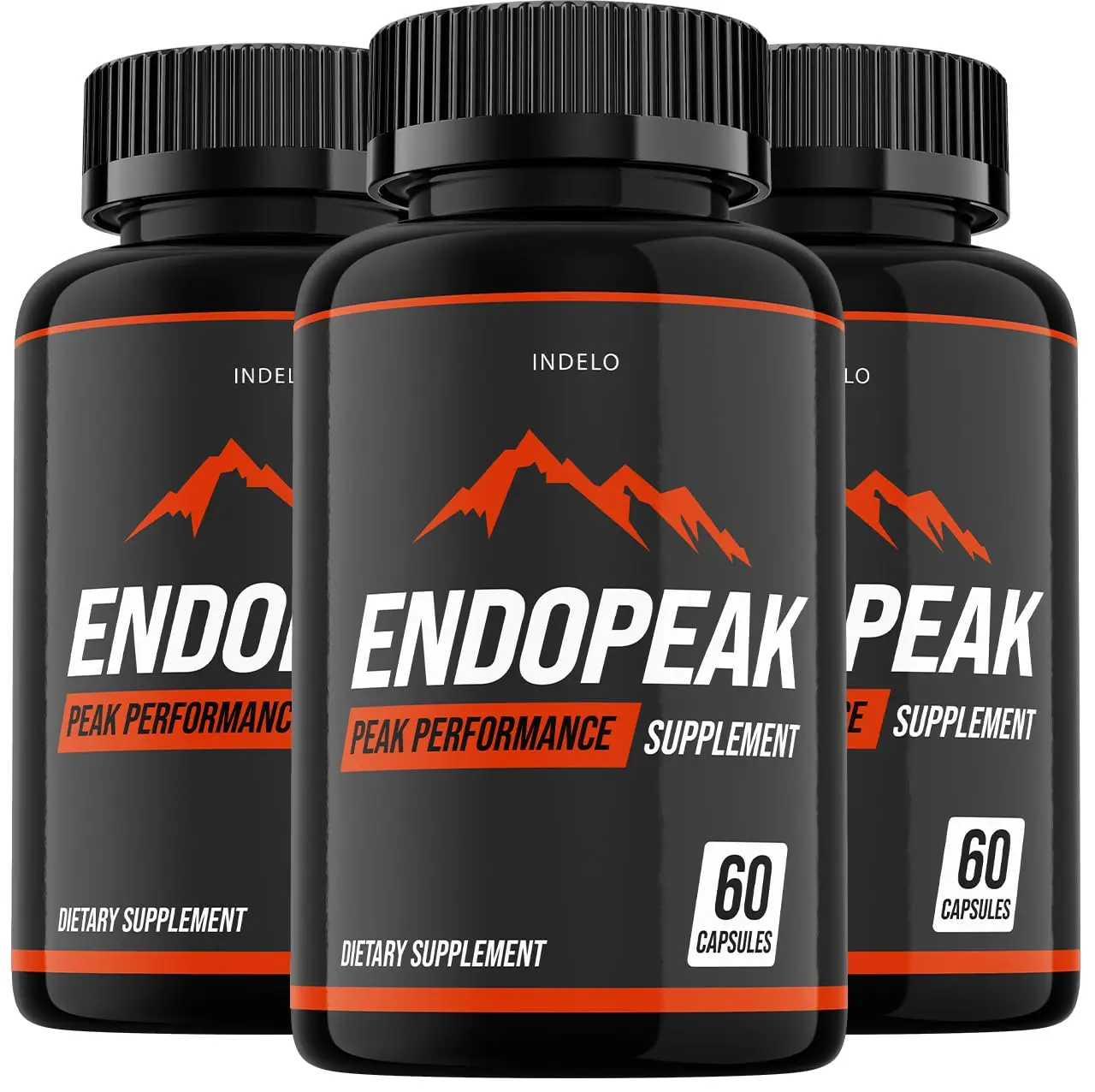
The problem is that erection firmness is not primarily a testosterone event. It's largely a vascular event. That's why men who start researching ashwagandha for erections often end up comparing it to nitric-oxide-focused options like Nitric Boost Ultra, EndoPump, and EndoPeak — because those products are structured around blood flow and endothelial signaling, which sit closer to the core mechanics of erection physiology.
Quick takeaway
Ashwagandha can support stress balance and libido. Firmness is usually driven by nitric oxide signaling, vessel responsiveness, and blood inflow mechanics. Those are different jobs.
Erections Are Mechanical Before They Are Hormonal
A firm erection requires a coordinated vascular cascade — not just "desire," and not just testosterone. The core steps are mechanical and signaling-based:
- Nitric oxide release from endothelial cells
- Activation of cGMP signaling pathways
- Relaxation of arterial smooth muscle
- Rapid blood influx into erectile tissue
When nitric oxide signaling is compromised, arteries don't fully dilate. Without dilation, rigidity declines — even if libido is strong. That's why "I'm in the mood but it's not as firm" is often a circulation story, not a hormone story.
What Ashwagandha Really Does
Ashwagandha is an adaptogen that primarily modulates the stress-response system. In plain terms: it's commonly used to help the body handle chronic stress signaling.
Its core actions are usually described as supporting:
- Cortisol regulation
- Stress resilience and mental stamina
- Sleep quality and recovery tone
- Testosterone support in stress-suppressed individuals
This matters when erectile challenges are driven by burnout, anxiety, or poor sleep — because those factors can suppress libido and disrupt sexual confidence. In those cases, stress support can change how you feel and how ready you are.
But that still doesn't mean arterial dilation improves. Libido and firmness are different physiological processes — and stress relief doesn't automatically repair endothelial responsiveness.
Why It Doesn't Translate to Firmness (Most of the Time)
Here's the simplest way to frame it: ashwagandha tends to help the context around sex — stress, sleep, mental readiness, hormonal tone in certain situations. But erection firmness depends heavily on whether blood can move quickly, strongly, and consistently into erectile tissue under stimulation.
Ashwagandha does not reliably function as a nitric oxide booster. It does not directly improve endothelial flexibility the way nitric-oxide/circulation formulas are designed to. It's not a vascular dilator in the way "firmness-focused" strategies usually try to be.
So if the complaint is primarily structural rigidity — not desire — the bottleneck is usually vascular signaling.
Why Nitric Oxide Supplements Align Better With Firmness
When the issue is firmness, the most direct route is usually improving nitric oxide availability and endothelial signaling — because those pathways govern vessel dilation and blood inflow. That's why nitric-oxide-focused formulas tend to make more biological sense for rigidity complaints.
Nitric Boost Ultra
Positioning: Structured around nitric oxide precursors and circulation support — directly targeting the blood-flow mechanism linked to erection firmness.
EndoPump
Positioning: Pairs nitric oxide support (Horny Goat Weed, Ginkgo) with libido and circulation botanicals — covering both the firmness mechanism and the desire layer at the same time.
EndoPeak
Positioning: Emphasizes endothelial health and nitric oxide pathways for long-term vascular responsiveness — rather than stimulant-style effects.
Quick takeaway
If firmness is the complaint, nitric oxide + endothelial support tends to align with the actual mechanical pathway — not just mood or hormone framing.
How Ashwagandha Appears in Broader Male Health Formulas
It's worth noting that ashwagandha often shows up inside multi-ingredient male health supplements — not because it enhances erections directly, but because it can support stress balance and hormonal tone.
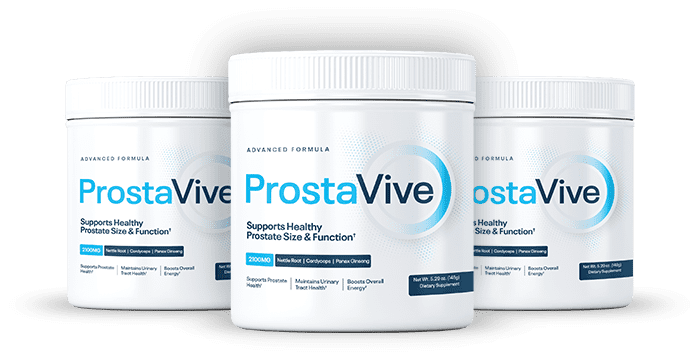
For example, some prostate-focused formulas such as Prostavive include ashwagandha as part of a broader strategy targeting DHT balance, inflammation control, and long-term male vitality.
In that context, ashwagandha serves a systemic role:
- Supporting cortisol regulation
- Contributing to hormonal equilibrium
- Complementing prostate tissue support
- Helping address stress-related fatigue
But that's fundamentally different from a nitric-oxide-driven erection formula. A supplement structured for prostate and hormonal health may indirectly support overall confidence and well-being — but it shouldn't be mistaken for a vascular performance enhancer.
Comparison: Ashwagandha vs Nitric Oxide Support
The cleanest way to understand the difference is sensation vs mechanism. Ashwagandha can change how you feel under stress. Nitric oxide signaling changes how blood moves under stimulation.
| Factor | Ashwagandha | Nitric Oxide / Endothelial Support |
|---|---|---|
| Primary lane | Stress response, sleep, hormonal tone (context) | Blood flow signaling, vessel dilation (mechanism) |
| Best match for | Performance anxiety, burnout, stress-suppressed libido | Firmness, rigidity reliability, vascular responsiveness |
| What it tends to change | Mental readiness and recovery tone | Structural firmness potential via circulation support |
| Common limitation | May not improve rigidity if the bottleneck is vascular | May not address psychological stress drivers alone |
| Most realistic framing | Supportive (not a firmness "fix") | Mechanism-aligned support (still not instant or guaranteed) |
*Note: Supplements are not a replacement for medical care. They're typically used as supportive routines, and individual responses vary.*
When Ashwagandha May Still Be Useful
Ashwagandha can make sense when the problem is primarily stress-driven — when your nervous system is the bottleneck. In those cases, "calm + recovery" can restore libido and confidence, which can indirectly improve outcomes.
Ashwagandha may be appropriate when:
- Performance anxiety is high
- Chronic stress is suppressing libido
- Sleep disruption is affecting recovery and hormonal rhythm
It is less appropriate when:
- Erections are mechanically weak
- Rigidity declines progressively over time
- Cardiovascular or endothelial factors are suspected
Matching the supplement to the mechanism prevents misplaced expectations — and helps you build a strategy that makes physiological sense.
FAQs
Does ashwagandha help erectile dysfunction?
Ashwagandha may help when ED is strongly influenced by stress, poor sleep, or anxiety-related libido suppression. But it's not typically positioned as a firmness-first, blood-flow mechanism tool.
Can ashwagandha improve erection firmness?
For many men, firmness is primarily vascular. Ashwagandha may support mood and hormonal tone in stress-suppressed situations, but it does not reliably target nitric oxide bioavailability or endothelial dilation — which is why the "firmness" result is often inconsistent.
What actually drives erection firmness?
Firmness is closely tied to nitric oxide signaling, cGMP pathways, smooth muscle relaxation, and blood inflow mechanics. That's why circulation-focused strategies are commonly explored when rigidity is the main complaint.
Ashwagandha vs nitric oxide supplements — which is better?
They serve different roles. Ashwagandha is more "stress-context" support. Nitric oxide / endothelial support is more "blood-flow mechanism" support. If firmness is the issue, nitric oxide strategies tend to align more directly with the physiology.
When should I see a doctor about erectile dysfunction?
Consult a healthcare professional if erectile difficulties persist for more than a few weeks, occur suddenly, or are accompanied by pain, reduced libido, or cardiovascular symptoms. ED can signal underlying vascular or hormonal conditions that require medical evaluation.
Conclusion: Choose Based on Physiology, Not Popularity
Ashwagandha isn't ineffective — it's often misapplied. If stress is the primary bottleneck, it may help. If firmness is the primary issue, nitric oxide–focused supplements like Nitric Boost Ultra , EndoPump or EndoPeak align more directly with erection physiology.
And if broader male health concerns like prostate balance and hormonal support are part of the picture, a formula like Prostavive — which contains ashwagandha — fits in a different category altogether.
Ashwagandha can support stress and hormonal balance. Erection firmness depends primarily on blood flow. Mechanism matters.
Reviewed by: The Supplement Post Editorial Team, Editorial Review — Last updated:
Recommended Products

About Luciano Andreoti
Luciano Andreoti is a contributor at The Supplement Post, supporting the production of evidence-aware supplement reviews and buyer's guides across multiple health categories. His work spans ingredient analysis, formulation assessment and consumer-oriented summaries — what a label discloses, how the stated doses compare with the amounts used in published human research, and whether a formula's design matches what it claims to do. Every review is checked by The Supplement Post editorial team against the standards published in our editorial policy before it goes live.
Disclosure
All content on The Supplement Post is for informational purposes only and is not a substitute for professional medical advice, diagnosis, or treatment. Each product is a dietary supplement, not a prescription drug; statements about its benefits have not been evaluated by the U.S. Food and Drug Administration (FDA) and the product is not intended to diagnose, treat, cure, or prevent any disease.
Results may vary based on individual health status, consistency of use, and lifestyle. If you are pregnant or nursing, taking medication, or have a medical condition, consult a qualified healthcare professional before using any supplement.
This page may contain affiliate links—if you purchase through them, The Supplement Post may earn a small commission at no additional cost to you. References to third-party sites are provided for convenience; we do not control or guarantee their content.