Urinary Symptoms in Men: Why Bladder Trouble Is Not Always the Prostate
Updated for 2026 to reflect current information, editorial review standards, and content accuracy.
Frequent urination, urgency, and weak stream can come from more than prostate size -- often it's bladder signaling, muscle tone, and urinary tract sensitivity working together.
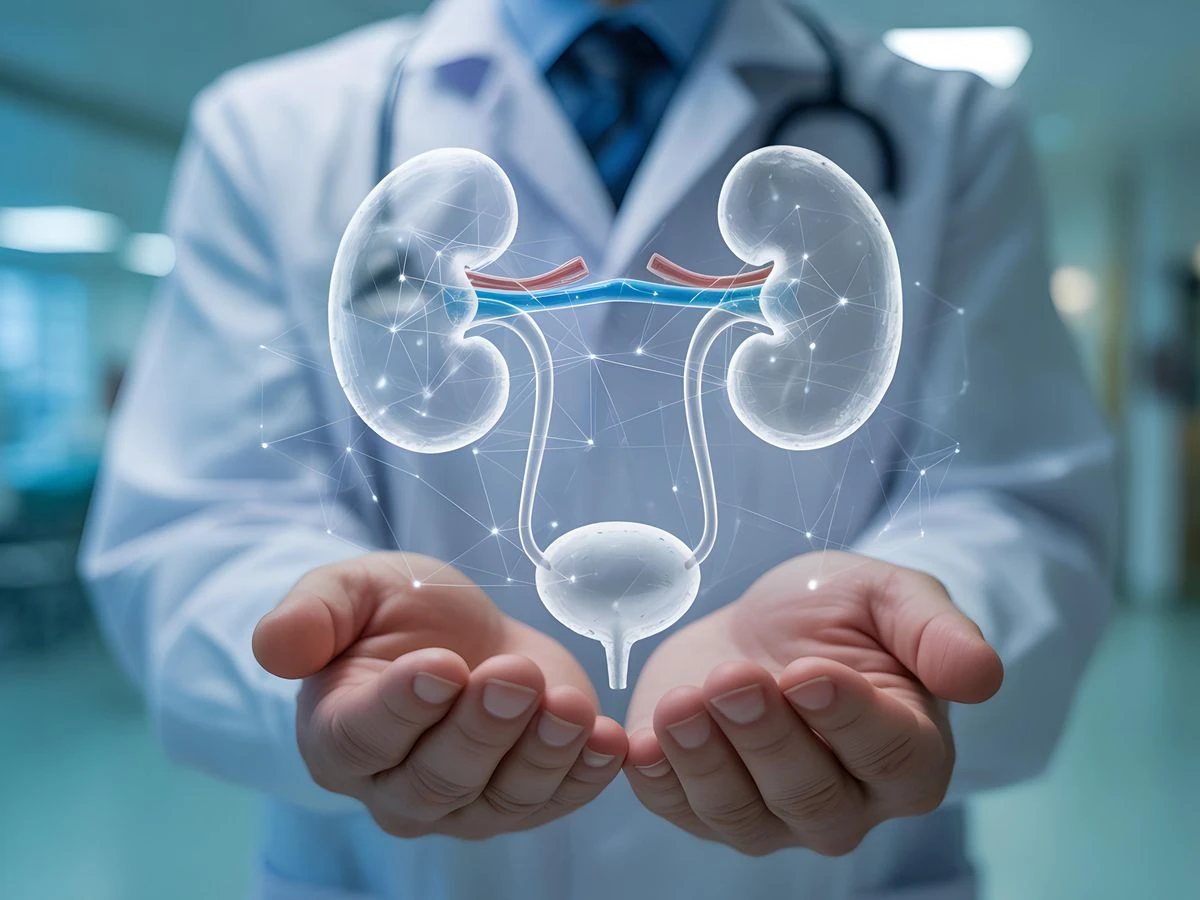
A practical urinary health guide: how the bladder and prostate interact -- and why "prostate-only" thinking can miss the real driver of symptoms.
Key Insights
- Urinary symptoms often overlap: prostate pressure, bladder sensitivity, and nerve-muscle signaling can produce similar "BPH-like" complaints.
- Many men improve partially when they focus only on prostate size -- because urgency, nocturia, and incomplete emptying can be bladder-driven.
- The most realistic natural approach supports the whole urinary system: comfort, flow dynamics, muscle responsiveness, and inflammation balance.
Urinary symptoms in men -- urgency, weak stream, nocturia -- are not always caused by the prostate. Bladder sensitivity, nerve signaling, and muscle coordination often play equal or greater roles in driving these complaints.
This guide explains what "prostate-like" symptoms can actually reflect, why prostate-only strategies often fall short, and how to support the full urinary system.
Quick Answer
Are urinary symptoms always caused by the prostate?
No. Bladder sensitivity, nerve signaling dysfunction, and pelvic muscle weakness can produce urgency, frequency, and weak stream without significant prostate enlargement. Many men have overlapping causes that require a system-level approach.
What should men do if prostate-only strategies are not working?
Consider formulas that support the full urinary system -- bladder comfort, flow dynamics, and muscle responsiveness -- rather than targeting prostate size alone. A medical evaluation can also help identify whether bladder-driven factors are the primary issue.
In this guide:
- Why the Prostate Gets the Blame First
- How the Bladder and Prostate Work Together
- Urinary Symptoms That Overlap
- What Weakens Bladder Control Over Time
- Why Prostate-Only Strategies Can Fall Short
- Bladder vs Prostate: What the Pattern Often Suggests
- How Modern Natural Support Addresses the Urinary System
- What Men Should Look for in Urinary Support Ingredients
- Final Verdict: Is It the Bladder or the Prostate?
- FAQs
Why the Prostate Gets the Blame First
When frequent urination, urgency, or weak stream show up, the prostate becomes the default suspect -- mainly because the prostate surrounds the urethra and can influence urinary flow when it enlarges.
But urinary symptoms are not "prostate-specific." The bladder is the organ that stores and releases urine, and it relies on timing, pressure, and nerve signals to empty properly. If that system becomes oversensitive or poorly coordinated, symptoms can look identical to prostate-related issues -- even when prostate size isn't the main driver.
Quick takeaway
Prostate enlargement can contribute to urinary symptoms, but bladder signaling and muscle control can create the same symptoms pattern -- especially urgency and nighttime urination.
How the Bladder and Prostate Work Together
Think of urination as a coordinated handoff between storage and flow. The bladder stores urine and contracts when it's time to empty. The urethra is the channel urine passes through, and the prostate sits around that channel.
If prostate tissue creates extra resistance, the bladder has to work harder to push urine through. Over time, that extra workload can change how the bladder behaves -- sometimes becoming more reactive (urgency), less efficient (incomplete emptying), or less stable at night (nocturia).
That's why the same symptom (like nighttime bathroom trips) can come from different pathways: prostate pressure, bladder sensitivity, or even the nerve signals that coordinate contraction and release. Understanding early signs of an enlarged prostate helps clarify when professional evaluation may be needed.
Urinary Symptoms That Overlap
Whether the starting point is prostate resistance or bladder control, many men experience a similar cluster of symptoms -- because both organs influence the same outcome: urine flow and emptying.
This is why some men experience:
- Sudden urgency even with a small amount of urine
- Weak or interrupted urine stream
- A lingering sensation of incomplete emptying
- Nighttime trips to the bathroom
The key point is that the issue isn't always "size." In many cases, the bigger problem is coordination: sensitivity, muscle timing, and how the bladder interprets "fullness" signals.
What Weakens Bladder Control Over Time
Bladder performance depends on three pillars: nerve signaling, muscle tone, and blood flow. When these systems are resilient, the bladder stores urine calmly and empties efficiently.
Over time, factors such as:
- Chronic stress
- Poor circulation
- Mineral imbalances
- Inflammation within the urinary tract
can reduce bladder efficiency -- even before prostate symptoms become severe. Understanding what causes prostate inflammation helps explain the overlap. For some men, the earliest change is bladder sensitivity: the sensation of urgency shows up earlier and more intensely than it "should," even when volume is low.
Another common pattern is weaker muscular responsiveness. The bladder may contract less effectively, leaving behind residual urine -- and that leftover volume can feed the feeling of incomplete emptying and repeated trips to the bathroom.
Why Prostate-Only Strategies Can Fall Short
Many approaches focus primarily on prostate size. That can matter, but it often doesn't address the full symptom mechanism -- especially when urgency and nighttime urination are dominant.
Prostate-only strategies may miss:
- Bladder sensitivity (how early the "urge" signal fires)
- Urinary muscle responsiveness (how efficiently the bladder empties)
- The nervous signals that coordinate urination
This explains why some men report partial improvement -- less pressure, slightly better stream -- but still struggle with urgency or nocturia. If bladder signaling remains overactive, symptoms can persist even when prostate pressure is modestly improved. See also best supplements for bladder control and urinary flow.
Quick takeaway
If urgency and nighttime urination remain after "prostate support," it often suggests bladder sensitivity or incomplete emptying -- not just prostate size.
Bladder vs Prostate: What the Pattern Often Suggests
Symptoms overlap, so you can't diagnose a cause from a checklist. But patterns can help you think more clearly about what may deserve attention -- especially when a prostate-only approach hasn't matched your symptom profile.
| Symptom Pattern | Often Points Toward | Why It Can Happen | Support Focus (Realistic) |
|---|---|---|---|
| Urgency with low urine volume | Bladder sensitivity | Overactive "fullness" signaling and irritability in the urinary tract | Comfort + inflammation balance + calmer signaling support |
| Weak stream + hesitancy | Prostate resistance (often) + coordination | Flow restriction increases bladder workload and disrupts timing | Flow dynamics + prostate comfort + long-term support |
| Incomplete emptying feeling | Bladder efficiency | Less effective contraction may leave residual urine behind | Muscle responsiveness + nerve support + circulation |
| Nocturia (multiple night trips) | Mixed: bladder sensitivity + residual volume | Nighttime signaling becomes unstable; small volumes trigger urgency | System-level approach, not "one organ" thinking |
Note: This table helps interpretation, not diagnosis. Persistent or worsening symptoms should be evaluated by a clinician, especially if pain, fever, or blood in urine is present.
Quick takeaway
The more "signal-driven" a symptom feels (urgency, nocturia), the more likely bladder sensitivity is involved. The more "resistance-driven" it feels (weak stream, hesitancy), the more prostate pressure may be contributing -- often alongside bladder adaptation.
How Modern Natural Support Addresses the Urinary System
Newer natural formulas take a broader approach, supporting the urinary system as a whole rather than forcing a single outcome. In practical terms, this means supporting:
- Urinary tract comfort
- Bladder muscle function
- Healthy urine flow dynamics
Products such as Prostadine and Prostavive are often discussed within this system-level perspective -- aiming to support both prostate-related pressure and bladder efficiency.
The most realistic framing is long-term support. Instead of "forcing" immediate changes, these strategies aim to improve the internal environment: comfort, signaling stability, and tissue balance -- so symptoms can gradually become less intrusive over time.
What Men Should Look for in Urinary Support Ingredients
"Urinary support" is a broad label, so the ingredient logic matters. Effective support is typically positioned around mechanisms -- comfort, flow, and responsiveness -- not just a single organ.
In general, urinary-focused formulas often include compounds studied for:
- Supporting bladder comfort and reducing urinary tract irritation
- Encouraging smoother urine flow dynamics
- Assisting nerve and muscle signaling involved in urination
- Promoting long-term urinary tract environment balance
This is also where expectations become clearer. If your main complaint is urgency, ingredients positioned around comfort and signaling tend to align better than approaches focused only on "size." If your main complaint is weak stream, flow-focused positioning may be more relevant -- often alongside broader support. For ingredient-level research, see how pygeum supports urinary flow.
A practical next step is to review the ingredient list and understand what each component is positioned to do. Many men start by checking the official pages for Prostadine or Prostavive to see how the formulas are framed for urinary comfort and flow.
Quick takeaway
Don't choose a urinary supplement by the label alone. Choose it by the mechanism it's positioned to support: comfort, flow, muscle responsiveness, and long-term balance.
Final Verdict: Is It the Bladder or the Prostate?
Not every urinary symptom points to the prostate alone. In many cases, bladder health and urinary system coordination are the missing pieces -- especially when urgency, nocturia, or incomplete emptying remain after prostate-focused efforts.
Men who understand this distinction are better equipped to choose natural support strategies that address the full picture -- not just one organ. The goal is realistic, steady support of urinary comfort and flow dynamics, alongside appropriate medical follow-up when needed.
If you are ready to explore system-level urinary support, compare the best supplements for bladder control and urinary flow or learn what science actually supports for prostate health.
FAQs
Can urinary symptoms exist without prostate enlargement?
Yes. Bladder sensitivity, nerve signaling issues, and pelvic muscle dysfunction can all produce urgency, frequency, and weak stream without significant prostate enlargement. A clinical evaluation can help distinguish the source.
How do I know if my symptoms are bladder-related or prostate-related?
Signal-driven symptoms like urgency and nocturia often point toward bladder sensitivity, while resistance-driven symptoms like weak stream and hesitancy tend to involve prostate pressure. Many men experience a combination of both.
Do prostate supplements help with bladder symptoms too?
Some multi-pathway formulas are designed to support both prostate comfort and bladder function, targeting inflammation balance, circulation, and urinary tract signaling. However, results depend on the specific formula and symptom profile.
What lifestyle changes improve bladder control in men?
Reducing caffeine and alcohol intake, managing fluid timing, practicing pelvic floor exercises, and maintaining a healthy weight can all support better bladder control alongside any supplement strategy.
When should I see a doctor for urinary symptoms?
See a doctor if you experience blood in urine, sudden inability to urinate, persistent pain, fever, or symptoms that worsen rapidly. These may indicate conditions that require medical intervention beyond supplement support.
Reviewed by: The Supplement Post Editorial Team, Editorial Team -- Last updated:
Recommended Products
These products are commonly explored by men looking for urinary comfort and flow support. They are not intended to diagnose, treat, or replace medical evaluation, but they can be reviewed for positioning and ingredient logic.