
Treatment Guide
Are Vacuum Pumps for ED Recommended by the NHS? What Clinical Guidance Says About This Drug-Free Option
Vacuum erection devices are a recognized, drug-free option for ED, and they fit best when a pill is not the right answer. Here is where they sit among the choices, and how to use one well.
What does NHS guidance say about vacuum pumps for ED?
The NHS lists vacuum erection devices among its ED treatments, and the clinical literature agrees.
Karakus and Burnett's 2020 review and Feng and colleagues' 2022 meta-analysis both place them alongside medication and lifestyle change. It is a recognized, non-drug route.
The key point The NHS doesn't endorse products. It recognizes treatment methods that have clinical relevance and a sound safety profile when used correctly, and vacuum pumps clear that bar. Luciano Cesar, Content Contributor
How does a vacuum pump for ED work?
A vacuum pump creates temporary firmness mechanically rather than chemically. Guillot-Tantay and colleagues' 2026 systematic review lays out the process: a cylinder removes air, the negative pressure draws blood into the tissue, and a ring helps maintain the result.
Because it skips chemical pathways, it helps men who can't or don't want to take ED medication. Pirola and colleagues' 2024 scoping review found it especially relevant after radical prostatectomy, and Zhang and colleagues' 2026 meta-analysis of 18 studies found success in about 80% of men whose ED had not responded to pills.
Where do vacuum pumps fit among ED treatments?
| Treatment | Type | Key consideration |
|---|---|---|
| Vacuum pumps | Mechanical / device | Drug-free, predictable mechanism |
| Oral medications (PDE5 inhibitors) | Pharmacological | First-line for many, but not suitable for all |
| Lifestyle adjustments | Behavioral | Weight, exercise, smoking cessation |
| Psychological support | Therapy | Addresses stress and performance anxiety |
Who should not use a vacuum pump for ED?
A vacuum pump may not suit men with certain blood disorders, men who bruise or bleed easily, or men with a specific anatomical condition, so a quick medical check still helps. Bruising was the most common side effect in Zhang's analysis, at about 24%, and it comes from excess pressure. Starting gentle keeps it mild and temporary.
Which vacuum device has the pressure control guidance asks for?
Not every vacuum pump is built the same. Pressure control is where the safety advice on technique becomes practical.
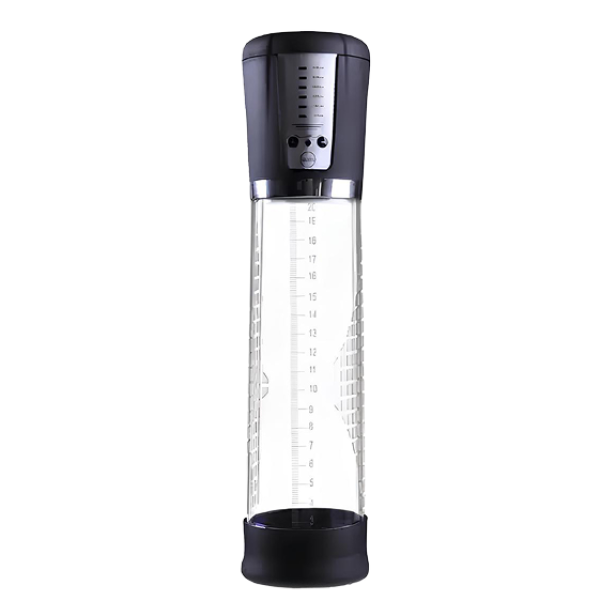
Sensselo Penis Pump
Five adjustable pressure levels, discreet shipping
Not every vacuum pump is built the same, and pressure is where most mild side effects, such as bruising and discomfort, begin. Sensselo is a handheld pump with five adjustable pressure levels, so you can start gentle and build up as your technique settles. It ships in discreet, unmarked packaging.
Talk to your doctor first if: you have a blood disorder, bruise or bleed easily, or have a specific anatomical condition. These are the usual reasons a vacuum pump may not be the right fit.
Are vacuum pumps for ED recommended by the NHS?
Are vacuum pumps for ED recommended by the NHS? Yes: they are a recognized, drug-free option within a broader treatment plan, taken alongside your doctor's care.
For many men looking for an alternative to medication, that is a real answer. The part that's on you is fit. Ready to compare models? Our best vacuum pump for erectile dysfunction guide covers what to look for, and our Sensselo review walks through the guarantee and buyer feedback.
Is a vacuum pump worth trying for a drug-free option?
Is a vacuum pump worth trying for a drug-free option? Yes, for a man who wants firmness on demand without a prescription or a pill, it is a well-founded thing to try.
No pharmacy counter conversation, no repeat prescription to remember. Just something run from your own bathroom, on your own schedule. For many men, that sense of control is a bigger draw than the mechanism.
A vacuum pump is a tool, and it adds to what you do for circulation and health. It draws blood in on demand, without touching the chemical pathways a pill relies on.
The recognition behind it is real. Guillot-Tantay and colleagues' 2026 systematic review and Karakus and Burnett's 2020 update place vacuum devices among the established non-drug options, NIDDK's treatment guidance lists them too, and Zhang's 2026 meta-analysis puts the success rate near 80%.
How well it works depends on the starting point. Technique, pressure and age all shape the outcome, and most men find their rhythm within the first few sessions.
Frequently asked questions
Are vacuum pumps officially approved by the NHS?
The NHS doesn't approve individual products, but it does recognize vacuum pumps as a valid treatment option for erectile dysfunction when used appropriately. They're included in clinical guidance as a non-drug alternative.
Are penis pumps safe according to NHS advice?
Generally, yes, when used correctly. Most side effects are mild and temporary, and are usually tied to improper pressure or technique rather than the device itself.
Are vacuum pumps a first-line treatment for ED?
They are typically recommended when medications aren't suitable, aren't effective, or aren't preferred. Treatment choice depends on individual needs and medical context.
What should a vacuum device offer to be used comfortably?
Look for adjustable pressure, an airtight chamber and compatible constriction rings, since pressure control is where most mild side effects start. The Sensselo Penis Pump offers five pressure levels, which suits men who want to start gently.
When should I see a doctor about erectile dysfunction or before using a vacuum pump?
See a doctor before you start if you have a blood disorder, take blood thinners, bruise easily or have an anatomical condition. Persistent or sudden erection problems deserve a medical check too, because ED can signal a vascular or hormonal condition.