
Does Neuro Serge Really Work? Mechanism & Results Timeline
The honest answer on whether this formula works — mechanism, evidence, and realistic results timeline.
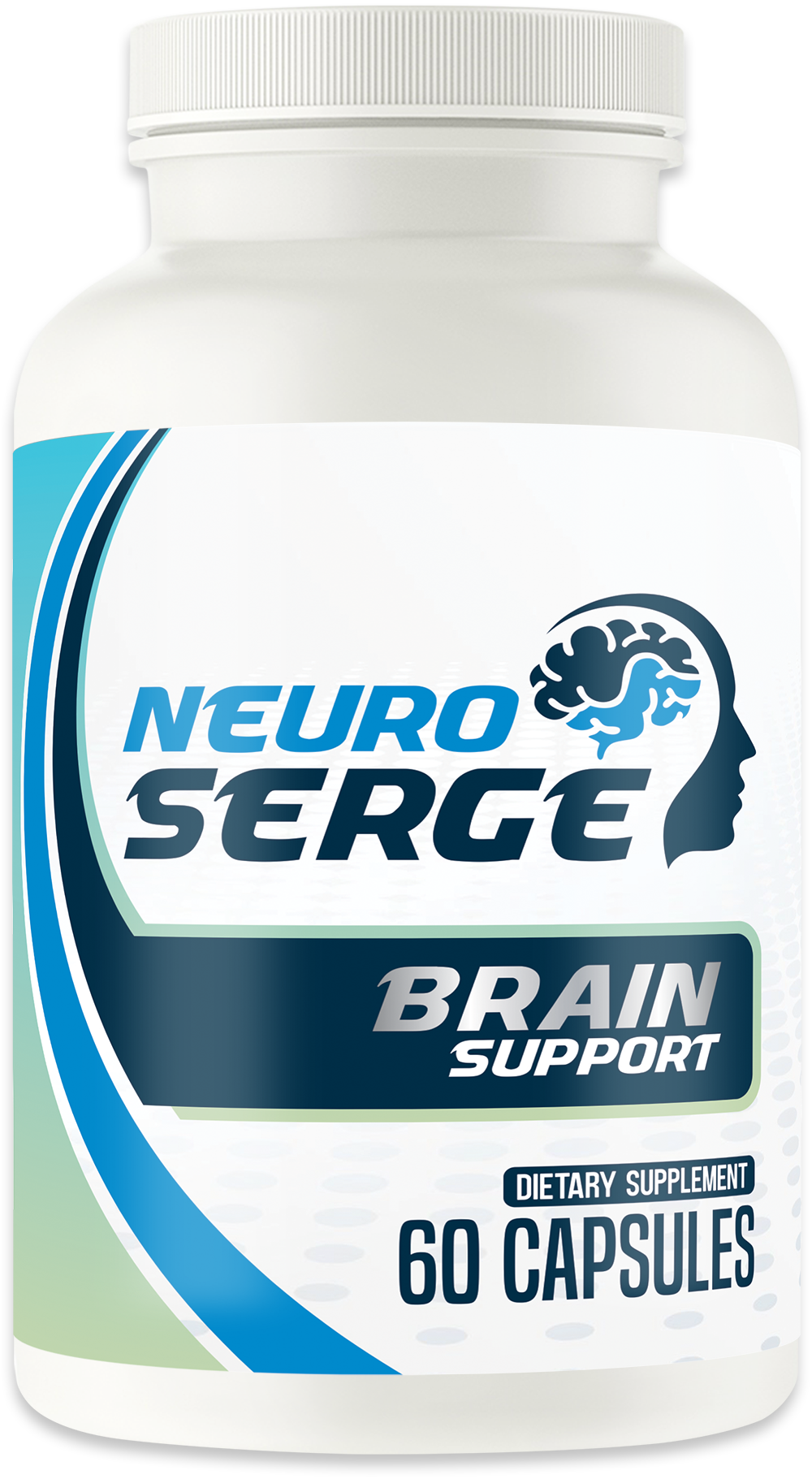
The science and the timeline — what happens when you commit to the routine.
In This Article
Edited by Michael Anderson, Editor-in-Chief
Updated
Quick Answer
Yes, Neuro Serge works — but it works on a biological timeline, not an overnight one. The formula targets four distinct brain support pathways: antioxidant defense, cerebral circulation, glucose-cognition balance, and gut-brain inflammation. There is no caffeine kick. Most users notice meaningful changes around weeks 4-6 of consistent daily use, with the full evaluation window at weeks 8-12. Below is the mechanism and an honest look at what we can and cannot verify.
1. The Science — Four Pathways, One Formula
Most brain supplements pick one angle. Neuro Serge addresses four at the same time. Each pathway has independent evidence in the scientific literature, and each targets a different contributor to cognitive decline.
Pathway 1 — Antioxidant Defense
The brain consumes about 20% of the body’s oxygen, and that high metabolic rate generates reactive oxygen species that damage neurons over time. Neuro Serge stacks three polyphenol sources:
- Olive Leaf (oleuropein) — oleuropein is one of the few dietary polyphenols that has been shown to cross the blood-brain barrier, making it a direct contributor to brain antioxidant capacity.
- Green Tea (EGCG) — EGCG is among the most studied catechins for its ability to neutralize free radicals and support mitochondrial function in neurons.
- Grape Seed (proanthocyanidins) — proanthocyanidins are potent antioxidants with documented effects on both oxidative stress and vascular health.
Together, this stack gives the brain a broader antioxidant reserve than any single polyphenol on its own.
Pathway 2 — Cerebral Circulation
Cognition depends on blood flow. Bilberry anthocyanins and Grape Seed proanthocyanidins both support vascular endothelial function and capillary integrity. Better capillary health in the brain means more efficient delivery of oxygen, glucose, and nutrients to the neurons that need them. This is not a stimulant effect — it is a structural support for the vasculature that feeds cognition.
Pathway 3 — Glucose-Cognition Link (The Underrated Pathway)
This is where Neuro Serge goes where most brain supplements will not. The brain runs on glucose, and insulin resistance — even at pre-diabetic levels — impairs how efficiently neurons can use that glucose. Researchers now refer to Alzheimer’s as “Type 3 diabetes” because of this connection(b).
Cinnamon Cassia has published evidence for improving insulin sensitivity. Better insulin sensitivity means better brain glucose uptake, which translates into more reliable brain energy. Most nootropics ignore this pathway entirely. Neuro Serge makes it a core pillar. This is the kind of mechanism that does not produce an instant “wow” effect — it is a slow, structural benefit that compounds over months.
Pathway 4 — Gut-Brain Anti-Inflammatory Support
The gut-brain axis is now recognized as a major contributor to mood, cognition, and neuroinflammation. Chronic gut inflammation drives systemic inflammation, which in turn crosses into the central nervous system and affects brain function.
Deglycyrrhizinated Licorice (DGL) supports gut lining integrity and has anti-inflammatory effects without the blood-pressure concerns of standard licorice. By keeping gut inflammation in check, DGL indirectly supports a low-inflammation environment for the brain. For a detailed breakdown of dosing and each ingredient, see our Neuro Serge ingredient scorecard.
2. Honesty Check — What We Cannot Verify
Here is where we have to be straightforward: Neuro Serge uses a proprietary blend. That means the total weight of the blend is disclosed, but the individual amount of each ingredient is not.
Why this matters:
- The individual ingredients (olive leaf, green tea, grape seed, bilberry, cinnamon cassia, DGL) have solid evidence bases in the published literature.
- However, the clinical studies used specific doses — for example, olive leaf extracts standardized to specific oleuropein percentages, or cinnamon at 1-6 grams per day.
- Because the blend is proprietary, we cannot confirm whether Neuro Serge delivers these ingredients at the doses shown to work in research.
What we can say: the mechanism is legitimate, the ingredient selection is intelligent, and the multi-pathway approach is sound. What we cannot say: whether the actual doses in this specific formula hit the clinical thresholds. That honesty matters more than marketing claims — and it is something most review sites gloss over entirely.
3. Results Timeline — What to Expect and When
This timeline reflects the general pharmacology of polyphenol and botanical supplements combined with common user reporting patterns. Individual results depend on baseline cognitive health, diet, sleep, and consistency. There is no stimulant kick — if you are expecting a caffeine-like effect, you will be disappointed.
| Timeline | What to Expect |
|---|---|
| Week 1-3 | Polyphenols begin building in tissue. Cinnamon starts nudging insulin sensitivity. Most users will not notice dramatic changes — this is a loading phase. Some report a subtle sense of calm or a quieter mental baseline. |
| Week 4-6 | Antioxidant and circulation pathways become more established. Users often describe "less afternoon brain fog" or "more consistent mental energy." This is typically the first point where the formula feels like it is doing something. |
| Week 7-12 | Full evaluation window. Glucose-cognition and gut-brain pathways compound. Mental clarity, sustained focus, and cognitive stamina should be measurably improved if the formula is working for you. This is where you decide if it is worth continuing. |
| Month 4+ | Resilience phase. Continued daily use sustains antioxidant reserves and vascular support. Stopping abruptly will likely cause a gradual return to baseline over 2-4 weeks. |
The key takeaway: weeks 6-12 are where you judge this product. Anything before that is too early. If you are still seeing nothing by week 12 with consistent daily use, the formula is likely not the right fit for your body or the blend is not dosed strongly enough for your baseline.
4. What Helps Your Results
Polyphenol and botanical supplements do not work in a vacuum. These factors directly influence how well Neuro Serge performs:
- Sleep. Brain detoxification happens primarily during deep sleep via the glymphatic system. Without seven to eight hours, no antioxidant in the world can keep up.
- Blood sugar stability. The cinnamon pathway in Neuro Serge compounds with a diet that does not spike glucose. Refined carb overload works directly against this pathway.
- Hydration. Cerebral circulation depends on adequate plasma volume. Dehydration impairs blood flow to the brain regardless of how good the supplement is.
- Consistency. This is the single biggest factor. Polyphenol effects are cumulative — skipping days disrupts the accumulation cycle. Daily use at roughly the same time is the baseline requirement.
- Omega-3 intake. Brain membranes rely on DHA. Combining Neuro Serge with a diet that includes fatty fish or a quality omega-3 source amplifies the neuroprotective effect.
Conversely, chronic stress, sleep deprivation, alcohol, and a high-sugar diet all work against the formula’s mechanism. If you are not seeing results, address those factors before concluding the supplement does not work. For a full look at safety considerations and interactions, see our Neuro Serge side effects guide.
Pricing Options for Neuro Serge
Neuro Serge is available in multiple package options designed to support different usage timelines. Many users choose multi-bottle packages because consistent daily use typically delivers the best results. Longer supply options also reduce the cost per unit.
1 Bottle
30-Day Supply
- 180-day Money-Back Guarantee
- Secure Checkout
6 Bottles
180-Day Supply
- 180-day Money-Back Guarantee
- Free USA Shipping
- Secure Checkout
Save $180
Shop Now3 Bottles
90-Day Supply
- 180-day Money-Back Guarantee
- Free USA Shipping
- Secure Checkout
Save $30
Shop NowEvery order is backed by a 180-day money-back guarantee. Only available through the official website.
Frequently Asked Questions
How long does Neuro Serge take to work?
Most users notice subtle improvements (less brain fog, steadier mental energy) within 4-6 weeks. More meaningful changes in focus and cognitive stamina typically appear around weeks 7-12 with consistent daily use. The full evaluation window is 8-12 weeks. There is no overnight effect — this is not a stimulant.
How is Neuro Serge different from caffeine-based nootropics?
Caffeine-based nootropics produce an immediate alertness spike by stimulating the central nervous system. Neuro Serge works on a completely different mechanism — it supports antioxidant defense, cerebral circulation, glucose metabolism, and gut-brain health over weeks and months. One produces a short-term kick; the other builds long-term cognitive resilience. They target different outcomes entirely.
Is the proprietary blend a dealbreaker?
Not necessarily — but it is a limitation you should know about. The ingredients have strong evidence individually, and the multi-pathway approach is sound. What we cannot verify is whether each ingredient is dosed at its clinical research amount. For readers who want full transparency on every milligram, a non-proprietary formula may be a better fit. For readers who prioritize a sensible multi-pathway stack, Neuro Serge remains a reasonable option.
Should I talk to a doctor before starting Neuro Serge?
Yes, if you take blood-thinning medication, diabetes medication, or any prescription for cognitive or neurological conditions. Cinnamon can affect blood sugar, grape seed can affect blood flow, and green tea EGCG can interact with certain medications. A quick conversation with your doctor is the right step before starting any daily brain supplement.
Research & Transparency
This content is based on publicly available ingredient research, manufacturer disclosures, and product labeling. We are not affiliated with the manufacturer.
(a) Oleuropein and its role in neuroprotection: crossing the blood-brain barrier. PMC7352673
(b) Insulin resistance and Alzheimer's disease — the "Type 3 diabetes" hypothesis. PMC2769828
(c) Grape seed proanthocyanidins and vascular endothelial function. PMC5793267
(d) The gut-brain axis and systemic inflammation in cognitive health. PMC6469458
About the Author
Emily Carter is a contributor at The Supplement Post and a research collaborator with the Smart Guide editorial group — an independent team dedicated to conducting deeper evaluations of supplements across major health categories. Her work focuses on brain health, cognitive support botanicals, and evidence-aware supplement analysis. She is not a medical doctor — she analyzes publicly available research to provide consumer-friendly summaries for readers exploring natural cognitive support options.
Disclosure
All content is for informational purposes only and is not a substitute for professional medical advice. Each product reviewed is a dietary supplement, not a prescription drug. Results may vary based on individual health status, consistency of use, and lifestyle. This page may contain affiliate links — if you purchase through them, we may earn a small commission at no additional cost to you. Read our Editorial Policy.