
Why Your Metabolism Slows After 40 — and the 3 Levers That Still Actually Work
"My metabolism slowed down after 40" is half myth, half real. The surprising science: your resting metabolic rate barely changes from 20 to 60. What actually shifts is muscle, insulin sensitivity, and brown fat — and those are levers you can still pull. Here's the honest breakdown.
What the 2021 metabolism study actually found — and the three levers that still move the needle after 40.
In this guide:
Everyone "knows" metabolism slows after 40. It's the explanation we reach for when the weight creeps on and the old tricks stop working. But the actual science tells a more useful — and more hopeful — story than the "broken furnace after 40" myth.
Understanding what really changes (and what doesn't) is the difference between fighting a battle you can't win and pulling the levers that actually still work.
The Metabolism Myth (What the Science Actually Says)
The honest version, in 40 seconds
A landmark 2021 study (Science) measuring metabolism across 6,400+ people found that resting metabolic rate stays stable from age 20 to 60, then declines. The dramatic "metabolism cliff at 40" is largely a myth. What actually changes: muscle loss (lowers calorie burn), insulin drift (changes fat storage), and brown fat decline (less thermogenesis). These create the slow-metabolism experience — and all three are addressable.
In 2021, researchers published the largest metabolism study ever conducted in Science — measuring energy expenditure in over 6,400 people from infancy to age 95 using the gold-standard doubly-labeled water method. The finding shocked even the researchers: resting metabolic rate, adjusted for body composition, is essentially flat from age 20 to 60.
It declines in infancy (high), stabilizes in adulthood, and only starts measurably dropping after 60 (about 0.7% per year). There is no metabolic cliff at 40. The number on the "your metabolism is slowing" wellness articles is, biologically, mostly wrong.
So why does weight gain after 40 feel so real? Because "metabolism" in the popular sense isn't just resting rate — it's the whole system of muscle, activity, hormones, and fat-storage signaling. And those DO shift, even when the resting furnace stays lit.
What Actually Changes After 40
Four real shifts produce the "slow metabolism" experience:
- Muscle loss (sarcopenia). You lose 3–8% of muscle mass per decade after 30, accelerating after 50. Muscle is metabolically active — less muscle means fewer calories burned, both at rest and during activity.
- Reduced activity (NEAT decline). Most people move less as they age — fewer steps, less spontaneous movement, more sitting. Non-exercise activity thermogenesis (NEAT) can account for hundreds of calories daily, and it quietly drops.
- Insulin sensitivity decline. Cells become less responsive to insulin, so the same meal stores more fat — particularly visceral fat.
- Hormonal shifts. Menopause (estrogen), andropause (testosterone), and rising cortisol all change fat storage and muscle maintenance.
Notice what these have in common: none of them are a broken metabolic furnace, and all of them are at least partly addressable. That's the useful reframe — you're not fighting an inevitable decline, you're pulling specific levers.
Lever 1: Muscle (The Big One)
Muscle is the single most important lever, because it's the one that most directly affects calorie burn and the one most within your control. Every pound of muscle burns calories at rest, supports glucose disposal (insulin sensitivity), and maintains functional strength.
The intervention: strength training 2–3x per week with progressive overload, plus 1g of protein per pound of target body weight daily. This combination rebuilds and preserves muscle, directly countering sarcopenia. It's not glamorous, but it's the highest-ROI lever for midlife metabolism — far more effective than any supplement or "metabolism-boosting" food.
If you do nothing else after 40, lift weights and eat protein. It addresses the biggest real driver of the metabolism experience.
Lever 2: Insulin Sensitivity
The second lever is insulin sensitivity, which declines gradually after 40. As it drops, the same carb-heavy meal produces a bigger blood sugar spike, a harder crash, more cravings, and more fat storage. The afternoon energy dip you've started noticing is part of this shift.
Diet matters most here — reducing refined carbs, prioritizing protein and fiber, not eating late. But Berberine is the most evidence-backed supplement for this specific lever: it activates AMPK (the same pathway metformin targets), improving insulin sensitivity and softening the spike-crash cycle.
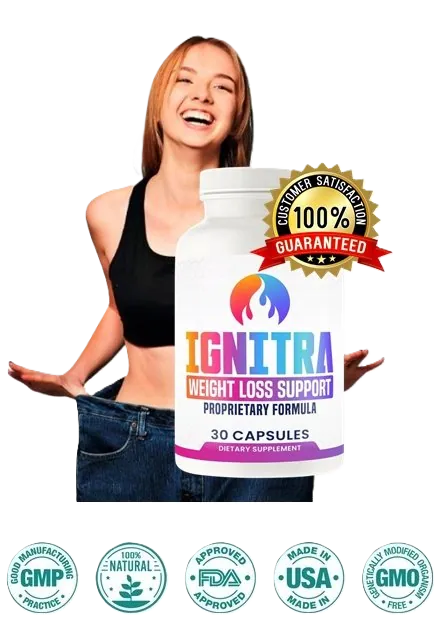
Ignitra
Best Berberine multi-pathway capsuleBerberine HCL anchor + 10 supporting metabolic ingredients — for adults past 35 dealing with slow metabolism and stubborn cravings.
- 2,300+ verified buyers
- 180-day money-back guarantee
Current pricing and bundle options are shown on the official site.
Ignitra pairs Berberine HCL with supporting compounds across the metabolic pathways. For the full breakdown of Berberine dosing and timing, see our complete Berberine dose guide.
Lever 3: Brown Fat Activation
The third lever is brown fat — the calorie-burning tissue that declines with age. Unlike white fat (which stores energy), brown fat generates heat through thermogenesis, consuming calories in the process. Less brown fat = less spontaneous calorie burn at rest.
Cold exposure (cold showers, cool sleeping temperatures) is the natural brown-fat activator. Compounds like Fucoxanthin (from kelp) and Resveratrol activate the irisin pathway that re-engages brown fat thermogenesis — which is why brown-fat-activation supplements have emerged as a relevant midlife metabolism strategy:
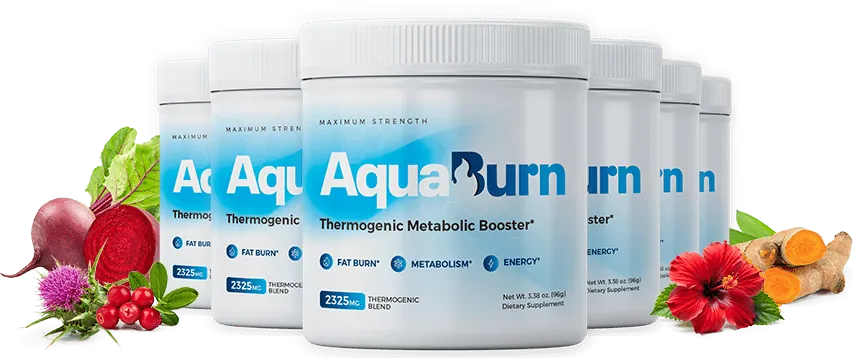
AquaBurn
Best for stubborn belly fat after 40A polyphenol + thermogenic powder targeting brown fat activation via the irisin pathway — for adults past 40 fighting visceral fat that won't budge.
Check the Latest Price →These three levers — muscle, insulin, brown fat — are what actually move midlife metabolism. Supplements support levers 2 and 3; strength training and protein drive lever 1. The supplement aisle can't fix a "slow metabolism" because the metabolism isn't really the problem — but it can support the specific shifts that are.
The Three Levers That Still Move
What actually changed, and which part of it you can still act on:
The afternoon dip you started noticing is not a character flaw — it is the insulin lever announcing itself.
FAQs
Does metabolism really slow down after 40?
Partly — but less than commonly believed. A landmark 2021 study in Science found that resting metabolic rate stays remarkably stable from age 20 to 60, then declines after 60. So the dramatic '40 metabolism cliff' is largely a myth. What does change after 40: muscle mass declines (lowering calorie burn), insulin sensitivity drops (changing fat storage), and brown fat activity decreases. These create the experience of a slower metabolism even if baseline resting rate is stable.
What actually causes weight gain after 40 if metabolism is stable?
Four things, none of which are a collapsing metabolism. First, muscle loss (sarcopenia) — you lose 3–8% of muscle per decade after 30, and muscle burns calories. Second, reduced activity — most people move less as they age. Third, insulin sensitivity decline — the same meals store more fat. Fourth, hormonal shifts (menopause, lower testosterone). The 'slow metabolism' feeling is real, but the cause is muscle, activity, and hormones — not a broken metabolic furnace.
How do I speed up my metabolism after 40?
You can't dramatically 'speed up' resting metabolism, but you can address the real drivers. Build muscle through strength training — it's the single most effective lever, since muscle is metabolically active tissue. Eat adequate protein (1g per pound of target body weight). Stay active throughout the day (NEAT — non-exercise activity). And support insulin sensitivity through diet and, if needed, Berberine. These move the needle far more than 'metabolism-boosting' teas or pills alone.
Do metabolism-boosting supplements work after 40?
Some have real mechanisms, with realistic expectations. Berberine improves insulin sensitivity (addressing a genuine post-40 shift). Brown-fat activators (Fucoxanthin, Resveratrol) re-engage thermogenic tissue that declines with age. Green tea catechins (EGCG) modestly increase fat oxidation. None of these 'boost metabolism' dramatically — but they address specific age-related shifts. They work best alongside strength training and protein, not as standalone solutions.
Is it harder to lose weight after 40?
Yes, but mostly for reasons within your control. The harder-to-lose experience comes from muscle loss (which you can reverse with training), reduced activity (which you can increase), insulin drift (which responds to diet and Berberine), and hormonal shifts (which respond to targeted intervention). It's not that your body became a fat-storage machine you can't fight — it's that the levers changed, and the old approach (just eat less) pulls the wrong one.
Final Thoughts
The "metabolism slows after 40" story is mostly a myth — your resting metabolic rate barely changes until 60. What actually shifts is muscle mass, activity level, insulin sensitivity, and hormones. The good news: those are levers, not a sealed fate.
Pull lever 1 (muscle) with strength training and protein — it's the biggest one. Support lever 2 (insulin) with diet and Berberine. Support lever 3 (brown fat) with cold exposure and thermogenic compounds. The combination addresses the real drivers — far more effectively than chasing a "metabolism boost" that the science says doesn't really exist in the way the wellness industry sells it.
If this is your pattern, read what actually works for belly fat after 40 and the gut-bacteria link to weight gain next.
Recommended Products
Reviewed by: The Supplement Post Editorial Team, Editorial Review — Last updated:
About Luciano Cesar
Luciano Cesar is a contributor at The Supplement Post, supporting the production of evidence-aware supplement reviews and buyer's guides across multiple health categories. His work spans ingredient analysis, formulation assessment and consumer-oriented summaries — what a label discloses, how the stated doses compare with the amounts used in published human research, and whether a formula's design matches what it claims to do. Every review is checked by The Supplement Post editorial team against the standards published in our editorial policy before it goes live.
Disclosure
All content on The Supplement Post is for informational purposes only and is not a substitute for professional medical advice, diagnosis, or treatment. Each product is a dietary supplement, not a prescription drug; statements about its benefits have not been evaluated by the U.S. Food and Drug Administration (FDA) and the product is not intended to diagnose, treat, cure, or prevent any disease.
Results may vary based on individual health status, consistency of use, and lifestyle. If you are pregnant or nursing, taking medication, or have a medical condition, consult a qualified healthcare professional before using any supplement.
This page may contain affiliate links—if you purchase through them, The Supplement Post may earn a small commission at no additional cost to you. References to third-party sites are provided for convenience; we do not control or guarantee their content.