
Weight Loss Plateau: The 5 Mechanisms That Stall You After Week 6
You lost weight steadily for six weeks, and then — nothing. Same effort, scale frozen. The plateau feels like failure, but it's actually five predictable biological mechanisms doing exactly what they're designed to do. Understanding each one is how you break through instead of giving up.

The five mechanisms that stall weight loss around week 6 — and the specific fix for each.
In this guide:
The plateau is the most demoralizing moment in any weight-loss effort. The first weeks felt rewarding — the scale dropped, the clothes loosened, the effort paid off. Then around week 6 it just... stopped. Same diet, same exercise, no movement. The temptation is to conclude you've failed or your body is broken. Neither is true.
The plateau is five specific, predictable biological mechanisms — and each one has a counter. Knowing which is driving your stall is the difference between breaking through and quitting.
Why the Plateau Isn't Failure
The honest version, in 40 seconds
The week-6 plateau is five mechanisms converging: metabolic adaptation (you burn fewer calories at a lower weight), muscle loss (lowering metabolism), hunger hormones (leptin drops, ghrelin rises), water retention (masking fat loss), and insulin/glycogen shifts. It's a normal biological response to weight loss, not a failure or "metabolic damage." The fix is adjusting your approach to match your new body — not slashing calories further.
Here's the reframe that changes everything: the plateau is evidence your body is working correctly, not failing. Your body's job is to protect against weight loss (which, evolutionarily, looked like starvation). As you lose weight, it deploys a series of defenses to slow and stop the loss. The plateau is those defenses succeeding.
This matters because the instinctive response — eat even less, exercise even more — often makes the plateau worse by accelerating muscle loss and deepening the metabolic adaptation. The right response is to understand which defense is active and counter it specifically.
Mechanism 1: Metabolic Adaptation
The biggest driver. As you lose weight, your body simply requires fewer calories — a smaller body burns less at rest and during activity. A 200-lb person might need 2,400 calories to maintain; at 170 lbs, that drops to ~2,100. The deficit that was working at the start is now much smaller (or gone) at your lower weight.
On top of the size effect, there's adaptive thermogenesis: your body becomes more metabolically efficient during weight loss, burning slightly fewer calories than your new size alone would predict. This is real but reversible — not "metabolic damage."
The fix: recalculate your calorie needs for your current weight. The deficit that worked 15 lbs ago needs adjusting. This is the single most common reason plateaus happen — people keep eating their "starting weight" calories.
Mechanism 2: Muscle Loss
If you've been losing weight without strength training and adequate protein, a meaningful chunk of the loss is muscle — not just fat. Muscle is metabolically active, so losing it lowers your metabolism further, compounding the adaptation in Mechanism 1.
This creates a vicious cycle: lose muscle → metabolism drops → need fewer calories → plateau → cut calories more → lose more muscle. The plateau deepens with each round of the cycle.
The fix: strength training 2–3x/week + 1g protein per pound of target body weight. This preserves (or rebuilds) muscle, keeping your metabolism higher and breaking the cycle. Often this alone restarts the loss.
Mechanism 3: Hunger Hormones (Leptin & Ghrelin)
As you lose fat, leptin (the fullness/sufficiency hormone produced by fat cells) drops — because there's less fat to produce it. Meanwhile ghrelin (the hunger hormone) rises. The combined effect: you get hungrier as you lose weight, exactly when you need willpower most.
This is why adherence collapses around week 6–8 for many people — not because they got lazy, but because the hormonal hunger pressure became genuinely harder to resist. The plateau is sometimes a "hidden" failure of adherence driven by these hormones, even in people who feel they're "still being good."
The fix: protein and fiber (blunt ghrelin, support satiety), adequate sleep (regulates both hormones), and natural GLP-1 support to bolster the fullness signal that's weakening as leptin drops.
Mechanism 4: Water Retention
Sometimes the plateau is an illusion — you ARE losing fat, but water retention is masking it on the scale. Cortisol (from diet stress, poor sleep, or hard training), sodium fluctuations, and the inflammation of new exercise can all cause your body to hold water, hiding underlying fat loss.
The classic sign: weeks of frozen scale followed by a sudden "whoosh" where you drop 2–4 lbs overnight. That's water releasing once the stressor normalizes — the fat was leaving all along.
The fix: reduce diet stress (don't over-restrict), manage sleep and cortisol, stay consistent with sodium, and trust the process. Use measurements (waist, photos) not just the scale — they often show progress the scale hides.
Mechanism 5: Insulin & Glycogen
The fifth mechanism is insulin sensitivity and glycogen dynamics. If your insulin sensitivity has been declining (common with age and stubborn weight), the same diet stores more and releases less. And glycogen (stored carbohydrate, which holds water) fluctuates with carb intake, affecting scale weight independent of fat.
For people whose plateau is insulin-driven — marked by sugar cravings, post-meal energy crashes, and belly-concentrated fat — improving insulin sensitivity can restart the loss.
The fix: reduce refined carbs, prioritize protein and fiber, and consider Berberine (which improves insulin sensitivity via AMPK). This addresses the metabolic layer that diet adjustment alone may not.
Which of the Five Is Yours?
The fix only works if it matches the mechanism. Find yours here:
Cutting calories harder deepens mechanisms 1, 2 and 3 at the same time. That is the single most common way a plateau gets worse.
How to Break Through
Match the fix to your dominant mechanism — but two supplement-supported layers help across most plateaus:
For the insulin/metabolic layer (Mechanisms 1 and 5) — if your plateau comes with cravings, crashes, and belly-concentrated fat — Berberine through AMPK improves insulin sensitivity:

Ignitra
Best Berberine multi-pathway capsuleBerberine HCL anchor + 10 supporting metabolic ingredients — for adults past 35 dealing with slow metabolism and stubborn cravings.
- 2,300+ verified buyers
- 180-day money-back guarantee
Current pricing and bundle options are shown on the official site.
For the hunger-hormone layer (Mechanism 3) — if the plateau is driven by rising hunger as leptin drops — natural GLP-1 support bolsters the weakening fullness signal:
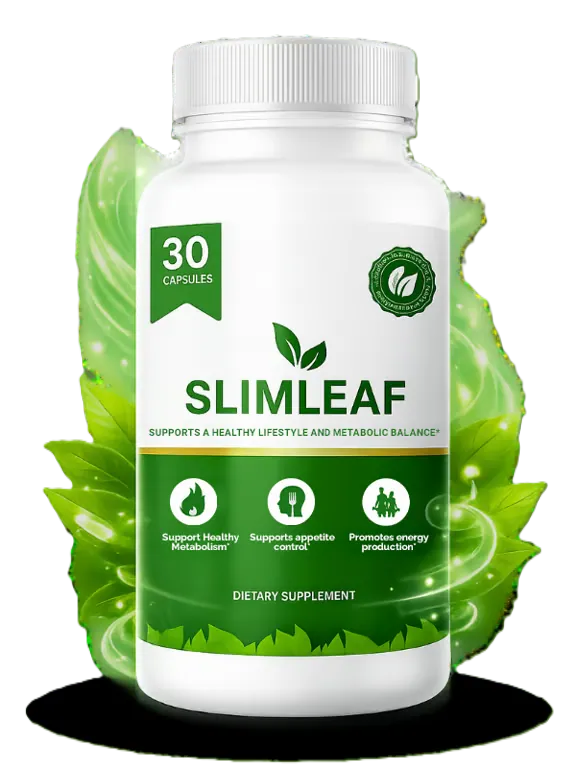
SlimLeaf
Best for actually getting Akkermansia to coloniseThe one live formula carrying Akkermansia muciniphila — paired with chicory inulin and resistant starch, which is what decides whether a fragile strain survives the trip.
Check the Latest Price →The foundation, regardless of mechanism: recalculate calories for your new weight, add strength training, hit protein targets, and protect sleep. Supplements support the insulin and hunger-hormone layers — the lifestyle adjustments address adaptation and muscle. Together they break most plateaus within 2–4 weeks.
FAQs
Why does weight loss stall after a few weeks?
Five mechanisms converge, usually around week 4–8. Metabolic adaptation (your body burns fewer calories as you lose weight). Muscle loss (lowering metabolism further). Hormonal shifts (leptin drops, ghrelin rises, making you hungrier). Water retention masking fat loss. And insulin/glycogen changes. The plateau isn't a sign you're doing something wrong — it's a predictable biological response to weight loss that requires adjusting your approach.
How long does a weight loss plateau last?
A genuine plateau (no change for 3+ weeks despite consistent effort) typically lasts 2–6 weeks if you don't change anything. With the right adjustments — recalculating calories for your new weight, adding strength training, prioritizing protein, managing the hormonal side — most people break through within 2–4 weeks. If a plateau persists beyond 6–8 weeks despite changes, it's worth evaluating thyroid, medications, or other factors with a doctor.
How do I break a weight loss plateau?
Address the specific mechanism causing it. Recalculate your calorie needs (you need fewer at your new, lower weight). Add or intensify strength training (preserves the muscle that's keeping your metabolism up). Increase protein (satiety + muscle). Manage the hunger hormones (the leptin drop and ghrelin rise are real — natural GLP-1 support can help). And check for water retention (a 'whoosh' often follows a stress/sodium normalization). Don't just slash calories further — that accelerates muscle loss and worsens the adaptation.
Is a weight loss plateau a sign of metabolic damage?
No — 'metabolic damage' is largely a myth. What's happening is metabolic adaptation (adaptive thermogenesis), which is reversible and normal. As you lose weight, your body requires fewer calories and becomes more efficient. This isn't damage; it's your metabolism correctly adjusting to a smaller body. The fix is adjusting your inputs to match your new size, not 'repairing' a broken metabolism. Crash dieting can worsen adaptation, but it doesn't permanently break anything.
Should I eat more to break a plateau?
Sometimes — counterintuitively, a brief 'diet break' at maintenance calories can help reset the hormonal adaptation (leptin especially) that's driving a plateau, and reduce the muscle loss that aggressive restriction causes. This isn't license to overeat indefinitely — it's a strategic 1–2 week break at maintenance before resuming a moderate deficit. It works best for people who've been in a long, aggressive deficit. For most plateaus, recalculating calories + adding strength training + protein is the first move.
Final Thoughts
The week-6 plateau isn't failure and it isn't permanent. It's five biological mechanisms — metabolic adaptation, muscle loss, hunger hormones, water retention, and insulin shifts — doing exactly what evolution designed them to do: defend against weight loss. The plateau is your body succeeding at that defense.
Breaking through means countering the specific mechanism: recalculate calories for adaptation, strength-train for muscle, manage protein and sleep for the hunger hormones, trust the process for water, and support insulin sensitivity for the metabolic layer. Don't just cut calories harder — that deepens the very mechanisms causing the stall. Adjust smartly, and the loss restarts.
This connects directly to why metabolism slows after 40 and what actually works for belly fat after 40.
Recommended Products
Reviewed by: The Supplement Post Editorial Team, Editorial Review — Last updated:
About Luciano Cesar
Luciano Cesar is a contributor at The Supplement Post, supporting the production of evidence-aware supplement reviews and buyer's guides across multiple health categories. His work spans ingredient analysis, formulation assessment and consumer-oriented summaries — what a label discloses, how the stated doses compare with the amounts used in published human research, and whether a formula's design matches what it claims to do. Every review is checked by The Supplement Post editorial team against the standards published in our editorial policy before it goes live.
Disclosure
All content on The Supplement Post is for informational purposes only and is not a substitute for professional medical advice, diagnosis, or treatment. Each product is a dietary supplement, not a prescription drug; statements about its benefits have not been evaluated by the U.S. Food and Drug Administration (FDA) and the product is not intended to diagnose, treat, cure, or prevent any disease.
Results may vary based on individual health status, consistency of use, and lifestyle. If you are pregnant or nursing, taking medication, or have a medical condition, consult a qualified healthcare professional before using any supplement.
This page may contain affiliate links—if you purchase through them, The Supplement Post may earn a small commission at no additional cost to you. References to third-party sites are provided for convenience; we do not control or guarantee their content.