
Ozempic Teeth: What's Really Behind the Side Effect Nobody Was Warned About
The search "ozempic teeth" exploded by 950% in 2026 — and dentists are now flagging a recognizable pattern in long-term GLP-1 users. It's not the drug attacking your enamel directly. It's a cascade of three side effects that quietly destroys your mouth over months. Here's what's actually happening — and how to prevent it (or skip it entirely).

The dry mouth, the vomiting cycle, and the saliva loss that quietly damage teeth on long-term Ozempic.
In this guide:
You probably noticed it before you knew what it was — a mouth that feels drier than it used to, a tongue sticking slightly to the roof of your mouth, breath that doesn't quite refresh with brushing. By the time most Ozempic users connect the dots between the drug and their changing dental health, they're already 4–6 months in, and the damage has started compounding.
"Ozempic teeth" isn't an official medical term — it's the phrase that caught fire on TikTok and Reddit in late 2025 as dentists started publicly flagging a pattern. The search trend tells the story: a 950% increase in 2026, with dentists reporting they now routinely ask new patients about GLP-1 use during intake.
What "Ozempic Teeth" Actually Refers To
The honest version, in 40 seconds
"Ozempic teeth" describes a cluster of dental problems — cavities, enamel erosion, gum disease, tooth sensitivity — that develops in some long-term Ozempic users. The drug doesn't attack teeth directly. Three side effects combine to do the damage: chronic dry mouth, periodic vomiting (stomach acid contacts enamel), and reduced eating (less saliva stimulation, disrupted oral flora). The result is accelerated decay over 6+ months of use.
Specifically, dentists are seeing four recurring patterns in long-term Ozempic users:
- Increased cavity rate — particularly at the gum line and between teeth, where dry-mouth bacteria thrive
- Enamel erosion — especially on the back surfaces of front teeth and the chewing surfaces of molars (acid exposure pattern)
- Gum recession and inflammation — gums pulling back from teeth, bleeding more easily
- Increased tooth sensitivity — particularly to cold and sweet, indicating enamel thinning
None of these are unique to Ozempic users — they're standard dental problems. What's distinct is the speed at which they develop and the recognizable combination of all four in someone who previously had stable dental health.
Why It Happens (The 3-Side-Effect Cascade)
The damage isn't caused by the drug touching your teeth. It's caused by three documented Ozempic side effects converging in the mouth:
1. Chronic dry mouth (xerostomia). Ozempic slows gastric emptying as part of its appetite-suppression mechanism. A side effect of this slowed digestion is reduced saliva production — sometimes dramatically. Saliva is your mouth's main defense system: it buffers acid, washes away food particles, contains antimicrobial enzymes, and remineralizes early enamel damage. Less saliva = less defense.
2. Periodic nausea and vomiting. The most common Ozempic side effects. Stomach acid is around pH 1.5–3.5 — far more acidic than soda. Every vomiting episode coats your enamel with acid that, over time, dissolves the mineral surface. The damage accumulates with each episode, particularly if you brush immediately after (which scrubs softened enamel).
3. Reduced eating and disrupted oral flora. Eating stimulates saliva flow and feeds the bacteria that maintain healthy oral pH. Eating significantly less (the whole point of Ozempic) means less saliva stimulation and a shifted microbiome. The bacterial species that thrive in a drier, less-fed mouth tend to be the ones that produce more acid and cause more decay.
Each factor alone is manageable. Combined and sustained over 6–12 months, they produce the pattern dentists now recognize on sight.
The Warning Signs Most Users Miss
The early signs are subtle and easy to attribute to other causes. Most users don't connect them to the drug until damage is visible. Watch for:
- Persistent dry mouth — needing water constantly, waking up with a parched mouth, feeling like your tongue is sticking
- Bad breath that doesn't respond to brushing — dry mouth lets odor-producing bacteria multiply
- Increased tooth sensitivity — particularly to cold drinks or sweet foods
- Mouth ulcers or cracked corners of the mouth — saliva deficiency markers
- Gums bleeding more during flossing — early gingivitis
- Yellowing or thinning teeth — visible enamel erosion (later-stage)
If you're on Ozempic and noticing 2+ of these, it's time to talk to your dentist explicitly about your GLP-1 use and start a prevention protocol.
The Cascade, and Where It Can Be Broken
The drug never touches your teeth. Three side effects converge in the mouth:
Early cavities can be halted with fluoride; enamel that is gone is gone. That is why the protocol is preventive rather than corrective.
How to Prevent Ozempic Teeth (Dentist-Approved Protocol)
Prevention is possible but requires deliberate effort. The protocol most dentists now recommend for GLP-1 users:
- Aggressive hydration. Sip water throughout the day, not just at meals. Goal: keep your mouth wet at all times. Cold water is more stimulating to saliva than room-temp.
- Sugar-free gum with xylitol. Chewing stimulates saliva production. Xylitol specifically reduces decay-causing bacteria. 2–4 pieces daily, ideally after meals.
- Fluoride toothpaste + prescription fluoride rinse. Standard toothpaste isn't enough. Ask your dentist for a prescription-strength fluoride rinse like ACT or PreviDent — daily use, particularly at bedtime.
- NEVER brush immediately after vomiting. Acid softens enamel; brushing scrubs softened enamel away. Rinse mouth with water or baking-soda solution, wait 30 minutes, then brush gently.
- Dental visits every 3 months during your Ozempic course, not the standard 6 months. Catch early changes before they become permanent.
- Saliva-stimulating products. Biotene, Oasis, or Salivahealth — oral sprays or rinses designed for dry-mouth patients. Particularly useful at bedtime.
- Limit acidic foods and drinks. Coffee, citrus, vinegar dressings, sodas — all add acid load on top of the dry-mouth + vomiting cascade.
Can It Be Reversed?
Partially. The picture is nuanced:
Dry mouth and gum inflammation: reversible. Both typically resolve within weeks of stopping the drug, or improve significantly with the dental protocol above while staying on Ozempic.
Early-stage cavities: stoppable with fluoride and protocol changes, sometimes reversible at the very earliest stage. Once a cavity forms a hole, it needs filling — but the progression can be halted.
Enamel erosion: permanent. Enamel doesn't regrow. Lost enamel stays lost. This is why early intervention matters so much — the goal isn't reversal, it's halting further damage.
Gum recession: partially reversible if caught early (gums can re-attach with deep cleaning). Severe recession may require grafting.
The Natural Alternative That Skips the Cascade
The honest reality: Ozempic teeth is a side-effect cascade — and the simplest way to avoid it entirely is to not trigger the cascade in the first place.
Natural GLP-1 supplements support your body's own GLP-1 production instead of suppressing your appetite with pharmaceutical force. They don't cause the chronic dry mouth, periodic vomiting, or reduced eating that drive the dental cascade. Weight loss magnitude is lower (4–8% over 6 months vs Ozempic's 15%) — but for people without a clinical indication for prescription GLP-1, that gentler trajectory often comes out ahead when dental risk is on the table.
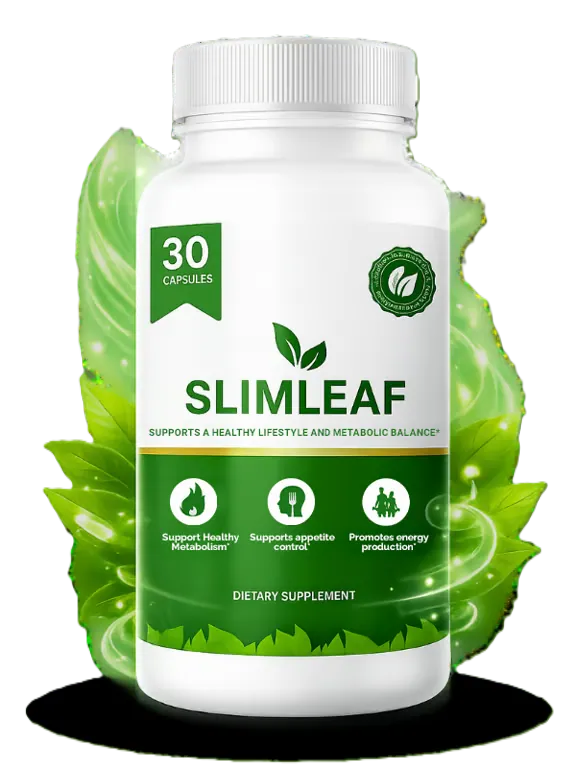
SlimLeaf
Best for actually getting Akkermansia to coloniseThe one live formula carrying Akkermansia muciniphila — paired with chicory inulin and resistant starch, which is what decides whether a fragile strain survives the trip.
- 3,500+ verified buyers
- 60-day money-back guarantee
Current pricing and bundle options are shown on the official site.
SlimLeaf is built around Akkermansia muciniphila and the P9 protein — the bacterial pathway that triggers your own GLP-1 release naturally. Same biology Ozempic engages pharmaceutically, without the dry mouth and vomiting that drive Ozempic teeth.
If your dominant concern is the broader gut and microbiome side effects of Ozempic (constipation, dysbiosis), a multi-strain probiotic addresses that layer:
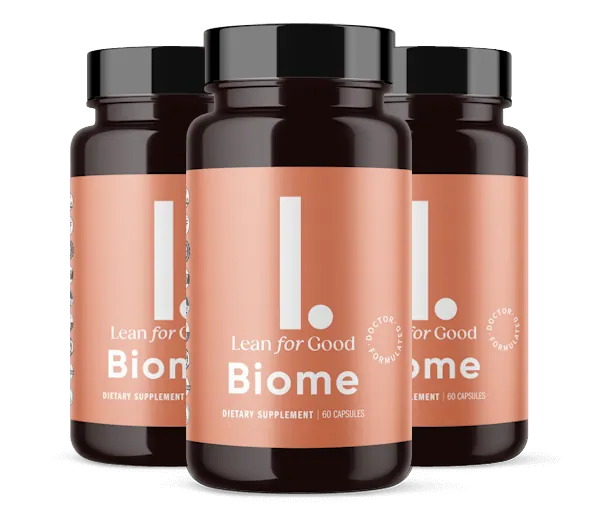
LeanBiome
Best multi-strain probiotic for belly fatA 9-strain probiotic capsule anchored by L. Gasseri + L. Rhamnosus — for people whose belly fat won't move and suspect the gut microbiome is part of the story.
Check the Latest Price →FAQs
What is Ozempic teeth?
'Ozempic teeth' is the informal name for dental damage that some long-term Ozempic users develop — including cavities, enamel erosion, gum disease, and increased tooth sensitivity. It's not a direct effect of the drug on teeth. It's a downstream consequence of three Ozempic side effects: chronic dry mouth (xerostomia), recurrent nausea/vomiting that brings stomach acid in contact with enamel, and the reduced eating that disrupts normal oral flora and saliva production.
Why does Ozempic cause dry mouth and tooth problems?
Ozempic slows gastric emptying, which can suppress saliva production and trigger dry mouth in many users. Saliva is the mouth's primary defense against decay — it buffers acid, washes away food particles, and contains antimicrobial compounds. Less saliva means more decay risk. Add the periodic vomiting that Ozempic causes (stomach acid contacts enamel), and you have a perfect storm for accelerated dental damage over 6+ months of use.
Can I prevent Ozempic teeth?
Yes, with proactive dental care. The protocol most dentists recommend: aggressive hydration (sipping water throughout the day, not just at meals), sugar-free gum with xylitol to stimulate saliva, fluoride toothpaste and prescription-strength fluoride rinse, NOT brushing immediately after vomiting (acid softens enamel — wait 30 minutes), dental visits every 3 months instead of 6 during your Ozempic course, and consider a saliva-stimulating mouth spray. The damage is preventable but only with deliberate effort.
Is Ozempic teeth permanent?
Enamel erosion is permanent — enamel doesn't regrow. But cavities can be filled, gum disease can be reversed if caught early, and dry mouth typically resolves within weeks of stopping the drug. The earlier you catch the changes and act on them, the better the long-term dental outcome. Many dentists are now asking new patients explicitly about GLP-1 use because the pattern has become so recognizable.
What's the natural alternative that doesn't cause Ozempic teeth?
Natural GLP-1 supplements — supplements that support your body's own GLP-1 production rather than replacing it — don't cause the dry mouth or vomiting cascade that drives Ozempic teeth. Akkermansia muciniphila-based supplements (like SlimLeaf) work on the same biological pathway but at gentler magnitude, without the GI side effects that damage teeth. The trade-off is less dramatic weight loss — but no dental risk.
Final Thoughts
Ozempic teeth is the kind of side effect that gets discovered late. The drug doesn't attack your mouth — but three of its most common side effects, sustained over months, do. The damage is preventable with deliberate dental care, but it requires more effort than most users realize, and the enamel erosion specifically is permanent once it happens.
If you're on Ozempic, start the prevention protocol now — not after symptoms appear. If you're considering Ozempic and dental health is a concern, the natural GLP-1 alternative path (SlimLeaf or related supplements) avoids the entire side-effect cascade by working with your own biology rather than against it. The trade-off is real — lower magnitude of weight loss — but so is the dental cost of the pharmaceutical route.
And if you're already seeing changes — talk to your dentist explicitly about your GLP-1 use. The earlier the conversation, the more the protocol can hold.
If this is your pattern, read what happens after you stop Ozempic and whether Ozempic costs you muscle next.
Recommended Products
Reviewed by: The Supplement Post Editorial Team, Editorial Review — Last updated:
About Luciano Cesar
Luciano Cesar is a contributor at The Supplement Post, supporting the production of evidence-aware supplement reviews and buyer's guides across multiple health categories. His work spans ingredient analysis, formulation assessment and consumer-oriented summaries — what a label discloses, how the stated doses compare with the amounts used in published human research, and whether a formula's design matches what it claims to do. Every review is checked by The Supplement Post editorial team against the standards published in our editorial policy before it goes live.
Disclosure
All content on The Supplement Post is for informational purposes only and is not a substitute for professional medical advice, diagnosis, or treatment. Each product is a dietary supplement, not a prescription drug; statements about its benefits have not been evaluated by the U.S. Food and Drug Administration (FDA) and the product is not intended to diagnose, treat, cure, or prevent any disease.
Results may vary based on individual health status, consistency of use, and lifestyle. If you are pregnant or nursing, taking medication, or have a medical condition, consult a qualified healthcare professional before using any supplement.
This page may contain affiliate links—if you purchase through them, The Supplement Post may earn a small commission at no additional cost to you. References to third-party sites are provided for convenience; we do not control or guarantee their content.