
Ozempic Breath: The Metabolic Side Effect Hiding in Plain Sight
"Ozempic breath" searches jumped 450% in 2026 as long-term users started noticing a distinct odor — metallic, fruity, sweet, or sulfuric — that wasn't there before. It's not just dry mouth. Three biological mechanisms combine, and understanding them is the difference between managing it and ignoring it.

The ketone production, dry mouth, and slowed digestion that combine to produce the distinctive Ozempic breath profile.
In this guide:
You probably noticed it first as a metallic taste in the mornings — a sweet undertone that mouthwash didn't quite touch. Then someone got a little too close in conversation and the look on their face confirmed it. Ozempic breath is a side effect that nobody warns you about, but everyone notices on you.
The search trend caught up in 2026: a 450% jump in "ozempic breath" queries as users started actively researching what was happening. It's not just bad breath. It's a specific odor pattern caused by three converging mechanisms — and the management requires understanding each one.
What "Ozempic Breath" Actually Smells Like
The honest version, in 40 seconds
Ozempic breath has a distinctive profile that combines: metallic/fruity notes (from ketone production during rapid fat burning), sulfuric undertones (from dry-mouth bacteria producing volatile sulfur compounds), and fermented or sour notes (from slowed gastric emptying changing digestion-related odors). It's not standard bad breath — it's a specific cluster that develops 4–8 weeks into treatment and persists as long as you're on the drug.
Users describe Ozempic breath with three distinct profiles, often overlapping:
- Sweet/fruity — like nail polish remover or overripe fruit. This is the ketone signature, particularly acetone.
- Metallic — a faint copper or iron taste/smell, often most noticeable in the morning. Often combined with the sweet note.
- Sulfuric or sour — like rotten eggs or stagnant water. This is the dry-mouth bacteria signature.
Different users have different dominant notes depending on how aggressively they're losing weight (more loss = more ketones), how severe their dry mouth is, and their gut microbiome composition.
The 3 Mechanisms Behind the Odor
1. Ketone production (the fruity/metallic note). When the body burns fat rapidly — which is what Ozempic forces — it produces ketones. The main ones are beta-hydroxybutyrate, acetoacetate, and acetone. Acetone is volatile, which means it's exhaled directly through the lungs. The sweet/fruity smell of nail polish remover is acetone — and during aggressive weight loss, you're exhaling small amounts of it constantly.
2. Dry mouth + bacterial overgrowth (the sulfuric note). Ozempic suppresses saliva production in many users. Saliva normally washes away food particles and contains antimicrobial enzymes. Without it, anaerobic bacteria thrive — particularly on the back of the tongue. These bacteria produce volatile sulfur compounds (hydrogen sulfide, methyl mercaptan, dimethyl sulfide) that smell like rotten eggs and stagnant water.
3. Slowed gastric emptying (the fermented note). Ozempic's primary mechanism is slowing how fast food leaves the stomach. This is intentional — it produces fullness and reduces appetite. The side effect: food sits longer in the stomach, where bacterial fermentation produces volatile organic compounds (VOCs) that can rise back up the esophagus and contribute to breath odor. This is particularly noticeable in the morning if you ate later than usual.
Each mechanism alone would produce mild breath changes. All three sustained over months produces the specific Ozempic breath profile.
When It Appears (and When It Peaks)
Typical timeline for Ozempic breath:
Weeks 1–4: Usually absent or very mild. Weight loss hasn't ramped up enough for significant ketone production, dry mouth is still mild.
Weeks 4–8: Onset window. As weight loss accelerates and dry mouth becomes more pronounced, the breath shift becomes noticeable — often first to the user, then to people they're close to.
Months 2–6: Peak intensity. This is the rapid weight loss phase, when ketone production is highest, dry mouth is most severe, and the cumulative effect is most pronounced.
Months 6+: Often plateaus or slightly decreases as weight loss slows and the body adapts. But it doesn't fully resolve as long as you're on the drug.
Dose increases: Each dose escalation tends to temporarily worsen the breath as the body re-adjusts. The 1.0 mg and 2.0 mg escalation steps are typically when users notice the most.
Where Each Note in the Smell Comes From
Three separate mechanisms, layered — which is why one fix never covers it:
Timeline: usually absent in weeks 1–4, onset between weeks 4 and 8, and back to baseline within 2–4 weeks of stopping.
How to Manage It (5-Part Protocol)
You can't eliminate Ozempic breath entirely while on the drug, but you can reduce it significantly with deliberate effort:
- 1. Aggressive hydration. Sip water throughout the day, not just at meals. Goal: keep saliva flowing constantly. Lemon water (in moderation — too acidic for teeth long-term) can help stimulate saliva. Cold water is more saliva-stimulating than warm.
- 2. Sugar-free gum with xylitol. 2–4 pieces daily, especially after meals and 30 minutes after waking up. Chewing stimulates saliva; xylitol specifically reduces odor-causing bacteria.
- 3. Tongue scraping daily. The back third of your tongue harbors most of the odor-producing bacteria. Standard plastic or copper tongue scrapers used every morning produce dramatic reductions in sulfur-compound breath odor.
- 4. Alcohol-free mouthwash. Alcohol-based mouthwashes dry the mouth further — counterproductive on Ozempic. Look for alcohol-free formulas designed for dry mouth (Biotene, ACT Dry Mouth, TheraBreath).
- 5. Eat regularly even when not hungry. Eating stimulates saliva production and helps digest food before fermentation produces volatile odors. Three meals + a small snack — even small portions — helps far more than fasting through the appetite suppression.
If the breath remains severe despite this protocol, talk to your doctor about adjusting dose or temporarily stepping down. Breath is often most pronounced at higher doses.
When It Goes Away
If you stop Ozempic: breath typically resolves within 2–4 weeks. Ketone production stops as soon as rapid weight loss stops. Dry mouth resolves within weeks. Gastric emptying normalizes within days. The breath returns to baseline.
If you reduce the dose: often improves significantly within 2–4 weeks of stepping down. The slower weight loss produces fewer ketones; the milder appetite suppression allows more food intake (which stimulates saliva).
If you transition to a natural alternative: the breath usually doesn't develop in the first place. Natural GLP-1 supplements don't trigger the same magnitude of ketone production (slower weight loss), don't suppress saliva the same way (gentler gastric effect), and don't dramatically slow gastric emptying.
The Natural Alternative That Doesn't Trigger It
Ozempic breath is fundamentally a downstream effect of how aggressively the drug forces weight loss. Slower, gentler weight loss — the kind natural alternatives produce — doesn't trigger the same ketone-dry-mouth-slow-digestion cascade.
Natural GLP-1 supplements support your body's own GLP-1 production through gut bacteria (Akkermansia muciniphila) or plant compounds (Berberine via AMPK). The weight loss is slower (4–8% over 6 months vs Ozempic's 15%) but the side-effect profile is dramatically gentler — including no breath change.
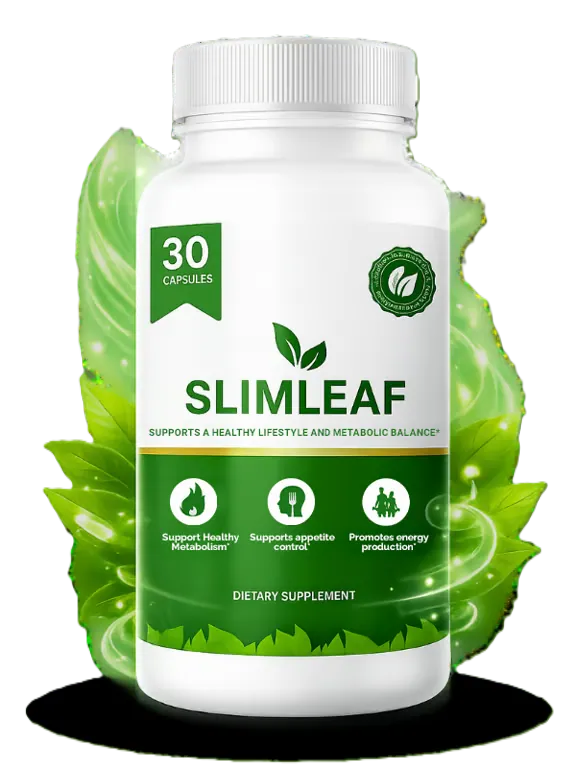
SlimLeaf
Best for actually getting Akkermansia to coloniseThe one live formula carrying Akkermansia muciniphila — paired with chicory inulin and resistant starch, which is what decides whether a fragile strain survives the trip.
- 3,500+ verified buyers
- 60-day money-back guarantee
Current pricing and bundle options are shown on the official site.
SlimLeaf supports your body's own GLP-1 production through Akkermansia muciniphila and the P9 protein. Same biological pathway as Ozempic, without the ketone overproduction, dry mouth, and slowed digestion that drive Ozempic breath.
If gut health is also a concern (Ozempic disrupts microbiome, constipation common), a multi-strain probiotic addresses that layer directly:

LeanBiome
Best multi-strain probiotic for belly fatA 9-strain probiotic capsule anchored by L. Gasseri + L. Rhamnosus — for people whose belly fat won't move and suspect the gut microbiome is part of the story.
Check the Latest Price →FAQs
What is Ozempic breath?
'Ozempic breath' is the informal name for a distinct odor that develops on long-term Ozempic users — typically described as metallic, fruity, sulfuric, or sweet. It's caused by a combination of three factors: ketone production from the rapid weight loss (similar to keto-breath), chronic dry mouth allowing odor-producing bacteria to thrive, and slowed gastric emptying that affects digestion-related odors. It usually appears 4–8 weeks into treatment.
Is Ozempic breath the same as keto breath?
Partially. Ketone breath is one of three contributors. When the body burns fat rapidly (which is what Ozempic forces), it produces ketones — including acetone, which has a sweet/fruity smell that's exhaled. Combined with dry mouth (allowing anaerobic bacteria to produce sulfur compounds) and altered digestion (changing volatile organic compounds released into the gut and breath), the result is a more complex odor profile than pure keto breath.
Why does Ozempic cause bad breath?
Three mechanisms combine. First, ketone production — rapid fat burning releases acetone in the breath (the fruity/metallic note). Second, dry mouth — Ozempic suppresses saliva production, and saliva normally washes away odor-causing bacteria. Without it, bacteria proliferate and produce volatile sulfur compounds. Third, slowed gastric emptying — food sits in the stomach longer, fermentation produces unusual breath odors that wouldn't normally surface.
How do I get rid of Ozempic breath?
Five strategies work in combination. First, aggressive hydration — sipping water continuously throughout the day to keep saliva flowing. Second, sugar-free gum with xylitol stimulates saliva and reduces odor-causing bacteria. Third, alcohol-free mouthwash (alcohol dries the mouth further) and tongue scraping daily. Fourth, breath-mints designed for chronic dry mouth (Biotene, Salivahealth). Fifth, eat regularly even when not hungry — eating stimulates saliva and helps digest food before it ferments. If the breath is persistent, talk to your doctor about dose adjustment.
When does Ozempic breath go away?
It typically resolves within 2–4 weeks of stopping the drug. Sometimes it improves on lower doses while staying on the drug. If you're maintaining Ozempic long-term, the dental hygiene and hydration protocol above usually keeps it manageable rather than eliminating it entirely. Some users find it more pronounced at certain dose levels — particularly when the dose is being increased.
Final Thoughts
Ozempic breath is one of those side effects that doesn't get the attention of Ozempic face or Ozempic teeth — but it shows up reliably, and it affects daily life in subtle ways that compound over months. The ketone signature, the dry-mouth bacteria, and the slowed digestion each contribute, and managing it requires addressing all three.
If you're on Ozempic, the 5-part protocol above keeps it manageable. If you're considering Ozempic, breath is one of several less-discussed side effects worth weighing. And if you're looking for the gentler natural path that doesn't trigger the cascade, the natural GLP-1 supplement route (SlimLeaf, Ignitra) delivers slower weight loss without the breath signature.
And if breath has become severe — particularly with the sulfuric rotten-egg note — talk to your dentist. That specific profile can indicate gum disease that's compounding the Ozempic dry-mouth effect, and it's treatable.
This connects directly to what happens after you stop Ozempic and whether Ozempic costs you muscle.
Recommended Products
Reviewed by: The Supplement Post Editorial Team, Editorial Review — Last updated:
About Luciano Cesar
Luciano Cesar is a contributor at The Supplement Post, supporting the production of evidence-aware supplement reviews and buyer's guides across multiple health categories. His work spans ingredient analysis, formulation assessment and consumer-oriented summaries — what a label discloses, how the stated doses compare with the amounts used in published human research, and whether a formula's design matches what it claims to do. Every review is checked by The Supplement Post editorial team against the standards published in our editorial policy before it goes live.
Disclosure
All content on The Supplement Post is for informational purposes only and is not a substitute for professional medical advice, diagnosis, or treatment. Each product is a dietary supplement, not a prescription drug; statements about its benefits have not been evaluated by the U.S. Food and Drug Administration (FDA) and the product is not intended to diagnose, treat, cure, or prevent any disease.
Results may vary based on individual health status, consistency of use, and lifestyle. If you are pregnant or nursing, taking medication, or have a medical condition, consult a qualified healthcare professional before using any supplement.
This page may contain affiliate links—if you purchase through them, The Supplement Post may earn a small commission at no additional cost to you. References to third-party sites are provided for convenience; we do not control or guarantee their content.