
Resveratrol and the Mitochondrial Fat-Burning Pathway: How the Red-Wine Compound Works
Resveratrol — the compound that made red wine famous — does something genuinely interesting for metabolism: it activates SIRT1 and AMPK, the same cellular pathways that exercise and calorie restriction trigger. Here's how it supports mitochondrial fat-burning, what the human evidence really shows, and the absorption catch.

The polyphenol that activates SIRT1 and the mitochondrial pathways exercise triggers.
In this guide:
Resveratrol became famous as the explanation for the "French paradox" — the puzzle of why people who drink red wine and eat rich food seemed to have lower heart disease rates. The wine connection oversold it (you'd need to drink impossible quantities for the dose), but it put a genuinely interesting compound on the map. What makes resveratrol relevant to weight isn't the wine story — it's the mitochondria.
Resveratrol activates the same cellular pathways as exercise and calorie restriction, which is why it's studied as a metabolic and longevity compound. Here's the honest picture of what it does and doesn't deliver.
What Resveratrol Is
The honest version, in 40 seconds
Resveratrol is a polyphenol from grape skins, red wine, and Japanese Knotweed (the main supplement source). It activates SIRT1 and AMPK — the same pathways exercise and calorie restriction trigger — promoting mitochondrial biogenesis and fat oxidation. Human evidence is strongest for metabolic markers (insulin sensitivity, inflammation), modest for direct weight loss. The big catch: poor absorption, which is why form and dose matter.
Resveratrol is a polyphenol — a plant defense compound — found in grape skins, red wine, peanuts, and berries. The richest practical source for supplements is Japanese Knotweed (Polygonum cuspidatum), which is why you'll often see "Japanese Knotweed (98% Resveratrol)" on labels.
The active form is trans-resveratrol — the biologically useful isomer. Quality supplements specify trans-resveratrol content, because that's the form the research is built on.
The Mitochondrial Mechanism (SIRT1 + AMPK)
Here's what makes resveratrol metabolically interesting. It activates two key cellular energy regulators:
SIRT1 is an enzyme associated with longevity and metabolic health. When activated, it triggers PGC-1-alpha — the master switch for mitochondrial biogenesis (making new mitochondria). Since mitochondria are the cellular furnaces where fat is actually burned for energy, more (and more efficient) mitochondria means greater fat-oxidation capacity.
AMPK — the same energy-sensing enzyme that Berberine activates — shifts cells toward burning stored energy rather than storing it, and improves insulin sensitivity.
Together, SIRT1 and AMPK activation push your cells toward a more energy-efficient, fat-burning state — with better mitochondrial function as the foundation. This is the mechanistic basis for resveratrol's metabolic benefits, particularly relevant for the declining mitochondrial function that comes with age.
The "Calorie Restriction Mimetic" Idea
Resveratrol is sometimes called a "calorie restriction mimetic" — a compound that activates some of the same beneficial pathways as eating significantly less, without actually cutting calories as drastically.
Calorie restriction is one of the most robustly documented interventions for metabolic health and longevity in animal research — it activates SIRT1 and AMPK, improves insulin sensitivity, and enhances mitochondrial function. Resveratrol activates overlapping pathways, which is why researchers got excited about it as a way to capture some calorie-restriction benefits more easily.
The honest caveat: "mimetic" overstates it. Resveratrol activates some of the same pathways but doesn't replicate the full effect of genuine calorie restriction. It's a partial overlap, not a substitute for the metabolic benefits of an actual caloric deficit. But the mechanism is real and the direction is favorable.
What the Human Evidence Shows
Human results are more modest than the exciting animal data — partly because of the absorption problem (below). The honest breakdown:
- Insulin sensitivity / blood sugar (moderate evidence). Several trials show improvements, especially in people with type 2 diabetes or metabolic syndrome.
- Inflammation (moderate evidence). Resveratrol reduces inflammatory markers in multiple studies — relevant since chronic inflammation drives metabolic dysfunction.
- Direct weight loss (weak/modest evidence). Results are inconsistent. Some studies show small effects; others are null. It's not a standalone weight-loss agent.
- Mitochondrial markers (good mechanistic evidence). Studies show improved mitochondrial function and the SIRT1/PGC-1-alpha activation predicted by the mechanism.
The throughline: resveratrol's strongest case is metabolic health and mitochondrial support, not dramatic weight loss. It's a foundational metabolic compound that complements fat-loss efforts rather than driving them.
The Absorption Catch
Resveratrol's biggest limitation is poor bioavailability. It's rapidly metabolized by the gut and liver, so very little of an oral dose reaches the bloodstream intact. This is a major reason human results have lagged behind the dramatic animal studies (which often used very high doses or different delivery methods).
Two things improve the effective dose: standardized high-potency sources (Japanese Knotweed at 98% resveratrol delivers more active compound), and combination with piperine (black pepper extract), which slows the breakdown of resveratrol and increases its bioavailability significantly.
This is why resveratrol works best in a well-formulated stack — one that uses a potent standardized source and pairs it with absorption enhancers, rather than a cheap low-potency extract taken alone.
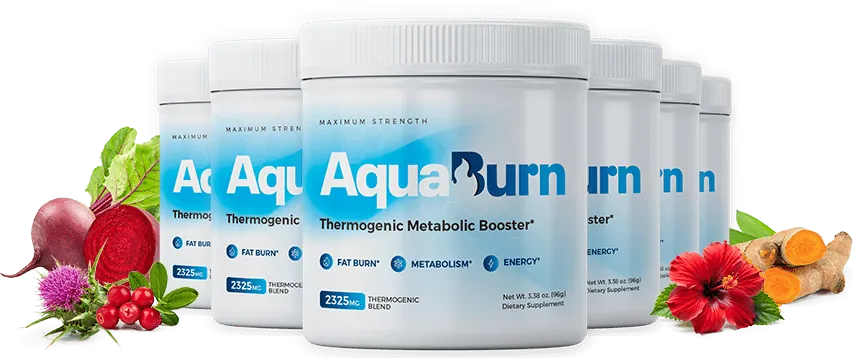
AquaBurn
Best for stubborn belly fat after 40A polyphenol + thermogenic powder targeting brown fat activation via the irisin pathway — for adults past 40 fighting visceral fat that won't budge.
- 6,800+ verified buyers
- 180-day money-back guarantee
Current pricing and bundle options are shown on the official site.
AquaBurn uses Japanese Knotweed standardized to 98% Resveratrol, paired with Piperine (95%) for absorption and Fucoxanthin for complementary brown-fat activation — a thoughtfully-built mitochondrial and thermogenic stack. For the powder format with resveratrol in a broader polyphenol matrix:
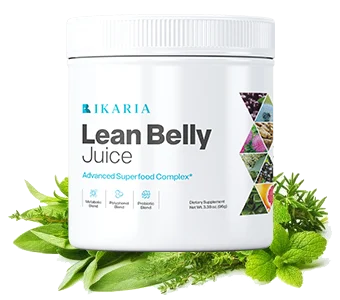
Ikaria Juice
Best polyphenol + 9-strain probiotic powderA morning polyphenol + 9-strain probiotic powder — for people tired of one-more-capsule-bottle who want a 30-second ritual that actually works.
Check the Latest Price →FAQs
What does resveratrol do for weight loss?
Resveratrol activates SIRT1 and AMPK — cellular pathways that are also triggered by exercise and calorie restriction. This promotes mitochondrial biogenesis (making more energy-producing mitochondria), enhances fat oxidation, and improves insulin sensitivity. It's sometimes called a 'calorie restriction mimetic' because it activates some of the same beneficial pathways as eating less. The weight effect is modest, with the strongest benefits in metabolic markers rather than dramatic fat loss.
How does resveratrol affect mitochondria?
Resveratrol activates SIRT1 (a longevity-associated enzyme), which in turn activates PGC-1-alpha — the master regulator of mitochondrial biogenesis. The result is more mitochondria and more efficient ones. Since mitochondria are where fat is actually burned for energy, having more functional mitochondria means greater fat-oxidation capacity. This is the mechanistic basis for resveratrol's metabolic benefits, well-documented in cell and animal studies.
What does the human research on resveratrol show?
Human evidence is mixed but leans positive for metabolic markers. Studies show improvements in insulin sensitivity, blood sugar, and inflammatory markers — particularly in people with metabolic syndrome or type 2 diabetes. Direct weight loss effects are modest and inconsistent across trials. The strongest case for resveratrol is metabolic health and the mitochondrial/fat-oxidation support, not dramatic weight loss on its own.
Why is resveratrol hard to absorb?
Resveratrol has poor bioavailability — it's rapidly metabolized by the liver and gut, so very little of an oral dose reaches the bloodstream intact. This is a major reason human results have been less impressive than animal studies (which often used high doses or different delivery). Forms standardized from Japanese Knotweed (a rich resveratrol source) and combinations with piperine (which slows metabolism of the compound) help improve the effective dose.
How much resveratrol should I take?
Studies use a wide range, from 150 mg to over 1,000 mg daily. For metabolic benefits, 150–500 mg of trans-resveratrol (the active form) daily is a reasonable target. Because absorption is poor, the form matters — look for trans-resveratrol standardized from Japanese Knotweed, ideally paired with piperine (black pepper extract) to improve uptake. It's commonly included in polyphenol-based weight formulas at these doses.
Final Thoughts
Resveratrol is a genuinely interesting metabolic compound — not because of the red wine mythology, but because it activates SIRT1 and AMPK, the same pathways exercise and calorie restriction trigger, supporting mitochondrial fat-burning at the cellular level. For the age-related decline in mitochondrial function that drives so much midlife weight gain, that mechanism is directly relevant.
Set expectations correctly: resveratrol's strongest evidence is for metabolic health and mitochondrial support, not dramatic standalone weight loss. And mind the absorption — a potent standardized source (Japanese Knotweed) paired with piperine makes the difference between a usable dose and a wasted one. As a foundational compound in a polyphenol stack, it earns its place.
If this is your pattern, read our AquaBurn review and our Ikaria Juice review next.
Recommended Products
Reviewed by: The Supplement Post Editorial Team, Editorial Review — Last updated:
About Luciano Cesar
Luciano Cesar is a contributor at The Supplement Post, supporting the production of evidence-aware supplement reviews and buyer's guides across multiple health categories. His work spans ingredient analysis, formulation assessment and consumer-oriented summaries — what a label discloses, how the stated doses compare with the amounts used in published human research, and whether a formula's design matches what it claims to do. Every review is checked by The Supplement Post editorial team against the standards published in our editorial policy before it goes live.
Disclosure
All content on The Supplement Post is for informational purposes only and is not a substitute for professional medical advice, diagnosis, or treatment. Each product is a dietary supplement, not a prescription drug; statements about its benefits have not been evaluated by the U.S. Food and Drug Administration (FDA) and the product is not intended to diagnose, treat, cure, or prevent any disease.
Results may vary based on individual health status, consistency of use, and lifestyle. If you are pregnant or nursing, taking medication, or have a medical condition, consult a qualified healthcare professional before using any supplement.
This page may contain affiliate links—if you purchase through them, The Supplement Post may earn a small commission at no additional cost to you. References to third-party sites are provided for convenience; we do not control or guarantee their content.