
Fucoxanthin: The Brown-Fat Compound from Seaweed, and How It Turns On Calorie Burning
Fucoxanthin is the seaweed pigment behind the "brown fat activation" trend in weight loss. It works through a genuinely interesting mechanism — turning on the calorie-burning brown fat that declines with age. Here's the science, the evidence, and which formulas use a real dose.

The kelp-derived carotenoid that activates UCP1 and brown-fat thermogenesis.
In this guide:
Brown fat is one of the most exciting frontiers in weight-loss science. Unlike white fat (which stores energy), brown fat burns energy to generate heat — and it declines steadily with age, which is part of why midlife weight gain is so stubborn. Fucoxanthin is one of the few natural compounds shown to re-activate it.
The compound comes from an unlikely source — brown seaweed — and its mechanism is well enough characterized to make it a genuine point of interest, not just supplement hype. Here's what the science actually supports.
What Fucoxanthin Is
The honest version, in 40 seconds
Fucoxanthin is a carotenoid pigment from brown seaweed (kelp, wakame). It activates brown fat thermogenesis by upregulating UCP1 — a protein that makes fat cells burn energy as heat instead of storing it. The standout human study (Abidov 2010) showed real fat loss over 16 weeks. Effects build slowly. It's most relevant for midlife weight, when natural brown fat has declined. Used at 2.4–8 mg daily, usually in thermogenic formulas.
Fucoxanthin is the brownish-orange pigment that gives brown algae their color. It belongs to the carotenoid family (the same broad class as beta-carotene), but unlike most carotenoids, it has a unique molecular structure that gives it distinct metabolic activity.
In supplements, it's extracted from kelp and standardized as a percentage — you'll see it on labels as something like "Kelp Extract (10% Fucoxanthin)." The standardization matters because the raw seaweed contains only small amounts; the concentrated extract is what delivers a meaningful dose.
How It Activates Brown Fat
This is the mechanism that makes fucoxanthin interesting. Your body has two types of fat: white fat stores energy, brown fat burns it. Brown fat is packed with mitochondria and a special protein called UCP1 (uncoupling protein 1) that lets it generate heat by "uncoupling" energy production — burning calories without producing usable ATP, releasing the energy as warmth instead.
Fucoxanthin upregulates UCP1 in fat tissue. In practical terms, it nudges fat cells toward the calorie-burning brown phenotype, increasing energy expenditure at rest. It also appears to influence the irisin pathway (a hormone that promotes brown-fat activity) and may improve insulin sensitivity as a secondary effect.
This is why fucoxanthin is particularly relevant for the midlife belly-fat problem. As described in our guide to why belly fat after 40 won't budge, declining brown fat is one of three drivers of stubborn midlife weight. Fucoxanthin targets that driver directly.
What the Research Shows
The evidence base is smaller than for green tea or Berberine, but the key study is compelling:
- The Abidov 2010 trial. The most-cited human study: 151 obese women given fucoxanthin (combined with pomegranate seed oil) lost meaningful body weight and fat over 16 weeks, with measurably increased resting energy expenditure. The combination form was key.
- Animal studies. Consistently show UCP1 upregulation, brown-fat activation, and reduced fat accumulation. The mechanism is well-replicated.
- Insulin sensitivity. Some studies show improved glucose handling as a secondary benefit.
The honest caveat: the human evidence rests heavily on one major trial, and more research would strengthen the case. But the mechanism is sound, the animal data is consistent, and the human study that exists is positive. It's promising rather than definitively proven — a reasonable inclusion in a thermogenic formula, not a guaranteed standalone solution.
Dose, Absorption, and Timing
Dose: Research uses 2.4–8 mg of fucoxanthin daily, standardized from a larger kelp extract. Check the label for the actual fucoxanthin content, not just total kelp.
Absorption: Fucoxanthin is fat-soluble, so taking it with a meal containing some fat significantly improves absorption. The Abidov study paired it with pomegranate seed oil partly for this reason.
Timing: Effects build slowly — the research saw results over 16 weeks, not days. This is a compound-over-time ingredient, not a quick thermogenic hit. Consistency matters more than timing.
Who Fucoxanthin Helps Most
Fucoxanthin is most relevant for people whose weight struggle involves declining brown fat and a sluggish resting metabolism — particularly the midlife pattern where you burn fewer calories at rest than you used to. It's a thermogenic-pathway compound, best used in a formula that standardizes a real dose.
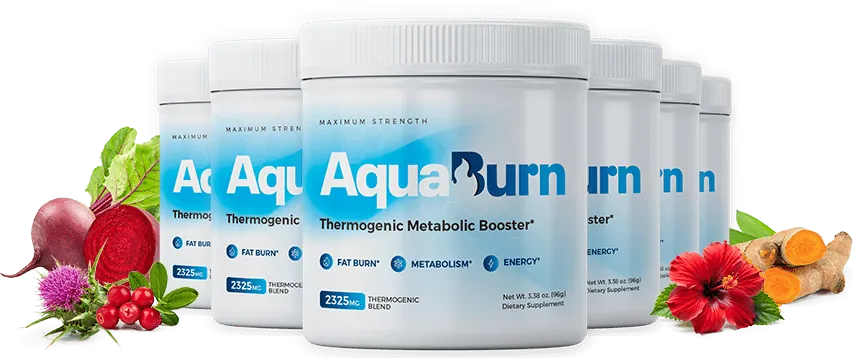
AquaBurn
Best for stubborn belly fat after 40A polyphenol + thermogenic powder targeting brown fat activation via the irisin pathway — for adults past 40 fighting visceral fat that won't budge.
- 6,800+ verified buyers
- 180-day money-back guarantee
Current pricing and bundle options are shown on the official site.
AquaBurn uses Kelp standardized to 10% Fucoxanthin alongside Resveratrol and EGCG — a multi-compound brown-fat activation stack. For the powder format that pairs fucoxanthin with a broader polyphenol and probiotic profile, Ikaria Juice is the alternative:
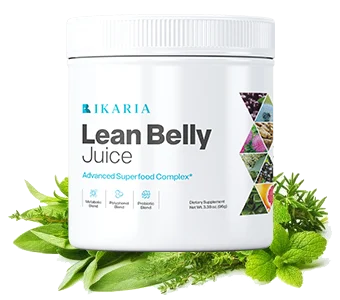
Ikaria Juice
Best polyphenol + 9-strain probiotic powderA morning polyphenol + 9-strain probiotic powder — for people tired of one-more-capsule-bottle who want a 30-second ritual that actually works.
Check the Latest Price →For the full breakdown of brown-fat-targeting products, see our guide to the best supplement for belly fat after 40.
FAQs
What is fucoxanthin and where does it come from?
Fucoxanthin is a brownish-orange carotenoid pigment found in brown seaweed (kelp, wakame, hijiki). It's what gives brown algae their color. In supplements, it's extracted and standardized — typically listed as a percentage (e.g., 'Kelp 10% Fucoxanthin'). It's been studied for metabolic effects, particularly its ability to activate brown adipose tissue (brown fat).
How does fucoxanthin help with weight loss?
Fucoxanthin works primarily by activating brown fat thermogenesis. It upregulates a protein called UCP1 (uncoupling protein 1) in fat tissue, which causes cells to burn energy as heat rather than store it. It also influences the irisin pathway and may improve insulin sensitivity. The result is increased calorie burning at rest — particularly relevant for midlife weight gain, when natural brown fat activity has declined.
What does the research on fucoxanthin show?
The most-cited human study (Abidov 2010) found that fucoxanthin combined with pomegranate seed oil produced meaningful weight and body fat loss over 16 weeks in obese women, with increased resting energy expenditure. Animal studies consistently show brown-fat activation and UCP1 upregulation. The human evidence base is smaller than for compounds like green tea, but the mechanism is well-characterized and promising — especially for the brown-fat angle.
How much fucoxanthin should I take?
Research doses range from 2.4 mg to 8 mg of fucoxanthin daily, often standardized from a larger kelp extract (e.g., a 10% extract). Effects build slowly — the Abidov study saw results over 16 weeks, not days. Fucoxanthin is fat-soluble, so taking it with a meal containing fat improves absorption. It's typically included in multi-ingredient thermogenic formulas rather than taken alone.
Is fucoxanthin safe?
Fucoxanthin appears safe at supplement doses in the studies conducted, with no significant adverse effects reported. Because it comes from seaweed, it may contain iodine — relevant for people with thyroid conditions, who should consult their doctor. As a fat-soluble compound, it accumulates, so staying within studied doses is sensible. Pregnant or breastfeeding women should avoid it due to limited safety data.
Final Thoughts
Fucoxanthin is one of the more scientifically interesting weight-loss compounds — not because it's dramatic, but because it targets a real, underexploited mechanism: brown-fat thermogenesis. By upregulating UCP1, it nudges your body toward burning energy as heat, addressing the declining brown fat that drives so much midlife weight gain.
The evidence is promising rather than overwhelming — built on a solid mechanism, consistent animal data, and one strong human trial. Expect a slow, compounding effect over months, best delivered in a standardized formula with absorption-supporting fats. For the brown-fat-driven weight pattern specifically, it's a legitimate, mechanism-aligned tool.
This connects directly to our AquaBurn review and our Ikaria Juice review.
Recommended Products
Reviewed by: The Supplement Post Editorial Team, Editorial Review — Last updated:
About Luciano Cesar
Luciano Cesar is a contributor at The Supplement Post, supporting the production of evidence-aware supplement reviews and buyer's guides across multiple health categories. His work spans ingredient analysis, formulation assessment and consumer-oriented summaries — what a label discloses, how the stated doses compare with the amounts used in published human research, and whether a formula's design matches what it claims to do. Every review is checked by The Supplement Post editorial team against the standards published in our editorial policy before it goes live.
Disclosure
All content on The Supplement Post is for informational purposes only and is not a substitute for professional medical advice, diagnosis, or treatment. Each product is a dietary supplement, not a prescription drug; statements about its benefits have not been evaluated by the U.S. Food and Drug Administration (FDA) and the product is not intended to diagnose, treat, cure, or prevent any disease.
Results may vary based on individual health status, consistency of use, and lifestyle. If you are pregnant or nursing, taking medication, or have a medical condition, consult a qualified healthcare professional before using any supplement.
This page may contain affiliate links—if you purchase through them, The Supplement Post may earn a small commission at no additional cost to you. References to third-party sites are provided for convenience; we do not control or guarantee their content.