

The Best Weight Loss Patches for Women in 2026: What Actually Delivers (and What's Just Marketing)
The first reaction to "weight loss patch" is healthy skepticism — and most of them deserve it. But one patch in the 2026 category is actually built on real, named ingredients with research behind them. Here's the honest read for women: which one works, why it works, and what to expect.
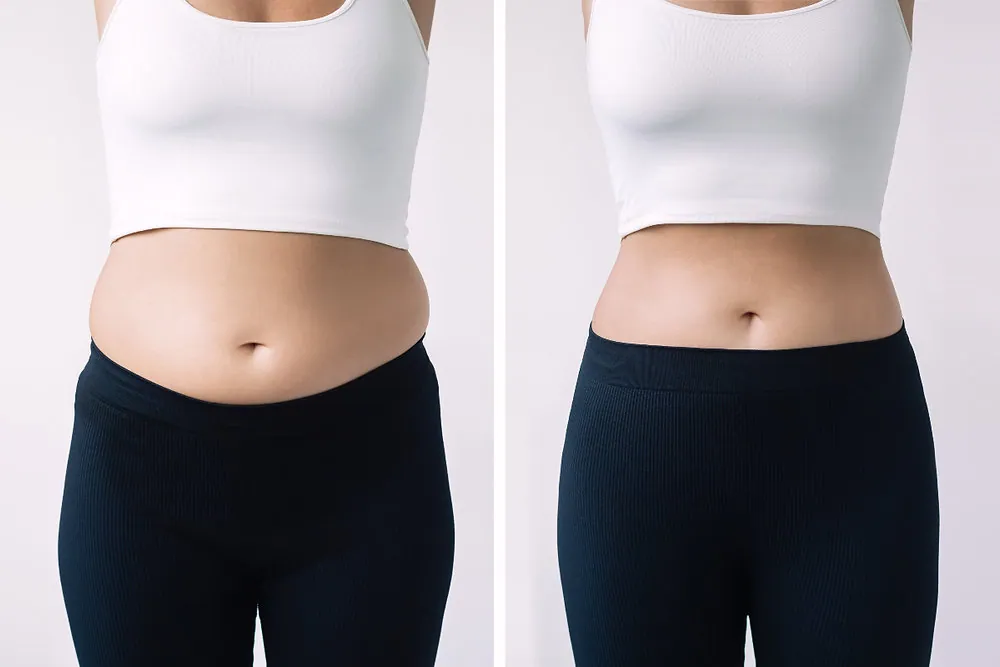
The patch in the category that earns the recommendation — and what to skip.
In this guide:
Weight-loss patches were a punchline a few years ago — and most of the category still earns that. But the 2026 picture is different for women in particular: 15,000+ women have stuck with the Berberine patch alone, the category grew to $8B+ globally, and two products in the space have actually earned their recommendation. The adoption isn't just marketing; women report that the format solves a real adherence problem — no pills to forget, no powders to mix, no GI side effects.
This guide is the cleanup: which patches are real, what they deliver, and what to skip. With a women-first lens since this is where the format adoption is concentrated.
Why Patches Became a Real Category (Especially for Women)
Three things made the format work for women specifically. Pill fatigue — many women in their 40s and 50s are already on multiple supplements and prescription medications; another capsule isn't appealing. GI tolerance — oral Berberine causes bloating and cramps in roughly 30% of users; women report this more than men. And routine friction — a patch applied in the morning needs no timing, no remembering, no swallow. For the busy midlife schedule, that's a genuine adherence improvement.
Manufacturer numbers tell the story. 8,500+ verified buyers (and 15,000+ women on the books) for Purisaki Berberine Patches — real adoption for a named-active patch. The format isn't going away — but quality varies wildly, and most of the category still doesn't clear the bar.
How Weight Loss Patches Actually Work
The honest version, in 40 seconds
A weight-loss patch delivers active compounds through the skin (transdermal) into the bloodstream — bypassing the digestive tract. The dose is lower than oral capsules, but adherence is higher, and for ingredients like Berberine that cause GI problems orally, the bypass is genuinely useful. Effects are modest and slow. Expect 4–8 weeks before measurable change.
The active ingredient is what determines whether the patch does anything. Berberine is the most-researched compound currently used in patches — AMPK activation, insulin sensitivity, appetite control — which is why it anchors the one patch that earns the recommendation. Generic "herbal patches" without a named, standardized active typically don't deliver measurable change: if the label won't tell you what the active is and how much you're getting, there's nothing to evaluate.
Pharmacokinetics matter: transdermal delivery is slower than oral. You won't see a Berberine patch deliver the same dose-equivalent as 500 mg oral — but you also won't deal with the GI hit. The trade is adherence-for-magnitude. For many women that's exactly the trade they want.
What Separates a Real Patch from Marketing
- 1. Named, standardized active. Berberine 20% extract, not "proprietary slimming blend."
- 2. Skin-friendly adhesive. Latex-free, hypoallergenic, paraben-free, dermatologist-tested.
- 3. Reasonable wear time (4–12h). Anything claiming 24-hour wear risks skin issues.
- 4. Realistic timeline. 4–8 weeks before measurable change. "Pounds per week" claims are red flags.
- 5. 30-day guarantee minimum for skin tolerance test. 60-day better for evaluating actual weight effects.
The Pick That Earns Its Place
Of the patches in the category, one carries the most active research per square inch. Purisaki Berberine Patches is built around Berberine 20% standardized extract — the most-researched compound for blood sugar, appetite, and metabolic support — layered with 12 supporting compounds including Fucoxanthin, Pomegranate Punicic Acid, Green Tea EGCG, African Mango, and B-vitamins. The three-layer engineered design (BreathFlex outer, central Berberine reservoir, ComfyProtect adhesive) releases the stack across an 8-hour wear window.
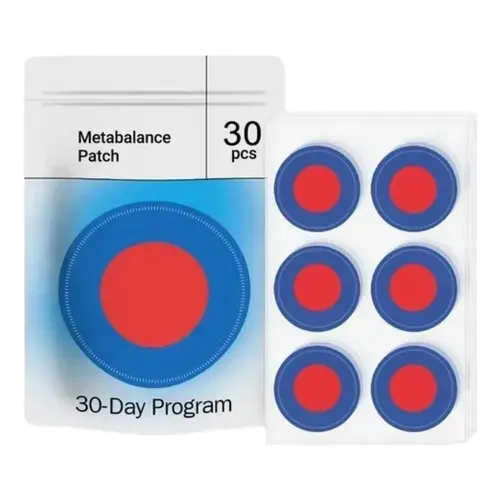
Purisaki Berberine Patches
Best Berberine patch (GI-friendly)A 13-compound transdermal patch led by Berberine 20% — for people who want the compound without the GI side effects oral Berberine triggers.
- 8,500+ verified buyers
- 60-day money-back guarantee
Current pricing and bundle options are shown on the official site.
8,500+ verified buyers, 15,000+ women on the manufacturer's books. 60-day money-back guarantee covering the full 8-week Berberine evaluation window. FDA-registered, GMP-compliant, latex-free, hypoallergenic. For women who tried oral Berberine and couldn't get past the GI hit, this is the cleanest patch option.
Berberine Patch vs Oral Berberine Capsule
For most women weighing a patch, the real decision isn't patch-vs-patch — it's whether to take Berberine as a transdermal patch or as an oral capsule. Same anchor compound, very different daily experience:
| Approach | Best For | Honest Trade-Off |
|---|---|---|
| Berberine-anchored patch (Purisaki) | Women who want Berberine's metabolic effect without the oral GI issues (bloating, cramps) that derail compliance | Transdermal Berberine pharmacokinetics less characterized than oral; dose-equivalent is lower |
| Oral Berberine capsule (generic 500mg) | Women who tolerate oral dosing and want the cheapest route to the compound at its studied dose | Roughly 30% of users hit GI side effects; 2–3 capsules a day is easy to forget |
Same compound, different delivery. The patch trades a lower dose-equivalent for far better adherence and no GI hit.
What the First 8 Weeks Actually Look Like
| Window | What You Should Notice |
|---|---|
| Week 1–2 | Skin tolerance becomes clear. Adhesive quality reads true. Initial routine adherence sets. |
| Week 3–4 | Softer appetite signals (on Berberine patch). Steadier energy. Cravings start easing. |
| Week 5–6 | Visible body composition shifts begin. Waistband loosens. |
| Week 7–8 | Cumulative change adds up. The pattern stabilizes into the new baseline. |
Transdermal results are slower than oral. The trade is adherence for magnitude.
FAQs
Do weight loss patches really work for women?
The honest answer depends on the patch. Quality patches with research-backed active ingredients (especially Berberine) deliver modest, real metabolic effects over 8–12 weeks. Generic 'herbal patches' with vague ingredient lists don't. The category has both serious products and pure marketing — quality varies dramatically.
Are weight loss patches safe to use long-term?
Quality patches are generally well tolerated. The main long-term considerations: skin tolerance (rotate application sites to avoid adhesive sensitivity), and confirming the active ingredient itself is safe for chronic use. Berberine has good safety data over months of use. Always patch-test on a small skin area before extended use.
How are weight loss patches different from pills?
Patches bypass the digestive tract — meaning no GI side effects (bloating, cramping) that oral supplements can cause. Trade-off: transdermal delivery is slower and typically reaches lower blood levels than oral. For ingredients like Berberine where oral GI tolerability is a problem, patches solve a real adherence issue.
Can I shower or swim with a weight loss patch?
Most quality patches stay adhered through showering with reasonable adhesive technology. Extended swimming or vigorous water exposure usually requires removing and reapplying. Check the specific product's instructions.
When should I see a doctor instead of using patches?
If you have skin conditions (eczema, psoriasis), known allergies to adhesives, or take prescription medications, consult your physician before starting. If weight gain is rapid or unexplained, get the medical evaluation first — patches are a supplement to lifestyle, not a substitute for medical care when needed.
Final Thoughts
Weight-loss patches earned their healthy skepticism — most of the category still deserves it. But one product in 2026 actually delivers. Purisaki Berberine Patches is the cleanest option for women who want real metabolic effect without the oral Berberine GI hit — a named, standardized active in a genuinely engineered patch. Give it 8 weeks of consistent daily wear, keep your expectations realistic, and let the slow biology do its slow work.
And the warning that should come with every patch recommendation: always patch-test on a small area of skin first. Skin reactions — even to well-designed adhesives — are individual. If irritation shows up, switch products or routes.
Recommended Products
Reviewed by: Michael Anderson, Editor-in-Chief — Last updated:
About Emily Carter
Emily Carter is a contributor at The Supplement Post covering brain and neuro health, blood sugar control, weight loss, gut-focused formulas, and CBD wellness. She specializes in evidence-aware summaries of nootropic ingredients, metabolic supplements, and cannabidiol — with consumer-friendly explanations of how form, dose, and bioavailability shape the result a buyer actually feels.
Emily Carter is not a medical doctor. She analyzes publicly available research to provide evidence-aware summaries for adults exploring cognitive support, metabolic balance, gut wellness, and CBD options.
Disclosure
All content on The Supplement Post is for informational purposes only and is not a substitute for professional medical advice, diagnosis, or treatment. Each product is a dietary supplement, not a prescription drug; statements about its benefits have not been evaluated by the U.S. Food and Drug Administration (FDA) and the product is not intended to diagnose, treat, cure, or prevent any disease.
Results may vary based on individual health status, consistency of use, and lifestyle. If you are pregnant or nursing, taking medication, or have a medical condition, consult a qualified healthcare professional before using any supplement.
This page may contain affiliate links—if you purchase through them, The Supplement Post may earn a small commission at no additional cost to you. References to third-party sites are provided for convenience; we do not control or guarantee their content.