
Ozempic Cost vs Natural Alternatives: the 1-Year Math for Ozempic, Mounjaro and Foundayo
$1,200 a month for Ozempic. $1,400 for Mounjaro. $250 for Foundayo (the new oral pill). $50 for a natural alternative. Same goal, dramatically different price tags. Here's what each option actually costs over a year — and what you actually get for the money.

The honest 1-year cost numbers — and the natural alternative path most people aren't told about.
In this guide:
- What Each Option Actually Costs in a Year
- The Rebound Problem That Breaks the Math Further
- What the Money Actually Buys (and What It Doesn't)
- What Separates a Real Long-Term Maintenance Supplement
- The Pick That Earns Its Place
- Two Alternates Depending on Your Pattern
- Three Honest Scenarios (Which Math Wins?)
- What the First 12 Weeks Actually Look Like
- FAQs
- Final Thoughts
The number that doesn't get discussed enough: most people on GLP-1 drugs stay on them indefinitely. Not because they planned to — but because stopping triggers the rebound, and the rebound feels worse than the original weight problem. The drugs became weight-loss breakthroughs, but the practical reality is that they're long-term pharmaceutical commitments. The cost compounds accordingly.
This isn't an argument against GLP-1s for people who genuinely need them. It's a math problem most people haven't run — and a natural maintenance path that doesn't get nearly enough air time in the conversation.
What Each Option Actually Costs in a Year
The honest version, in 40 seconds
Ozempic: $14,400/year at retail. Mounjaro/Zepbound: $16,800/year. Lilly Direct (cash pay): $5,988/year. Foundayo (oral GLP-1): $3,000/year. Natural alternative: $600/year. Same goal — appetite control, weight loss — at very different price tags. The right choice depends on whether your clinical case warrants the magnitude difference.
Here's the honest 1-year side-by-side, including what you actually get for the money:
| Option | Monthly | 1 Year | What you get |
|---|---|---|---|
| Ozempic / Wegovy | $1,200 | $14,400 | ~15% body weight loss |
| Mounjaro / Zepbound | $1,400 | $16,800 | ~22% body weight loss (highest) |
| Lilly Direct (cash pay) | $499 | $5,988 | Same as Mounjaro/Zepbound at discounted price |
| Foundayo (Oral GLP-1) | $250 | $3,000 | ~10–14% body weight loss, no injection |
| Natural GLP-1 supplement | $50 | $600 | ~4–8% body weight loss, no prescription, no rebound |
The yearly delta between Ozempic and a natural alternative is $13,800. Between Mounjaro and natural: $16,200. Even Foundayo — the most accessible pharmaceutical — costs $2,400 more per year than a natural alternative. Eli Lilly's Lilly Direct cash-pay program ($499/month) is the best pharmaceutical discount option but still runs $6,000/year. Programs like TrumpRx and manufacturer savings cards can shave another 10–30% off but don't change the order of magnitude.
The Rebound That Changes What You're Really Paying For
Cost-per-year doesn't tell the full story. Studies consistently show that 50–70% of GLP-1 weight loss returns within 12 months of stopping the drug. So the practical question isn't just "what does this cost per year" — it's "what does this cost for sustained results?"
- Scenario A: Stay on the prescription indefinitely. $14,400–16,800/year for as long as you want to maintain the loss.
- Scenario B: Stop the drug, regain most of your loss within a year, end up roughly where you started — having spent thousands during the loss phase.
- Scenario C: Use the drug for an acute intervention window, then transition to a natural alternative to hold 60–80% of your loss at $600/year.
Most patients are framed only Scenarios A and B by their prescribers, because Scenario C requires a natural maintenance protocol most clinical providers don't focus on. But the protocol exists — and for many people, it's the missing third option that makes the cost math actually work.
What the Money Actually Buys (and What It Doesn't)
Spending $14,400 a year on Ozempic buys real weight loss magnitude — 15–20% body weight that no natural alternative matches. For someone with severe obesity, type 2 diabetes, or cardiovascular risk factors that warrant aggressive intervention, that magnitude is genuinely worth the price.
It does not buy: protection from rebound when you eventually stop. Preservation of lean muscle mass (most users lose 20–30% of their weight as muscle). Freedom from weekly injection routine. A decreasing dependency on the drug. Or sustainability beyond the prescription window.
Natural alternatives at $600/year buy something different: 4–8% body weight loss, slow and gentle. No injection. No prescription dependency. No rebound concern when stopping. For people without an acute clinical indication, the cost-to-benefit ratio often lands very differently than the pharmaceutical marketing suggests.
What Separates a Real Long-Term Maintenance Supplement
- 1. Cost under $80/month long-term. Anything more starts approaching pharmaceutical territory over years.
- 2. Designed for sustained use. No tolerance buildup, no escalating doses required.
- 3. No prescription, no insurance maze. Direct-to-consumer with verifiable supply chain.
- 4. Supports your own biology. Amplifies endogenous systems rather than substituting for them.
- 5. 60+ day guarantee. 180 ideal for committing to a long-term strategy.
The Pick That Earns Its Place
For ongoing maintenance specifically, the closest mechanistic match is still the supplement that mirrors what GLP-1 drugs are doing — but naturally and at sustainable cost. SlimLeaf is built around Akkermansia muciniphila and the P9 protein, stimulating your own L-cells to produce GLP-1 the way they're supposed to. At $30–50/month bundle pricing, the yearly cost runs $360–600 — compared to $14,400 for the same year on Ozempic.
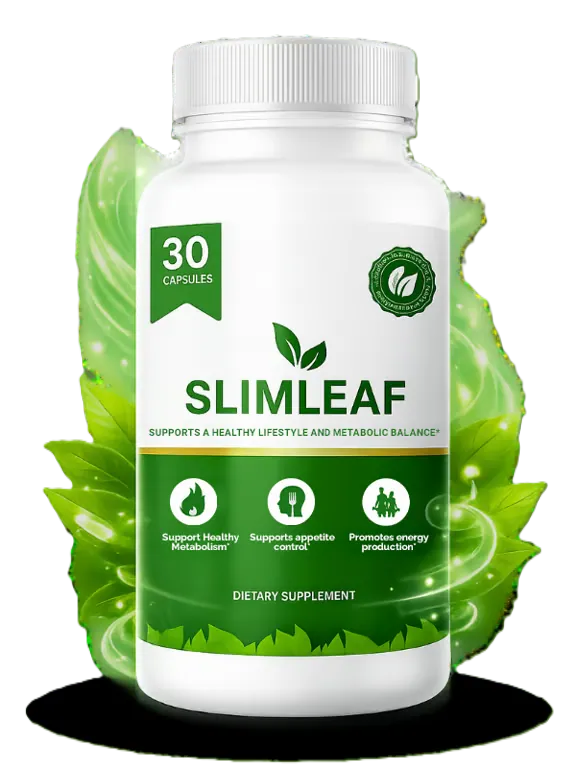
SlimLeaf
Best for actually getting Akkermansia to coloniseThe one live formula carrying Akkermansia muciniphila — paired with chicory inulin and resistant starch, which is what decides whether a fragile strain survives the trip.
- 3,500+ verified buyers
- 60-day money-back guarantee
Current pricing and bundle options are shown on the official site.
The honest framing: this isn't a one-to-one replacement for Ozempic. The magnitude is much lower. But for the right person — someone who doesn't have a clinical indication for prescription GLP-1, or someone who needs a long-term maintenance path after coming off the drug — the math and the biology both work.
Two Alternates Depending on Your Pattern
If your dominant metabolic pattern is insulin sensitivity rather than appetite regulation — sugar cravings, post-meal crashes, blood-sugar rollercoaster — the Berberine multi-pathway route addresses that layer directly:
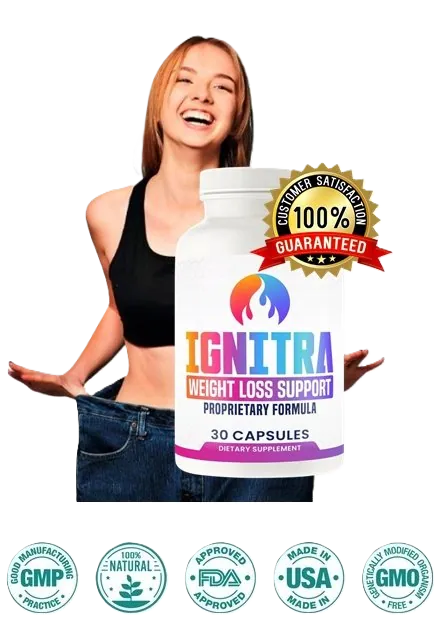
Ignitra
Best Berberine multi-pathway capsuleBerberine HCL anchor + 10 supporting metabolic ingredients — for adults past 35 dealing with slow metabolism and stubborn cravings.
Check the Latest Price →And if your weight pattern is more gut-driven — bloating, inflammation, the microbiome story — the multi-strain probiotic route addresses that layer:
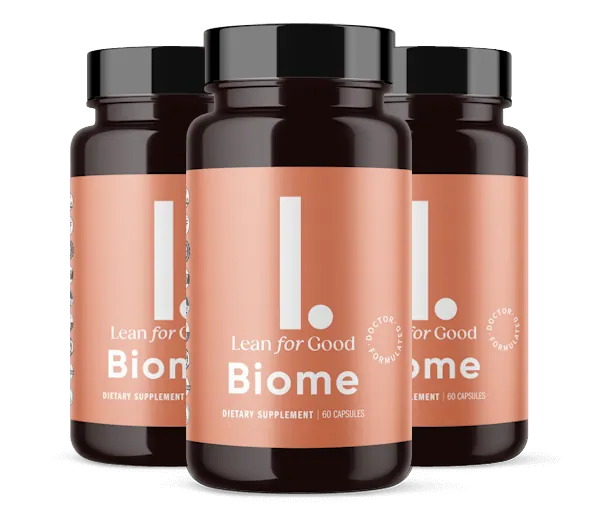
LeanBiome
Best multi-strain probiotic for belly fatA 9-strain probiotic capsule anchored by L. Gasseri + L. Rhamnosus — for people whose belly fat won't move and suspect the gut microbiome is part of the story.
Check the Latest Price →Natural GLP-1 (SlimLeaf), Berberine + AMPK (Ignitra), or microbiome (LeanBiome). The yearly cost difference between any of these and any GLP-1 drug runs $2,400–16,200. The biology fits different patterns; the price fits everyone.
Three Honest Scenarios (Which Choice Fits?)
The right choice depends on your specific situation:
| Your situation | Best fit for the math | Why |
|---|---|---|
| Severe obesity, T2 diabetes, or significant cardiovascular risk | GLP-1 drug if insurance covers — natural supplement as long-term maintenance after | Clinical indication warrants aggressive intervention initially |
| Moderate weight issue, no clinical indication, exploring options | Natural alternative first — escalate to drug only if needed | Lower cost, no prescription burden, gentler trajectory |
| Already on a GLP-1, considering stopping or transitioning | Start natural alternative 2–3 weeks before stopping the drug | Bridge the post-drug transition; hold more of the loss |
The right choice isn't universal. Match the option to your actual clinical situation and what your budget can sustain.
What the First 12 Weeks Actually Look Like
| Window | What You Should Notice |
|---|---|
| Week 1–2 | Subtle softening of cravings. Akkermansia colonizing. Most changes quiet. |
| Week 3–4 | First appetite shift. Portions trend down. Steadier energy. |
| Week 5–8 | Visible changes start showing. Waistband loosens. |
| Month 3+ | Maintenance phase. Slow steady progress. No prescription required. |
Slower than the drug. Cheaper than the drug. Sustainable over years rather than months. The trade-off is real — and for many people, the right one.
FAQs
How much does Ozempic actually cost per year?
$900–1,500/month is the typical out-of-pocket cost without insurance coverage — meaning $10,800–18,000 per year. With insurance, copays still typically run $25–200/month plus prior authorization hurdles. Most insurance plans require a diabetes diagnosis or BMI threshold that excludes the average person looking to lose 15–30 lbs. Wegovy (semaglutide for weight loss specifically) sits in the same range.
How does Mounjaro/Zepbound cost compare to Ozempic?
Slightly higher, typically $1,000–1,400/month. The tirzepatide patent is held by Eli Lilly with no generic competition yet. Insurance coverage varies by plan and indication — Zepbound has better coverage for weight-loss indications than Mounjaro since Zepbound is specifically FDA-approved for weight management.
Is Foundayo (orforglipron) cheaper than Ozempic?
Yes — Foundayo runs $149–349/month, the most accessible price point of any FDA-approved GLP-1. Trade-off: lower magnitude (10–14% body weight loss vs Ozempic's 15–20%). Still, $1,800–4,200/year out of pocket for most people, indefinitely.
What's the realistic yearly cost of a natural alternative?
Quality natural GLP-1 supplements run $30–70/month — total of $360–840 per year. That's roughly what Ozempic costs for 3 weeks, or what Foundayo costs for 1–3 months. The magnitude is lower (4–8% body weight loss over 6 months vs Ozempic's 15%), but the price tag is a different category entirely.
If I can afford GLP-1, why would I switch to a natural alternative?
Several reasons people make this choice even when they could afford the drug: (1) avoiding indefinite injection routine; (2) avoiding muscle loss risk; (3) avoiding the rebound when forced to stop for any reason; (4) wanting a protocol that doesn't depend on insurance approval, supply chains, or doctor visits; (5) preferring to support endogenous biology rather than substitute for it. The cost is one factor among several.
How much does Mounjaro cost with Lilly Direct?
Lilly Direct is Eli Lilly's direct-to-consumer cash-pay program for Mounjaro/Zepbound, running approximately $499/month for select doses. It's significantly cheaper than the $1,000–1,400/month retail price but still works out to ~$6,000 per year — compared to ~$600/year for a natural alternative. Lilly Direct is the best option for people who need pharmaceutical magnitude but lack insurance coverage; natural alternatives remain the better fit for people without acute clinical indication.
Does TrumpRx work for Ozempic or Mounjaro?
TrumpRx and similar prescription discount programs can sometimes provide 10–30% savings on GLP-1 drugs, depending on the specific pharmacy and program. These programs are useful for filling the gap between insurance coverage and full retail. They don't fundamentally change the yearly cost picture — even with maximum discounts applied, GLP-1 drugs remain 10–25x more expensive per year than natural alternatives.
Final Thoughts
The GLP-1 conversation is dominated by magnitude — how much weight people lose, how quickly, how dramatically. What rarely gets discussed is the actual yearly cost, the rebound risk, and the third option most prescribers don't focus on: natural maintenance that supports your own biology rather than replacing it.
SlimLeaf for the closest mechanistic match — Akkermansia and P9 working on the same biology GLP-1 drugs target. Ignitra for the Berberine route through insulin sensitivity. LeanBiome for the microbiome-first approach. At $30–70/month — $600/year max — all three deliver something the pharmaceuticals can't: a sustainable path that doesn't require $14,400/year or an indefinite prescription commitment.
And if your clinical situation genuinely warrants GLP-1 intervention, talk to your doctor — these drugs are revolutionary for the right patient. But the yearly cost should be part of the conversation, and the natural maintenance path should be on the table — both at the start and at the eventual transition off the drug.
Before committing to a single bottle, it is worth reading our Ignitra review and whether Ozempic costs you muscle.
Recommended Products
Reviewed by: The Supplement Post Editorial Team, Editorial Review — Last updated:
About Luciano Cesar
Luciano Cesar is a contributor at The Supplement Post, supporting the production of evidence-aware supplement reviews and buyer's guides across multiple health categories. His work spans ingredient analysis, formulation assessment and consumer-oriented summaries — what a label discloses, how the stated doses compare with the amounts used in published human research, and whether a formula's design matches what it claims to do. Every review is checked by The Supplement Post editorial team against the standards published in our editorial policy before it goes live.
Disclosure
All content on The Supplement Post is for informational purposes only and is not a substitute for professional medical advice, diagnosis, or treatment. Each product is a dietary supplement, not a prescription drug; statements about its benefits have not been evaluated by the U.S. Food and Drug Administration (FDA) and the product is not intended to diagnose, treat, cure, or prevent any disease.
Results may vary based on individual health status, consistency of use, and lifestyle. If you are pregnant or nursing, taking medication, or have a medical condition, consult a qualified healthcare professional before using any supplement.
This page may contain affiliate links—if you purchase through them, The Supplement Post may earn a small commission at no additional cost to you. References to third-party sites are provided for convenience; we do not control or guarantee their content.