
Peptide Weight Loss vs Natural Alternatives: What Actually Works Without a Prescription
Peptides became the loudest weight-loss conversation of 2024–2026 — and then the FDA started shutting down compounded sources. If you're one of the thousands of people whose peptide supply went dark, or you're researching peptides for the first time and wondering if there's a path that doesn't depend on a compounding pharmacy, this is the honest read.

What peptides do, why the FDA cracked down, and which natural alternatives target the same biology.
In this guide:
- What "Peptide Weight Loss" Actually Refers To
- Why the FDA Cracked Down on Compounded Peptides
- The Same Biology Without the Prescription Maze
- What Separates a Real Natural Alternative from Marketing
- The Pick That Earns Its Place
- Two Alternates Depending on Your Angle
- Peptides vs Natural Alternatives — Side by Side
- What the First 8 Weeks Actually Look Like
- FAQs
- Final Thoughts
The peptide weight-loss space split into two stories in 2024. The pharmaceutical story — FDA-approved semaglutide (Ozempic, Wegovy) and tirzepatide (Mounjaro, Zepbound) became the most-prescribed weight-loss drugs in history. And the gray-market story — compounding pharmacies, peptide vendors, and gray-market sources sold cheaper versions of the same molecules to anyone with a credit card. Then the FDA started clearing them out. Thousands of users now have an empty fridge and a search history full of "what to do next."
This guide is for that user — and for the people researching peptides from scratch who'd rather not start with a compounding pharmacy that might not exist next year. The honest read: natural alternatives don't match pharmaceutical peptide magnitude. But they work on the same biology, they're available legally, and they don't depend on a supply chain the FDA may shut down tomorrow.
What "Peptide Weight Loss" Actually Refers To
"Peptide" is a loose term that gets used for several different things in the weight-loss space. Semaglutide (Ozempic, Wegovy) and tirzepatide (Mounjaro, Zepbound) are injectable peptides — chains of amino acids that mimic GLP-1 (and for tirzepatide, GIP) hormones. These are FDA-approved and prescribed.
Compounded versions of those same molecules — sold by compounding pharmacies and peptide vendors during the 2022–2024 shortages — were the gray zone. Same molecule (mostly), variable purity, lower cost, no FDA approval of the specific compounded product. Research peptides like BPC-157, TB-500, CJC-1295, and Ipamorelin sit in a different regulatory bucket entirely — sold "not for human use" but consumed widely.
When someone searches "peptide weight loss alternative," they usually mean one of three things: they used compounded semaglutide and lost their source; they're considering injectable peptides but want a non-prescription path first; or they're stacking research peptides and looking for safer adjuncts.
Why the FDA Cracked Down on Compounded Peptides
Compounding pharmacies can legally produce drugs in shortage — but the rules tighten once the shortage ends. By mid-2024, Eli Lilly and Novo Nordisk had ramped manufacturing enough that GLP-1 brands were no longer formally in shortage. The FDA's authority to allow compounded versions expired. Enforcement letters started going out. Many compounding sources stopped shipping. Others restructured into gray-market territory.
For users, the practical impact was sudden. People who had been on compounded semaglutide for 6–18 months suddenly couldn't refill. Switching to brand-name Ozempic meant a 10x cost increase. Many looked for a natural path forward — which is the search wave this article was written to serve.
The Same Biology Without the Prescription Maze
The honest version, in 40 seconds
Weight-loss peptides activate GLP-1 (and GIP) receptors with pharmaceutical magnitude. Natural alternatives work on the same biology — through Akkermansia muciniphila and the P9 protein, or through Berberine's AMPK pathway — but at gentler magnitude (4–8% body weight over 6 months vs peptides' 15–20%). The trade-off: no prescription, no compounding pharmacy, no FDA enforcement risk, and a fraction of the cost.
Semaglutide and tirzepatide are synthetic GLP-1 receptor agonists. They bind directly to the receptor, telling your L-cells the same message they'd get after a meal — but with dramatically more force and duration than your own GLP-1 ever produces.
Akkermansia muciniphila — the gut bacteria studied extensively by the Cani lab at Université de Louvain — produces a protein called P9 that stimulates your own L-cells to release GLP-1 naturally. Same hormone, same receptor — just produced by your body rather than synthesized in a lab.
Berberine works through AMPK, the cellular energy switch. The same enzyme metformin targets. Improves insulin sensitivity, reduces hepatic glucose output, softens appetite signaling as a downstream effect. Not technically GLP-1 — but the appetite-control and metabolic outcomes overlap significantly.
What's the realistic effect-size gap? Peptides at clinical doses deliver 15–20% body weight loss over 6–9 months. Natural alternatives deliver 4–8% over the same period. That's the honest math. Anything promising "natural alternative that matches semaglutide" is lying.
What Separates a Real Natural Alternative from Marketing
- 1. Same biology, different door. Akkermansia → P9 → natural GLP-1 is the closest mechanism. AMPK is the parallel route.
- 2. Available without a prescription, compounding pharmacy, or gray-market vendor. Direct-to-consumer, legal, verifiable supply chain.
- 3. Real research, not Reddit anecdotes. Published trials with named investigators, not influencer testimony.
- 4. Honest about magnitude. 4–8% body weight over 6 months. No "matches semaglutide" claims.
- 5. Long-term sustainable without regulatory risk. Something you can take for years without enforcement action.
The Pick That Earns Its Place
Of the natural supplements that target the same biology as weight-loss peptides, one is the closest mechanistic match. SlimLeaf GLP-1 is built around Akkermansia muciniphila and the P9 protein — the natural GLP-1 trigger system that semaglutide mimics pharmaceutically. Daily capsule. Direct-to-consumer. No prescription, no compounding pharmacy, no FDA enforcement letter in your future.
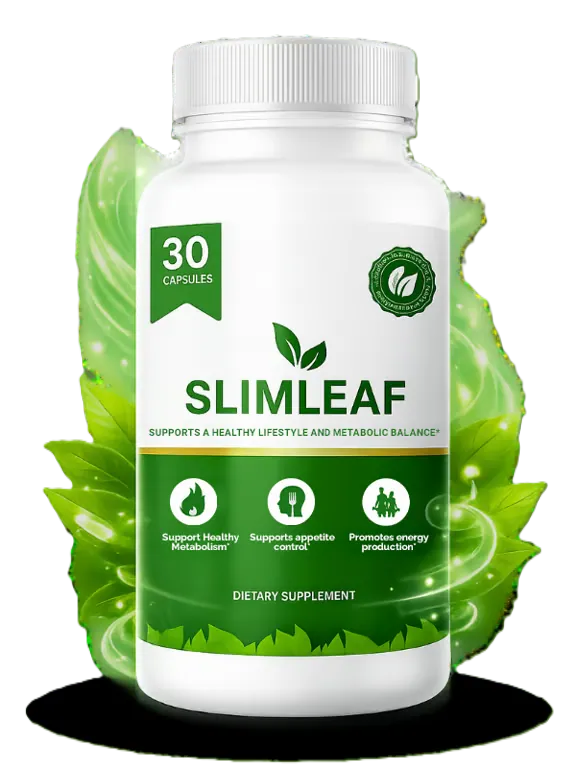
SlimLeaf
Best for actually getting Akkermansia to coloniseThe one live formula carrying Akkermansia muciniphila — paired with chicory inulin and resistant starch, which is what decides whether a fragile strain survives the trip.
- 3,500+ verified buyers
- 60-day money-back guarantee
Current pricing and bundle options are shown on the official site.
Two honest notes. The 30-day money-back guarantee is the formula's main weakness — Akkermansia colonization takes longer than that, so plan on the 3-bottle bundle for a fair evaluation. And the magnitude is gentler than what compounded semaglutide delivered: 4–8% body weight over 6 months, not 15–20%. For people transitioning off peptides or building a long-term sustainable path, that's the realistic ceiling — and the trade-off is real.
Two Alternates Depending on Your Angle
If you'd prefer to come at the metabolic problem through AMPK activation rather than GLP-1 — Berberine's pathway, parallel territory — the multi-pathway capsule route is yours:
Ignitra
Best Berberine multi-pathway capsuleBerberine HCL anchor + 10 supporting metabolic ingredients — for adults past 35 dealing with slow metabolism and stubborn cravings.
Check the Latest Price →And if your peptide use was partly about gut healing (BPC-157 adjacent) and partly about weight, the multi-strain probiotic route addresses the microbiome layer directly:
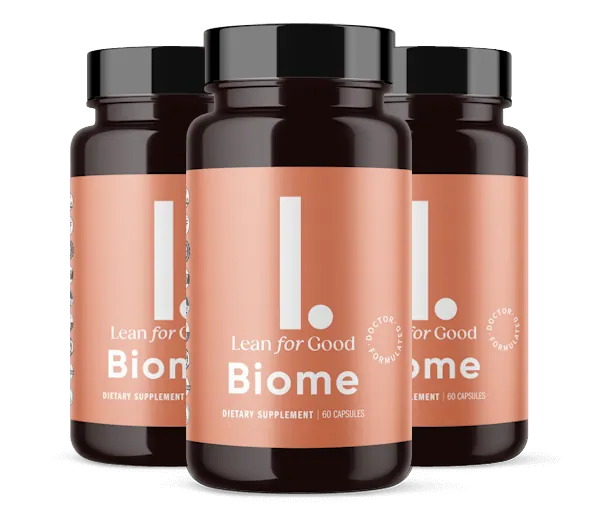
LeanBiome
Best multi-strain probiotic for belly fatA 9-strain probiotic capsule anchored by L. Gasseri + L. Rhamnosus — for people whose belly fat won't move and suspect the gut microbiome is part of the story.
Check the Latest Price →GLP-1 biology (SlimLeaf), Berberine AMPK pathway (Ignitra), or microbiome-first (LeanBiome). None match injectable peptide magnitude — they're not pretending to. They're the legal, prescription-free, FDA-stable path for people who don't want a supply chain dependency.
Peptides vs Natural Alternatives — Side by Side
| Criterion | Pharmaceutical Peptides | Compounded Peptides | Natural Alternatives |
|---|---|---|---|
| Weight loss | 15–22% | ~15–20% (variable) | 4–8% |
| Cost/month | $900–1,500 | $150–400 | $30–70 |
| Prescription | Required | Often required (variable) | Not required |
| Supply reliability | FDA-stable | FDA enforcement risk | FDA-stable supplement category |
| Side effects | GI severe, muscle loss | GI variable, purity risk | Mild GI shifts (probiotic) |
| Rebound on stopping | High | High | Lower (supports own biology) |
| Long-term sustainability | Indefinite prescription | Supply uncertainty | Years at supplement cost |
Each path serves a different person. Match the option to the actual priorities — magnitude, cost, supply stability, side effects.
What the First 8 Weeks Actually Look Like
| Window | What You Should Notice |
|---|---|
| Week 1–2 | Subtle softening of cravings. Akkermansia begins colonizing. If you're transitioning off a peptide, post-peptide hunger may spike before stabilizing. |
| Week 3–4 | First appetite shift. Portions trend down naturally. The intense post-peptide appetite rebound starts easing. |
| Week 5–8 | Visible changes start showing. Energy stabilizes. Weight gain rebound (if you stopped a peptide recently) slows or reverses. |
| Month 3+ | New baseline establishes. Scale moves slowly but steadily — without the prescription dependency. |
If you're coming off compounded semaglutide, the first 2–4 weeks are the hardest — your appetite is decoupled from the drug, and the natural alternative needs time to colonize and ramp up. Plan for that window.
FAQs
What happened to compounded GLP-1 peptides?
Compounded versions of semaglutide and tirzepatide became widely available during the 2022–2024 GLP-1 shortages — sold by compounding pharmacies, peptide vendors, and gray-market sources. In 2024, the FDA began enforcing against unauthorized compounding once the brand-name shortages eased. Many sources stopped shipping, others continue in regulatory limbo. The net effect: thousands of peptide users are now looking for alternatives that don't depend on a shaky supply chain.
Are peptides actually safe for weight loss?
FDA-approved peptides (semaglutide, tirzepatide) have known safety profiles in clinical trials. Compounded versions vary wildly in purity, dose accuracy, and contamination risk — depending on the source. Research peptides marketed 'not for human use' carry even higher risk. The peptide hype hides a wide quality spectrum that the FDA crackdown was largely designed to clean up.
What's the best natural alternative to weight loss peptides?
For people coming off compounded semaglutide or looking for a peptide-free path: supplements that work on the same GLP-1 biology naturally. Akkermansia muciniphila + P9 stimulates your body's own GLP-1 production. Berberine + AMPK improves insulin sensitivity through a parallel mechanism. Both are gentler than pharmaceutical peptides but far more sustainable long-term.
Can I take BPC-157 with a weight loss supplement?
BPC-157 is primarily used for gut healing and tissue repair, not weight loss directly — though gut health does impact metabolic outcomes. There's no published research on BPC-157 combined with weight-loss supplements, and BPC-157 itself is in regulatory gray territory (not FDA-approved for human use). Talk to your physician if you're considering peptide stacks alongside supplements.
Will natural alternatives match what compounded semaglutide did for me?
Honestly — no. Compounded semaglutide delivered pharmaceutical magnitude (similar to brand Ozempic) at compounding pharmacy prices. Natural alternatives deliver 4–8% body weight loss over 6 months, not 15–20%. The trade is real: lower magnitude, but no prescription, no compounding pharmacy, no FDA enforcement risk, and far lower cost over time. The right choice depends on how you weigh those factors.
Final Thoughts
Peptides are a real category — pharmaceutical GLP-1 changed weight loss for millions of people who needed clinical intervention. But the gray-market compounded peptide story is ending: FDA enforcement is real, supply chains are unreliable, and the people who built their weight loss on a compounding pharmacy now need a path that doesn't depend on one.
SlimLeaf is the cleanest mechanistic match — Akkermansia + P9 working on the same biology peptides target. Ignitra is the Berberine + AMPK route if you'd rather come at it through the metabolic pathway. LeanBiome is the microbiome-first option if gut healing was part of your peptide story. None of them deliver pharmaceutical-grade magnitude. All of them deliver something sustainable, legal, and not dependent on a supply chain that might not exist next year.
And if your weight situation genuinely warrants prescription intervention — see a real doctor and consider FDA-approved injectables under medical supervision. Supplements are the gentler long-term layer; they're not the answer when the clinical case warrants more.
Still weighing the decision? See our Ignitra review and the natural GLP-1 support options.
Recommended Products
Reviewed by: The Supplement Post Editorial Team, Editorial Review — Last updated:
About Luciano Cesar
Luciano Cesar is a contributor at The Supplement Post, supporting the production of evidence-aware supplement reviews and buyer's guides across multiple health categories. His work spans ingredient analysis, formulation assessment and consumer-oriented summaries — what a label discloses, how the stated doses compare with the amounts used in published human research, and whether a formula's design matches what it claims to do. Every review is checked by The Supplement Post editorial team against the standards published in our editorial policy before it goes live.
Disclosure
All content on The Supplement Post is for informational purposes only and is not a substitute for professional medical advice, diagnosis, or treatment. Each product is a dietary supplement, not a prescription drug; statements about its benefits have not been evaluated by the U.S. Food and Drug Administration (FDA) and the product is not intended to diagnose, treat, cure, or prevent any disease.
Results may vary based on individual health status, consistency of use, and lifestyle. If you are pregnant or nursing, taking medication, or have a medical condition, consult a qualified healthcare professional before using any supplement.
This page may contain affiliate links—if you purchase through them, The Supplement Post may earn a small commission at no additional cost to you. References to third-party sites are provided for convenience; we do not control or guarantee their content.