
The Best Berberine Supplement for Weight Loss: A Buyer's Guide That Cuts Through the Hype
The molecule is real — decades of metabolic research, multiple meta-analyses, a mechanism that actually does something. The problem is the shelf: formulas that hide the dose, skip the standardization, or bury Berberine in filler. This is the cleanup.
See the #1 Berberine Pick → Or read all 3 picks first ↓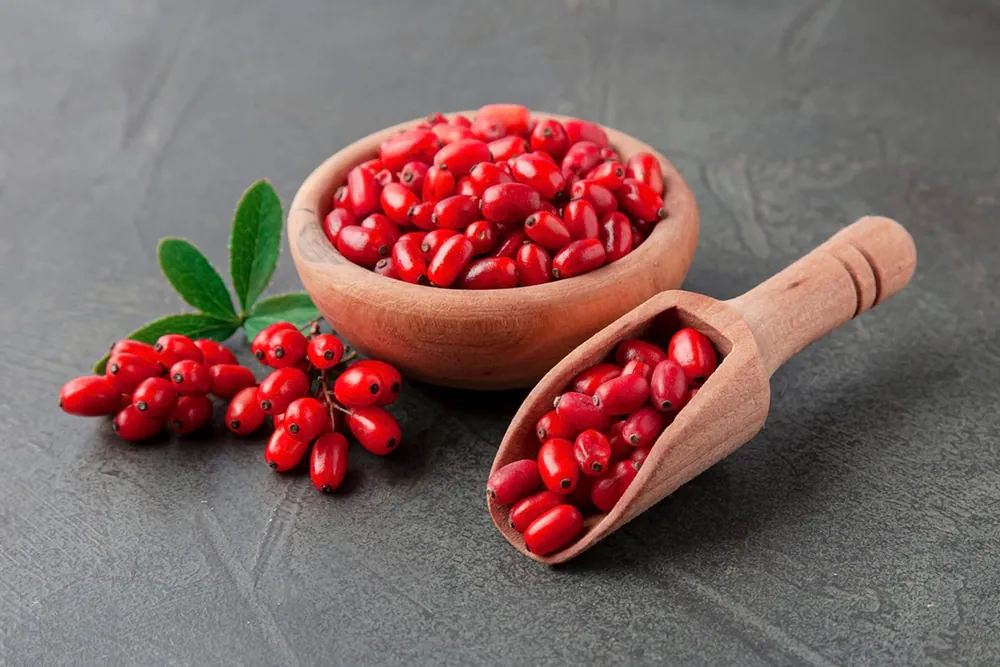
✓ The short answer
Berberine works — modestly, slowly, and through a specific mechanism (AMPK activation, the same lever Metformin pulls). The trick is buying the right form in a format you'll actually keep taking for 8–12 weeks. Our pick is Ignitra for its Berberine HCL base, multi-pathway support, and 180-day guarantee. But if the capsule is the part you keep skipping, HoneyBurn carries the same active as drops — and consistency is the whole game. Below: how it actually works, the three picks by profile, and the honest 12-week timeline.
First — What Berberine Actually Does
Berberine is a plant alkaloid found in goldenseal, barberry, and a handful of other botanicals. Its headline trick is switching on an enzyme called AMPK — think of AMPK as your cells' metabolic master switch. When it fires, your cells shift toward burning stored energy instead of hoarding it.
The downstream effects are where weight loss comes from. Insulin sensitivity improves, so the same meal triggers a smaller insulin spike and less fat storage. The liver makes less glucose between meals. Appetite signaling calms. Over 8–12 weeks of consistency, that adds up to the slow, steady loss the trials measure — typically around 4–5 kg over 12 weeks.
What it does not do is touch the GLP-1 receptor or match Ozempic's magnitude. Semaglutide delivers 15–20% body-weight loss; Berberine delivers a fraction of that. The "nature's Ozempic" nickname captures the feel — softer hunger, steadier blood sugar, fewer crashes — not the pharmacology. It's the gentler, cheaper, side-effect-lighter cousin, and any product pretending otherwise is overselling.
Why Berberine is everywhere right now
A 30-year-old metabolic compound turned into one of the most-searched supplements of the decade. The forces behind that are concrete:
What's driving the surge
- The "nature's Ozempic" label went viral and never cooled off. Berberine search interest spiked when GLP-1 shortages hit, and it has stayed elevated through 2025 (Google Trends) as people keep hunting for a route that doesn't need a prescription or a needle.
- People want a routine they can afford to keep. At a few dollars a month versus $900–$1,500 for injections, Berberine is the obvious starting point for the huge group trying to lose 15–30 lbs without insurance approval for GLP-1 drugs.
- The dose question is now its own search. "How much berberine for weight loss" has climbed sharply (2025) — a sign buyers have moved past "does it work" into "how do I actually take it," which is a more committed, higher-intent audience.
- Regulators keep flagging the knockoffs. The FDA and FTC have repeatedly cited "miracle" weight-loss supplements for hidden drugs and false claims — which is exactly why form, standardization, and a transparent label matter more than any marketing word.
The hype is loud and recent; the evidence is quiet and old. Berberine's effects on glucose, insulin sensitivity, and modest weight loss sit behind multiple human meta-analyses going back years — the research didn't follow the trend, it preceded it.
The Five Filters That Separate Real from Knockoff
The "Berberine supplement" shelf is full of formulas that hide the dose or pair the hero with filler. Five filters cut through it — every pick below clears all five:
- Form and standardization. Berberine HCL is the most-studied form. Standardized extracts should declare the percentage (e.g., 20%). "Berberine extract" with no spec is a red flag.
- A clinically meaningful dose — or an honest format trade-off. Trials use 500 mg, 2–3× daily. Patches deliver less but bypass the GI hit. What matters is honesty about the trade-off, not pretending a patch equals three capsules.
- Supporting compounds that earn their place. Konjac (satiety), Chromium (glucose), Quercetin (AMPK potentiation), Turmeric (inflammation). Random filler stacks don't count.
- A GI-tolerance plan. Roughly 30% of users get bloating or cramps on oral Berberine. An honest guide says so upfront — and offers the patch for people who can't tolerate it.
- A guarantee that covers the timeline. Berberine compounds over 8–12 weeks. A 30-day window closes before it reads; 60 days is fair, 180 days is best-in-class.
What these terms actually mean:
- AMPK
- An enzyme that acts like your cells' metabolic master switch. When Berberine flips it on, your body leans toward burning stored energy rather than storing it. It's the same enzyme Metformin targets.
- Berberine HCL
- The hydrochloride salt of Berberine — the most-researched, best-absorbed oral form. If a label doesn't name the form, you don't actually know what you're getting.
- Insulin sensitivity
- How well your cells respond to insulin. Better sensitivity means smaller insulin spikes after meals, less fat storage, and fewer of the crashes that drive snacking. Improving it is most of how Berberine helps weight.
- Hepatic glucose output
- The sugar your liver releases between meals. Berberine lowers it, which helps keep blood sugar steady and reduces the between-meal cravings that come from glucose swings.
- Transdermal
- Delivered through the skin via a patch instead of swallowed — the workaround for the stomach upset that makes a lot of people quit oral Berberine.
The 3 Picks — by Delivery and Tolerance
The best Berberine for you depends less on the brand and more on your stomach and how broad you want the formula. Match the pick to that — multi-pathway capsule, transdermal patch, or focused phytochemical stack.
Ignitra
The cleanest multi-pathway capsule — Berberine HCL done right
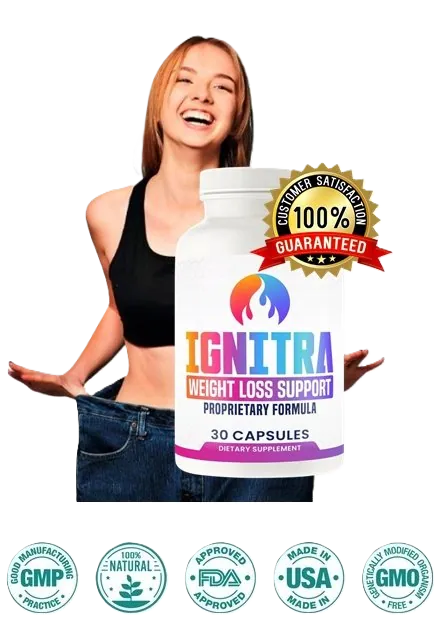
Berberine only works if it's the right form at a form you'll actually keep taking. Ignitra is built on Berberine HCL — the most-studied form — layered with 10 supporting compounds across four metabolic pathways: Konjac for satiety, Prickly Pear for calorie absorption, Turmeric and Mangosteen for inflammation, Riboflavin for energy. Stimulant-free, plant-based, made in a US FDA-registered GMP facility. The 180-day guarantee is the real differentiator — it covers the full 8–12 week evaluation plus three months of maintenance, so you're not gambling on a 30-day window that closes before Berberine even reads.
2,300+ verified buyers · 180-day money-back
Look elsewhere if: You would rather take it as a liquid than swallow another capsule — HoneyBurn carries the same active in drops.
HoneyBurn
The same active in a form you sip, not swallow
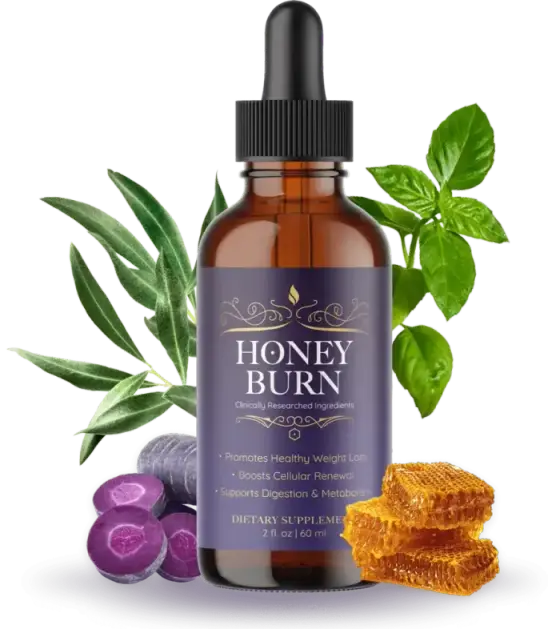
Berberine HCl again — this time drawn from Phellodendron amurense bark, standardised to 8%, inside a 550 mg blend built around fat-breakdown enzymes with kudzu and royal jelly alongside it. What changes is the delivery: two millilitres under the tongue each morning instead of a capsule. If swallowing pills is the part you keep skipping, that is the whole difference between a formula that works and one that sits in the cupboard.
Liquid drops — 2 ml daily · 60-day money-back
Look elsewhere if: You would rather have the broader multi-pathway coverage in a single capsule — Ignitra carries more metabolic angles for the money.
Capsule vs Patch vs Phytochemical Stack — Side by Side
Three approaches, three trade-offs. The honest comparison:
Compliance beats mechanism. The best Berberine supplement is the one you'll actually take for 12 weeks straight — pick for your stomach first, formula breadth second.
What the First 12 Weeks Actually Look Like
Berberine doesn't deliver overnight — and most people who quit, quit at week 2, exactly when the GI adjustment is finishing and right before the appetite shift starts. Here's the honest arc:
★ Weeks 9–12 is the payoff — which is exactly why Ignitra's 180-day guarantee matters: it covers the full window so you don't quit before Berberine has done its slow work.
When to Talk to a Doctor First
Berberine is gentle, but it's not inert — and for some people a conversation with a physician comes before the first capsule. Check in with your doctor if:
- You take diabetes medication (especially Metformin) — Berberine works the same pathway and can stack effects on blood sugar
- You're on blood-pressure medication or blood thinners, which Berberine can interact with
- You're pregnant or breastfeeding — Berberine isn't recommended in either case
- Your blood sugar issues are clinically significant rather than the everyday insulin drift Berberine is best suited to
Berberine is the gentler metabolic layer, not a replacement for medical management. If your case is clinical, treat the supplement as something you add with your doctor — not instead of one.
Which berberine supplement should you take for weight loss?
Berberine is the rare supplement-aisle compound that does roughly what the marketing suggests — mildly, slowly, and with real research behind it. The category's problem was never the molecule; it was the formulas burying it.
Here's where we'd start. If your stomach tolerates capsules, go with Ignitra — the Berberine HCL base, the multi-pathway support, and the 180-day guarantee make it the cleanest pick, and that long window means you can actually test through the full 12-week curve. If capsules are what you keep abandoning, go straight to HoneyBurn's drops so you'll still be taking it in week 8, which is the only week that matters.
Whichever you pick, give it daily consistency and let the AMPK pathway do its slow work: early signals around week 3–4, the visible shift in weeks 9–12. Worst case, you mail it back inside the guarantee. Best case, the post-meal crashes stop running your afternoons.
If you take diabetes, blood-pressure, or blood-thinning medication, talk to your doctor before adding Berberine — it shares a pathway with several of them.
Read this alongside our Ignitra review and why berberine gets called “nature’s Ozempic” for the fuller picture.
Frequently Asked Questions
Does Berberine really work for weight loss?
Yes — with realistic expectations. Multiple meta-analyses show Berberine produces modest but real weight loss (typically 4–5 kg over 12 weeks) primarily through improved insulin sensitivity, AMPK activation, and softer appetite signaling. It's not Ozempic. It's a genuine metabolic tool that earns its place for people whose insulin curve is part of the problem — PCOS, pre-diabetes, the late-30s insulin shift.
Is Berberine the same as Ozempic?
No. Ozempic (semaglutide) directly activates the GLP-1 receptor. Berberine works through AMPK — the same enzyme Metformin targets. The nickname 'nature's Ozempic' captures the appetite-control outcome, not the mechanism. Berberine is gentler, slower, and doesn't deliver Ozempic-level results, but it also doesn't carry the same side-effect profile or monthly cost.
What is the most absorbable form of Berberine?
Berberine HCL is the most-studied and best-absorbed oral form (Berberine dihydrochloride is the same molecule). For people who can't tolerate oral Berberine's GI effects, transdermal patches bypass the digestive tract entirely — different pharmacokinetics, same compound. When a label just says 'Berberine extract' with no form or percentage, treat that as a red flag.
What are the side effects of Berberine?
The most common is GI discomfort — bloating, cramping, loose stools — especially in the first two weeks, which usually resolves as the body adapts. Berberine can interact with prescription medications (especially diabetes drugs, blood pressure medication, and blood thinners), so consult your physician before starting if you take any of those.
How long does Berberine take to work?
Plan on 8–12 weeks of consistent daily use. Early signals — softer cravings, steadier blood sugar, less of the 3 p.m. crash — show up around week 3–4. Visible body-composition shifts land between weeks 8–12. Most people who quit do so at week 2, right when the GI adjustment is finishing and just before the appetite shift begins — which is exactly why a long guarantee window matters.
About Luciano Cesar
Luciano Cesar is a contributor at The Supplement Post, supporting the production of evidence-aware supplement reviews and buyer's guides across multiple health categories. His work spans ingredient analysis, formulation assessment and consumer-oriented summaries — what a label discloses, how the stated doses compare with the amounts used in published human research, and whether a formula's design matches what it claims to do. Every review is checked by The Supplement Post editorial team against the standards published in our editorial policy before it goes live.
Disclosure
All content on The Supplement Post is for informational purposes only and is not a substitute for professional medical advice, diagnosis, or treatment. Each product is a dietary supplement, not a prescription drug; statements about its benefits have not been evaluated by the U.S. Food and Drug Administration (FDA) and the product is not intended to diagnose, treat, cure, or prevent any disease.
Results may vary based on individual health status, consistency of use, and lifestyle. If you are pregnant or nursing, taking medication, or have a medical condition, consult a qualified healthcare professional before using any supplement.
This page may contain affiliate links—if you purchase through them, The Supplement Post may earn a small commission at no additional cost to you. References to third-party sites are provided for convenience; we do not control or guarantee their content.