
The Best Akkermansia Supplement for Weight Loss: The Bacteria That Triggers Your Own GLP-1
A bacterium that lives in your gut makes a protein that tells your body to release GLP-1 — the exact hormone Ozempic mimics with a needle. That's not marketing; it's published research. The hard part is finding a supplement that actually delivers the fragile strain alive.
See the #1 Akkermansia Pick → Or read all 3 picks first ↓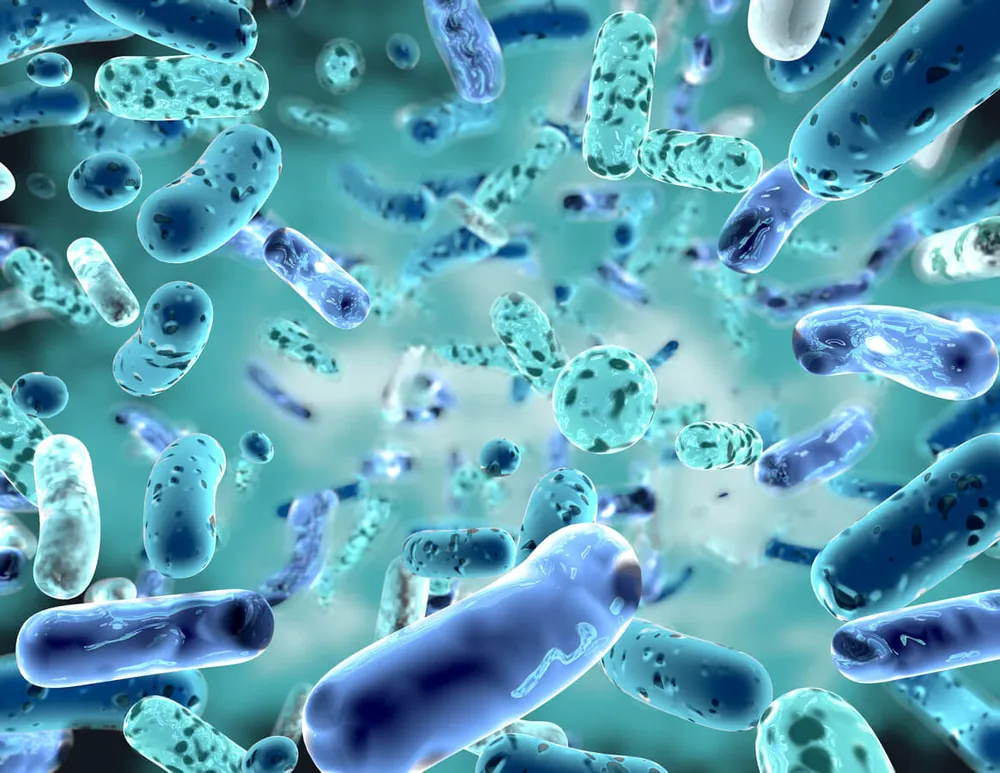
✓ The short answer
Akkermansia muciniphila is the gut bacterium most directly tied to your body's own GLP-1 — it produces a protein (P9) that prompts your gut to release the appetite hormone Ozempic mimics. The catch: the strain is fragile, and most "gut health" products that borrow the name don't deliver it intact. Our pick for the direct mechanism is SlimLeaf (Akkermansia + P9). If your gut needs broader repair, the multi-strain route (LeanBiome) fits better; Below: how the strain works, the two picks by profile, and the honest 8-week timeline.
First — What Akkermansia Muciniphila Actually Is
Akkermansia muciniphila is a bacterium that lives in the mucus layer of your colon. It makes up 1–4% of a healthy gut microbiome — and a decade of research has flagged it as one of the most metabolically important strains we carry. People with obesity, type 2 diabetes, and metabolic syndrome consistently run low on it. Re-introducing it (or its pasteurized postbiotic form) restores a slice of that biology.
The headline finding came from the Cani lab at Université de Louvain: Akkermansia produces a protein called P9 that pokes the L-cells in your gut into releasing GLP-1 — the same hormone Ozempic targets through a synthetic agonist. So the cascade reads simply: you eat, food signals reach your L-cells, and when Akkermansia is present and making P9, those cells release more GLP-1. You feel full earlier. The post-meal blood sugar spike softens. The crash-and-crave loop that drives snacking eases.
What it does not do is match Ozempic's magnitude. The natural release is real and measurable — roughly 4–8% body weight over six months in observational data — but it's a fraction of semaglutide's 15–20%. It's the body's own pathway, gently amplified, not a pharmaceutical flood. Any product selling it as a "natural Ozempic equivalent" is misreading the biology.
Why "akka" went from lab curiosity to everywhere
Ten years ago Akkermansia was a niche research term. Now it's one of the hottest searches in the gut-health space — and the reasons are concrete:
What's driving the surge
- "Akka" exploded once the GLP-1 link went mainstream. Search interest in Akkermansia supplements has climbed steeply through 2025 (Google Trends) as the gut-microbiome research jumped from journals into the weight-loss conversation — it's now one of the most-searched probiotic terms in the category.
- People want the GLP-1 effect without the GLP-1 prescription. With injections running $900–$1,500 a month and gated behind a diagnosis, the idea of nudging your own GLP-1 through a bacterium you already host is exactly the angle the post-Ozempic crowd is hunting for.
- One brand defined the category — and left room. Pendulum's "GLP-1 Probiotic" made Akkermansia mainstream, but its premium price opened space for alternatives positioned on broader formulas, longer guarantees, or the natural-Ozempic framing rather than a single strain.
- Delivery is the real differentiator. Akkermansia is fragile — sensitive to oxygen, heat, and stomach acid. The FDA and FTC routinely flag weight-loss supplements for not containing what they claim, so a formula that can actually deliver the strain (or the validated pasteurized form) matters more than any label buzzword.
The science underneath is older and steadier than the hype: the Cani-lab work characterizing Akkermansia's effect on GLP-1 — and the surprising finding that the pasteurized form works as well or better than live — predates the trend by years.
The Five Filters That Separate Real from Knockoff
The Akkermansia shelf is full of "gut health" formulas that bury the strain in a proprietary blend. Five filters cut through it — every pick below clears all five:
- Names Akkermansia muciniphila explicitly. As a hero ingredient — or, for postbiotic formulas, the P9 protein it produces. "Proprietary probiotic blend" with no named strain doesn't count.
- Specifies the dose form. Live at a studied colony count (around 10 billion CFU equivalent), or the pasteurized form used in the Cani-lab trials. Vagueness here is a red flag.
- Delivery that protects the fragile strain. Akkermansia dies in oxygen, heat, and stomach acid — so it needs specialized capsule technology, or the heat-stable pasteurized form. Generic gel caps destroy it before the colon.
- A realistic 4–8 week timeline. Colonization takes time. Anything promising an "overnight GLP-1 boost" is misleading.
- Honest framing on the Ozempic comparison. Akkermansia is the gentle, natural version — not a pharmaceutical equivalent. Brands that claim otherwise are overselling the biology.
What these terms actually mean:
- Akkermansia muciniphila ("akka")
- A bacterium that lives in your colon's mucus layer and helps regulate metabolism. People with weight and blood-sugar problems usually run low on it; supplementing aims to top it back up.
- P9 protein
- The specific molecule Akkermansia makes to switch on your gut's GLP-1 release. It's the actual link between the bacterium and the appetite effect.
- L-cells
- The cells in your gut lining that release GLP-1 after you eat. P9 is what tells them to release more — that's the whole mechanism in one sentence.
- GLP-1 (glucagon-like peptide-1)
- The hormone that signals fullness and steadies blood sugar after meals. Ozempic mimics it synthetically; Akkermansia coaxes your body into making more of its own.
- Pasteurized (postbiotic) Akkermansia
- A heat-treated version of the bacterium. Counterintuitively, the research found it works as well or better than the live form — and it's far more stable to deliver in a capsule.
The 3 Picks — by How Much Gut Repair You Need
The right pick depends on whether you want the single Akkermansia mechanism, broader microbiome repair, or a route that skips bacteria altogether. Match it to your gut, not the hype.
SlimLeaf
The direct strain mechanism — Akkermansia + the P9 protein
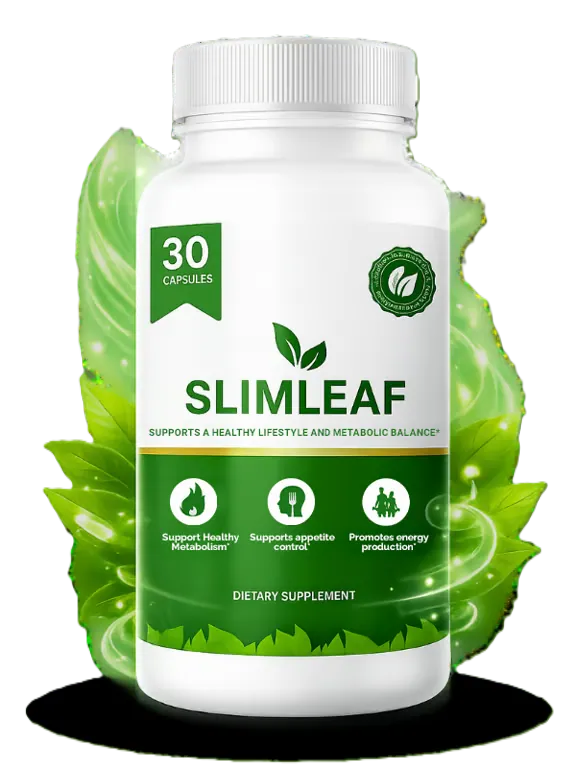
The Akkermansia-specific category is narrow — most manufacturers can't deliver the strain reliably at scale, because it's fragile. SlimLeaf is one of the few products built around Akkermansia muciniphila and the P9 protein pathway specifically: the exact mechanism the Cani lab identified for triggering your own GLP-1, not a 'gut health' label borrowing the name. The first appetite signal tends to land around week 2–3; the bigger changes in weeks 6–8. Colonization takes time, so plan on the 3-bottle bundle — the 30-day window closes before Akkermansia has finished reading.
500+ verified buyers · 30-day money-back
Look elsewhere if: You want broad gut-microbiome repair (post-antibiotic, post-GLP-1 GI chaos, general bloating) rather than the single Akkermansia mechanism — a multi-strain formula like LeanBiome covers more ground.
LeanBiome
Broader microbiome support — 9 strains including the Akkermansia genus
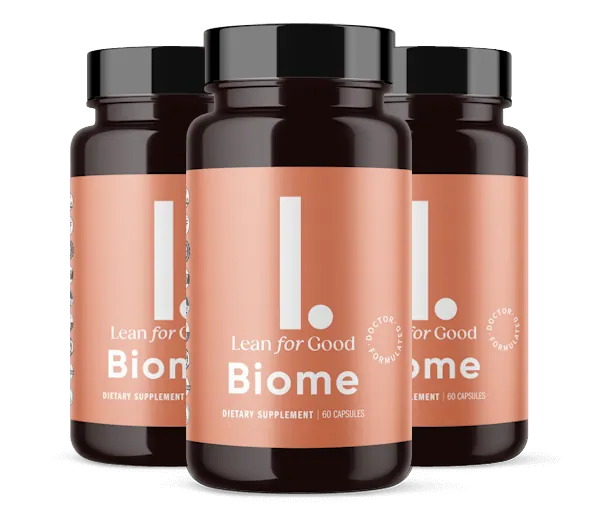
If your gut needs more than one lever — you've been beat up by antibiotics, a GLP-1 drug, or years of erratic eating — a single strain isn't the move. LeanBiome is a 9-strain formula anchored by L. Gasseri and L. Rhamnosus alongside the Akkermansia genus, built to repopulate the broader gut-brain axis that runs satiety signaling. The 180-day guarantee is the longest of these three, which matters because microbiome shifts genuinely take 8–16 weeks to settle.
8,500+ verified buyers · 180-day money-back
Look elsewhere if: You specifically want the Akkermansia + P9 → GLP-1 mechanism as the hero rather than one strain inside a broader blend — that's SlimLeaf's whole design.
Akkermansia-Direct vs Multi-Strain vs Phytochemical
Three doors to the same outcome. The honest comparison:
Match the approach to whether you want the bacterial mechanism specifically or a broader formula — and to which guarantee window lets you test through the full curve.
What the First 8 Weeks Actually Look Like
Akkermansia is the slowest of the GLP-1-pathway options to build — but the most biologically aligned with how your gut already works. The honest arc:
★ Weeks 7–8 is where it shows — which is exactly why the colonization timeline argues for a multi-bottle commitment rather than a 30-day test.
When a Prescription Is Still the Right Call
Akkermansia is a gentle, mechanism-based starting point — not a substitute for medical care when the case is clinical. Talk to your doctor about a prescription route if:
- Your BMI is over 35, or you have type 2 diabetes / metabolic syndrome that needs the magnitude only pharmaceutical GLP-1 delivers
- You have a GI condition (IBD, SIBO, severe dysbiosis) where introducing a new strain should be cleared with a clinician first
- You take prescription medication for blood sugar or thyroid and want to confirm there's no interaction
- You've given the natural route a real 8–12 week run and your body simply isn't responding
For people with a clinical indication, Akkermansia is a complement to medical care, not a replacement. For everyone else, it's a reasonable first step that works with your own biology instead of overriding it.
Which akkermansia supplement should you take for weight loss?
Akkermansia muciniphila is the most direct natural lever we know of for your body's own GLP-1 system. The category is narrow because the strain is hard to deliver — which is exactly why "names the strain and delivers it" beats "borrows the name" every time.
Here's where we'd start. If you want the actual Akkermansia → P9 → GLP-1 mechanism, go with SlimLeaf and plan on the 3-bottle bundle so colonization has time to read. If your gut needs broader repair — post-antibiotic, post-GLP-1, or just years of chaos — LeanBiome's 9 strains and 180-day window fit better.
Whichever you pick, give it 4–8 weeks of daily consistency: quiet at first, the first appetite shift around week 3, the visible change in weeks 7–8. Expect mild, real change — not Ozempic magnitude. Worst case, you mail it back inside the guarantee; best case, your gut starts doing the work a needle used to do for you.
If you have a GI condition or take blood-sugar or thyroid medication, talk to your doctor before adding a new probiotic strain.
Still weighing the decision? See our full LeanBiome review and what “Akka” actually is.
Frequently Asked Questions
What is Akkermansia muciniphila and how does it help with weight loss?
Akkermansia muciniphila is a bacterium naturally present in healthy human guts — it lives in the mucus layer of the colon and supports gut-barrier integrity. The Cani lab at Université de Louvain identified that Akkermansia produces a protein called P9 that stimulates L-cells in the gut to release GLP-1, the same hormone Ozempic mimics. People with obesity and metabolic syndrome typically have lower Akkermansia levels, and re-introducing the strain (or its postbiotic form) supports modest weight loss and improved insulin sensitivity.
Is Akkermansia the same as Ozempic?
No. Ozempic (semaglutide) directly activates GLP-1 receptors at pharmaceutical magnitude — 15–20% body-weight loss in trials. Akkermansia stimulates your body's own L-cells to release GLP-1 naturally — a modest effect, slower onset, roughly 4–8% weight loss in observational data. Same biological system, very different magnitudes. Akkermansia is the gentler, non-prescription, non-injection option.
How long does Akkermansia take to work for weight loss?
Plan on 4–8 weeks for colonization and 8–12 weeks for visible effect. The Cani lab trials measured improvements at three months. Early signals — softer appetite between meals, steadier energy — typically show up around week 2–3. Don't evaluate at week 1; the bacteria haven't established yet.
Can you take Akkermansia long-term?
Yes. The published research shows good safety with daily supplementation over months. Akkermansia is a normal human gut bacterium — re-introducing it doesn't carry the same long-term unknowns as prescription weight-loss drugs. As always, if you have underlying GI conditions or take prescription medications, consult your physician.
What's the difference between live and pasteurized Akkermansia?
Live Akkermansia is the bacterium itself, which requires careful delivery to survive stomach acid. Pasteurized Akkermansia is the heat-treated version — and notably, the Cani lab trials found pasteurized Akkermansia produced equivalent or even better metabolic benefits than the live form. Both have published research; the right one depends on the specific formulation and how well it's delivered.
About Luciano Cesar
Luciano Cesar is a contributor at The Supplement Post, supporting the production of evidence-aware supplement reviews and buyer's guides across multiple health categories. His work spans ingredient analysis, formulation assessment and consumer-oriented summaries — what a label discloses, how the stated doses compare with the amounts used in published human research, and whether a formula's design matches what it claims to do. Every review is checked by The Supplement Post editorial team against the standards published in our editorial policy before it goes live.
Disclosure
All content on The Supplement Post is for informational purposes only and is not a substitute for professional medical advice, diagnosis, or treatment. Each product is a dietary supplement, not a prescription drug; statements about its benefits have not been evaluated by the U.S. Food and Drug Administration (FDA) and the product is not intended to diagnose, treat, cure, or prevent any disease.
Results may vary based on individual health status, consistency of use, and lifestyle. If you are pregnant or nursing, taking medication, or have a medical condition, consult a qualified healthcare professional before using any supplement.
This page may contain affiliate links—if you purchase through them, The Supplement Post may earn a small commission at no additional cost to you. References to third-party sites are provided for convenience; we do not control or guarantee their content.