
Treatment Guide
Toenail Fungus Treatment: What Actually Works Before You Ask for a Prescription
Most people buy something before they have answered the two questions that decide whether it can work: is this actually fungus, and is this nail still a winnable one. Answer those first and a topical has a real chance. Skip them and you spend months on the wrong problem.
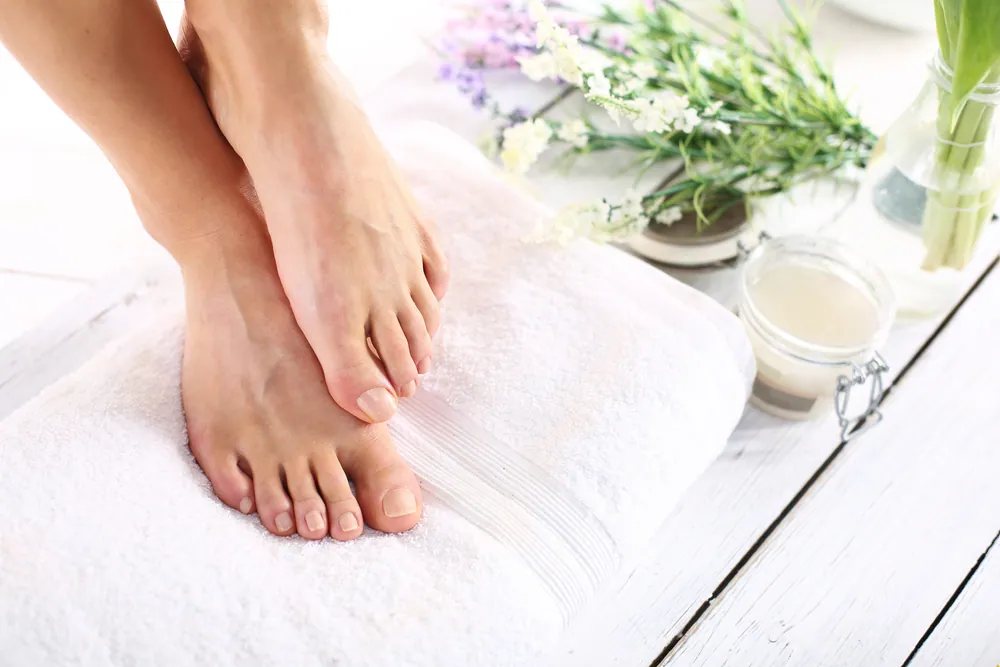
Is it really toenail fungus?
It has been like this for a while. The nail thickened, turned yellow or chalky, and stopped matching the others. You have looked at it in the shower more than once and decided to deal with it later.
When people finally do deal with it, they buy something first. That is the wrong order, because a fair share of thickened, discoloured nails are not infected at all.
Nail psoriasis produces pitting and lifting that look remarkably like fungus. An old injury does something similar, especially if you once dropped something on that toe or spent years in tight running shoes. And nails simply thicken and yellow with age as circulation to the toes slows. None of those respond to an antifungal, however faithfully you apply it.
Two questions sort most of this out. Did the change follow an injury to that specific toe? Are your fingernails or skin affected too? A yes to the first points at trauma, a yes to the second at psoriasis. A doctor settles it with a clipping sent to a lab, and if you are about to commit to months of anything, that is a worthwhile appointment.
Which toenail fungus cases respond to treatment
This is the part product pages leave out, and it is the single best predictor of whether a topical will do anything for you.
The fungus lives underneath and inside the nail plate, which is hard and dense by design. Anything you paint on top has to travel through it. So the nails that respond are the ones where there is less to travel through and less ground to recover: damage at the tip, healthy nail still coming in at the base, a plate that has thickened somewhat but not enormously.
A 2020 Cochrane review by Foley and colleagues found that topical treatments used on their own achieve complete cure in a relatively low proportion of cases overall. Read alongside the point above, that is not a reason to skip them. It is a reason to know which case you have, because the average includes a lot of severe nails that were never going to respond to something applied on the surface.
If the nail is thick throughout, crumbling, or affected right back to the cuticle, the honest answer is that oral treatment clears substantially more of those. A network meta-analysis of 40 trials by Fávero and colleagues put terbinafine among the most effective oral options. That route needs a doctor, and for a nail in that condition it is the appointment worth making.
The key point You are not waiting for the bad nail to turn clear. It never will. You are waiting for clear nail to appear at the base and push the damaged part toward the tip, which is a thing you can see happening long before the nail is fully replaced. Luciano Cesar, Content Contributor
How to treat toenail fungus at home
Do these alongside whatever you apply. They address the obstacle rather than the fungus, and that is where most home attempts fall down.
| What to do | Why it matters | How you'll know it counted |
|---|---|---|
| File the thickness down | A dense plate is the barrier. Less of it means less for any formula to cross | The nail stops catching on socks, and formula soaks in instead of beading on top |
| Let shoes dry fully | Warm damp footwear reinfects a nail you are actively treating | Rotating two pairs means neither goes back on still damp |
| Treat the skin too | Athlete's foot on the skin often travels with the nail problem and feeds it | Itching and flaking between the toes settle down within a couple of weeks |
None of that is glamorous, and all of it is why two people using the same product get different results.
The terms that matter
- Onychomycosis
- The medical name for a fungal nail infection. Worth knowing because it is the word used on lab results and in research, and searching it turns up better information than "toenail fungus" does.
- Nail plate and nail matrix
- The plate is the hard part you can see. The matrix is the growth zone tucked under the skin at the base, and it is where the new nail is made. Everything you are hoping for comes out of the matrix, which is why you watch the base rather than the tip.
- Complete cure
- The outcome trials actually measure. It means both that the fungus is gone on testing and that the nail looks normal again. It is a strict bar, which is part of why topical cure rates read lower than people expect.
- Undecylenic acid
- A recognised over-the-counter antifungal active, found in several nail products. Its labelled uses are skin infections such as athlete's foot, which is why it earns its place in a nail product: the skin between the toes is where nail fungus usually comes back from.
What to put on toenail fungus
For a mild nail, the format matters as much as the formula, because you are applying something every day for months. The easier it is to cover the nail and the skin around it, the more likely you are to keep going, and keeping going is what this comes down to.
ProNail Complex
Mist spray for the nail and the skin around it, 5% undecylenic acid in a 17-oil blend
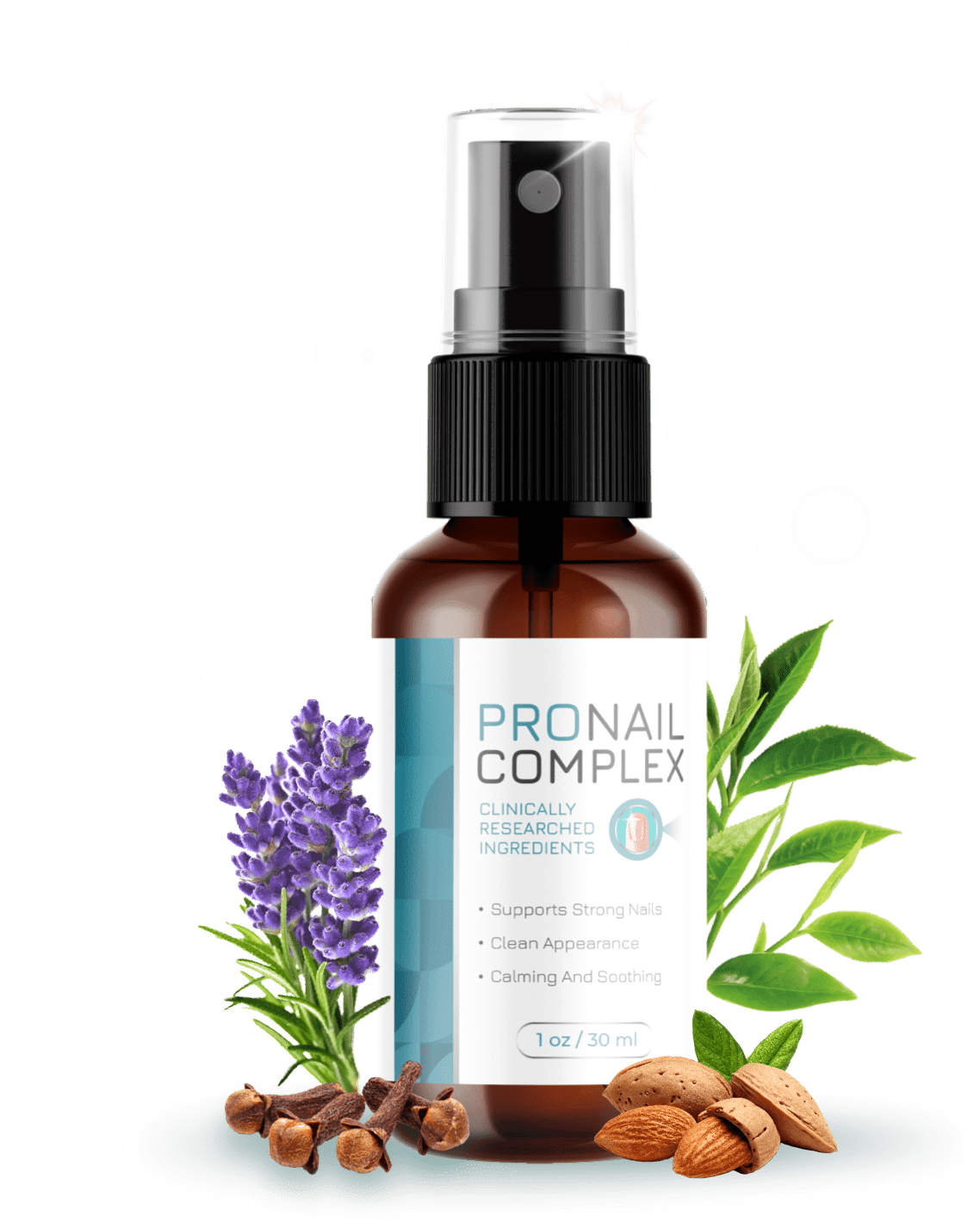
The mist is the argument here. One pass covers the nail, its edges and the skin between the toes, so the "treat the skin too" step from the table above happens in the same two seconds. The fine droplets also reach under the nail edge, where a thick cream tends to sit on top. The active is 5% undecylenic acid, a recognised over-the-counter antifungal, carried in a 17-oil blend that includes tea tree and manuka. Twice a day takes almost no time, and that is the real advantage on the kind of nail that responds: it makes the months of consistency easy.
Look elsewhere if: The nail is thick right back to the cuticle, painful, or lifting from its bed. That is the case where oral treatment clears far more nails than anything topical, and it starts with a doctor. We set the routes side by side in the full treatment comparison.
Toenail fungus treatment: what to do this week
Take the nail you actually have, not the one in the product photo:
Damage at the tip, healthy nail still at the base, no pain?
This is the winnable case. Start filing the thickness down, sort out your shoe rotation, and apply something daily. ProNail Complex is what we would use, because the mist treats the nail and the skin around it in one pass.
Not sure it is even fungus?
Worth confirming before you commit months to it. A clipping sent to a lab settles the question, and it saves you treating psoriasis or an old injury with something that cannot touch either.
Diabetes, poor circulation, pain, or a nail lifting from the bed?
See a doctor rather than self-treating. Nail infections carry more risk when circulation is impaired, and a thick nail affected to the base is the situation where oral treatment clears far more cases than anything topical.
What works for toenail fungus: the verdict
The reason home treatment gets a bad reputation is that most of it is aimed at the wrong nail. People with severe, thickened, fully involved nails buy topicals, apply them for six weeks, see nothing, and conclude the category is a scam. The nails that were always going to respond belong to people who caught it earlier.
If you caught it earlier, that is genuinely good news, and the practical work is small: confirm what you are treating, file the plate down, keep your shoes dry, treat the skin, and apply something every day while the nail does its slow job. The first clear band at the base is your answer, and it shows up well before the nail is fully replaced.
If you want one thing to start with today, ProNail Complex is where we would begin for a mild case, because the mist makes daily consistency easy and consistency is what this comes down to.
If you have diabetes or reduced circulation in your feet, treat any nail or skin change as a reason to see a doctor rather than to self-treat. The risk calculation is genuinely different there, and it is not one to make alone.
Frequently asked questions
Can toenail fungus be treated without a prescription?
Sometimes, and the honest answer depends on the nail. A 2020 Cochrane review found that topical treatments used alone achieve complete cure in a relatively low proportion of cases. The cases that do respond tend to be the milder ones: damage confined to the tip, healthy nail still growing at the base, and a plate that has not thickened dramatically. If that describes your nail, a topical is a reasonable first move.
How do I know it is fungus and not something else?
You often cannot know for certain by looking, which is why doctors take a clipping. Psoriasis produces pitting and separation that mimic fungus closely. So does an old injury, and so does simple age-related thickening. If only one nail changed after you dropped something on it, trauma is more likely than infection. If nails and skin elsewhere are also affected, psoriasis moves up the list.
Does filing the nail down actually help?
It addresses the main obstacle, which is thickness. The fungus sits under and inside a dense plate, and anything applied to the surface has to get through it. Reducing that thickness gently and regularly gives a topical formula less to cross. It is the cheapest thing on this list and it costs nothing but a few minutes.
How long until a toenail looks normal again?
The treated nail never becomes clear, so that is the wrong thing to watch. The new nail growing in from the base is what turns clear, and it pushes the damaged part forward as it grows. Trials measuring cure follow people for 36 to 52 weeks because that is how long a toenail takes to replace itself. The encouraging part is that the first band of healthy growth shows up well before then.
When should I stop treating it myself and see a doctor?
Go now, rather than trying anything first, if you have diabetes or poor circulation in your feet. Also go if the nail is painful, if the skin around it is red, hot or swollen, if the nail is lifting away from its bed, or if several nails changed quickly. And go if you have applied something faithfully for several months with no clear growth at the base, because that is the signal a topical is not going to reach this one.