
Buyer's Guide
Nerve Formula or Joint Formula? How to Tell Which Pain Supplement You Actually Need
They're not the same problem — and the supplements that help one do little for the other. Two minutes here can save you months on the wrong bottle.

First — nerve pain and joint pain are not the same thing
This trips up a surprising number of people, and it's an expensive mistake: buy a joint supplement for what's actually nerve pain, take it faithfully for three months, feel nothing, and conclude "supplements don't work." The truth is you just bought the wrong category. Nerve pain and joint pain come from different tissue, feel different, and respond to different ingredients.
The good news is they're usually easy to tell apart once you know what to listen for — and the sensation itself is the biggest tell.
How to tell which one you have
| The clue | Points to nerve | Points to joint |
|---|---|---|
| What it feels like | Burning, tingling, electric, numb, "pins and needles" | Aching, stiff, grinding, sore |
| Where it is | Often feet or hands; can spread along a path | Centered on a joint — knee, hip, hand, shoulder |
| When it's worse | Often at night and at rest | With movement, weight-bearing, or after use |
| Other signs | Skin feels oversensitive; things "feel wrong" | Stiffness after sitting; swelling; reduced range |
| The fix targets | Antioxidants, circulation, nerve-cell support | Cartilage, cushioning, joint inflammation |
The key point If it burns or tingles, think nerve. If it aches or stiffens, think joint. Match the formula to the sensation — a nerve supplement does little for cartilage, and a joint supplement does little for a burning foot. Luciano Cesar, Content Contributor
By the numbers
2
different problems — nerve and joint — with different fixes
burn = nerve
the single fastest way to tell them apart
ache = joint
stiffness and grinding point to the joint, not the nerve
1st
get a diagnosis when it's severe, sudden, or swollen
Match the formula to the problem
None of these is a runner-up — they're three tools for different jobs. Pick by which description above sounds like you.
Arialief
Burning, tingling, numb feet or hands
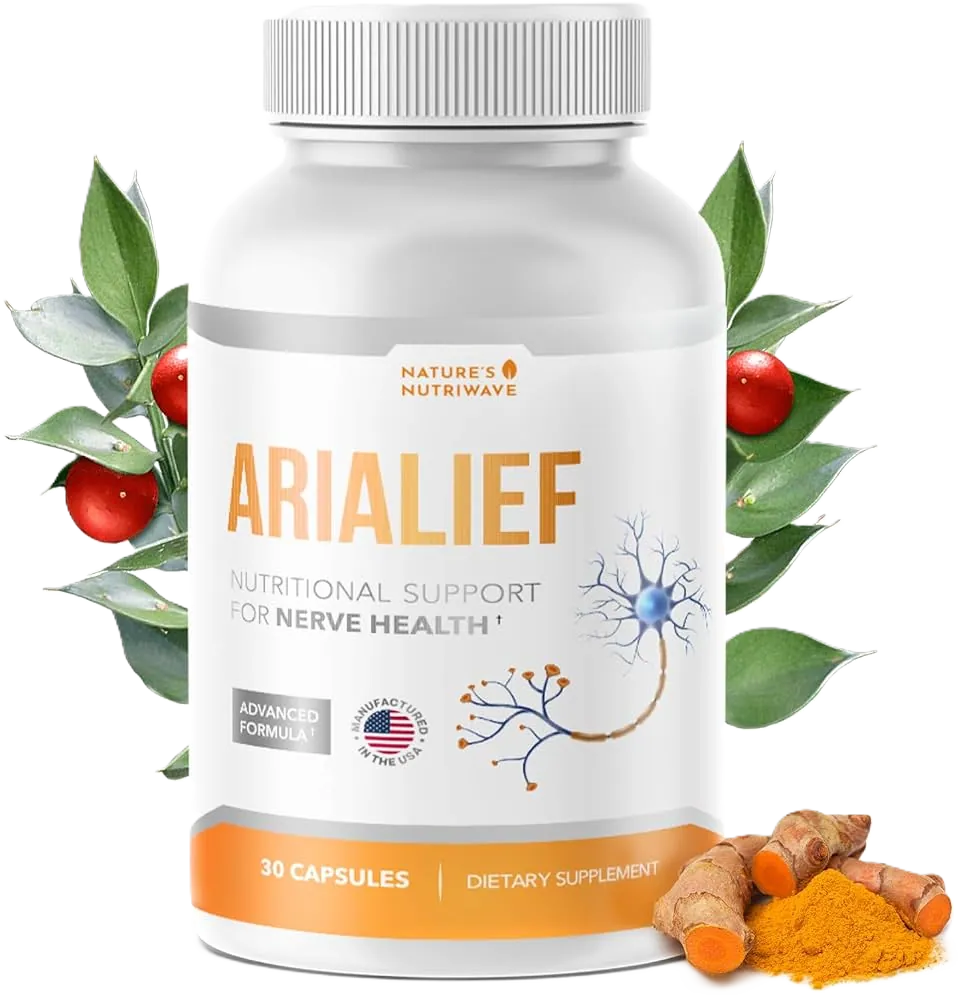
Arialief anchors on alpha-lipoic acid — the most-studied nerve nutrient — plus L-Carnitine, turmeric, magnesium, Butcher's Broom, and CoQ10, in one daily capsule. It's built for the nerve side: burning, tingling, numbness. 60-day money-back guarantee. Full Arialief review. Prefer a liquid? Nu Nerve is the drops alternative.
Joint Genesis
Aching, stiff, grinding joints
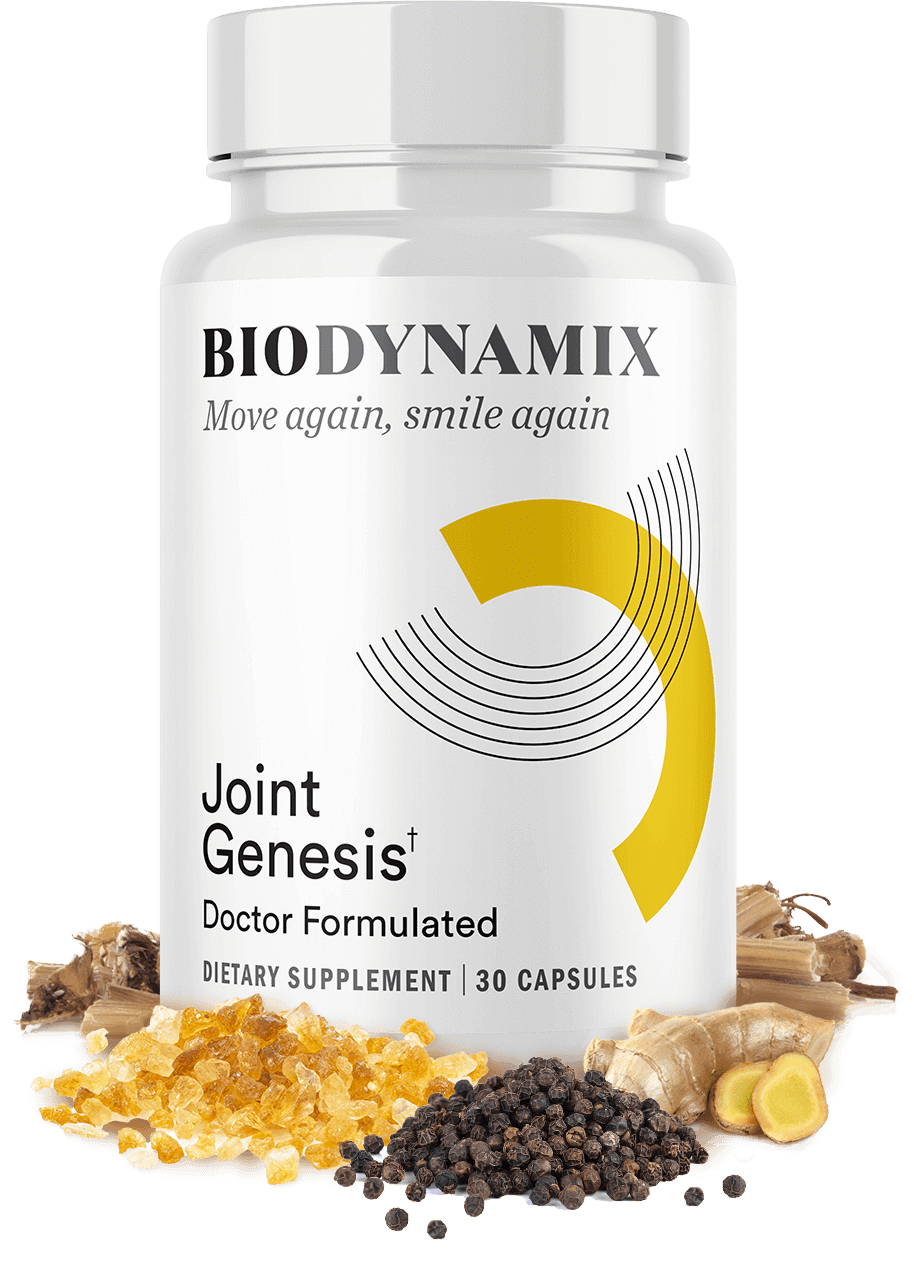
Joint Genesis is built for the joint side — aching, stiffness, and mobility — around the patented Mobilee ingredient, which supports the cushioning fluid inside joints. Completely different target from a nerve formula, which is the whole point. Full Joint Genesis review.
Nu Nerve
Nerve support if you prefer drops
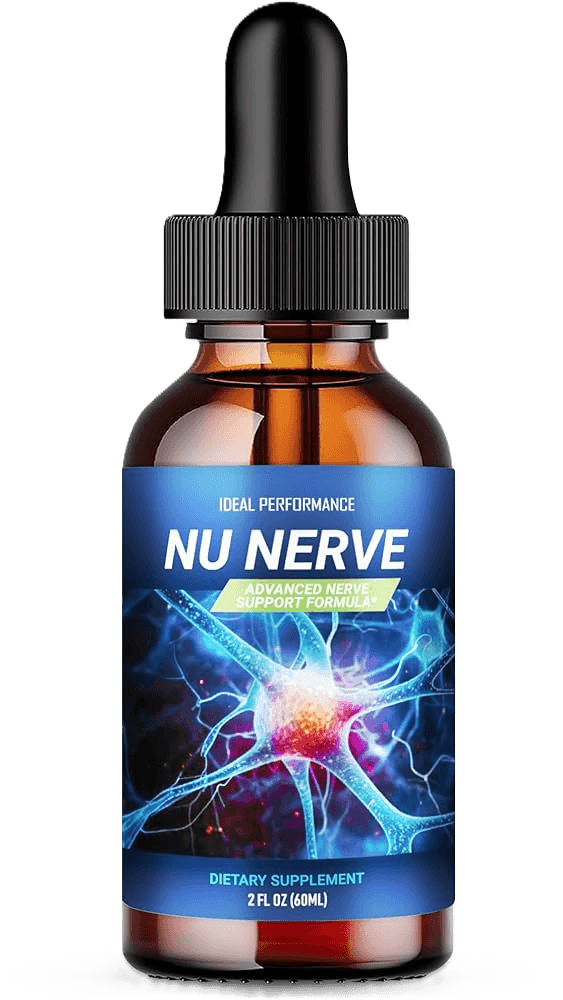
If your problem is the nerve side but you'd rather not take capsules, Nu Nerve delivers nerve support as fast-absorbing liquid drops built around nerve regeneration. Same target as Arialief, different format. Full Nu Nerve review, or see Arialief vs Nu Nerve.
Nerve formula or joint formula: which one do you need?
Before you buy anything, name the problem. Burning, tingling, or numbness is nerve — that's Arialief (or Nu Nerve as a liquid). Aching, stiffness, or grinding in a specific joint is joint — that's Joint Genesis. Matching the formula to the sensation is the single biggest thing that decides whether a supplement seems to "work," because the wrong category simply can't help the tissue that hurts.
And if the pain is severe, sudden, swollen, or you genuinely can't tell — that's a diagnosis first, then the right formula.
Supplements are gradual support, not cures, and don't replace medical care. Severe, sudden, or worsening pain, swelling, weakness, or spreading numbness should be evaluated by a healthcare professional.
Frequently asked questions
How do I know if I have nerve pain or joint pain?
The quality of the sensation is the biggest clue. Nerve pain tends to burn, tingle, feel electric, or go numb — often in the feet or hands, and frequently worse at night and at rest. Joint pain tends to ache, feel stiff, or grind, is centered on a specific joint like a knee or hip, and usually worsens with movement or weight-bearing. If it burns or tingles, think nerve; if it aches and stiffens, think joint.
Can a supplement help both nerve and joint pain?
Not really — they target different biology. Nerve formulas focus on antioxidants, circulation, and nerve-cell support (alpha-lipoic acid and the like); joint formulas focus on cartilage, cushioning, and inflammation (ingredients like the patented Mobilee in Joint Genesis). A product aimed at one usually does little for the other, which is exactly why matching the formula to the problem matters. If you genuinely have both, that's worth discussing with your doctor.
What's the best supplement for nerve pain in the feet?
For the burning and tingling of nerve discomfort, an alpha-lipoic-acid-anchored formula has the strongest evidence — our pick is Arialief (capsule), with Nu Nerve as the liquid alternative. These support the nerves themselves, not the joints.
What's the best supplement for aching, stiff joints?
For joint aching, stiffness, and mobility, a cartilage-and-cushioning formula fits — our pick in this category is Joint Genesis, built around the patented Mobilee ingredient for joint comfort and flexibility. It's aimed at the joint, not the nerve.
When should I see a doctor instead of trying a supplement?
Any time pain is severe, sudden, follows an injury, comes with swelling, weakness, numbness that's spreading, or a joint that's hot and red — those need a diagnosis, not a guess. Supplements are for milder, gradual support once you know what you're dealing with, and they work best alongside proper care.