
Ingredient Check
Lycopene Supplement for Prostate: What to Look For, and Where Green Tea Fits in a Formula
Lycopene is the tomato antioxidant behind a lot of prostate talk. Here is the range studies use, what to check on a label, and where green tea fits in the same routine.

Is lycopene good for an enlarged prostate?
Lycopene is the red pigment in tomatoes, and it works as an antioxidant. A weaker stream or a night cut short is what usually brings a man to this question.
The short answer is yes, as a supporting player. The best recent data come from the Italian COMP study, which Morgia and colleagues published in Frontiers in Urology in 2025. It followed 269 men with an enlarged prostate across 21 centers for a year. One group took a tablet of saw palmetto extract, lycopene and selenium. The other took dutasteride, a prescription drug.
The key point Lycopene shows up in the research as one part of a combination. That is also how it fits a routine best. Luciano Cesar, Content Contributor
Symptom scores fell by about four points in the supplement group and four and a half in the drug group. Urine flow rose by two to two and a half points in both, and the supplement group kept its sexual function steady. The authors add an honest note: the combination should not replace dutasteride for men who need the prostate to shrink. The study was not randomized, and lycopene was one part of the tablet, not the whole of it.
Which lycopene supplement is best for prostate health?
On a label, a few things matter more than the lycopene line itself.
- It says what lycopene is there for. A label that names the antioxidant role, the flow ingredients and the muscle tone has been planned. "Prostate blend" has not.
- It pairs lycopene with flow ingredients. In the COMP study the partners were saw palmetto and selenium. In the formulas below they are pumpkin seed oil, beta-sitosterol, pygeum and saw palmetto.
- It is easy to take with a meal. Lycopene dissolves in fat, so a meal with some oil helps it absorb.
- The claims stay at comfort and flow. A steadier stream over the weeks is the honest promise.
- The guarantee outlasts the build. A longer money-back window lets you judge a full trial.
The meal is a small habit with real support. Arballo and colleagues' 2021 review in Antioxidants notes that dietary fat changes how well lycopene is absorbed. In Yao and colleagues' 2023 crossover trial, lycopene absorption from a salad was about 46% higher with olive oil than with coconut oil. A capsule with a meal that includes olive oil costs you nothing extra.
How much lycopene should I take for my prostate?
There is no official daily amount for lycopene in the United States. A 2026 review in Molecules by Anghel and colleagues puts the range used in human studies at roughly 2 to 20 mg a day, with some trials going up to about 30 mg.
For scale, the tablet in the COMP study carried 5 mg of lycopene, next to a saw palmetto extract and 50 micrograms of selenium. The studies that point to a benefit used lycopene beside partners, so the number to judge is the whole formula, not one line of it.
If you take prescription medicine for your prostate, blood pressure or blood thinning, ask your pharmacist or doctor before adding any supplement.
Lycopene alone or in a prostate formula?
A weaker stream and a slow start come from several things at once: the gland, the inflammation around it and the tone of the urethral wall. Lycopene covers the antioxidant side. A formula such as TitanFlow adds ingredients for the other sides. Here is a lycopene-only product next to it:
| What you want covered | Lycopene on its own | TitanFlow |
|---|---|---|
| Antioxidant support | Yes | Yes (lycopene, broccoli sprout) |
| Urinary flow support | Not its role | Yes (pumpkin seed oil, beta-sitosterol) |
| Urethral wall and muscle tone | Not its role | Yes (pumpkin seed oil, pygeum) |
| Routine | Varies by product | 2 capsules a day |
Green tea extract or green tea to drink: which fits a prostate routine?
Is green tea good for prostate health? Yes, it is a good daily habit. Its catechin, EGCG, is the antioxidant researchers look at most for the prostate, as Altinoz and Sanlier describe in their 2026 review in BMC Cancer. Green tea works best as a supporting habit, sitting beside a full formula.
Is a green tea supplement better than drinking green tea? They do different jobs. A cup is mild, pleasant and easy to keep up. An extract packs catechins into a capsule, in an amount that depends on how the maker processes it. The 2020 United States Pharmacopeia review of green tea extracts, led by Oketch-Rabah, notes that catechin profiles vary a lot with manufacturing. It also advises taking extracts with food, and not using them if you have a liver problem.
What is the best green tea for your prostate? The best one is the one you will drink every day. Brewed fresh and unsweetened, sencha, plain green tea bags and matcha all give you catechins. The same goes for which green tea is best for an enlarged prostate: pick for taste and routine. Green tea has caffeine, which some men notice at night, so many keep it to the morning and early afternoon.
If you want green tea inside a capsule, with partners on the same pathway, ProstaPeak is the formula that carries it.
Best lycopene supplement for prostate: two formulas, one with lycopene and one with green tea
Both are full prostate formulas. TitanFlow carries lycopene beside pumpkin seed oil, beta-sitosterol and pygeum; ProstaPeak carries green tea extract beside saw palmetto, pygeum and cat's claw. Each names the man it fits.
TitanFlow
Weak flow and straining to start, with lycopene in the formula
If you want lycopene inside a formula rather than on its own, TitanFlow lists it next to pumpkin seed oil at 500 mg, beta-sitosterol complex, pygeum and broccoli sprout extract. The first three work on the flow side, the stream and the urethral wall. Lycopene and broccoli sprout stand guard over the tissue doing that work. It is two capsules a day with no stimulants, and first signals show from week 3.
Look elsewhere if: You want green tea and saw palmetto in the same capsule. ProstaPeak below is built that way.
ProstaPeak
Green tea extract and saw palmetto in a 20-ingredient capsule
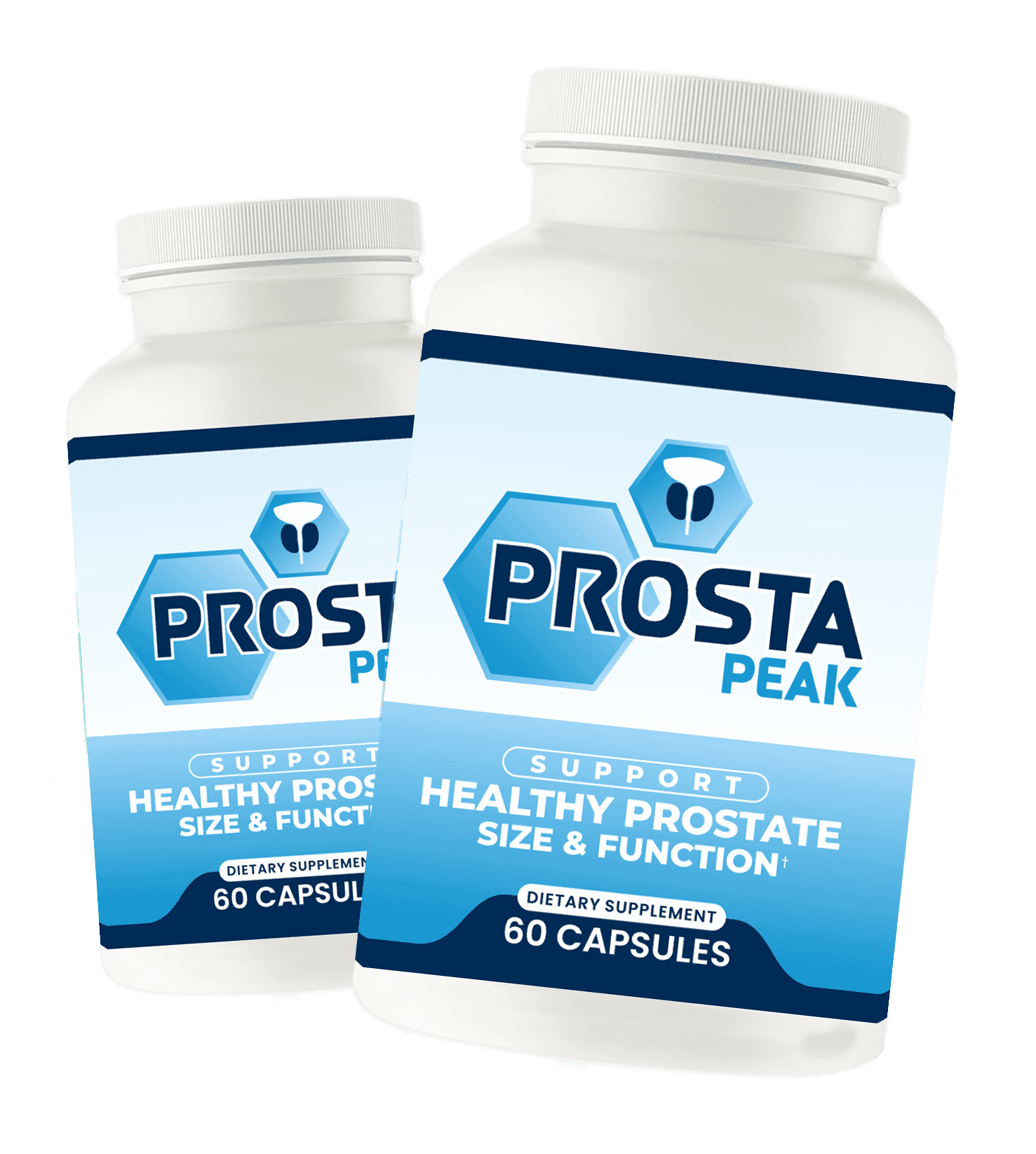
ProstaPeak carries green tea extract inside a formula of 20 or more botanicals. Saw palmetto works the hormone step, pygeum eases the smooth muscle around the tube, and green tea with cat's claw covers the antioxidant side. It is two capsules a day with no stimulants, and first signals show from week 3. As with any green tea extract, take it with a meal.
Look elsewhere if: You want lycopene on the label. TitanFlow above carries it next to pumpkin seed oil and pygeum.
Is a lycopene supplement worth trying for prostate support?
Is a lycopene supplement worth trying for prostate support? Yes, as part of a formula, for a man who wants a steadier stream and quieter nights.
Picture a full morning of meetings without a glance at the clock for the nearest restroom. Or a long dinner with friends that doesn't end with you slipping out first.
Lycopene is a potentiator, not a cure. It adds an antioxidant layer to a routine that already holds sleep, movement and a tomato or two, and it does not act like a switch.
The ground is real. Morgia and colleagues' 2025 COMP study followed 269 men for a year on a saw palmetto, lycopene and selenium tablet and saw symptom scores improve. Anghel's 2026 review maps the amounts used in human studies, and Yao's trial shows why a meal with olive oil helps lycopene absorb. Together they make the attempt an informed one.
How much you notice depends on where you start. A man who has just noticed a slower stream will likely read a bigger change than one who has lived with it for years, and sleep, hydration and consistency move the result too. That is the reason to give a formula the full window, with first signals around week 3.
Frequently asked questions
Is lycopene good for an enlarged prostate?
As part of a combination, it has been studied with good results. In the Italian COMP study of 269 men, a tablet of saw palmetto, lycopene and selenium improved urinary symptom scores over one year by about as much as dutasteride. Lycopene on its own was not what that study tested.
Which lycopene supplement is best for prostate health?
The one that sits inside a formula built for urinary flow and that you take with a meal. TitanFlow lists lycopene beside pumpkin seed oil, beta-sitosterol complex and pygeum. If green tea and saw palmetto in the same capsule matter more to you, ProstaPeak is the option.
How much lycopene should I take for my prostate?
There is no official daily amount. A 2026 review puts the range used in human studies at roughly 2 to 20 mg a day, with some trials going up to about 30 mg. If you take prescription medicine, ask your pharmacist or doctor before adding a supplement.
Is a green tea supplement better than drinking green tea?
They do different jobs. A cup is mild and easy to keep up, and an extract packs catechins into a capsule in an amount that depends on how the maker processes it. Take extracts with food, and skip them if you have a liver problem.
Is it better to get lycopene from tomatoes or a supplement?
They work together. Tomato-rich meals give you lycopene along with other plant compounds, and a formula adds it next to ingredients chosen for urinary flow. Food is a good base, and a supplement fills the gaps in a busy week.
When should I see a doctor about prostate concerns?
See a doctor for persistent urinary changes, blood in urine or semen, pelvic pain, or an elevated PSA. Lycopene, green tea and other supplements support everyday prostate comfort. They do not replace medical screening.