
Prostate Cancer Symptoms in Men: What's Normal, What's Not, and When to Take Action
Early-stage prostate cancer often causes no symptoms — which is exactly why confusion happens. This guide separates common BPH-style urinary changes from red-flag warning signs, and explains when to stop guessing and get evaluated.

Symptoms can overlap — but patterns, progression, and red flags matter. Use this as a clarity-first checklist, not a self-diagnosis tool.
In this guide:
- Why Confusion Around Symptoms Is So Common
- Why Prostate Symptoms Overlap (BPH vs Prostatitis vs Cancer)
- Early Symptoms: What Men Notice First
- Symptoms That May Suggest Advanced Disease
- What's "Normal Aging" vs What's Not
- Where Supplements Fit (Support vs Treatment)
- Comparison: Prostate Cancer vs BPH Symptoms
- How to Choose a Prostate Support Supplement
- FAQs
- Final Thoughts
- Recommended Products
If prostate cancer always caused obvious symptoms early, screening wouldn't be such a major topic in men's health. The uncomfortable truth is that early-stage prostate cancer often produces little to no symptoms. That's why patterns matter — and why "I feel fine" isn't the same as "I've been evaluated."
Introduction – Why Confusion Around Symptoms Is So Common
Many men experience urinary changes in their 40s, 50s, or 60s and immediately fear the worst. Others ignore persistent symptoms assuming "it's just aging." In reality, distinguishing between benign enlargement, inflammation, and potential cancer requires understanding patterns — not panic.
Supporting overall prostate health through evidence-informed supplements such as Prostavive , TC24 , and Prostadine has become common among men looking to maintain urinary comfort and tissue balance. But supplements do not treat or cure cancer — they're best viewed as supportive routines alongside regular medical evaluation.
Let's break down what's normal, what's not, and when symptoms require immediate attention.
Understanding the Prostate and Why Symptoms Overlap
The prostate is a walnut-sized gland located just below the bladder and surrounding the urethra. Because of this position, even small structural changes can affect urinary flow — which is why different conditions can feel similar from the outside.
Three common prostate conditions share overlapping symptoms:
- Benign Prostatic Hyperplasia (BPH) – Non-cancerous enlargement
- Prostatitis – Inflammation or infection
- Prostate Cancer – Malignant cell growth
The overlap is mechanical: as the prostate enlarges or becomes inflamed — whether benign or malignant — it can compress the urethra. The difference is not always in the sensation. It's often in progression, severity, and associated warning signs.
Early Symptoms of Prostate Cancer in Men
Here's the nuance most articles skip: early prostate cancer frequently causes no symptoms at all. That's why PSA testing and digital rectal exams exist for screening.
However, when symptoms do appear, they often include:
- Difficulty starting urination
- Weak or interrupted urine stream
- Frequent urination, especially at night (nocturia)
- Feeling that the bladder doesn't fully empty
These symptoms are far more commonly linked to BPH than cancer. Urinary frequency alone does not automatically indicate malignancy. What makes a symptom concerning is not only its presence — but its persistence, progression, and combination with other red flags.
Quick takeaway
If your urinary symptoms are gradual and stable, BPH is often a more common explanation — but the only responsible move is evaluation when changes persist or accelerate.
Symptoms That May Suggest Advanced Prostate Cancer
When prostate cancer progresses beyond the gland, symptoms can become more systemic. This is where urgency matters — especially if multiple signs appear together.
More concerning signs may include:
- Blood in urine (hematuria)
- Blood in semen
- Erectile dysfunction that develops suddenly
- Persistent pain in the lower back, hips, or pelvis
- Unexplained weight loss
- Fatigue
Bone pain — particularly in the hips or spine — can be a red flag because prostate cancer can spread to bone tissue. If any of these symptoms appear (especially in combination), medical evaluation should not be delayed.
What's Normal Aging vs. What's Not?
Normal aging changes tend to be gradual. That matters because benign enlargement usually evolves over years, not days.
Normal aging changes often include:
- Mildly slower urine stream
- Slight increase in nighttime urination
- Gradual changes over years
What is not typical:
- Rapid symptom escalation
- Visible blood
- Persistent pain
- Systemic symptoms like unexplained weight loss
The timeline matters. Gradual mechanical changes often suggest BPH. Sudden shifts, visible blood, or systemic symptoms require prompt medical assessment.
How Supplements Fit Into Prostate Health Support
It's critical to be direct: supplements are not treatments for prostate cancer. But many men use prostate support formulas to maintain urinary comfort, support inflammatory balance, and promote prostate tissue health — especially when symptoms feel "early" and they want a daily routine they can stick with.
Below are three options commonly explored for general prostate support. These are positioned as supportive strategies — not cures — and they should never replace screening, evaluation, or medical care.
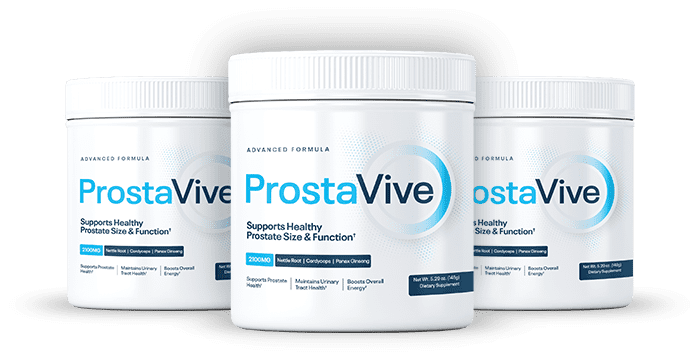
Prostavive
Overview: Prostavive is positioned as a multi-ingredient prostate support supplement formulated to promote urinary flow comfort and support healthy inflammatory balance.
Best for: Men experiencing early urinary changes associated with aging.
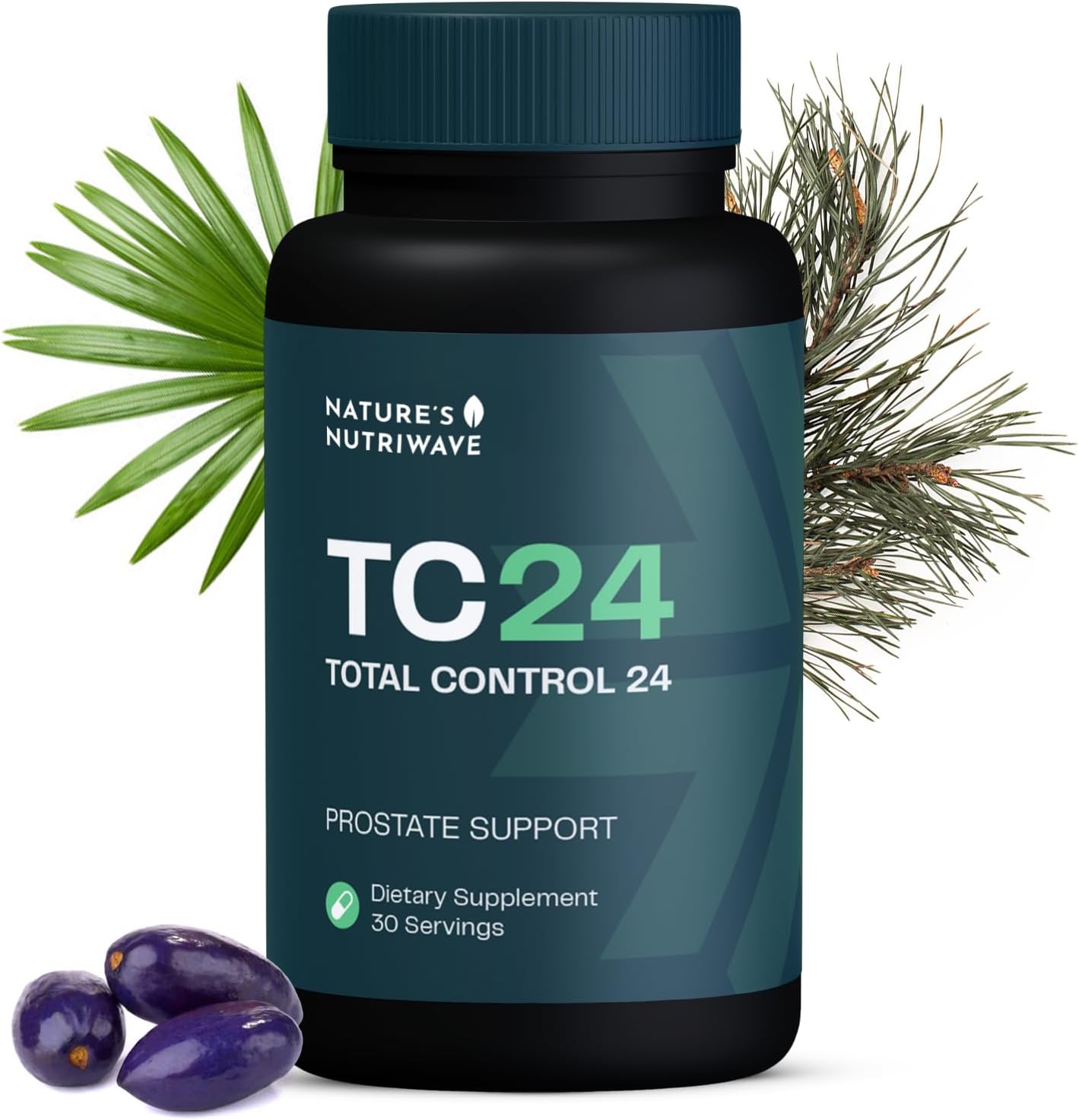
TC24
Overview: TC24 focuses on supporting prostate size balance and urinary function using botanical ingredients traditionally studied for male urological health.
Best for: Men seeking long-term prostate maintenance.
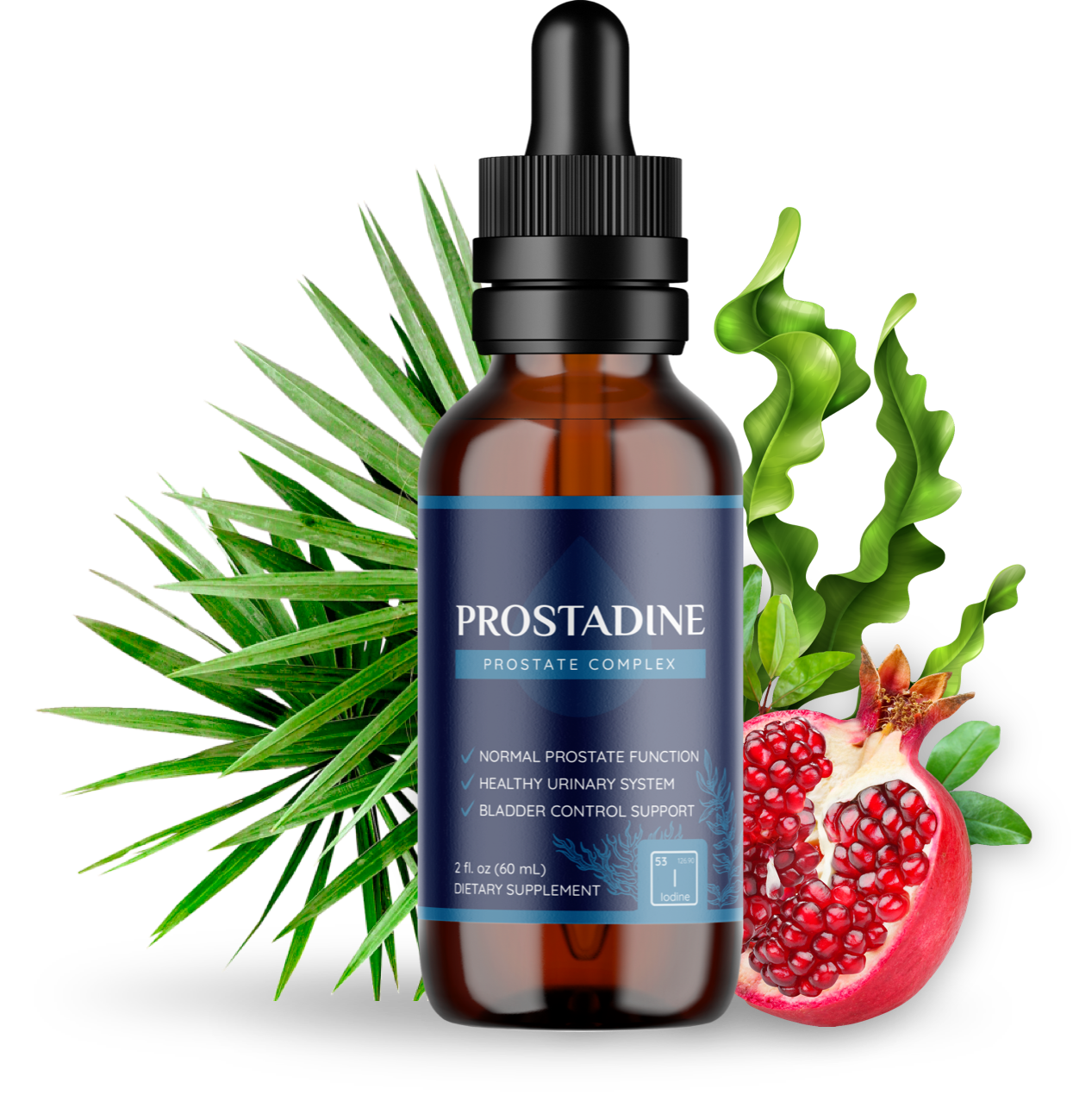
Prostadine
Overview: Prostadine is formulated around prostate cell health and detox-support positioning, with a liquid format for men who prefer that delivery style.
Best for: Men wanting additional support for urinary control and frequency balance.
Comparison: Prostate Cancer vs. BPH Symptoms
Symptoms alone cannot confirm a diagnosis — but certain patterns raise the stakes. The table below is a clarity tool to help you understand overlap and red flags.
| Symptom | BPH | Prostate Cancer |
|---|---|---|
| Weak stream | Common | Possible |
| Frequent urination | Common | Possible |
| Blood in urine | Rare | More concerning |
| Bone pain | No | Possible (advanced) |
| Weight loss | No | Possible |
*Note: If you have blood in urine, persistent pain, fever, sudden urinary retention, or systemic symptoms, seek medical evaluation promptly.*
How to Choose the Right Prostate Support Supplement
When evaluating a supplement, the biggest trap is "miracle language." Responsible prostate support is usually framed as a consistent daily routine — not an overnight fix.
When comparing formulas, consider:
- Formula transparency (clear ingredient labeling)
- Dosage clarity (realistic serving sizes)
- Manufacturing standards (GMP positioning, quality consistency)
- Third-party testing (when available)
- Realistic claims (avoid "cure" framing)
Supplements should complement — not replace — routine medical care. If symptoms persist, worsen, or feel "off," don't self-manage indefinitely.
FAQs – Symptoms of Prostate Cancer in Men
What are the first warning signs of prostate cancer?
Early prostate cancer often has no symptoms. When symptoms appear, they may include weak urine stream, difficulty starting urination, and increased nighttime frequency — but these are also common with BPH, so screening tests are necessary for accurate diagnosis.
Is frequent urination always a sign of prostate cancer?
No. Frequent urination is much more commonly caused by benign prostate enlargement. It becomes more concerning when combined with blood, pain, or systemic symptoms like unexplained weight loss.
At what age should men worry about prostate cancer symptoms?
Risk increases after age 50, and earlier (around 45) for men with family history or higher-risk backgrounds. Regular screening discussions with a physician are recommended.
Can supplements prevent prostate cancer?
There is no evidence that supplements prevent prostate cancer. Some ingredients are studied for supporting normal prostate tissue function and urinary comfort, but they do not replace screening or medical care.
Conclusion – Awareness Without Panic
Prostate cancer symptoms are often subtle — or absent — in early stages. Urinary changes alone rarely confirm anything serious, but they do justify attention, especially when symptoms are persistent or changing.
The goal is balance: avoid unnecessary fear, but never ignore red flags. Regular screening remains the gold standard. And for men who want structured daily support, evidence-informed options like Prostavive, TC24, and Prostadine may support overall urinary comfort as part of a broader routine — alongside medical evaluation, not instead of it.
If you're noticing changes, don't guess. Get evaluated — and support your prostate proactively.
Reviewed by: The Supplement Post Editorial Team, Editorial Review — Last updated:
Recommended Products
About Luciano Andreoti
Luciano Andreoti is a contributor at The Supplement Post, supporting the production of evidence-aware supplement reviews and buyer's guides across multiple health categories. His work spans ingredient analysis, formulation assessment and consumer-oriented summaries — what a label discloses, how the stated doses compare with the amounts used in published human research, and whether a formula's design matches what it claims to do. Every review is checked by The Supplement Post editorial team against the standards published in our editorial policy before it goes live.
Disclosure
All content on The Supplement Post is for informational purposes only and is not a substitute for professional medical advice, diagnosis, or treatment. Each product is a dietary supplement, not a prescription drug; statements about its benefits have not been evaluated by the U.S. Food and Drug Administration (FDA) and the product is not intended to diagnose, treat, cure, or prevent any disease.
Results may vary based on individual health status, consistency of use, and lifestyle. If you are pregnant or nursing, taking medication, or have a medical condition, consult a qualified healthcare professional before using any supplement.
This page may contain affiliate links—if you purchase through them, The Supplement Post may earn a small commission at no additional cost to you. References to third-party sites are provided for convenience; we do not control or guarantee their content.