
Semenax vs Zinc for Sperm Volume: Which Approach Actually Works Better?
Zinc vs Semenax for sperm volume — it's one of the most common questions men ask when researching reproductive support. Zinc is essential, well-studied, and inexpensive. Semenax is a multi-ingredient formula built around a different premise: that semen volume depends on several biological systems, not just one mineral.
Both approaches have merit — but they target different things. Understanding the difference helps you choose the right support for your specific situation.
This article breaks down what zinc actually does for reproductive health, where its limitations appear, and how multi-ingredient formulas like Semenax approach the same goal differently.
Quick Answer
Is zinc enough to increase sperm volume?
Zinc is essential for sperm formation, hormone enzyme activity, and reproductive tissue function. For men with low zinc intake or zinc deficiency, supplementation may help restore baseline reproductive support. However, semen volume depends on multiple systems — glandular secretion, seminal vesicle function, and cellular fluid balance — that zinc alone does not address.
How does Semenax differ from zinc supplements?
Semenax combines multiple ingredients designed to support several reproductive pathways simultaneously, including glandular secretion, fluid production, and cellular metabolism. This multi-system approach is distinct from single-mineral supplementation and may offer broader support for men whose concerns extend beyond a simple zinc deficiency.
Which approach is better for sperm volume?
For confirmed zinc deficiency: zinc supplementation may be sufficient. For broader semen volume support not linked to a single nutrient gap: a multi-ingredient formula like Semenax may be more aligned with how reproductive biology actually functions.
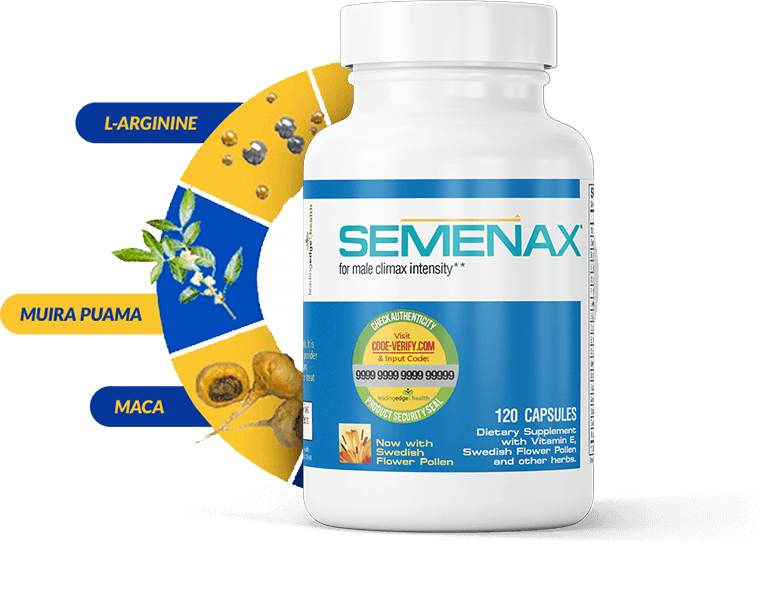
Zinc vs Semenax for sperm volume: understanding when a single mineral is enough — and when broader support may matter.
In this guide:
When men begin researching sperm volume support, zinc is usually the first nutrient they encounter. That's understandable — it's a well-established mineral with a clear role in male reproductive physiology. But the more focused the goal becomes, the more important it is to ask the right question: not does zinc matter, but is zinc alone enough?
The answer depends on what's driving the concern. For some men, zinc is exactly what's needed. For others, the underlying biology requires a broader approach.
Zinc vs Semenax: Side-by-Side Comparison
Before diving into the details, here's a direct comparison of the two approaches across the most relevant factors:
| Factor | Zinc Alone | Semenax (Multi-Ingredient) |
|---|---|---|
| Primary mechanism | Single mineral replenishment | Multi-pathway reproductive support |
| Best suited for | Zinc deficiency or basic nutritional gaps | Broader semen volume and glandular support |
| Pathways supported | Sperm formation, hormone enzymes | Glandular secretion, fluid production, antioxidant support, cellular metabolism |
| Ingredient complexity | Single nutrient | Multiple complementary compounds |
| Evidence base | Strong for zinc deficiency correction | Formula-level support for multiple reproductive systems |
| Approach | Foundational / corrective | Comprehensive / multi-system |
Does Zinc Alone Increase Sperm Volume?
Role of zinc in male reproductive health
Zinc is one of the most widely studied minerals in male reproductive function. It plays several biological roles that directly relate to sperm and seminal fluid production:
- Supporting normal sperm formation processes
- Maintaining structural integrity of reproductive cells
- Contributing to enzyme systems involved in hormone signaling
- Helping regulate cellular metabolism involved in reproduction
Zinc is naturally concentrated in reproductive tissues — particularly in the prostate and seminal fluid — which explains why it consistently appears in supplements targeting male reproductive health.
For men consuming diets low in zinc, or who face absorption challenges, supplementation may help restore the physiological baseline associated with normal reproductive processes. To understand more about how individual ingredients like zinc work in a multi-ingredient context, see our breakdown of Semenax ingredients.
Limitations of zinc as a standalone supplement
While zinc supports important biological functions, semen volume is not controlled by a single nutrient. Multiple systems contribute to reproductive output simultaneously:
- Seminal vesicle secretion (accounts for roughly 65–70% of semen volume)
- Prostate fluid contribution
- Glandular hormonal signaling balance
- Nutrient transport and cellular hydration
- Antioxidant activity protecting reproductive cells
Because these systems operate in parallel, addressing only one nutritional element may leave the majority of the underlying biology unsupported. This explains why many men report limited results from zinc supplementation alone when their concern is specifically semen volume rather than general mineral replenishment.
When zinc is commonly used — and why
Despite its limitations as a standalone volume supplement, zinc remains widely used in reproductive health contexts for good reasons: it is essential for cellular growth, participates in multiple enzyme systems, supports normal reproductive tissue activity, and is easy to supplement. For men seeking basic nutritional reinforcement, zinc often functions well as an entry point — but it is rarely the complete answer for men focused on measurable volume-related outcomes.
How Semenax Differs from Zinc Supplements
Supporting multiple reproductive pathways at once
The fundamental difference between zinc supplementation and a formula like Semenax is the number of physiological pathways being targeted. While zinc addresses one nutritional variable, Semenax is structured to support several biological mechanisms simultaneously:
- Nutrient availability to reproductive tissues
- Seminal vesicle activity and fluid secretion
- Prostate gland function and fluid contribution
- Cellular metabolism associated with sperm production
- Antioxidant support for reproductive cells
This multi-system approach reflects a different premise: that semen volume depends on a network of biological functions, not a single input. For a closer look at how Semenax's ingredient list maps to these pathways, the full Semenax ingredients breakdown covers each compound and its biological rationale.
Complementary ingredient roles
In multi-ingredient formulas, different compounds are selected because they serve complementary functions — not because any single one is sufficient on its own. Certain ingredients may support nutrient transport, others glandular fluid production, cellular hydration, hormonal pathway balance, or antioxidant protection of sperm cells. When combined strategically, these compounds are intended to reinforce one another rather than operate independently.
Functional synergy and biological complexity
One of the central ideas behind multi-ingredient formulas is functional synergy — the premise that several supportive compounds working together may produce more comprehensive biological support than any isolated nutrient. This does not mean individual nutrients like zinc are irrelevant; zinc is typically included in these formulas. It means the formula reflects the complexity of reproductive physiology more accurately than single-mineral supplementation can. To understand what outcomes this broader approach aims to produce, the Semenax benefits overview covers the intended effects in detail.
When Zinc Alone May Be Enough
Confirmed zinc deficiency
Zinc supplementation may be fully sufficient when reproductive concerns are directly linked to nutritional deficiency — for example, from inadequate dietary intake, restricted diets, poor mineral absorption, or temporary nutritional imbalance. In these situations, restoring zinc levels may help normalize the specific physiological processes that zinc supports.
Basic nutritional maintenance
Some men use zinc simply to maintain foundational reproductive health rather than to address specific volume concerns. In this context, zinc functions as preventive dietary reinforcement and baseline micronutrient support — a reasonable approach for general wellness maintenance that does not require the broader mechanism coverage of a multi-ingredient formula.
However, when reproductive performance concerns extend beyond simple nutrient shortages — or when a man is seeking measurable change rather than maintenance — zinc alone is unlikely to be sufficient.
Final Verdict: Is Semenax Better Than Zinc Alone for Sperm Volume?
Zinc is a well-established and important mineral in male reproductive health. Its role in sperm formation and enzyme function is clear, and for men with genuine zinc deficiency, supplementation may provide meaningful corrective support.
However, semen volume production depends on multiple biological systems beyond zinc — including seminal vesicle secretion, prostate fluid output, glandular function, and cellular activity across reproductive tissues. Targeting only zinc leaves the majority of these systems without dedicated support.
Multi-ingredient formulas like Semenax are designed around this biological reality. Rather than relying on a single isolated nutrient, they combine compounds intended to reinforce different aspects of reproductive function simultaneously — making them a more aligned approach for men seeking comprehensive semen volume support rather than basic mineral replenishment.
For men with confirmed zinc deficiency: zinc supplementation is a reasonable and sufficient starting point. For men seeking measurable, multi-system reproductive support: a formula structured for that specific goal is likely the more appropriate choice.
Before starting any supplementation, consulting a qualified healthcare professional is recommended. It's also worth reviewing the reported Semenax side effects and the comprehensive full Semenax review to make an informed decision.
Frequently Asked Questions
Is zinc enough to increase sperm volume?
Zinc supports important aspects of male reproductive biology — including sperm formation, hormone signaling enzyme activity, and reproductive tissue function. For men with zinc deficiency, supplementation may help restore baseline function. However, semen volume depends on multiple biological systems beyond zinc alone, including seminal vesicle secretion, prostate fluid output, and glandular health. For men seeking broader volume support, zinc alone may not address all relevant pathways.
How does Semenax compare to zinc supplements for sperm volume?
Zinc supplements target a single nutritional variable, making them most relevant when the concern is a zinc deficiency. Semenax is a multi-ingredient formula designed to support several reproductive pathways simultaneously — including glandular secretion, seminal fluid production, and cellular metabolism. For men whose volume concerns are not caused by a simple mineral deficiency, a multi-ingredient approach may offer more comprehensive support.
Can zinc deficiency cause low sperm volume?
Zinc deficiency has been associated with impaired sperm formation and reproductive tissue function. Restoring adequate zinc levels through supplementation may help normalize these processes. However, low semen volume can have multiple contributing factors beyond zinc status, including lifestyle, hydration, hormonal balance, and glandular health. A healthcare provider can help determine whether zinc deficiency is a primary contributing factor.
What is the best supplement for semen volume?
The most appropriate supplement depends on the underlying cause. For men with confirmed zinc deficiency, zinc supplementation may provide meaningful support. For men seeking broader reproductive support across multiple physiological pathways, multi-ingredient formulas designed specifically for semen volume — such as Semenax — are often considered a more comprehensive option. Consulting a healthcare professional is recommended before starting any supplementation.
Reviewed by: The Supplement Post Editorial Team, Editorial Review — Last updated:
Recommended Product
About Luciano Andreoti
Luciano Andreoti is a contributor at The Supplement Post, supporting the production of evidence-aware supplement reviews and buyer's guides across multiple health categories. His work spans ingredient analysis, formulation assessment and consumer-oriented summaries — what a label discloses, how the stated doses compare with the amounts used in published human research, and whether a formula's design matches what it claims to do. Every review is checked by The Supplement Post editorial team against the standards published in our editorial policy before it goes live.
Disclosure
All content on The Supplement Post is for informational purposes only and is not a substitute for professional medical advice, diagnosis, or treatment. Each product is a dietary supplement, not a prescription drug; statements about its benefits have not been evaluated by the U.S. Food and Drug Administration (FDA) and the product is not intended to diagnose, treat, cure, or prevent any disease. Results may vary based on individual health status, consistency of use, and lifestyle. If you are pregnant or nursing, taking medication, or have a medical condition, consult a qualified healthcare professional before using any supplement. This page may contain affiliate links — if you purchase through them, The Supplement Post may earn a small commission at no additional cost to you.